DbcultAccessing Vault...
7.2/10
Senior Film Conservator
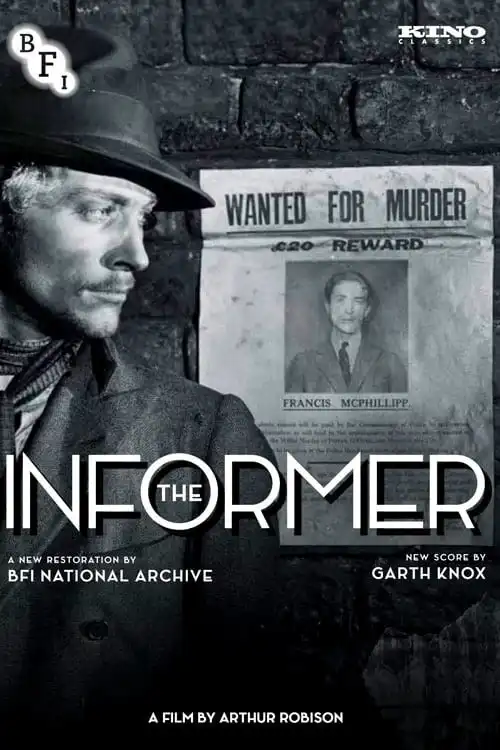
A definitive 7.2/10 rating for a film that redefined the boundaries of cult cinema. The Informer remains a cornerstone of transgressive art.
Okay, so The Informer from '29. Is it worth tracking down today? If you're someone who really digs into the very early days of cinema, especially silent films with a bit of a raw, almost stage-like energy, then yeah, absolutely. Anyone expecting modern pacing or slick dialogue will probably be climbing the walls, but for those who appreciate seeing how stories were told before sound really took over, it’s a pretty fascinating watch. It's not a cozy night in, more like a historical document that still *feels* something, deep down. You need to be in the mood for it. 🕰️
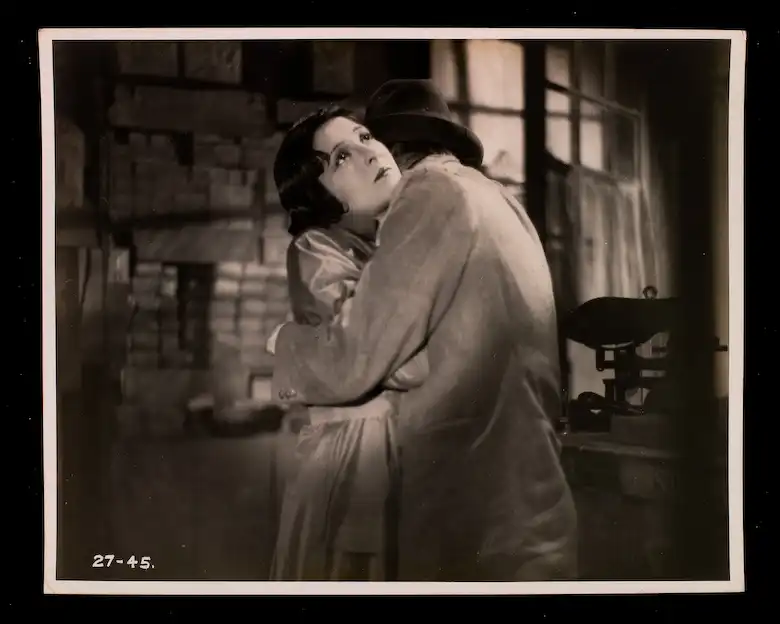
The setup is simple enough, though it gets messy fast. Lars Hanson plays Gypo, an IRA man in 1920s Ireland. He's got a girlfriend, and he mistakenly thinks his best friend is, you know, _with_ her. So, in a fit of rage or perhaps desperation for some cash – it's a bit fuzzy on the exact motivation, which feels very human actually – he tips off the police about his mate. Big mistake. Huge.
Hanson, man, he really carries this film. The way he uses his eyes, his whole body. It's the kind of acting you don't really see anymore. Every twitch, every slow turn of his head feels like a decision. There's this scene early on, when he's first contemplating the betrayal, and the camera just *holds* on his face. You can practically see the wheels turning, the terrible math being done in his head. It’s not subtle, but it's effective. Like watching a storm cloud gather.
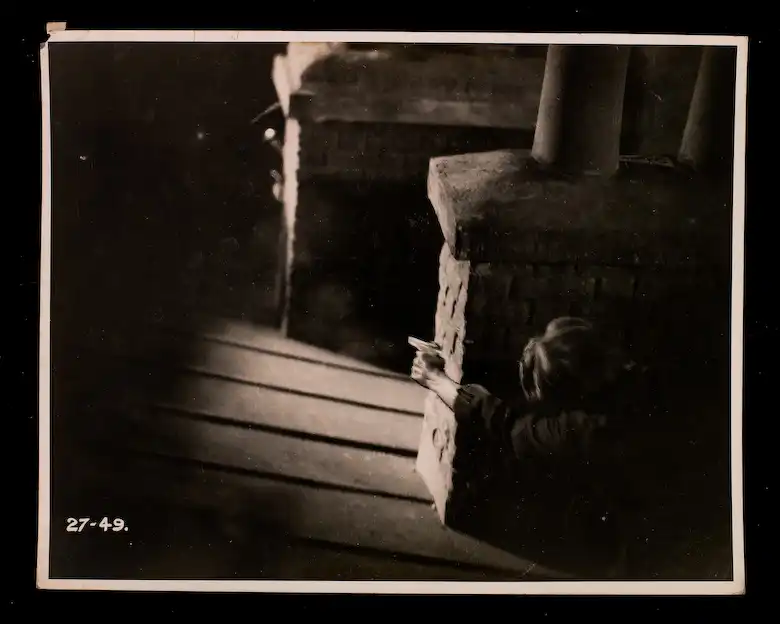
The movie really leans into the idea of guilt, doesn't it? Once the deed is done, Gypo can't shake it. He wanders through these bleak, almost empty streets. The crowd scenes have this oddly empty feeling, like half the extras wandered off, which somehow makes his isolation even sharper. It’s not a grand, sweeping epic. It's much more contained, almost claustrophobic.
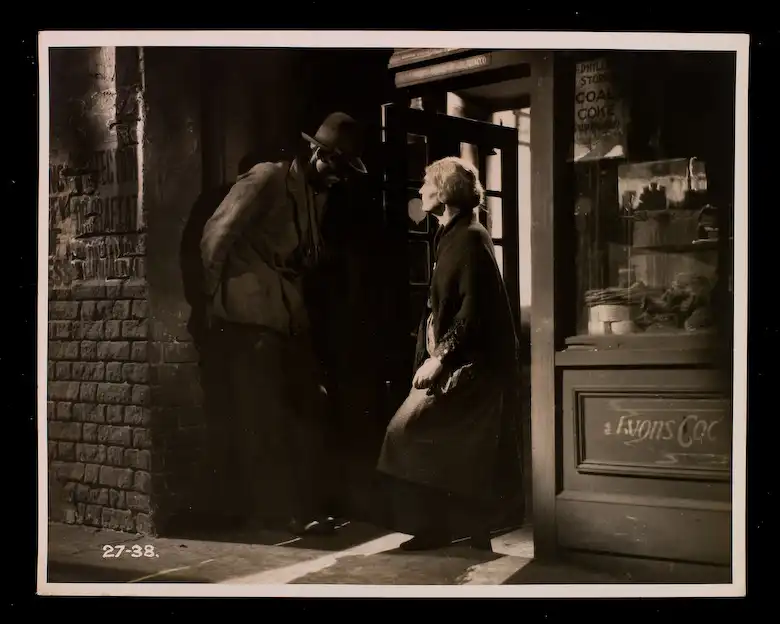
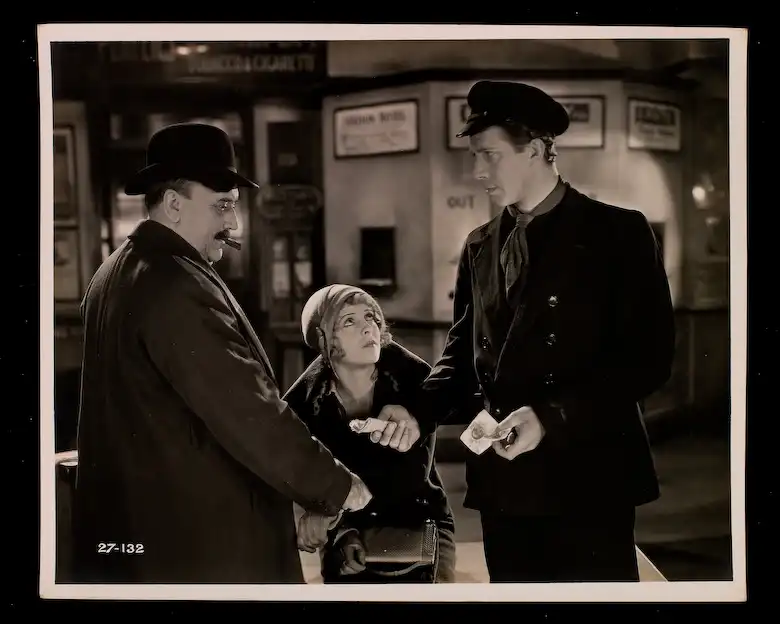
There's a moment when he's trying to spend the money he got, and it just feels *wrong*. He buys things, tries to act normal, but his eyes are always darting. The film really makes you feel the weight of that silver. It's not just money, it's a heavy, cursed object. I kept thinking, 'just throw it away, man!' But he doesn't, of course. That's the whole point.
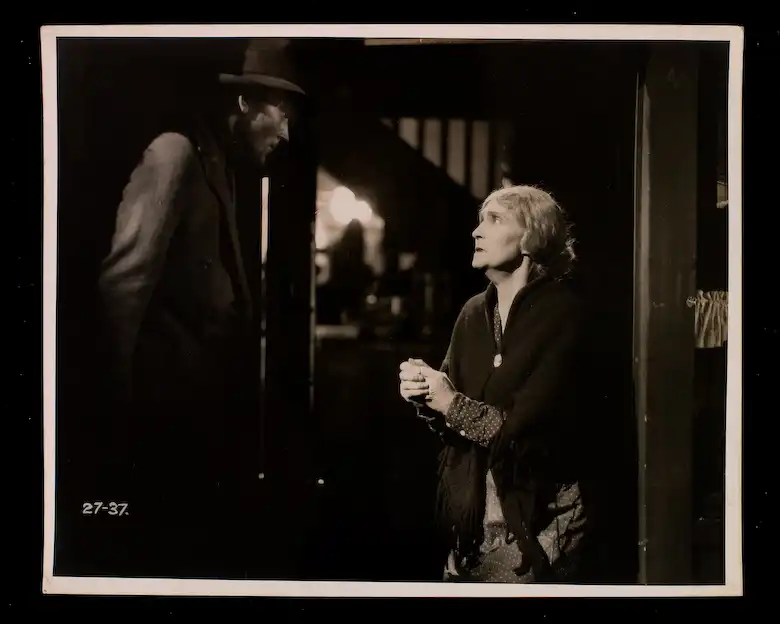
Janice Adair, who plays the girlfriend, she's got some powerful moments too. Especially her reaction when she starts to piece things together. She doesn't scream or go over the top, not always. Sometimes it's just a subtle shift in her expression. It makes you lean in, trying to catch every little nuance. It’s hard to imagine how they got these performances without sound, but they did.
The pacing is definitely of its era. There are long stretches where not a lot of *action* happens, but a whole lot of *feeling* does. A reaction shot lingers so long it almost becomes funny at one point, but then you realize it’s actually building this incredible tension. It teaches you to watch differently. You have to adjust your rhythm to its rhythm.
I found myself wondering about the IRA aspect. It’s there, obviously, as the backdrop. But the film isn't really about the politics, not directly anyway. It's about this one guy's terrible personal choice within that larger, turbulent world. It’s a very human story, almost a Greek tragedy, dressed up in Irish tweed. You can almost feel the movie trying to convince you this moment matters, and usually, it succeeds.
Warwick Ward as the police chief is also quite good. He's not a mustache-twirling villain, more just this grim, implacable force. The scenes between him and Hanson are all about glances and implied threats. The lack of dialogue really amplifies the power dynamic there. You really feel the threat hanging in the air.
Some of the stunts, if you can call them that, are pretty rudimentary by today's standards. But again, it adds to the charm, doesn't it? It reminds you what film was. Like, when someone runs, it's just someone running. No fancy camera work. Just raw movement. And the fog, or whatever they used for atmosphere, is great. It makes everything feel a bit more dreamlike, or nightmare-like, for Gypo.
Don't go into The Informer expecting a thriller. It’s more of a character study, a slow burn of a man unraveling because of his own actions. It’s stark. It's a little rough around the edges, but that’s part of its charm. A solid piece of early cinema that sticks with you. Not an easy watch, but a rewarding one if you're up for it. 👍

IMDb —
1917
Community
Log in to comment.