DbcultAccessing Vault...
Cult Review
Senior Film Conservator
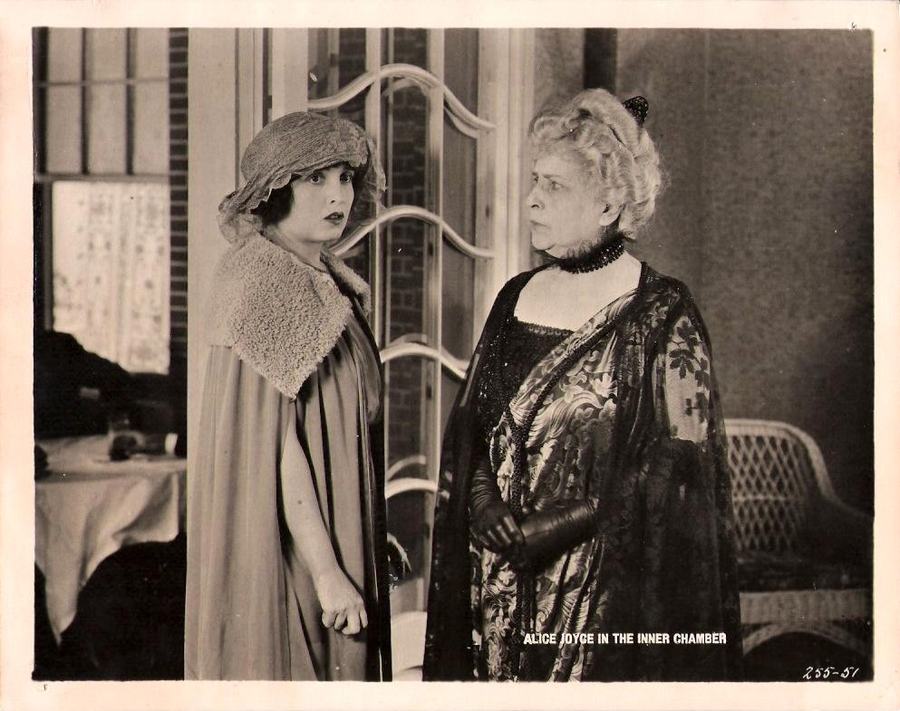
The Inner Chamber, a silent film released in 1921, is a poignant and thought-provoking exploration of the human experience, delving into the intricacies of love, relationships, and the fragility of the human heart. Directed by an uncredited filmmaker, this cinematic masterpiece boasts a talented cast, including Alice Joyce and Pedro de Cordoba, who deliver powerful performances that bring depth and nuance to the narrative.
The story revolves around Claire Robson, a young woman struggling to make ends meet, who finds herself at the center of a complicated love triangle. As she navigates the challenges of her daily life, Claire is beset on all sides by a cast of characters who seek to influence her decisions and shape her destiny. The kindly stranger who intervenes to protect her from a nuisance is a particularly interesting figure, as his actions are motivated by a desire to help Claire, rather than to exploit her vulnerability.
As the narrative unfolds, the audience is presented with a complex web of relationships and motivations, as each character seeks to pursue their own interests and desires. The manipulative woman who deceives Claire into believing the stranger is married is a masterful stroke of storytelling, as it sets in motion a chain of events that will have far-reaching consequences for all involved. The similar themes of deception and misunderstanding found in films like The Common Cause serve as a poignant reminder of the devastating consequences of miscommunication and the importance of trust in relationships.
The introduction of the Italian doctor, who saves Claire's mother from the brink of death, adds a new layer of complexity to the narrative, as his aggressive advances towards Claire raise questions about the nature of consent and the power dynamics at play in relationships. The fact that Claire ultimately agrees to marry the doctor out of gratitude for his actions serves as a commentary on the societal expectations placed upon women during this time period, and the limited options available to them. In contrast, films like The White Dove offer a more nuanced exploration of the human experience, highlighting the agency and autonomy of women in the face of adversity.
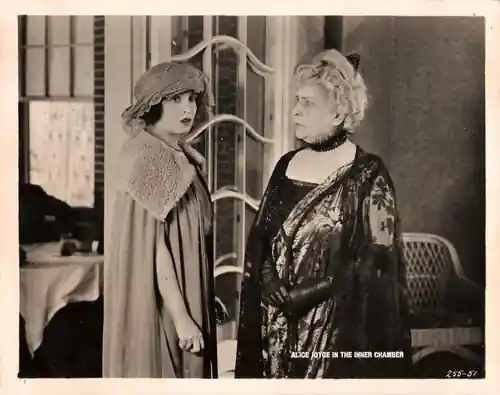
The tragic confrontation that occurs on the wedding night, as the doctor discovers the false rumor about Claire's past, is a heart-wrenching moment in the film, as it marks the culmination of a series of events that have been building in intensity throughout the narrative. The fact that the doctor's demise ultimately paves the way for the star-crossed lovers to reunite and rectify their misunderstanding serves as a testament to the enduring power of love, even in the face of adversity. The similar themes of love and redemption found in films like The Matinee Girl offer a poignant reminder of the human capacity for forgiveness and the importance of second chances.
Throughout the film, the cinematography is noteworthy, with a keen attention to detail and a deep understanding of the visual language of silent cinema. The use of high contrast lighting and innovative camera angles serves to create a sense of drama and tension, drawing the viewer into the world of the film and refusing to let go. The similar use of visual motifs found in films like L'autobus della morte offers a fascinating glimpse into the evolution of cinematic storytelling and the ways in which visual language can be used to convey complex emotions and ideas.
In conclusion, The Inner Chamber is a masterpiece of silent cinema, a film that explores the complexities of the human experience with nuance and sensitivity. With its talented cast, intricate narrative, and innovative cinematography, this film is a must-see for anyone interested in the art of storytelling and the power of cinema to capture the human condition. The similar themes of social commentary found in films like Europäisches Sklavenleben offer a poignant reminder of the importance of cinema as a tool for social critique and commentary, highlighting the need for ongoing dialogue and reflection about the human experience.
The influence of The Inner Chamber can be seen in a wide range of films, from the science fiction epic A Trip to Mars to the drama Rasskaz o semi poveshennykh. The fact that this film continues to inspire and influence filmmakers to this day is a testament to its enduring power and relevance, and serves as a reminder of the importance of preserving and promoting our cinematic heritage. The similar themes of love and relationships found in films like Le rêve offer a fascinating glimpse into the evolution of cinematic storytelling and the ways in which visual language can be used to convey complex emotions and ideas.
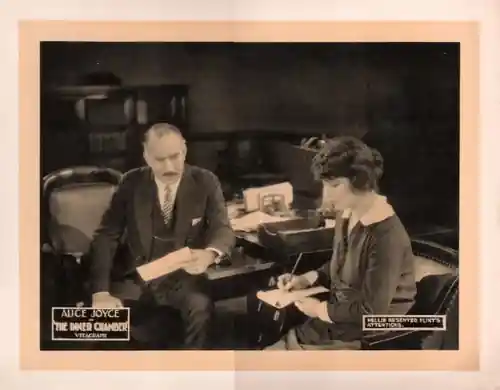
Overall, The Inner Chamber is a film that will resonate with audiences long after the credits have rolled, a powerful and poignant exploration of the human experience that reminds us of the importance of love, relationships, and the connections that bind us together. The similar themes of social commentary found in films like Saved from the Harem offer a poignant reminder of the need for ongoing dialogue and reflection about the human experience, highlighting the importance of cinema as a tool for social critique and commentary. As we continue to navigate the complexities of our own lives, The Inner Chamber serves as a powerful reminder of the enduring power of love and the importance of human connection in the face of adversity.
In the end, The Inner Chamber is a film that will leave audiences spellbound and inspired, a testament to the power of cinema to capture the human condition and to inspire us to be our best selves. The similar themes of love and relationships found in films like Oh, You Kid offer a fascinating glimpse into the evolution of cinematic storytelling and the ways in which visual language can be used to convey complex emotions and ideas. As we reflect on the significance of The Inner Chamber, we are reminded of the importance of preserving and promoting our cinematic heritage, and of the need for ongoing dialogue and reflection about the human experience.
The legacy of The Inner Chamber can be seen in a wide range of films, from the drama The Feast of Life to the thriller Time Lock No. 776. The fact that this film continues to inspire and influence filmmakers to this day is a testament to its enduring power and relevance, and serves as a reminder of the importance of cinema as a tool for social commentary and critique. The similar themes of exploration and discovery found in films like Christophe Colomb offer a fascinating glimpse into the evolution of cinematic storytelling and the ways in which visual language can be used to convey complex emotions and ideas.
In the final analysis, The Inner Chamber is a film that will be remembered for generations to come, a powerful and poignant exploration of the human experience that reminds us of the importance of love, relationships, and the connections that bind us together. The similar themes of social commentary found in films like Whispers offer a poignant reminder of the need for ongoing dialogue and reflection about the human experience, highlighting the importance of cinema as a tool for social critique and commentary. As we continue to navigate the complexities of our own lives, The Inner Chamber serves as a powerful reminder of the enduring power of love and the importance of human connection in the face of adversity.
The influence of The Inner Chamber can also be seen in the work of filmmakers who have been inspired by its themes and motifs, such as the thriller The Master Mystery. The fact that this film continues to inspire and influence filmmakers to this day is a testament to its enduring power and relevance, and serves as a reminder of the importance of preserving and promoting our cinematic heritage. The similar themes of love and relationships found in The Inner Chamber offer a fascinating glimpse into the evolution of cinematic storytelling and the ways in which visual language can be used to convey complex emotions and ideas.
IMDb —
1917
Community
Log in to comment.