DbcultAccessing Vault...
Cult Review
Senior Film Conservator
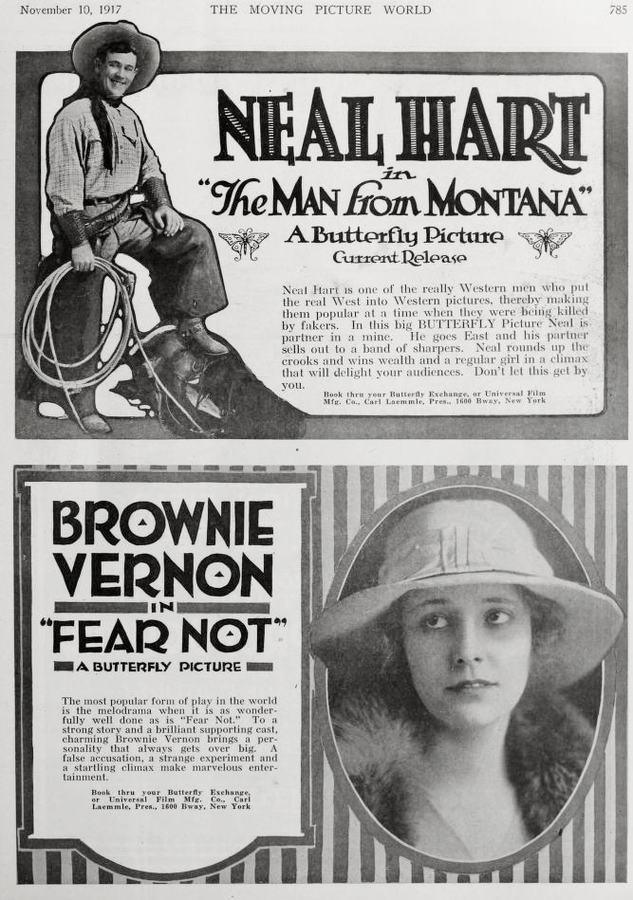
In the nascent years of American cinema, the Western was often a static affair, a collection of horse-bound tropes and binary moralities. However, The Man from Montana (1917), directed by the prolific George Marshall, represents a fascinating deviation from the norm. It is not merely a tale of dusty trails and six-shooters; it is a sophisticated genre-hybrid that anticipates the urban paranoia of film noir while maintaining the rugged individualism of the frontier. Unlike the more traditionalist approach seen in Bond of Fear, this film dares to bridge the geographical and sociological chasm between the untamed West and the predatory East.
The narrative engine is fueled by the 'Busy Bee' and 'The Worm' mines—symbols of raw potentiality that the Eastern 'grafters' seek to monetize without the sweat of labor. This thematic preoccupation with the corruption of natural resources mirrors the anxieties found in The Dollar and the Law. The film establishes a stark visual contrast: the open-air honesty of Montana versus the shadowed, manipulative interiors of the East. When Duke Farley (Neal Hart) ventures into this new territory, he isn't just a man out of place; he is an ethos under siege.
"The Man from Montana succeeds because it understands that the greatest threat to the cowboy wasn't the outlaw on the horizon, but the lawyer in the boardroom."
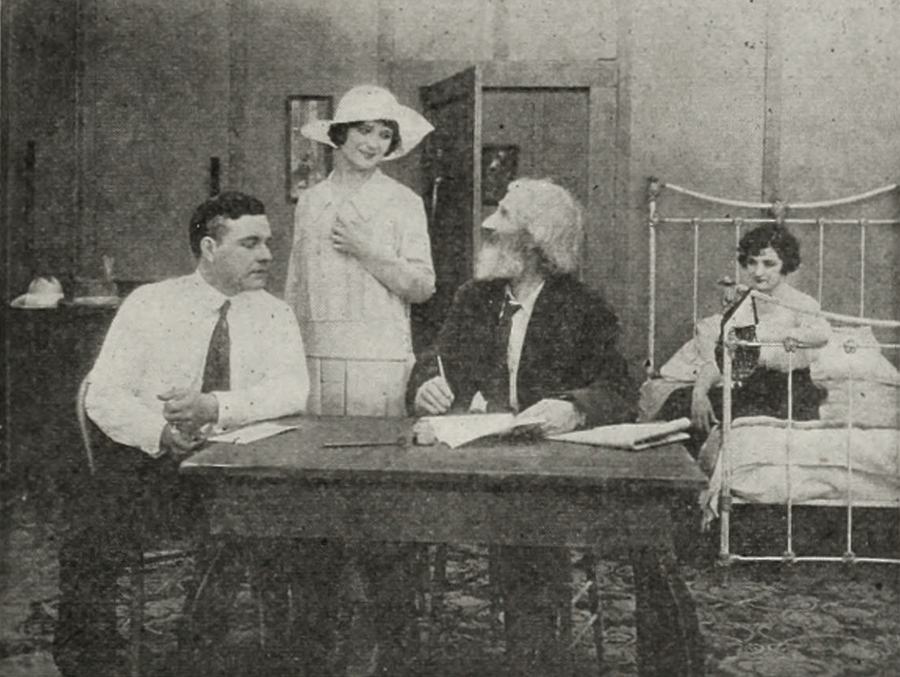
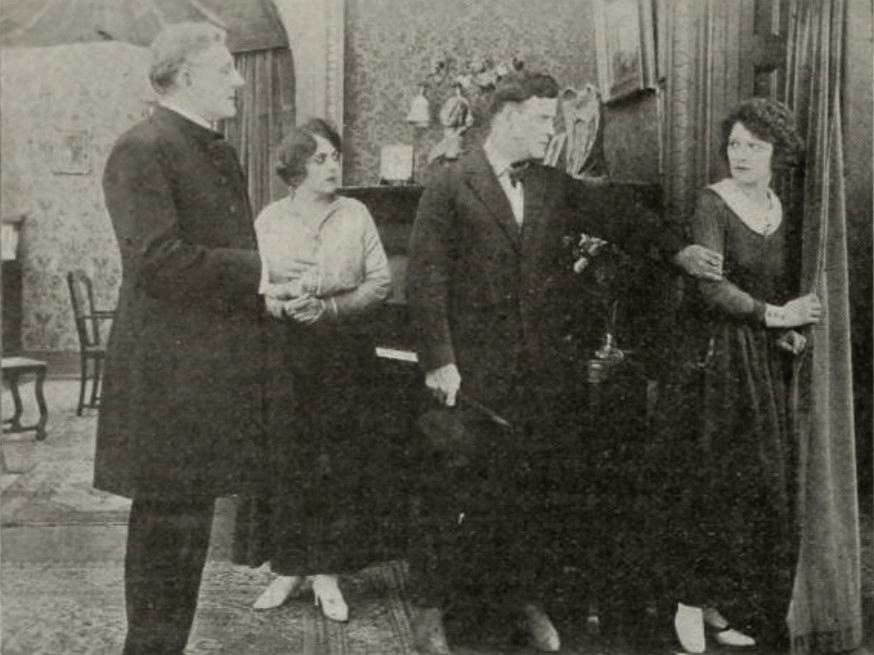
The antagonist, Summers, is a masterfully drawn villain. He doesn't rely on brawn; he utilizes the legal system and the social mores of the era as weapons. His attempt to frame Farley using the Mann Act—a piece of legislation often used in early 20th-century cinema to signify ultimate moral peril—is a clever narrative pivot. It forces the protagonist to adapt, shifting from a physical confrontation to a tactical one. This evolution of the hero is something rarely seen in contemporaries like The Wolf, where the conflict remains largely visceral.
Vivian Rich as Meta Cooper provides a performance of surprising depth. While the script initially positions her as a pawn in Summers' machinations, her trajectory becomes the emotional anchor of the film. The marriage between Meta and Duke is not born of a traditional romantic courtship but of a mutual need for sanctuary. This pragmatic union reflects a realism often absent in the more melodramatic offerings of 1917, such as The Neglected Wife or A Modern Thelma. Rich portrays Meta with a vulnerability that never descends into helplessness, making her eventual rescue feel like a restoration of a legitimate partnership rather than a trophy retrieval.
Perhaps the most audacious element of The Man from Montana is its third-act shift to the high seas. The 'shanghai' plot point is a brilliant subversion of Western expectations. Just as we expect a final showdown in a dusty street, we are thrust into the salt-crusted reality of a merchant ship. This sequence allows George Marshall to showcase his versatility as a director. The claustrophobia of the ship's hold, where Farley finds Dad Petzel and his fellow ranch hands, creates a pressure-cooker environment that explodes in a beautifully choreographed mutiny.
This maritime climax serves a dual purpose. It reinforces the idea that the 'Western' spirit is not bound by geography but by a collective commitment to justice. When the cowboys take over the ship, it is a triumph of frontier camaraderie over maritime tyranny. The logistical complexity of these scenes suggests a production value that rivals the epic scale of Damon and Pythias, albeit on a more intimate, character-driven level.
Visually, the film is a testament to the rapid evolution of silent cinema. The lighting in the Eastern office scenes uses sharp shadows to emphasize the moral ambiguity of the grafters, a technique that predates the expressionist influence seen in The Merry Jail. Marshall’s use of deep focus during the ranch scenes allows the Montana landscape to remain a constant, looming presence—a reminder of the stakes involved. The editing, handled with a rhythmic precision, ensures that the transition from the Western plains to the Eastern docks feels like a coherent journey rather than a disjointed anthology.
In comparison to the somewhat stagey presentation of The Suburban, The Man from Montana feels remarkably modern. There is a kinetic energy to the frame, particularly during the shipboard rebellion. The camera isn't just an observer; it's a participant in the chaos. This dynamism is what separates Marshall from his contemporaries and explains his long-standing influence on the genre.
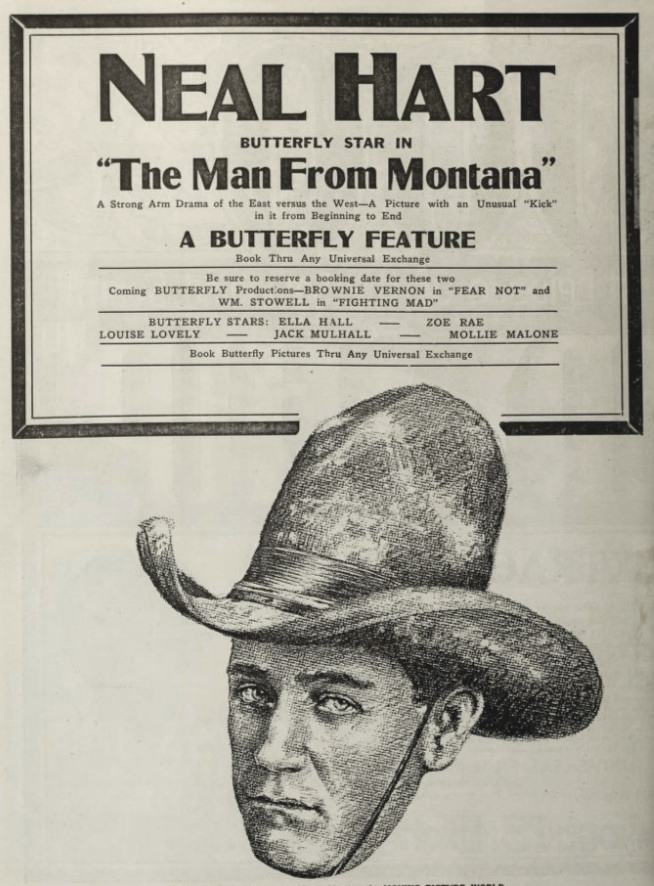
To fully appreciate this film, one must understand the year 1917. America was on the precipice of global involvement, and the internal identity of the country was shifting from agrarian to industrial. The Man from Montana captures this zeitgeist perfectly. It asks whether the values of the pioneer can survive in the era of the corporation. While The Valley of Decision explored moral dilemmas within a more domestic framework, Marshall’s film takes these questions into the arena of action and adventure.
The film also subtly addresses the concept of 'the outsider.' Farley is an outsider in the East, just as the cowboys are outsiders on the ship. Their victory is a validation of the 'American' character as defined by the frontier—resilient, resourceful, and ultimately incorruptible. Even the inclusion of the 1915 World's Championship Series as a cultural touchstone in the era's zeitgeist pales in comparison to the mythic weight this film places on the cowboy's shoulders.
While many silent films of this era have faded into obscurity or suffered from the ravages of nitrate decomposition, the narrative strength of The Man from Montana remains potent. It is a film that rewards close viewing, offering more than just the binary thrills of a standard oater. It is a study of displacement, a critique of greed, and a celebration of the enduring bonds of loyalty. It stands alongside works like Les frères corses in its exploration of familial (or in this case, fraternal) bonds against overwhelming odds.
For the modern cinephile, this film is a crucial bridge. It shows the Western genre in its adolescence, experimenting with form and content, and finding its voice. It’s as grand in its ambitions as Bar Kochba, the Hero of a Nation, yet as grounded as a dirt-floor saloon. If you seek a silent film that defies categorization and delivers a visceral punch, Duke Farley’s journey from the mountains to the sea is an essential watch. It is, quite simply, a masterclass in silent storytelling that deserves a place in the pantheon of great American Westerns.
Final Verdict: A genre-defying masterpiece of early cinema that proves the cowboy spirit can conquer even the roughest seas.
IMDb —
1918
Community
Log in to comment.