Summary
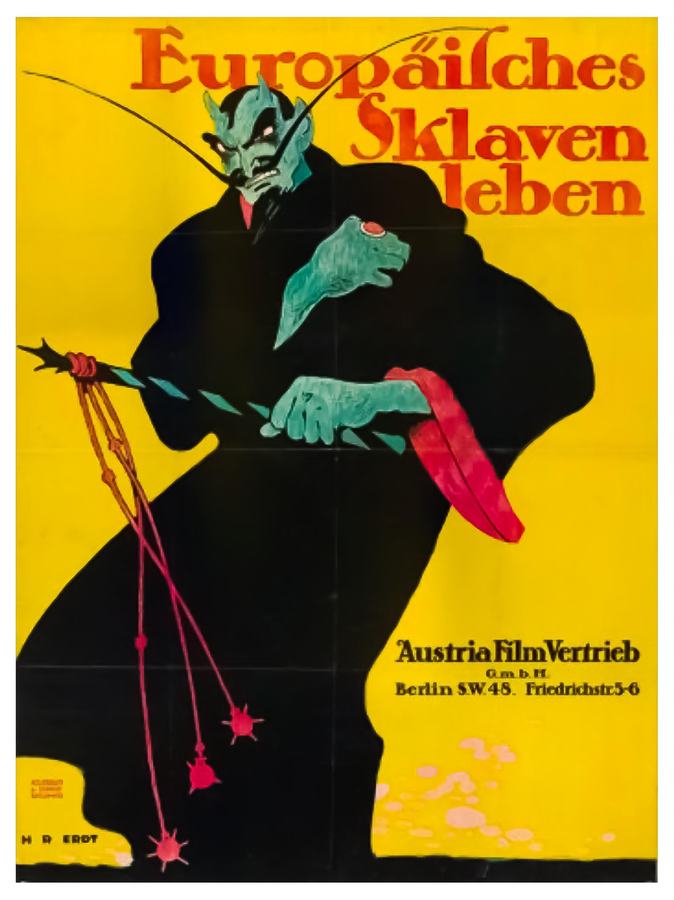
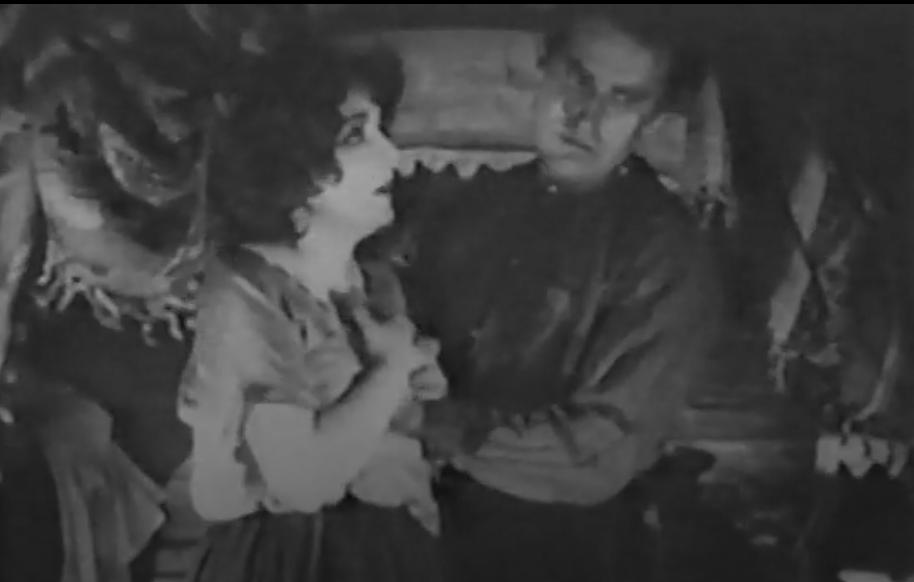
A trembling hand-held camera stalks the frost-bitten docks of Hamburg in 1912, where human cargo is auctioned under gaslight that flickers like a dying conscience. Beckersachs, gaunt as a El Greco saint, plays Jan, a Bohemian violinist sold to a Tyrolean copper baron to pay his sister’s Tsarist debts; Garrison’s baron is no stage villain but a bored demiurge who toys with souls the way a dilettante arranges moths under glass. Jan is dragged through Alpine tunnels where the echo of pickaxes becomes a danse macabre, then shipped to a Sicilian sulphur mine whose white fumes bleach the film stock itself, turning faces into ghostly blue cameos. Hartau’s Jesuit smuggler offers salvation that smells of incense and gunpowder, while Zelnik’s circus strongman, inked with maritime charts, plots revolt inside a lion cage. The narrative fractures like a dropped plate: each shard is a different European port—Antwerp’s lace-sweatshops, Marseille’s oil-slicked brothels, the Carpathian logging camp where snowflakes resemble ash from crematoria yet to be built. Dialogue is sparse; instead, intertitles bloom like bruises: “Wenn Freiheit ein Lied ist, warum klingt es wie ein Schrei?” When freedom is a song, why does it sound like a scream? In the final reel the slaves, now a polyglot hydra, storm a Danube steamer; the camera plunges underwater and catches their chains sinking, glinting like cheap sequins, while the ship’s orchestra keeps playing Strauss, oblivious. No moral closure—only the sense that Europe has swallowed its own tale of enlightenment and is choking on the bone.
Review Excerpt
"
Imagine, if you can, a film that arrives not as entertainment but as a wound. Europäisches Sklavenleben—literally “European Slave Life”—is a 1912 German one-reeler that somehow squeezes an entire continent’s guilty conscience into 23 minutes of nitrate fury. For decades archivists listed it as verschollen, lost in the same bureaucratic void where missing persons vanish. Then, in 2019, a rusted biscuit tin surfaced at a Hamburg flea market: inside, a 35 mm fragment curled like a dead leaf, smel..."