DbcultAccessing Vault...
6.6/10
Senior Film Conservator
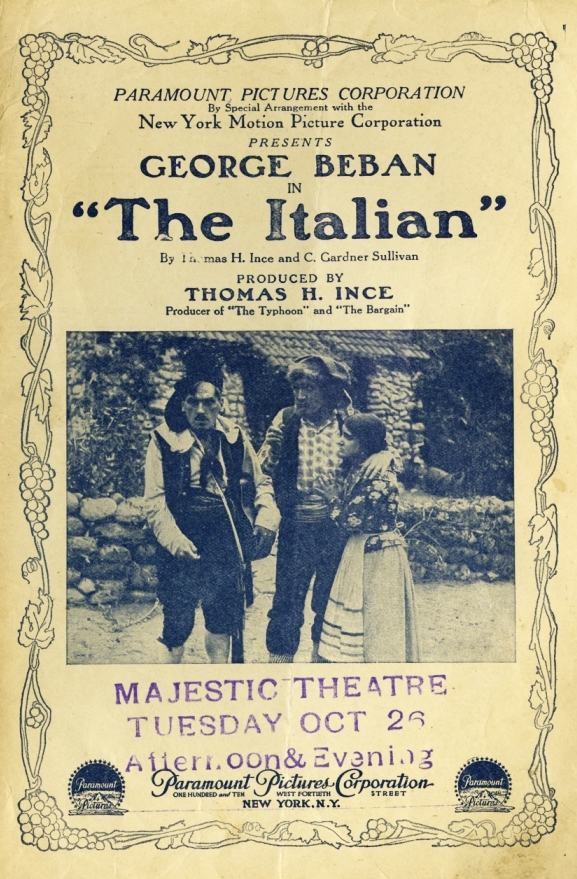
A definitive 6.6/10 rating for a film that redefined the boundaries of cult cinema. The Italian remains a cornerstone of transgressive art.
Stepping back into the cinematic annals of 1915, one encounters a profound and often unsettling mirror held up to the American experience, particularly for those arriving on its shores with nothing but hope in their hearts. Thomas H. Ince and C. Gardner Sullivan, through their collaborative vision, gifted us The Italian, a film that transcends its silent era origins to deliver a potent, emotionally charged narrative about the brutal collision of immigrant dreams with the harsh bedrock of urban reality. This isn't merely a historical curiosity; it's a raw, visceral exploration of human resilience and vulnerability, played out against a backdrop of systemic indifference that, regrettably, still resonates with contemporary echoes.
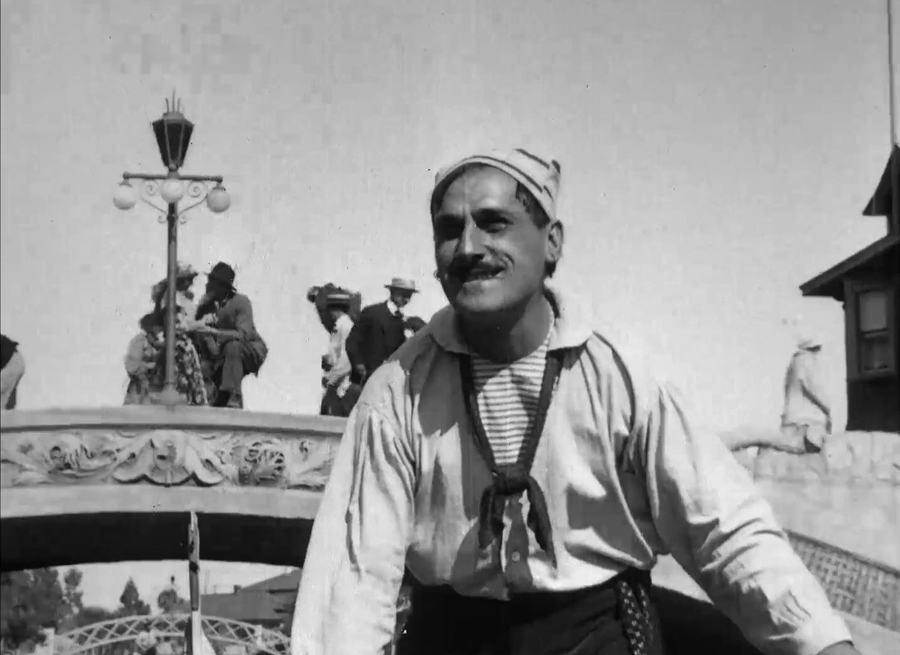
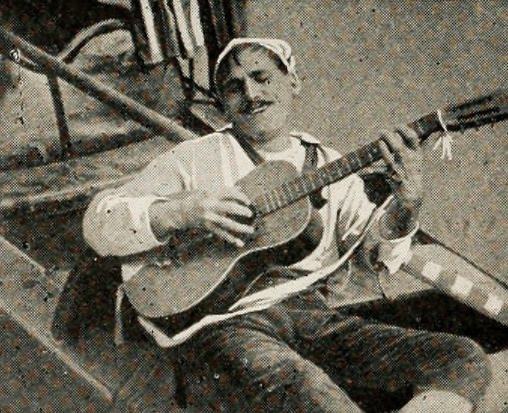
At its core, The Italian introduces us to Beppo Donnetti, portrayed with an astonishing depth of pathos by George Beban, an actor whose nuanced performance defies the broad strokes often associated with early silent cinema. Beppo, a gondolier from Venice, is utterly smitten with Annette, brought to life by the delicate yet resolute Clara Williams. Their love story, initially bathed in the warm, romantic glow of their homeland, serves as the tender prelude to a journey fraught with peril and disillusionment. The opening scenes, though brief, are crucial in establishing the profound contrast between the life they leave behind—a life of simple joys and familial bonds—and the alien, often hostile environment awaiting them. This stark juxtaposition is not just a narrative device; it's the very engine of the film's emotional impact, laying the groundwork for the audience's investment in their inevitable struggles.
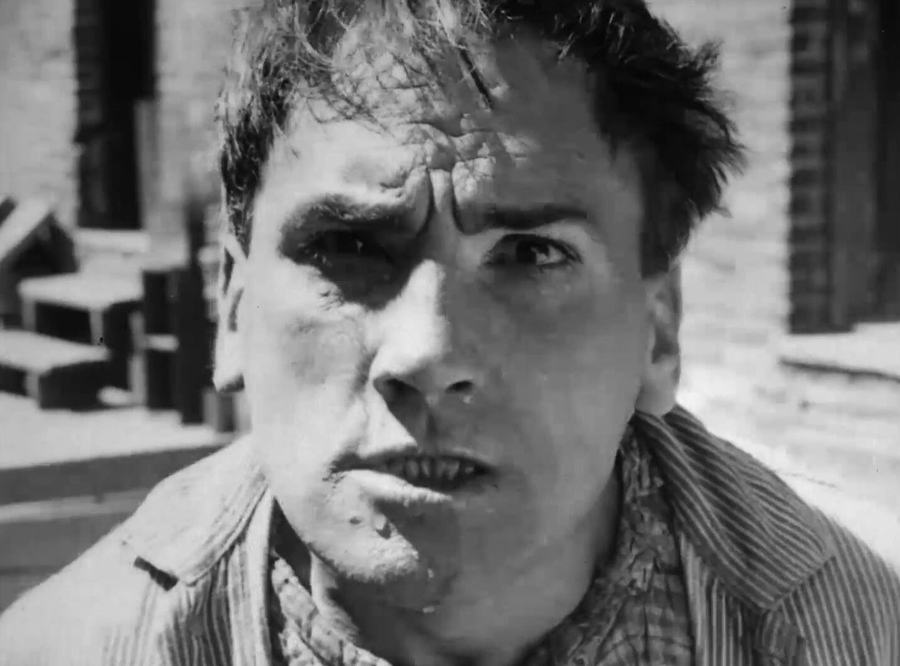
The decision to emigrate, fueled by the pervasive mythos of America as a land of unparalleled opportunity, is painted not as an act of desperation, but of audacious hope. Beppo envisions a future where his hard work will translate into prosperity, allowing him to provide a life of comfort and dignity for Annette, a life far removed from the limitations of their Venetian existence. This idealized vision, however, begins to crack the moment they set foot in the teeming, grimy labyrinth of New York City. The promise of the 'Golden Door' quickly gives way to the suffocating confines of the slums, where the air is thick with the stench of poverty and the cacophony of competing struggles. Beban’s portrayal of Beppo’s gradual realization, from wide-eyed optimism to weary resignation, is nothing short of masterful. His expressive face, a canvas of evolving emotions, communicates volumes without a single spoken word, drawing the audience intimately into his burgeoning despair. This is where The Italian truly distinguishes itself, moving beyond mere melodrama to offer a poignant social commentary that feels remarkably prescient.
The film’s unflinching portrayal of the immigrant experience in early 20th-century America is particularly striking. Unlike some contemporary narratives that might gloss over the darker aspects, The Italian dives headfirst into the squalor, the prejudice, and the crushing weight of systemic disadvantage. Beppo finds work as a bootblack, a meager existence that barely allows him to keep his young family afloat. The dreams of upward mobility, once so vivid, recede into the distance, replaced by the daily grind of survival. Annette, too, is forced to confront a reality far harsher than anything she could have imagined. Clara Williams imbues Annette with a quiet strength, a resilient spirit that slowly, tragically, succumbs to the relentless pressures of their environment. The film effectively uses the urban landscape itself as a character, an oppressive force that looms large over the protagonists, symbolizing the insurmountable obstacles they face. The cramped tenements, the bustling, indifferent streets, and the pervasive sense of anonymity all contribute to a feeling of entrapment, making the audience keenly aware of the characters' dwindling options.
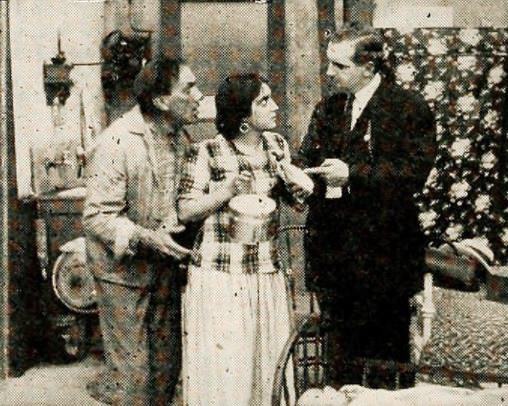
The narrative arc of The Italian is a heartbreaking chronicle of hope's slow demise. As Beppo toils endlessly, his efforts are insufficient to shield his family from the dire consequences of their impoverished circumstances. The most devastating blow comes with the illness of their infant child, a tragedy exacerbated by their inability to afford proper medical care or even adequate living conditions. This specific plot point, while not explicitly detailed in the brief synopsis, is a common and profoundly impactful trope in films addressing social injustice and poverty, and it is here that the film’s emotional core truly takes hold. The loss of a child, a direct consequence of their destitution, shatters Beppo and Annette’s world, stripping away the last vestiges of their once-bright future. Aggie Herring and Leo Willis, in their supporting roles, contribute to the tapestry of the tenement life, embodying the various facets of communal struggle and occasional solace, but their presence only underscores the central couple's isolation in their profound grief.
This segment of the film is particularly poignant, showcasing the cruelty of a system that promises much but delivers little to those at its margins. The scene depicting the child's struggle and eventual passing, rendered with the dramatic intensity characteristic of the era, is designed to elicit a powerful emotional response, highlighting the human cost of economic disparity. Beban's portrayal of a father grappling with such an unimaginable loss is gut-wrenching, a raw display of anguish that transcends the limitations of silent film. It’s in these moments that The Italian achieves a level of tragic grandeur, elevating its story beyond individual misfortune to become a universal lament for all those crushed by circumstance. The film doesn't shy away from the brutality of its subject matter, forcing viewers to confront uncomfortable truths about societal neglect and the fragility of life for the underprivileged.
In its stark realism and its focus on the lives of the working poor, The Italian shares thematic commonalities with other works of social commentary from its period, or even slightly later. One cannot help but draw parallels to Upton Sinclair's The Jungle, published a decade prior, which similarly exposed the horrific conditions faced by immigrants and laborers in America's industrial centers. While Sinclair focused on the meatpacking industry, the underlying message of exploitation, shattered dreams, and the dehumanizing effects of poverty resonates deeply in both narratives. Both works serve as powerful indictments of systemic failures, using individual stories to illuminate broader societal injustices. The film's narrative, though fictionalized, feels incredibly authentic, drawing on the real-life experiences of countless immigrants who found the 'streets paved with gold' to be, in fact, paved with hardship and despair.
The directorial choices by Ince and the narrative architecture by Sullivan are commendable for their courage in tackling such grim subject matter in an era often characterized by more escapist fare. They eschew overly sentimental portrayals in favor of a more grounded, albeit still melodramatic, approach to tragedy. The use of intertitles, while a necessity of the medium, is employed judiciously, allowing the powerful visual storytelling and the actors' performances to carry the bulk of the emotional weight. The film's aesthetic, though technically limited by the technology of its time, effectively conveys the oppressive atmosphere of the slums. Dim lighting, crowded sets, and a general sense of visual clutter contribute to the feeling of claustrophobia and despair, effectively mirroring the characters' internal states. This thoughtful approach to visual storytelling ensures that the film's message is delivered with maximum impact, leaving an indelible impression on the viewer.
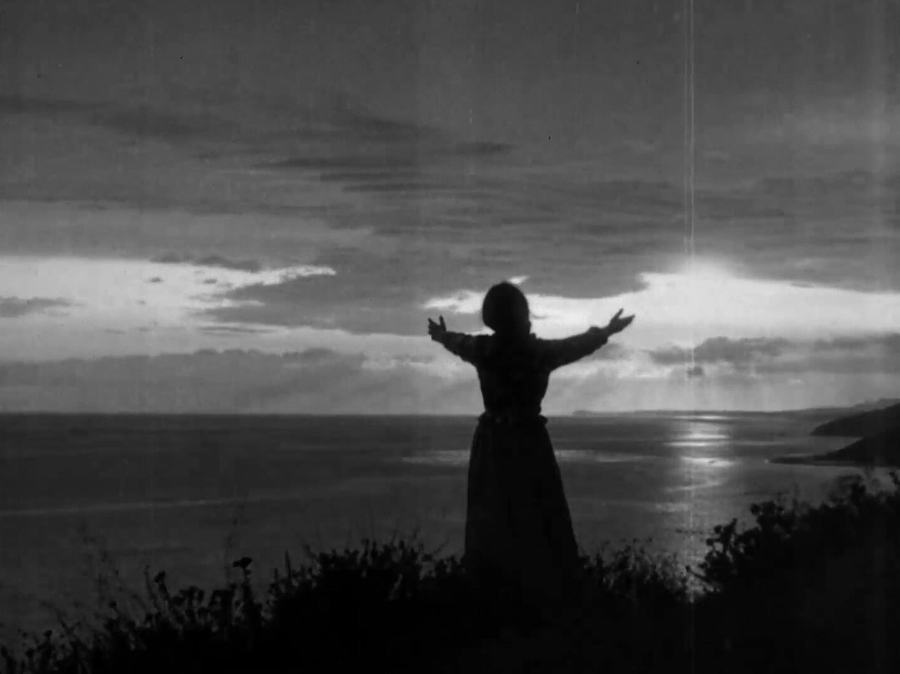
No discussion of The Italian would be complete without a more dedicated analysis of George Beban’s central performance. Beban, often typecast in 'ethnic' roles, here transcends mere caricature to craft a character of immense dignity and heartbreaking vulnerability. His Beppo is not just an Italian immigrant; he is a universal figure of struggle, a man whose capacity for love and hope is slowly, agonizingly crushed by forces beyond his control. His physical acting, from the initial buoyancy of his Venetian gondolier to the slumped shoulders of a broken man, is remarkably expressive. The subtle shifts in his gait, the haunted look in his eyes, the way he carries himself – all contribute to a performance that feels deeply authentic and profoundly moving. It's a testament to his skill that he could convey such a complex emotional journey without spoken dialogue, relying solely on gesture, facial expression, and the sheer force of his presence.
Beban’s performance is particularly noteworthy for its ability to evoke empathy without resorting to overt appeals for pity. His Beppo is a proud man, initially unwilling to bend, and his gradual capitulation to despair feels earned and devastating. The scenes where he attempts to find work, facing rejection after rejection, are particularly potent, highlighting the systemic barriers faced by immigrants and the psychological toll of constant struggle. The film subtly critiques the very notion of the 'American Dream' by showing how it remains tantalizingly out of reach for so many, regardless of their work ethic or inherent goodness. Beban, along with Clara Williams as Annette, creates a believable and deeply sympathetic couple whose plight becomes a microcosm of a larger societal issue. Their chemistry, though understated, underscores the tragedy of their separation, both physically and emotionally, as their dreams disintegrate.
While the film undeniably utilizes elements of melodrama, a hallmark of early cinema, it elevates itself beyond simple emotional manipulation through its unwavering commitment to social commentary. The Italian is a powerful exploration of class disparity, xenophobia, and the inherent challenges of cultural assimilation. It exposes the fallacy of a meritocratic society when systemic barriers prevent individuals from ever truly competing on a level playing field. The film suggests that for many, particularly those arriving from different cultures and economic backgrounds, the 'American Dream' was less a pathway to prosperity and more a cruel illusion, leading to lives of unrelenting toil and profound disappointment. The writers, Ince and Sullivan, do not offer easy answers or saccharine resolutions; instead, they present a stark, unvarnished depiction of life at the bottom, forcing the audience to confront uncomfortable truths about their society.
The enduring relevance of The Italian lies in its timeless themes. The struggle of immigrants seeking a better life, the devastating impact of poverty on families, and the societal indifference to suffering are issues that continue to plague communities globally. Watching this film in the 21st century, one is struck by how little some fundamental aspects of the human condition, and indeed societal structures, have changed. It serves as a potent reminder that while the specific circumstances may evolve, the core challenges of inequality and the search for dignity remain constant. Films like Samhällets dom (Society's Judgment) or Das Recht aufs Dasein (The Right to Exist), though from different national cinemas, share a similar spirit of social critique, exploring how societal norms and structures can condemn individuals to predetermined fates. The Italian stands as a significant early example of cinema’s capacity to not just entertain, but to provoke thought, foster empathy, and advocate for social change.
In conclusion, The Italian is far more than a historical artifact; it is a powerful, deeply moving work of art that deserves renewed attention. Its narrative simplicity belies a profound emotional complexity, driven by exceptional performances from George Beban and Clara Williams, and guided by the thoughtful direction and writing of Ince and Sullivan. It’s a film that bravely confronts the darker side of the 'American Dream,' reminding us that for every success story, there are countless others whose hopes were dashed against the unyielding rocks of poverty and prejudice. The film’s lasting impact lies in its ability to humanize the immigrant experience, transforming statistics into deeply felt personal tragedies. It compels us to look beyond the headlines and into the lives of individuals, urging a greater understanding and compassion for those who seek a better life, only to find themselves ensnared in cycles of despair. Its legacy is one of empathy, realism, and a timeless critique of societal structures that perpetuate inequality. This is a film that, despite its age, speaks volumes to the present, a testament to the enduring power of cinema to reflect and shape our understanding of the human condition.

IMDb 6.6
1931
Community
Log in to comment.