DbcultAccessing Vault...
Cult Review
Senior Film Conservator
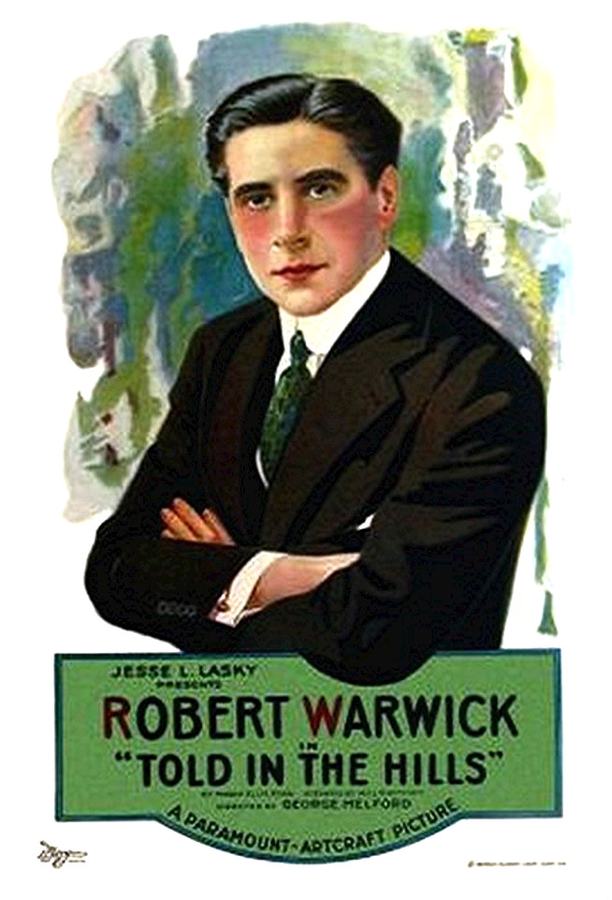
The silent era, a crucible of raw cinematic expression, often served as a grand canvas for narratives steeped in profound human drama, sweeping landscapes, and the nascent stirrings of a national identity. Among these, Told in the Hills emerges as a compelling exemplar, a tapestry woven with threads of betrayal, sacrifice, and the rugged individualism that defined the American frontier. This is not merely a film; it is a meticulously crafted fable of moral complexity, a testament to the enduring power of love and redemption against a backdrop of unforgiving wilderness and societal constraint.
The narrative's genesis lies in a solemn promise, a dying matriarch's plea for her beloved ward, Ann Belleau, to be nurtured and protected by her two sons. This sacred trust, however, is almost immediately fractured by the impetuous and self-serving actions of Charles Stuart. His clandestine liaison with Ann, culminating in her abandonment for a more advantageous marriage in the bustling urbanity of New Orleans, sets a tragic trajectory. Charles, portrayed with a certain feckless charm by Tom Forman, embodies the seductive allure of immediate gratification, a stark contrast to the film's more morally grounded protagonists. His choices reverberate through the lives of those around him, initiating a chain of events that will span vast geographical distances and test the very fabric of familial loyalty.
In the wake of this betrayal, the elder brother, Jack Stuart, steps forward, his character a beacon of quiet rectitude. Robert Warwick, a stalwart of the silent screen, imbues Jack with an understated nobility, a man whose sense of honor outweighs personal desire. His decision to marry Ann, not out of romantic love but out of a profound commitment to legitimizing her unborn child and preserving her dignity, is a pivotal moment. It speaks volumes about the era's societal pressures and the personal sacrifices individuals were compelled to make. This act of selflessness, however, comes at a cost. Jack, burdened by the weight of this surrogate family and the lingering shadow of his brother's transgression, seeks solace and anonymity in the untamed expanse of the Montana frontier. It's a classic trope, the man escaping his past, but here it's rendered with a particular poignancy, highlighting the deep internal conflict within Jack.
Renowned as "Genesee Jack," Warwick's character carves a new identity amidst the rugged peaks and valleys of Montana. His deliberate avoidance of "white women," a fascinating and perhaps problematic narrative choice, underscores his desire to sever ties with the complexities and disappointments of his former life. This is a man seeking a primal existence, a direct connection to the land that offers a stark contrast to the social artifice he left behind. Yet, the heart, as the poets often remind us, is a willful organ. Rachel Hardy, embodied by the luminous Ann Little, emerges as a force of nature, a woman whose spirit is as untamed and authentic as the landscape itself. Their courtship is a dance of caution and burgeoning affection, a slow burn that feels genuinely earned. Little's portrayal likely brought a vibrant energy, a counterpoint to Warwick's brooding intensity.
The film deftly navigates the burgeoning romance through a series of dramatic tests. The discovery of a Native American woman in Jack's cabin, and his cryptic declaration of being "an Indian himself," presents a moment of profound cultural and personal friction. This particular plot point, while potentially problematic through a modern lens, offers a fascinating glimpse into early 20th-century cinematic representations of race and identity on the frontier. It challenges Rachel's preconceptions and, crucially, deepens her understanding and unwavering acceptance of Jack. Her love, rather than faltering, strengthens, cementing her as a character of remarkable fortitude and open-mindedness. This echoes, in a sense, the challenging societal norms explored in films like As Man Made Her, where a woman's strength and moral compass are tested against prevailing social judgments.
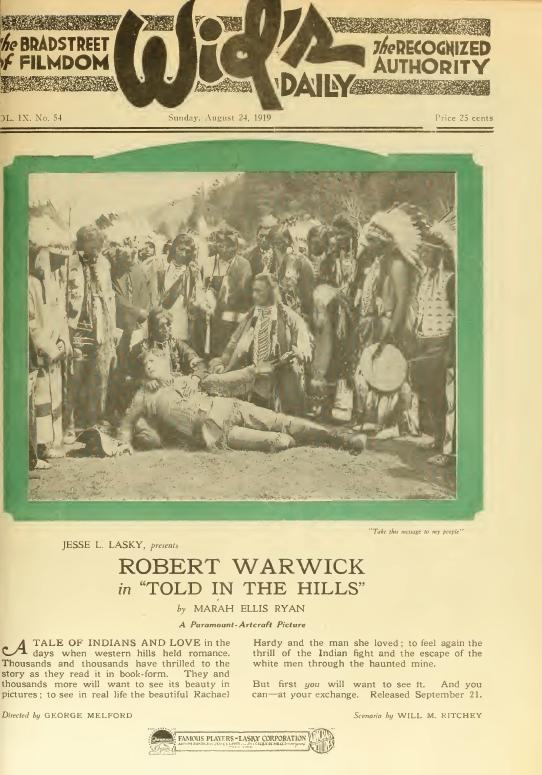
The narrative takes a darker turn with the accidental killing of a young Kootenai chieftain. This incident, a tragic misunderstanding during a mission of goodwill to the U.S. Cavalry, serves as a catalyst for heightened tension and injustice. Jack, an unwitting pawn in a larger conflict, finds himself unjustly imprisoned. Here, the film delves into themes of systemic injustice and the precarious balance of power on the frontier. The dramatic stakes are significantly raised, pushing the protagonists into a desperate struggle for survival and vindication. The tension inherent in such a setup would have been palpable, amplified by the silent film's reliance on visual storytelling and the audience's emotional investment in the wronged hero. This element of wrongful accusation and the fight for justice is a timeless narrative device, often seen in Westerns, but here it's intertwined with complex racial dynamics.
Rachel's unwavering loyalty shines brightest during Jack's incarceration. Her audacious plan to aid his escape is a testament to her courage and resourcefulness, solidifying her role not merely as a love interest but as an active, vital participant in the unfolding drama. This sequence, undoubtedly a highlight of the film, would have provided ample opportunity for thrilling chase scenes and suspense, characteristic of the era's Westerns and action thrillers. One might draw parallels to the high-stakes escapes and pursuits found in contemporary films like Kick In, where characters are pushed to their physical and emotional limits, or even the intricate plotting of The Mysteries of Myra, albeit without the supernatural overlay. The ingenuity of Rachel's actions underscores a theme of female agency that, while perhaps not overtly feminist by modern standards, certainly grants her a powerful role within the narrative.
The climax is a masterclass in frontier heroics. With U.S. soldiers cornered and surrounded by indigenous forces in a mine, Jack, despite his recent imprisonment and wounds, rises to the occasion. His intimate knowledge of the terrain, specifically a hidden tunnel, becomes the key to their salvation. This act of leading the beleaguered troops to safety is not just a strategic maneuver; it's a powerful statement of his inherent goodness and his commitment to justice, even when he himself has been wronged. The sequence would have been a visual spectacle, a tense ballet of daring and strategic prowess, culminating in a triumphant, if perilous, rescue. The dramatic tension of soldiers trapped, and the unexpected hero emerging from their midst, is a classic cinematic trope, executed here with the heightened stakes of racial conflict and personal redemption. It's a moment where Jack's individual journey converges with a larger, geopolitical crisis, cementing his status as a true frontier legend.
Robert Warwick, as Jack, anchors the film with a performance that likely conveyed immense inner turmoil and quiet strength. Silent film acting, often maligned for its perceived melodrama, was in fact a highly nuanced art form, relying on expressive physicality and subtle facial gestures to convey emotion without spoken dialogue. Warwick, with his commanding presence and chiseled features, would have been adept at communicating Jack's journey from a man burdened by duty to a redeemed hero, his silent anguish and eventual resolve etched across the screen. His portrayal would have been crucial in lending credibility to Jack's transformation and his complex relationship with both Ann and Rachel. Ann Little, as Rachel, brings a necessary vitality and emotional depth, ensuring that the love story feels earned amidst the grand sweep of the Western narrative. Her strength and conviction are crucial counterpoints to Jack's stoicism, providing the emotional core that grounds the epic scope.
The supporting cast, including Eileen Percy, Charles Ogle, and Wanda Hawley, would have contributed to the rich tapestry of characters. Eileen Percy, often known for her vivacious roles, might have brought a contrasting energy to the more dramatic elements, perhaps providing moments of levity or emphasizing the harsh realities of frontier life for women. Charles Ogle, a prolific character actor known for his versatility, would have grounded the narrative with his reliable presence, potentially playing a sympathetic elder or a stern authority figure. Wanda Hawley's role, possibly as Charles's New Orleans bride, would have personified the societal allure that drew Charles away from Ann, a stark reminder of the film's initial betrayal. Tom Forman's portrayal of Charles Stuart, the errant brother, would have had to walk a fine line between villainy and misguided youth, making his eventual repentance all the more impactful. His character serves as the primary instigator of the initial conflict, making his final confession a crucial narrative release.
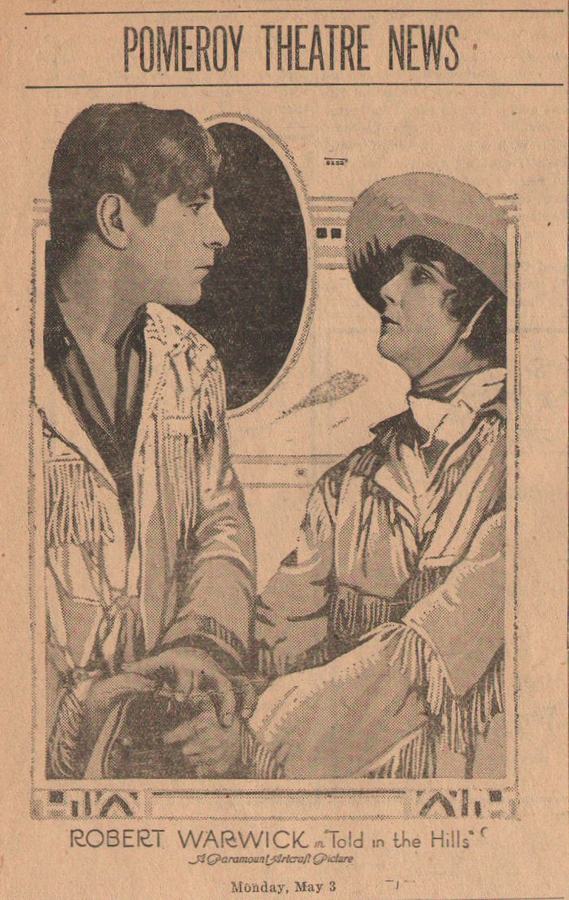
The resolution of the narrative brings a satisfying, if bittersweet, sense of poetic justice. Jack, now wounded but triumphant, finally marries Rachel. This union is cemented by the belated, guilt-ridden confession of Charles, who reveals Ann's death. This revelation, though tragic, absolves Jack of his earlier, purely dutiful marriage, allowing him to embrace a love born of genuine affection and shared struggle. It closes the circle of the initial betrayal, bringing a sense of closure to the long-standing familial wound. The film, in its final moments, suggests that even the deepest transgressions can be overcome through honor, perseverance, and the redemptive power of love. This final act of reconciliation and legitimate union provides a profound sense of catharsis, a fitting culmination to a narrative fraught with moral complexities and personal sacrifice. It reinforces the idea that true love, forged in adversity, is ultimately triumphant.
Told in the Hills, adapted from Marah Ellis Ryan's work by Will M. Ritchey, is more than just a Western; it's a profound exploration of personal responsibility and the search for identity. Ryan's literary background often imbued her stories with a lyrical quality and a deep understanding of human psychology, elements that Ritchey would have had to translate visually. The film grapples with themes of duty versus desire, the complexities of racial identity in a frontier setting, and the enduring strength of love in the face of adversity. Its depiction of the Native American community, while potentially a product of its time, suggests a more nuanced approach than many contemporary films, especially with Jack's ambiguous claim of indigenous heritage. This could be contrasted with the more overt exoticism or villainization seen in some early cinema, and perhaps even compared to the romanticized portrayals in films like Carmen, which often dealt with "otherness" through a specific, often orientalist, lens. The film's willingness to engage with these complex themes elevates it beyond a simple adventure story.
The visual language of silent Westerns, often characterized by sweeping vistas and dramatic close-ups, would have been crucial here. The grandeur of the Montana landscape would not just be a backdrop but an active participant, mirroring the internal struggles and vastness of the characters' emotions. Imagine panoramic shots emphasizing Jack's solitude, or tight close-ups capturing Rachel's unwavering resolve. The use of intertitles, far from being a mere necessity, was an art form in itself, guiding the audience through the narrative and providing crucial emotional context. A skilled director of this era would have artfully employed these tools to create a gripping and emotionally resonant experience, ensuring that every gesture, every landscape shot, every written word contributed to the overall impact. The interplay between the visual and textual elements was a hallmark of successful silent filmmaking.
Comparing it to other films of its era, Told in the Hills seems to possess a narrative complexity that elevates it beyond a mere action-adventure. While films like True Blue might have focused more on straightforward heroics and clear-cut good versus evil, and The Cup of Life delved into urban moral dilemmas and social commentary, Told in the Hills synthesizes personal tragedy with epic frontier drama, offering a richer, more multifaceted experience. It touches upon the struggles of women in a patriarchal society, albeit within a distinctly different setting, much like The Strange Case of Mary Page or Our Mutual Girl, where female protagonists navigate challenging social landscapes. The film's exploration of hidden truths and the far-reaching consequences of past actions also resonates with the dramatic tension found in titles like The Mysteries of Myra, albeit without the supernatural elements, focusing instead on the very human mysteries of the heart and conscience. This capacity for blending genres and themes speaks to the ambition of early filmmakers.
The very existence of such a nuanced narrative in the silent era speaks volumes about the sophistication of early filmmaking and audience expectations. These were not simplistic tales; they were often sprawling epics that demanded emotional investment and an appreciation for visual storytelling. The absence of spoken dialogue often forced filmmakers to be more inventive, relying on symbolism, montage, and the sheer power of performance to convey their message. The enduring appeal of Westerns, then as now, lay in their ability to explore fundamental human struggles against a vast, often unforgiving backdrop, a genre that frequently served as a crucible for American myths and ideals. Told in the Hills is a prime example of this tradition, using the frontier as a stage for profound personal and moral reckonings.
In essence, Told in the Hills stands as a compelling artifact of a bygone cinematic age, a powerful testament to the enduring allure of the Western genre when imbued with rich character development and profound moral dilemmas. It is a story of a man's arduous journey towards self-discovery and redemption, set against the breathtaking, yet often brutal, canvas of the American West. Its intricate plot, compelling characters, and exploration of complex themes would have undoubtedly captivated audiences then, and its narrative resonance continues to intrigue scholars and enthusiasts of classic cinema today. The film, in its quiet power, reminds us that the hills, indeed, hold many stories, some tragic, some heroic, but all profoundly human. It underscores the idea that even in the vastness of the frontier, personal choices and their consequences echo with an undeniable force, shaping destinies and forging legends. The ultimate triumph is not just in survival, but in the integrity of the spirit, a theme beautifully articulated through Jack and Rachel's arduous journey, culminating in a deeply satisfying, earned resolution that leaves a lasting impression on the viewer's imagination.
IMDb —
1935
Community
Log in to comment.