DbcultAccessing Vault...
5.7/10
Senior Film Conservator
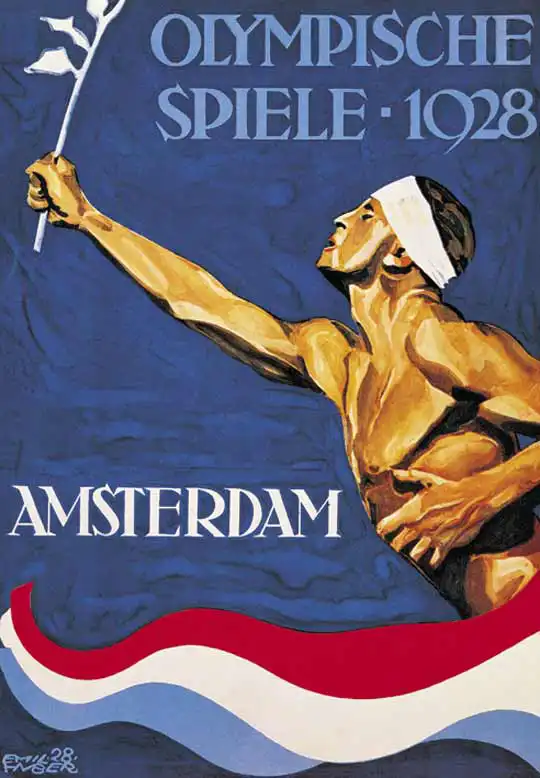
A definitive 5.7/10 rating for a film that redefined the boundaries of cult cinema. The IX Olympiad in Amsterdam remains a cornerstone of transgressive art.
Alright, let’s be real upfront: if you’re looking for a fast-paced, high-octane sports documentary with slick editing and dramatic music, The IX Olympiad in Amsterdam is absolutely not it. This 1928 film is a *very* different beast. It’s definitely worth watching today, but only if you have a specific kind of curiosity – maybe you’re a serious sports historian, an Olympic fanatic, or just really into early cinema. Anyone else, expecting modern entertainment, will probably find it a bit of a slog, honestly. 😴
The film opens with these almost stately shots of the stadium, all grand and imposing for its time. You can practically *feel* the importance of the event, even without a single word spoken on screen for most of it. It’s not just a sports venue; it’s a whole statement.
One thing that really sticks out is the sheer *lack* of close-ups. Everything feels quite distant, like we’re spectators in the nosebleed seats. This actually gives it a peculiar charm, though. It’s like peeking through a window into the past, rather than being spoon-fed every reaction.
The athletes themselves are something else. You see them running, jumping, throwing, and there’s this raw, unpolished energy to it all. No fancy compression gear, just pure athleticism. Some of the long-distance runners look utterly exhausted, faces strained, and it’s surprisingly compelling.
There's a sequence with the divers that’s particularly striking. They just launch themselves, often with less grace than you’d expect from today’s Olympians, but with such a bold, almost reckless abandon. The splashes are huge, and the water looks incredibly cold. 🥶
And the crowd shots! They’re not always super clear, but you get these glimpses of people in their 1920s finery, hats, coats. Everyone looks so *proper* even when cheering. It’s a stark contrast to how fans dress at sporting events today. Sometimes the camera just lingers on them for a bit, almost as if it’s wondering what they’re thinking.
The editing is… well, it’s 1928. Don’t expect quick cuts or dramatic montages. Things unfold at their own pace, sometimes feeling like a series of still photographs that just *happen* to be moving. This means some scenes go on a little long, and you might catch yourself drifting off for a second.
But then, something will grab you. Like the sheer effort visible in a discus thrower’s face, or the rhythmic precision of the rowing teams. It’s in these little moments that the film really shines, offering a genuine, unvarnished look at human endeavor.
There's this segment, quite brief, showing the medal ceremonies. The winners look proud, of course, but there's a certain reserved dignity about it all. Not the emotional outpouring we often see now. It's almost understated, which is **quite interesting** to observe.
What the film *doesn't* do is try to tell a story or build suspense. It’s a record, pure and simple. It documents, rather than interprets. And that’s its biggest strength, in a way. It doesn't get in its own way. It just presents.
I found myself wondering about the folks who originally watched this, maybe in a local picture house. What did *they* make of it? Did it feel slow to them too, or was this the height of cinematic sports coverage? That's the kind of tangent this film sends you on.
Overall, The IX Olympiad in Amsterdam is less a movie and more a **living archive**. It's not something you put on for a casual Friday night, but if you approach it as a historical artifact, a window into a truly different era of sports and filmmaking, it's quite rewarding. It reminds you how much has changed, and how some things, like the human drive to compete, really haven't. It’s imperfect, sure, but in its imperfections, it feels *real*.
Oh, and didja notice the really long, almost theatrical bows some of the officials take? Very formal. And the way the swimming seems to be just… splashing? No streamlined strokes yet!

IMDb 5.8
1926
Community
Log in to comment.