DbcultAccessing Vault...
Cult Review
Senior Film Conservator
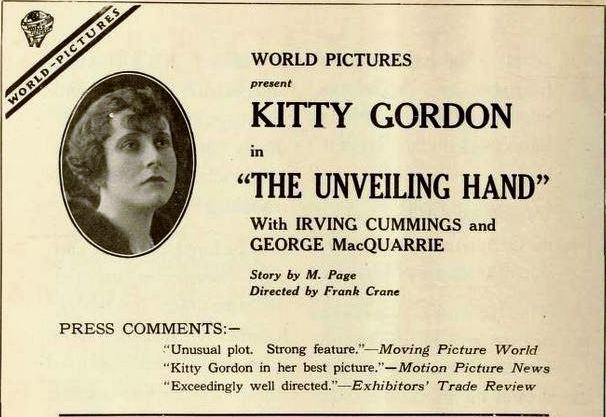
In the shimmering tapestry of early cinema, where grand gestures and stark moralities often painted the screen, The Unveiling Hand emerges as a compelling, if dramatically fraught, exploration of human frailty, ambition, and the relentless grip of fate. This silent-era gem, though perhaps overshadowed by more widely celebrated contemporaries, possesses a raw narrative power that resonates with timeless themes of manipulation, illicit desire, and the ultimate, often violent, cost of deceit. It's a film that demands a re-evaluation, not merely as a historical artifact, but as a potent piece of storytelling that grapples with the dark undercurrents of the human heart.
At its core, the picture, penned by the collaborative vision of Clara Beranger, Mann Page, and Izola Forrester, constructs a labyrinthine plot around Margaret Ellis, portrayed with a compelling blend of vulnerability and nascent strength by Margaret Seddon. Her predicament is immediately palpable: a woman whose personal autonomy is sacrificed on the altar of familial and societal convenience. Her father, a prominent trustee of Calder College, and the formidable mother of Philip Bellamy, an archaeologist of questionable character, conspire to orchestrate a marriage. This union is presented not as a romantic culmination, but as an essential catalyst for Philip’s professional aspirations – specifically, his quest for ancient Greek ruins in the arid expanses of North Africa. Seddon’s portrayal of Margaret is particularly poignant in these early scenes, conveying the subtle nuances of a woman trapped, her smiles perhaps masking a profound inner turmoil. It’s a performance that speaks volumes without uttering a single word, relying on the eloquent language of the eyes and the restrained posture of a lady of her time.
Philip Bellamy, brought to life by Tony Merlo, is a character steeped in the tragic archetype of the ambitious man undone by his own vices. His archaeological pursuit, initially framed as a noble intellectual endeavor, quickly devolves into a mere facade for his escalating alcoholism and moral decay. The narrative skillfully uses his professional quest as a metaphor for his internal landscape: a desperate digging for something profound, only to unearth his own destructive tendencies. Merlo imbues Philip with a certain initial charm, making his descent all the more impactful. We witness his transformation from a driven academic into a self-serving drunkard, a man whose priorities shift from groundbreaking discovery to the next bottle. This portrayal, while perhaps broad in its strokes, is effective in conveying the destructive power of addiction, an issue that resonates even a century later. One might draw a thematic parallel to the destructive ambition seen in films like The Vampires: The Poisoner, where characters are consumed by their desires, leading to their ultimate downfall, albeit through different means.
The expedition itself, a journey into the unforgiving North African desert, serves as a powerful crucible for these burgeoning interpersonal conflicts. The harsh environment mirrors the internal desolation of the characters. When Margaret contracts a debilitating desert fever, the true colors of her companions are starkly revealed. It is Bob Harding, played by Warren Cook, whose steadfast devotion shines through. Cook’s portrayal of Bob is one of quiet strength and unwavering loyalty. He is the moral anchor in a sea of moral ambiguity, providing solace and diligent care to Margaret, a stark contrast to Philip’s self-absorbed neglect. The scene where Philip, consumed by his craving, callously takes the last bottle of brandy – a vital palliative for Margaret – is a pivotal moment, cementing his villainy and highlighting the profound chasm that has opened between husband and wife. It’s a moment of chilling selfishness, rendered all the more impactful by the silent medium, relying on the actors' expressions and the audience's emotional investment.
The character of Hassan, the local guide, portrayed by George MacQuarrie, is introduced not merely as a secondary figure but as a crucial instrument of fate. His simmering animosity towards Philip, born perhaps from cultural clashes or personal slights, adds another layer of tension to the narrative. Hassan is an observer, a silent judge, whose presence foreshadows inevitable retribution. The moment he witnesses the catastrophic collapse of the half-buried ruins, engulfing Philip, is charged with dramatic irony. His subsequent announcement of Philip’s death is not just a report but an act of deliberate agency, a decisive twist of the knife in the narrative's unfolding. MacQuarrie, with limited screen time, manages to convey a deep-seated resentment, making his eventual actions feel both shocking and oddly justified within the film’s moral framework. This element of an outsider playing a pivotal role in the downfall of a central figure echoes the complex interpersonal dynamics found in films like The Other Man, where external forces or hidden observers can dramatically alter the course of lives.
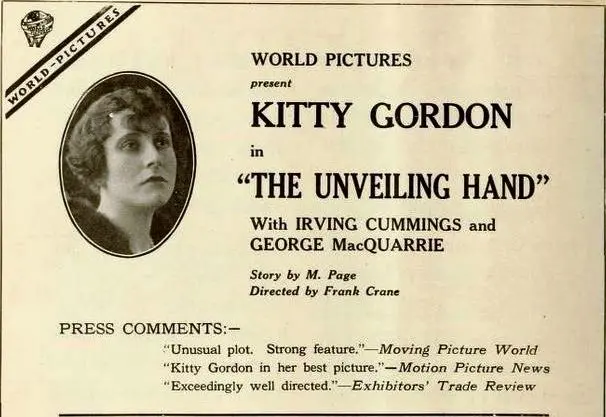
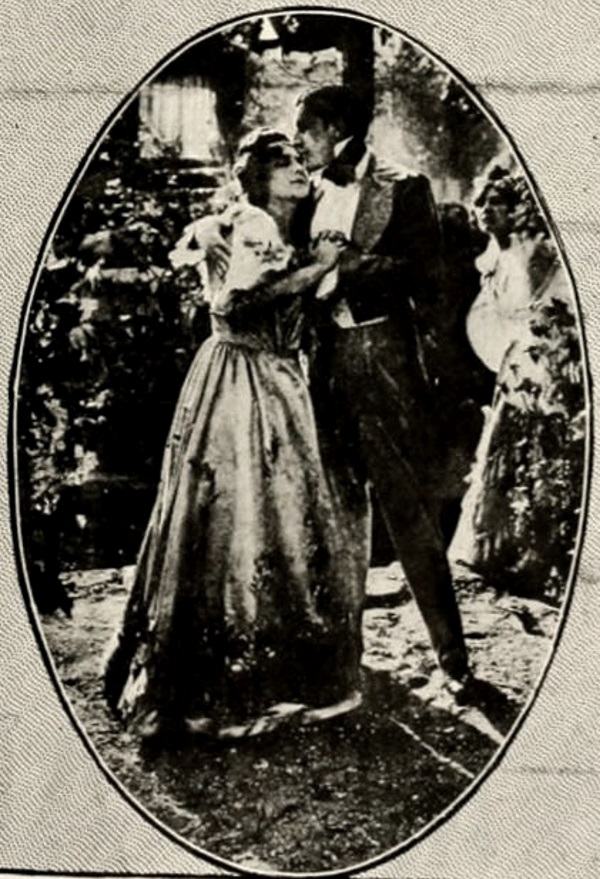
The film then executes a masterful dramatic pivot. Back home, a solemn ceremony unfolds, a commemorative tablet honoring the 'deceased' Philip Bellamy is unveiled, a public acknowledgment of a hero lost to the sands of time. This scene, steeped in the irony of false mourning, serves as a powerful setup for Philip’s dramatic, and indeed, grotesque, return. He reappears not as a heroic revenant, but as a disheveled, hashish-reeking specter of his former self, a man whose supposed death has done little to cleanse his soul. This unexpected resurrection shatters the fragile peace that has begun to settle around Margaret and Bob, who, in Philip's absence, have finally allowed their long-suppressed affections to surface. The scene where Philip overhears their whispered confessions of mutual love is a masterclass in silent film tension. Merlo's physicality, his drunken stumble, the sudden stillness as the words register, all build to a crescendo of raw emotion. It's a moment that could easily veer into melodrama, but the starkness of the silent medium, coupled with the actors' committed performances, lends it a chilling authenticity.
Consumed by a venomous cocktail of jealousy, paranoia, and self-pity, Philip unleashes a torrent of accusations, alleging a sinister plot against his life. His drunken rants, conveyed through exaggerated gestures and desperate facial expressions, paint him as a man completely unhinged. This escalation of conflict leads to a violent confrontation, with Philip threatening Margaret. It is at this critical juncture that Hassan, now employed in the household of Margaret’s physician, reappears, a silent sentinel of justice. His long-held resentment, coupled with the immediate sight of Philip threatening Margaret, culminates in a swift, decisive act of retribution: he stabs Philip to death. This final, fatal act is the ultimate 'unveiling hand' – stripping away the layers of pretense, deceit, and manipulation that have defined the narrative. It’s a brutal, yet narratively satisfying, resolution to the tyranny Philip has inflicted. The film's title, The Unveiling Hand, takes on multiple layers of meaning here: the uncovering of ancient ruins, the revelation of true character, the exposure of deceit, and ultimately, the hand of fate (or perhaps, a more earthly justice) that brings about Philip’s demise.
The resolution, with Philip’s tyrannical shadow finally lifted, allows Margaret to embrace the steadfast love of Bob. Their love, forged in the crucible of shared adversity and unveiled by the brutal hand of fate, represents a triumph of genuine affection over forced obligation. It’s a bittersweet ending, tinged with the violence that paved the way for their happiness, yet ultimately hopeful. The film, in its silent eloquence, manages to convey the enduring power of human connection, even amidst the darkest of circumstances. The final scenes, where Margaret accepts Bob's love, are portrayed with a quiet dignity, suggesting a future built on mutual respect and affection, a stark contrast to the manipulative foundations of her first marriage. This theme of a woman finding true love after escaping a suffocating or abusive relationship is a recurring motif in early cinema, perhaps best exemplified in films like A Woman's Power, which also explored the societal constraints and personal liberation of its female protagonists.
Beyond the compelling narrative, the artistic merits of The Unveiling Hand lie in the committed performances of its ensemble cast. Margaret Seddon, as Margaret Ellis, navigates the character's journey from passive subject to active participant with grace and emotional depth, her expressive eyes conveying volumes in the absence of dialogue. Tony Merlo’s portrayal of Philip Bellamy is a study in escalating villainy, his descent into addiction and paranoia rendered with a theatrical flair characteristic of the era, yet undeniably effective. Warren Cook, as the earnest Bob Harding, provides a grounding presence, his unwavering gaze and supportive gestures anchoring the film’s emotional core. Even in smaller roles, actors like Reginald Carrington, Kitty Gordon, Frederick Warde, and Irving Cummings contribute to the rich tapestry of the film, each adding a brushstroke to the overall picture.
The directorial choices, while not explicitly detailed in historical records, can be inferred from the film’s structure and pacing. The use of the North African desert as a character in itself, the dramatic irony of the commemorative tablet, and the precise timing of Philip’s return all speak to a deliberate and thoughtful approach to storytelling. The writers, Clara Beranger, Mann Page, and Izola Forrester, deserve commendation for crafting a narrative that, despite its melodramatic flourishes, maintains a gripping tension and explores complex human motivations. Their ability to weave together themes of societal pressure, personal vice, and the inevitable consequences of one's actions into a coherent and engaging plot is a testament to their skill. The script manages to balance the grandiosity of an archaeological adventure with the intimate tragedy of a love triangle gone horribly wrong, a difficult feat for any era, let alone the nascent years of cinematic storytelling.
In conclusion, The Unveiling Hand stands as a fascinating artifact of early cinema, a film that, despite its age, resonates with a potent emotional core. It is a testament to the power of silent storytelling, where exaggerated expressions and physical drama communicated universal human experiences. The film's exploration of forced marriage, the corrosive effects of addiction, the quiet strength of true love, and the often-brutal hand of justice remains compelling. It reminds us that even in an era of nascent filmmaking technology, the fundamental human dramas of love, betrayal, and redemption were being explored with profound insight. For those willing to delve into the rich archives of silent cinema, this film offers a journey into a world where moral complexities are laid bare, and the 'unveiling hand' of fate ultimately brings both tragedy and liberation. It’s a powerful reminder that some stories, like ancient ruins, endure, revealing their truths across the ages, much like the enduring appeal of similar narratives found in films such as The Wolf Woman or The Serpent, where primal desires and hidden dangers drive the plot to its dramatic conclusion.
IMDb —
1924
Community
Log in to comment.