DbcultAccessing Vault...
7.8/10
Senior Film Conservator
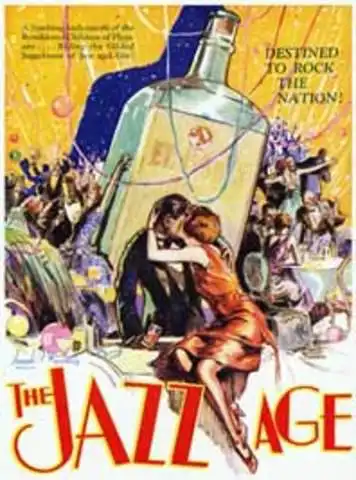
A definitive 7.8/10 rating for a film that redefined the boundaries of cult cinema. The Jazz Age remains a cornerstone of transgressive art.
Okay, so The Jazz Age, right? If you're hoping for something to just pop on after work with a bowl of popcorn, probably skip this one. No shade, but it's a 1929 silent film, and that's a whole different animal.
It's really for folks who dig into film history, or maybe those who genuinely enjoy the quirks and melodrama of early cinema. If you need snappy dialogue or explosions, you'll be pretty bored.
The movie kicks off with Steve Maxwell (Joel McCrea) and Sue Randall (Marceline Day) getting into some real trouble. They're out joyriding, a bit tipsy, and bam 💥, Sue's dad's fancy car is toast. This isn't just a fender bender; it's the kind of mess that sets off a whole chain of bad decisions.
What's kinda wild is how Sue's dad, played by E.J. Ratcliffe, doesn't even blink. He sees this accident not as a problem, but an opportunity. He just… uses it to strong-arm Steve's father into backing some shady city contract. You can almost feel the movie trying to convince you this moment really matters.
Joel McCrea, even this early in his career, has this sort of earnestness to him. He's always looking a bit worried, a bit too serious for the whole flapper scene. Douglas Fairbanks Jr. is also in there, though I confess, his role felt a little bit like he was just there to fill out the dance floor. He’s got that charm, sure, but the script don't really give him much to sink his teeth into.
The whole "Jazz Age" vibe, with all the dancing and reckless abandon, is definitely present. You get these quick cuts of people doing the Charleston, and everyone seems to be having a good ol' time until, you know, the blackmail starts. It's a good look into how those wild times were portrayed on screen back then, maybe a bit sanitized, but the energy is there.
There's this one scene where Steve and Sue are at a party, and the camera just sort of lingers on their faces as they drink. It's not subtle. The message is pretty clear: alcohol leads to bad things. And then, boom, they're in the car, and it's all over. The transition felt a little abrupt, like the editor just cut straight to the chase.
Honestly, a lot of the charm here comes from just watching how films were made a hundred years ago. The way they telegraph emotions with big gestures, the intertitles doing all the talking. It's a specific kind of storytelling. Sometimes the scene goes on about 20 seconds too long, and the silence starts to feel awkward rather than emotional.
The drama really amps up around the blackmail plot. Steve's dad is put in such a tight spot, and you see his struggle. It's not exactly nuanced, but you get the gist. The film wants you to feel for him, caught between his son's mistake and a greedy politician.
In the end, The Jazz Age is a peek into a different era of filmmaking and a pretty straightforward moral tale. It's not a masterpiece, and it probably won't change your life. But if you're curious about how silent films tackled modern issues like reckless youth and political graft, it's definitely got some interesting bits. Just don't expect a thrilling ride. More of a slow, thoughtful wander through a bygone era. 🕰️
One small thing: the crowd scenes have this oddly empty feeling, like half the extras wandered off for a cigarette break. It's kind of funny when you notice it.
IMDb —
1935
Community
Log in to comment.