DbcultAccessing Vault...
Cult Review
Senior Film Conservator
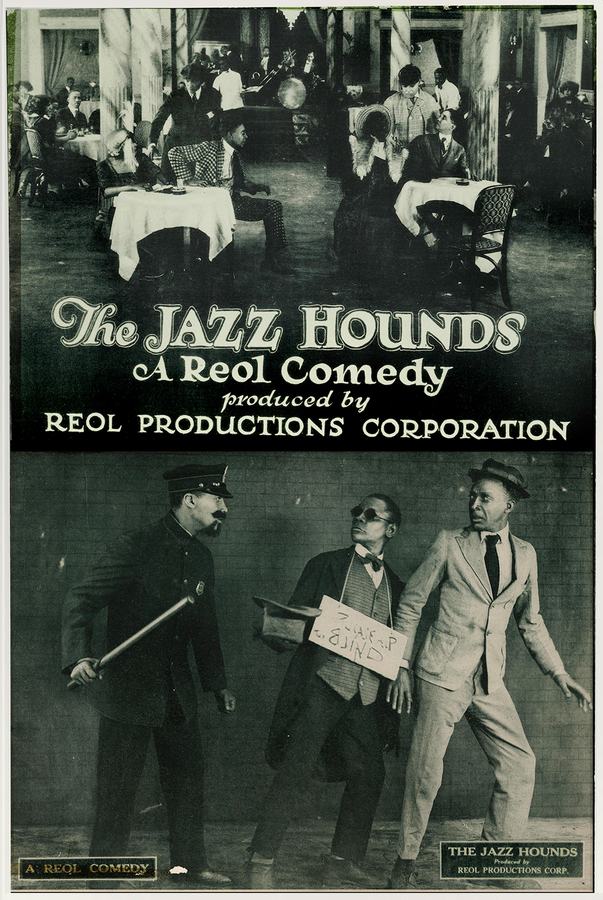
The Jazz Hounds: A Syncopated Symphony of Chaos and Culture
In the smoky, shadow-dappled corners of early 20th-century New York, The Jazz Hounds sways into view like a trumpet solo—sharp, brassy, and unapologetically alive. Directed with a flair for the theatrical and set on the same cabaret stage as The Sport of the Gods, this short narrative comedy is a kaleidoscope of African American jazz culture, blending farcical antics with the raw, unfiltered energy of a genre still finding its voice. Sherman H. Dudley Jr. and Edna Morton anchor the film with performances so dynamic they could single-handedly revive a disused theater. But where does this film stand in the pantheon of silent-era comedies? Let’s unpack its rhythm, its chaos, and its place in the canon.
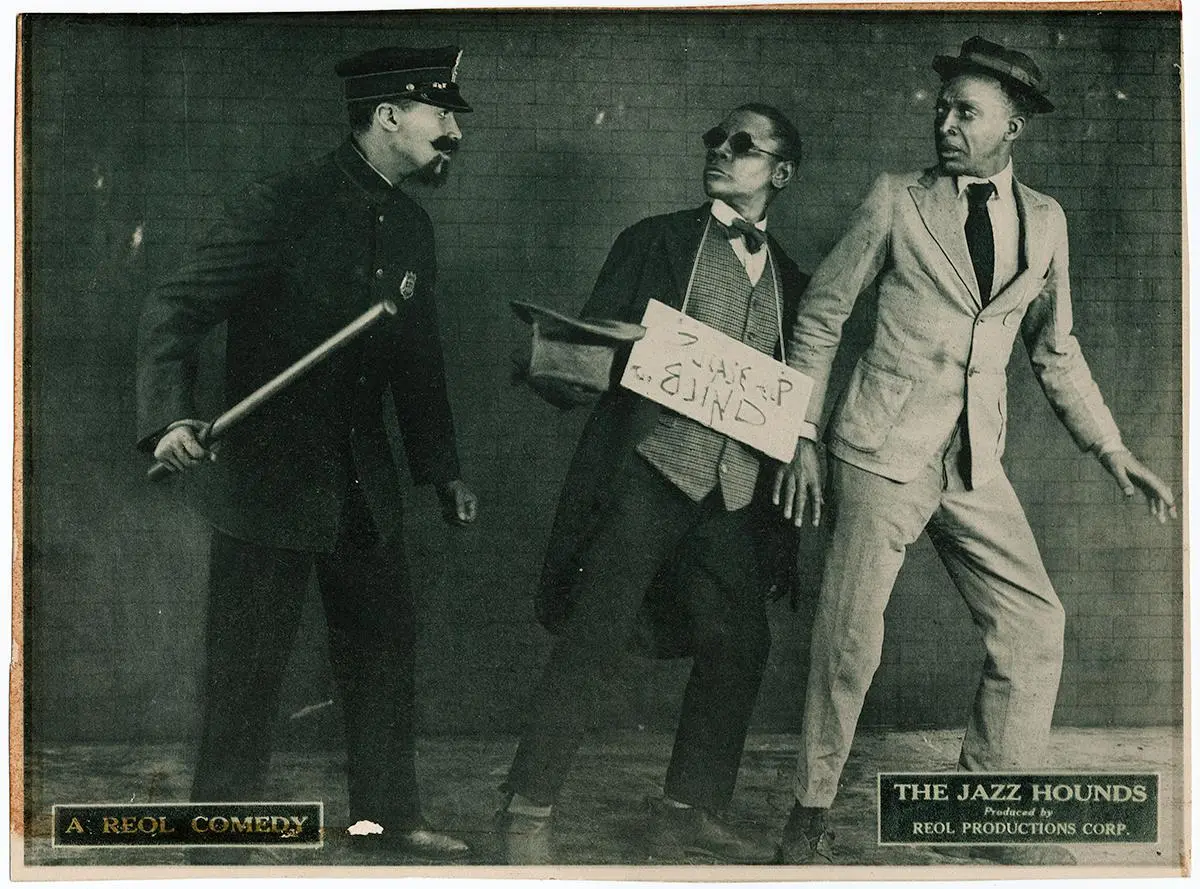
A Plot as Unpredictable as a Jazz Improv
The narrative, if it can be called that, unfolds like a jazz ensemble taking a collective deep breath before launching into a riff. We’re introduced to Dudley’s character, a trumpet virtuoso whose pride in his craft is matched only by his disdain for anything resembling compromise. Edna Morton’s booking agent is his foil—a sharp-tongued, quick-witted force of nature who seems to exist solely to keep him on his toes. Their interactions are a masterclass in comedic timing, whether it’s a slapstick routine involving a misfired prop saxophone or a dance sequence that veers from elegant to absurd in the span of a beat.
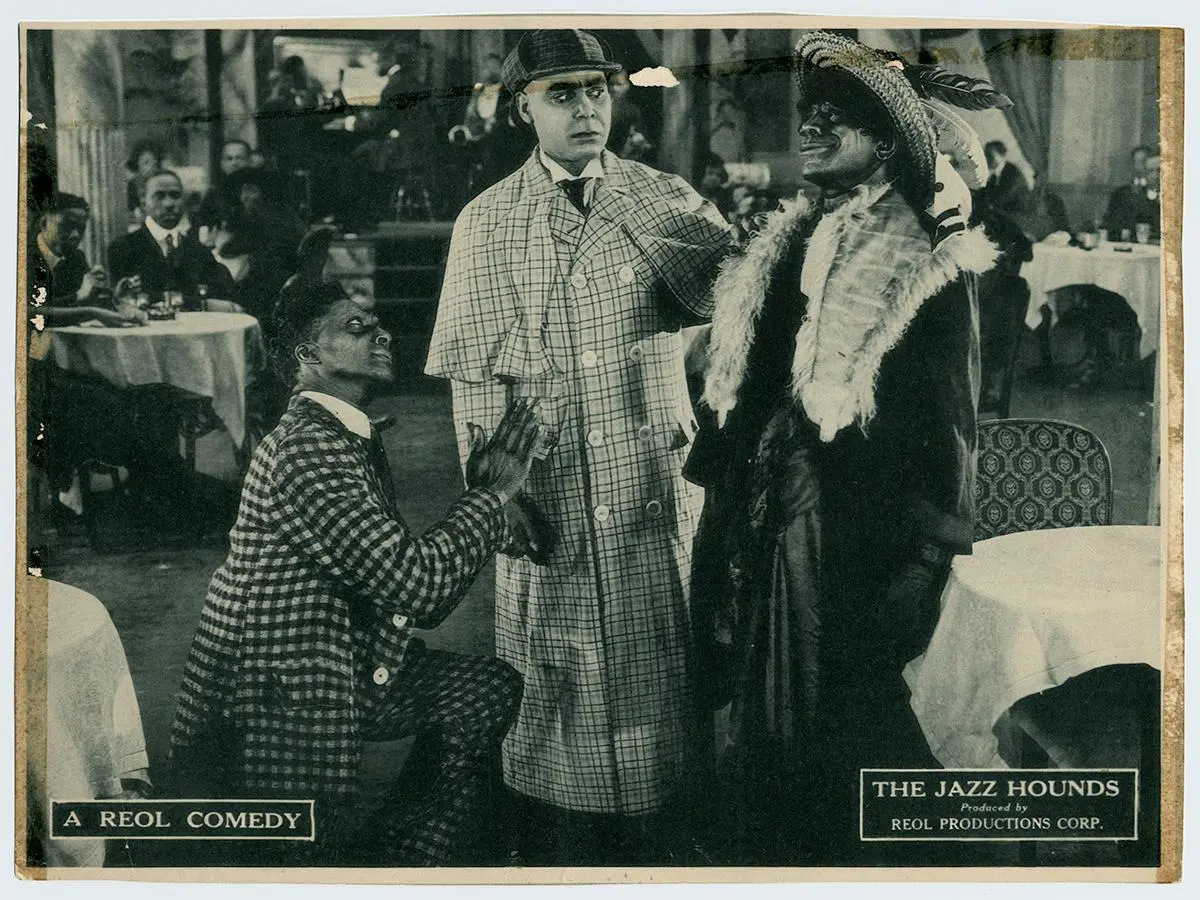
The film’s true genius lies in its structure. The Jazz Hounds eschews traditional three-act pacing in favor of a series of vignettes, each escalating in absurdity like a jazz number building toward a crescendo. A rival band’s ill-fated attempt at sabotage (involving a rubber chicken and a suspiciously flammable curtain) leads to a chase sequence that might make Buster Keaton envious. Meanwhile, Morton’s character grapples with her own duality—ambition versus vulnerability—a theme that echoes through the works of Blue Blood and Red, though with far more double entendres and less blood.
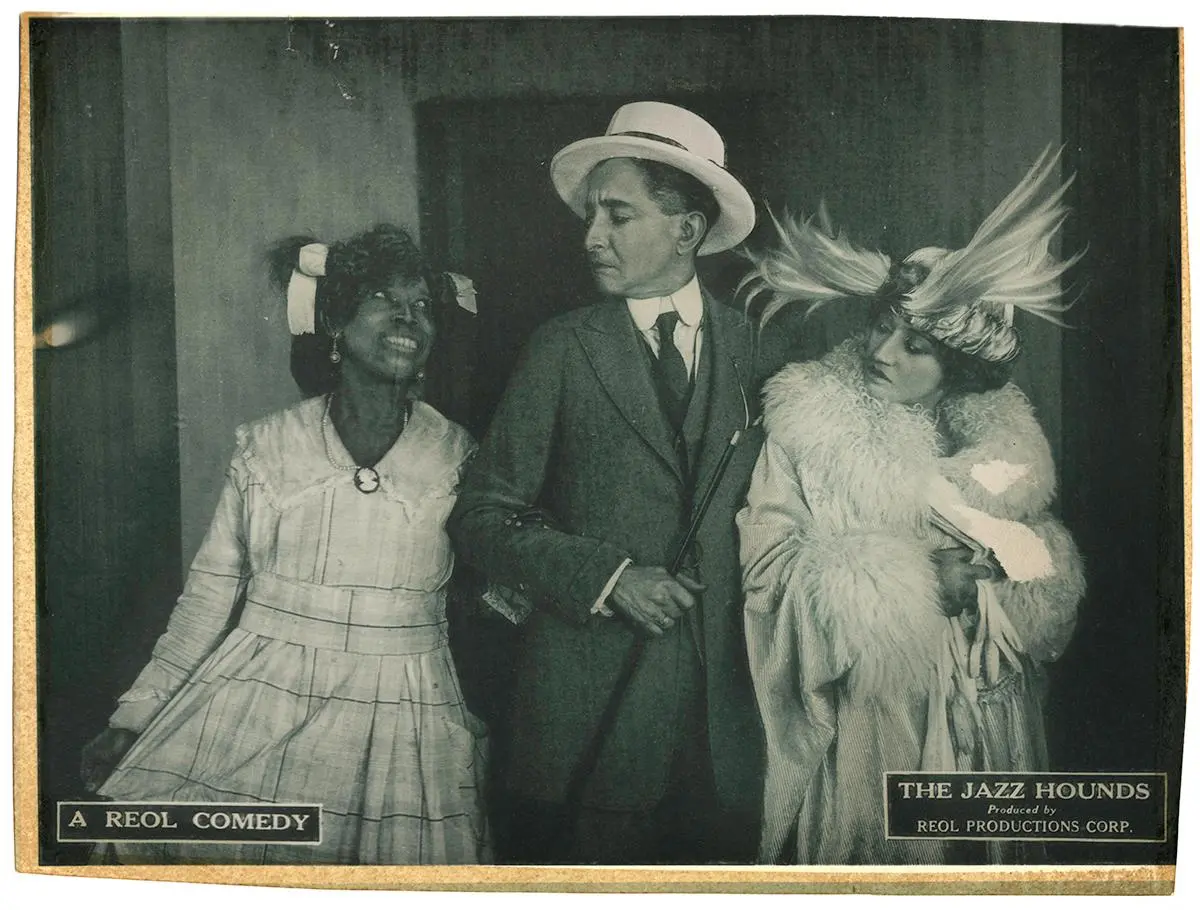
Setting the Stage: Cabaret as Character
The cabaret set, reused from The Sport of the Gods, isn’t just a backdrop—it’s a character. The velvet curtains, gilded mirrors, and flickering chandeliers create a world that feels both opulent and precarious, much like the lives of the performers within. This choice is significant; by recycling the set, the filmmakers nod to the economic realities of early cinema while grounding The Jazz Hounds in a tangible sense of place. The space is a microcosm of the jazz age’s contradictions—opulence amid poverty, creativity stifled by segregation, and artistry thriving in the margins.

Performances That Sing and Stumble
Sherman H. Dudley Jr. is a revelation. His physical comedy—think pratfalls choreographed to syncopated rhythms—dances the line between slapstick and sophistication. In one standout scene, he attempts to impress a wealthy patron by playing a trumpet with his feet, only to be upstaged by a rival who uses a rubber chicken as a conductor’s baton. It’s absurd, yes, but it’s also a metaphor for the precariousness of Black artists in a segregated industry—performing for an audience that rarely sees them as more than a novelty.
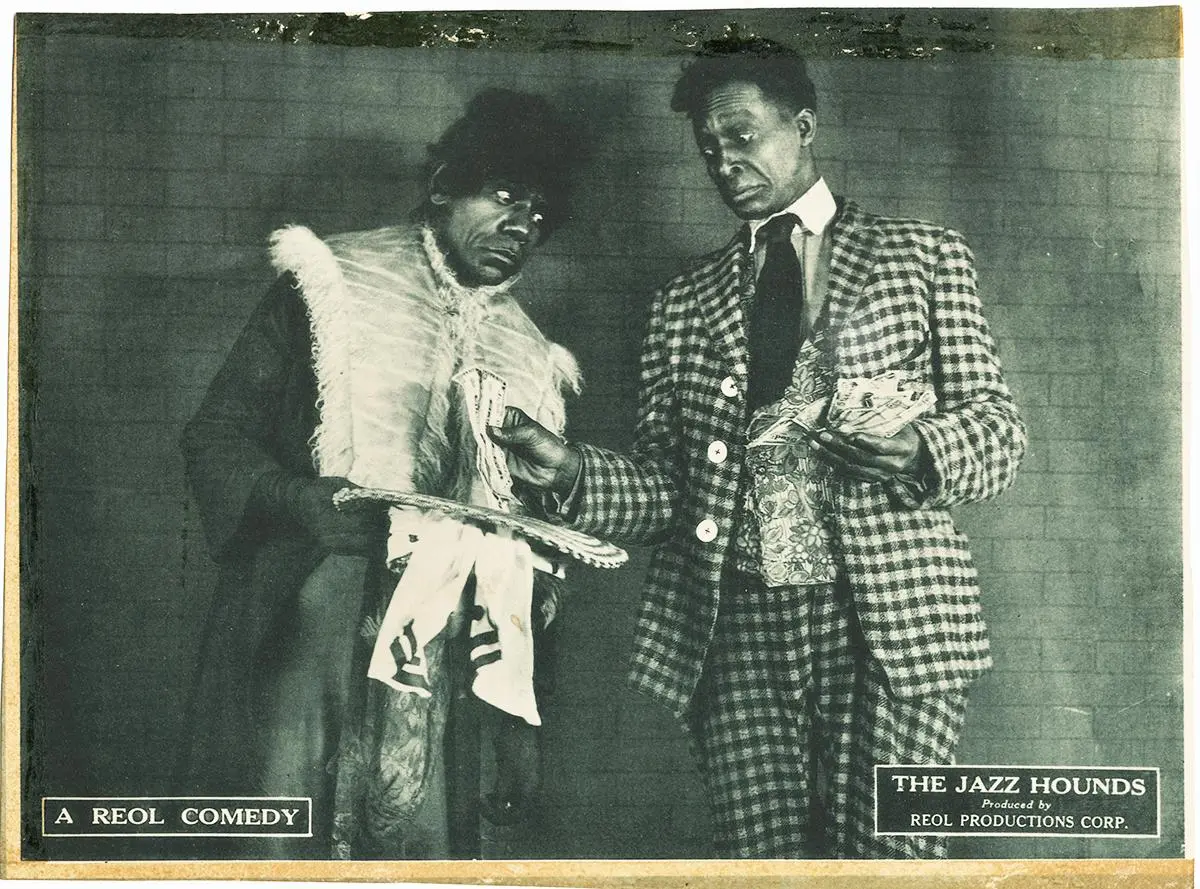
Edna Morton, meanwhile, embodies a complexity that’s rare for female characters of the era. Her booking agent isn’t just a plot device; she’s a woman navigating a male-dominated world with wit and resilience. In quieter moments, her eyes betray a weariness that suggests a lifetime of code-switching—a theme that resonates with the layered storytelling of The Weakness of Man, though with a jazzier, more playful tone.
The Jazz Hounds and the Jazz Age
What makes The Jazz Hounds endure is its unflinching celebration of jazz as both art form and cultural revolution. The film’s score—a patchwork of ragtime riffs, bluesy solos, and syncopated rhythms—feels less like a soundtrack and more like a living entity. It’s the kind of music that makes you want to shout, to stomp your feet, to defy the silence of a segregated society. This isn’t just a film about jazz; it’s jazz in motion, a visual and auditory homage to a genre that would later shake the world.
Comparisons are inevitable. The film’s slapstick sensibilities owe a debt to Blind Man’s Holiday, while its exploration of racial dynamics finds echoes in Not My Sister. Yet The Jazz Hounds stands apart for its unapologetic focus on Black joy and resilience. It’s a reminder that even in the shadow of oppression, there was room for laughter, for improvisation, for the kind of art that defies categorization.
A Legacy in the Rhythm
Though The Jazz Hounds is a product of its time, it feels strangely modern. Its embrace of chaos, its refusal to adhere to rigid narrative structures, its celebration of marginalized voices—all of it resonate with contemporary audiences hungry for stories that don’t play by the rules. In an era where jazz was still a revolutionary force, this film dared to let the music take the lead, creating a work that’s as much about the feeling of jazz as it is about the notes themselves.
For film historians, The Jazz Hounds is a treasure trove of early cinematic experimentation. For jazz enthusiasts, it’s a love letter to the genre’s roots. And for anyone who loves a good laugh delivered with the precision of a well-timed cymbal crash, it’s a masterclass in comedic timing. It’s a film that demands to be seen, heard, and felt—a reminder that even in the darkest corners of history, there is always room for rhythm, for rebellion, for the kind of joy that can’t be silenced.
IMDb —
1913
Community
Log in to comment.