DbcultAccessing Vault...
7.1/10
Senior Film Conservator
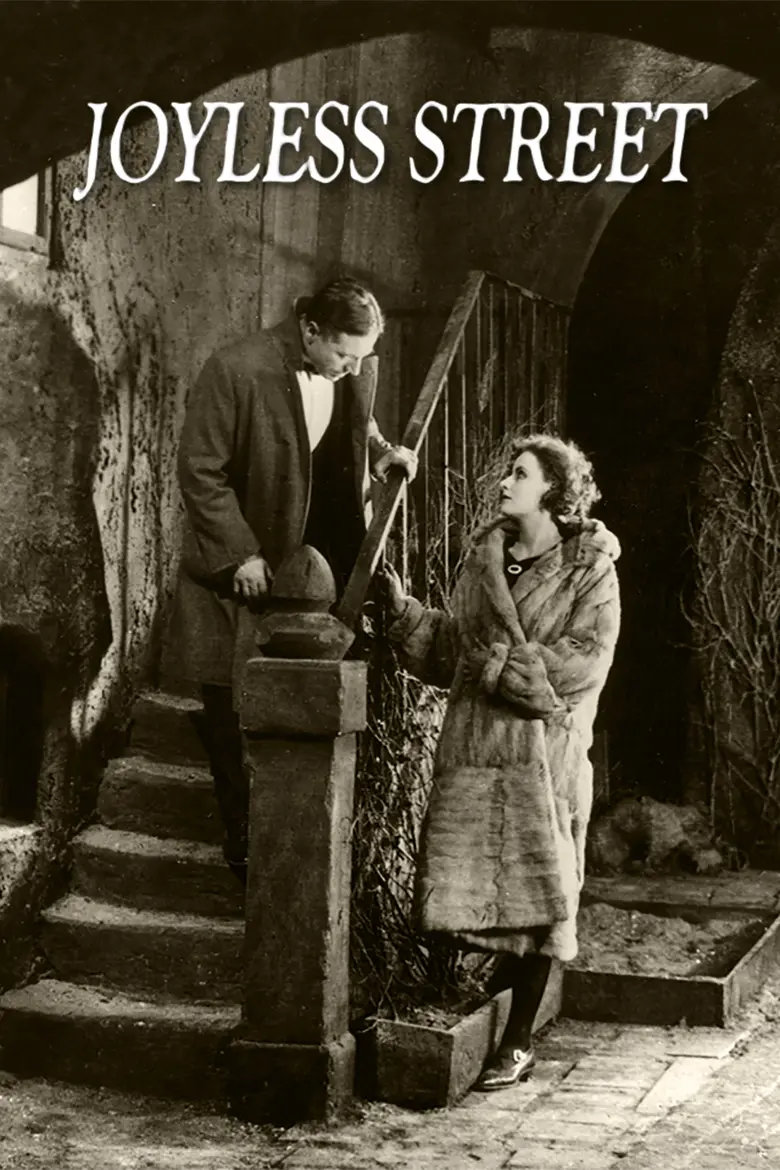
A definitive 7.1/10 rating for a film that redefined the boundaries of cult cinema. The Joyless Street remains a cornerstone of transgressive art.
Stepping into the world of G.W. Pabst's 1925 masterpiece, The Joyless Street (Die freudlose Gasse), is to embark on a journey into the stark, uncompromising heart of post-World War I Vienna. This is not the waltzing, romanticized city of imperial grandeur, but a metropolis suffocated by hyperinflation, rampant poverty, and a profound moral decay that permeates every cobblestone and tenement wall. Pabst, a director with an unparalleled eye for social realism, crafts a narrative that is less a plot and more a living, breathing tapestry of human struggle, a testament to the brutal realities faced by ordinary citizens when society itself begins to fray at the seams.
The film, adapted from Hugo Bettauer's controversial novel, centers its gaze on Franziskanergasse, a street that serves as a microcosm of Vienna's suffering. Here, we encounter two young women, both beautiful, both intelligent, yet driven to vastly different fates by the same relentless pressures. There's Greta (the luminous Greta Garbo in one of her early, defining roles), a symbol of fading innocence, whose family – a retired father and a younger sister – clings desperately to a semblance of respectability. Their daily existence is a harrowing ballet of scarcity: the agonizing hunt for a single loaf of bread, the bitter chill of a home devoid of coal, the constant gnawing anxiety of impending eviction. Greta's journey is a heartbreaking exploration of the compromises forced upon those who strive to maintain their dignity in the face of overwhelming destitution. Her wide, expressive eyes, even in the silent era, convey a depth of despair and a flicker of hope that is utterly captivating.
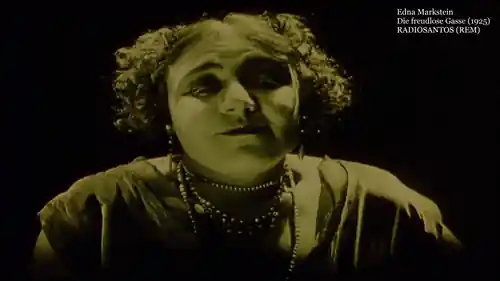
In stark contrast stands Marie (Asta Nielsen), a character whose path has already diverged into the murky waters of survival. Marie embodies the tragic pragmatism born of desperation, having found a precarious existence within the notorious brothel run by the formidable Frau Greifer (Valeska Gert). Nielsen, a titan of early cinema, imbues Marie with a world-weariness and a cynical wisdom that speaks volumes without a single uttered word. Her performance is a masterclass in conveying shattered dreams and hardened resolve, making Marie a figure of both pity and a chilling realism. The film doesn't judge these women; rather, it meticulously lays bare the systemic failures that push them to such extremes, forcing viewers to confront uncomfortable truths about class, gender, and economic injustice.
Pabst's genius lies in his ability to weave individual narratives into a broader social critique. The backdrop of Vienna's post-war hyperinflation is not merely a setting; it is an active, malevolent character in itself. We witness the tangible effects of a currency rendered worthless: mountains of paper money exchanged for a single, precious meal; the frantic scramble for basic necessities; the stark contrast between the squalor of the tenements and the decadent, often illicit, opulence of the wealthy elite who profit from the chaos. This juxtaposition is powerfully underscored by scenes in the butcher's shop, where the ruthless Josef Geiringer (Werner Krauss) hoards vital meat, and in the exclusive night club, where the privileged revel in their ill-gotten gains while the masses starve. Krauss, known for his chilling portrayals, delivers a performance that perfectly encapsulates the greedy opportunism thriving amidst societal collapse.
The film's exploration of economic desperation resonates with a timeless quality, reminding us that such societal fractures are not unique to any single era. One might draw parallels to the grim realism found in other films depicting urban decay and the struggle for survival, though few achieve the raw, unvarnished intensity of The Joyless Street. While a film like Dangerous Days might hint at societal upheaval, Pabst's work delves deeper into the personal toll, the everyday humiliations, and the slow erosion of the human spirit. The pervasive sense of injustice is palpable, a silent scream against a world that has forgotten its most vulnerable.
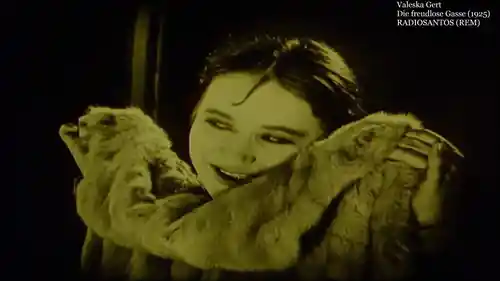
A significant portion of the narrative exposes the burgeoning underworld that offers a desperate escape from poverty, albeit at a terrible cost. The brothel, discreetly yet undeniably central, becomes a nexus where societal norms are inverted and survival dictates morality. Valeska Gert's portrayal of Frau Greifer is a chilling masterclass in predatory charm and cold calculation. Her movements, often grotesque and animalistic, perfectly embody the grotesque nature of the exploitation she perpetrates. The film pulls no punches in illustrating how women, particularly, become commodities in this environment, their bodies and dignity traded for a momentary reprieve from starvation. This theme of exploitation and the moral compromises it engenders is a thread that runs through many social realist films, but The Joyless Street tackles it with a brutal honesty that was groundbreaking for its time.
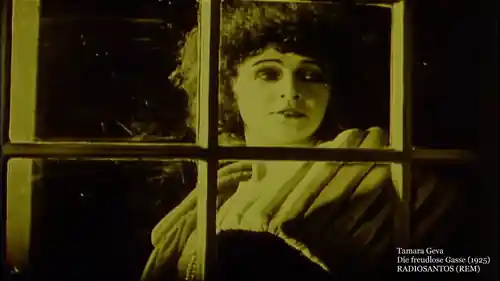
The film also showcases the insidious nature of temptation, particularly for Greta. As her family's situation deteriorates, the glittering promises of a life beyond hunger become increasingly seductive. The advances of wealthy, dubious men, the lure of easy money – these are not presented as simple moral failings but as agonizing choices born of circumstance. The tension between Greta's inherent goodness and the crushing weight of her reality forms the emotional core of the film, making her plight deeply sympathetic. The narrative skillfully avoids simplistic villainy, instead portraying a complex web of victims and perpetrators, all entangled in the broader societal collapse.
Pabst’s directorial style is a fascinating blend of stark realism and subtle expressionism. He utilizes long takes and deep focus to emphasize the claustrophobic environments and the interconnectedness of the characters' fates. The camera often lingers, observing rather than overtly judging, allowing the audience to absorb the grim details of the setting. The chiaroscuro lighting, characteristic of German Expressionism, is employed not for fantastical effect but to heighten the sense of despair and moral ambiguity. Shadows cling to corners, obscuring intentions and highlighting the darkness that pervades the human soul when pushed to its limits. The crowded, smoke-filled interiors of the nightclub, contrasted with the sparse, cold rooms of the tenement, speak volumes about the societal divide without needing a single intertitle.
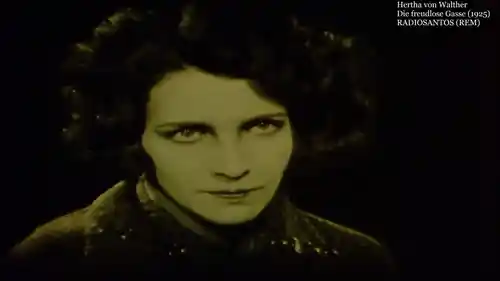
The staging of scenes is meticulous, creating a sense of authentic, lived-in spaces. From the bustling, chaotic street market where food is fought over, to the quiet, desperate moments in Greta’s meager apartment, every frame feels deliberately composed to convey a specific emotional and social truth. This commitment to realism distinguishes The Joyless Street from many of its contemporaries, placing it firmly in the lineage of films that sought to hold a mirror up to society. It’s a powerful cinematic document that, much like the post-war documentaries such as The Battle of the Ancre and the Advance of the Tanks captured the brutal realities of combat, captured the brutal realities of civilian life in its aftermath.
The ensemble cast delivers performances that are nothing short of phenomenal, a testament to the power of silent acting. Greta Garbo, in only her second major film, exhibits an extraordinary screen presence that would soon make her a global icon. Her portrayal of Greta Rumfort is nuanced and deeply moving. She conveys a spectrum of emotions – fear, hope, despair, resilience – with subtle gestures and an unparalleled command of her facial expressions. Her transformation throughout the film, from wide-eyed innocence to a woman hardened by circumstance, is utterly believable and heartbreaking to witness. It's easy to see why she was destined for stardom, even in this bleak, challenging role.
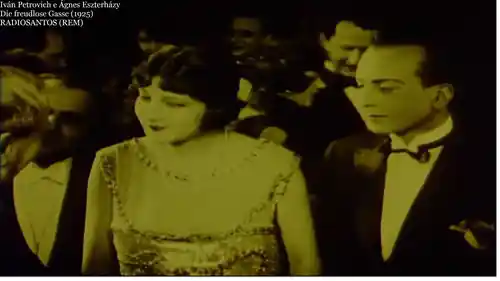
Asta Nielsen, as Marie, provides a compelling counterpoint. Her world-weary cynicism and knowing glances offer a stark contrast to Garbo's youthful vulnerability. Nielsen, already a veteran star, brings a gravitas and depth to Marie that makes her character’s choices understandable, if not always palatable. The scene where she confronts her own reflection, or interacts with the predatory men, are etched with a profound sense of resignation and a flicker of defiance. Her performance, alongside Garbo's, anchors the film in a powerful dual portrait of female resilience and compromise.
The supporting cast is equally compelling. Werner Krauss's butcher is a grotesque embodiment of avarice, his smugness a constant irritant. Valeska Gert's Frau Greifer is a disturbing figure, her dance-like movements and predatory gaze creating a genuinely unsettling presence. Even the smaller roles, like that of the kind-hearted American relief worker played by Einar Hanson, provide moments of fleeting humanity amidst the bleakness. Every actor, it seems, is perfectly attuned to Pabst's vision, contributing to the film's immersive and often suffocating atmosphere.
The Joyless Street stands as a monumental achievement in silent cinema and an essential precursor to the social realist movements that would follow. It bravely tackles themes of poverty, class disparity, gender exploitation, and moral compromise with a fearlessness that remains potent today. The film’s unflinching gaze into the dark underbelly of a collapsing society was controversial upon its release, facing censorship in various countries for its perceived immorality. Yet, it is precisely this audacity to depict uncomfortable truths that gives the film its enduring power.
Its influence can be seen in later films that explore the desperation of marginalized individuals, though few manage to capture the raw, immediate impact of Pabst's original vision. While films like The Flower Girl or The Inner Voice might touch upon personal struggles, The Joyless Street elevates the individual plight to a grand societal indictment. It's a film that doesn't offer easy answers or saccharine resolutions. Instead, it leaves the viewer with a profound sense of the fragility of civilization and the immense resilience, or tragic downfall, of the human spirit when confronted with overwhelming adversity. It is a cinematic experience that stays with you, haunting your thoughts long after the final frame fades to black, a stark reminder of the social responsibility of art.
In conclusion, The Joyless Street is more than just a historical artifact; it is a vibrant, urgent piece of filmmaking that transcends its silent era origins. It's a powerful statement on the human condition under duress, a brilliant showcase for some of cinema's earliest stars, and an enduring testament to the visionary direction of G.W. Pabst. For anyone interested in the social commentary of early cinema, the evolution of acting, or simply a deeply affecting human drama, this film is an indispensable watch. It’s a journey into the heart of darkness, illuminated by the flickering, desperate light of human perseverance.
IMDb 6.9
1934
Community
Log in to comment.