DbcultAccessing Vault...
Cult Review
Senior Film Conservator
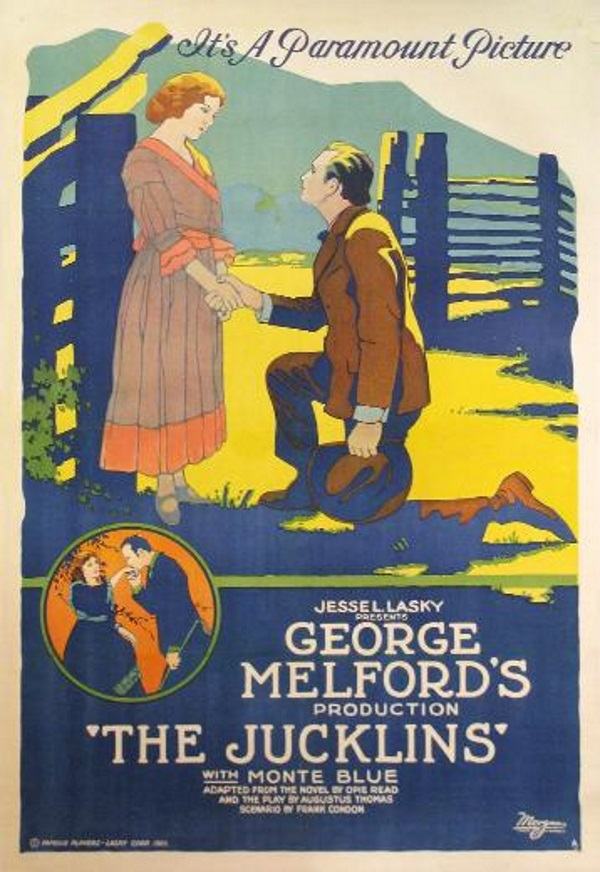
The Jucklins arrives as a silent comedy gem, its 1924 release placing it amidst a golden era of cinematic experimentation. The film’s narrative hinges on the improbable yet charming premise of a wishing rug—a relic of folklore—interacting with the rigid social hierarchies of the American upper class. The protagonist, Betty Baylock, embodies the archetypal debutante: polished, self‑confident, yet yearning for a partner who matches her vivacity rather than her family’s expectations. This yearning leads her to a peddler’s stall, where a humble rug promises the fulfillment of a single desire. The film cleverly juxtaposes the whimsical magic of the rug against the stark reality of financial power plays, creating a narrative rhythm that oscillates between lighthearted mischief and sharp social critique.
\nThe rug, a simple object, becomes a vessel for Betty’s autonomy. In a society that typically dictates a woman’s matrimonial prospects, the rug grants her the agency to dictate her own romantic destiny. The visual of the rug’s shimmering surface, illuminated by the soft glow of a streetlamp, serves as a metaphor for the fleeting nature of wishes and the inevitability of consequences. The film’s director uses the rug as a recurring motif—each time Betty rubs it, the camera lingers on the subtle shift in her expression, hinting at the internal conflict between desire and obligation.
\nRobert Baylock, portrayed by Winter Hall, epitomizes the patriarchal figure who insists on controlling his daughter’s romantic choices. His insistence that Betty select one of the suitors immediately reflects the era’s gender norms, wherein daughters were expected to serve as social instruments for family alliances. Betty’s refusal—her dismissive rejection of all suitors—breaks this mold. The film’s comedic timing during this scene, with exaggerated gestures and witty dialogue, underscores the absurdity of such rigid expectations. It also foreshadows the later conflict involving Jack Grey, whose financial ruin forces him to confront societal expectations of masculinity and success.
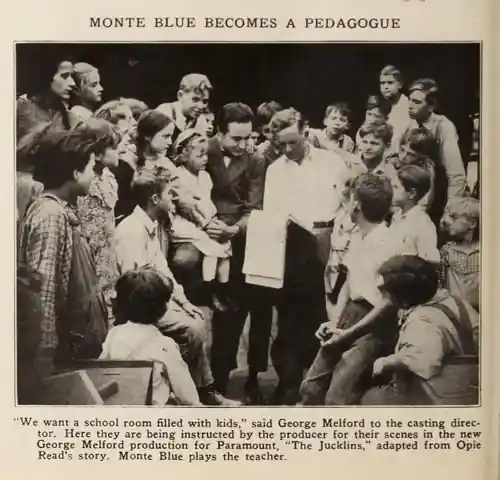
Jack Grey, a character played with gusto by Jack Herbert, begins as a carefree scamp who has squandered a $100,000 inheritance. His fall from grace is portrayed with a blend of pathos and humor, as he navigates the laundry business—an occupation deemed beneath his social standing. The film cleverly uses the laundromat setting to expose the hidden mechanics of the stock market: the peddling of tips, the reliance on insider knowledge, and the moral ambiguities of wealth acquisition. Jack’s discovery of his father’s cuff‑noted stock tips becomes the pivotal plot device that allows him to reverse his fortunes, echoing the classic narrative of the underdog triumphing through ingenuity.
\nThe climax of the film is a silent, almost theatrical duel between father and son. Robert’s order for Jack to earn back his fortune before marriage introduces a moral quandary: is love worth compromising integrity? Jack’s strategy—copying the cuff notes to corner a stock—serves as a critique of the opaque nature of financial advice. The film’s cinematography captures the tension through tight shots of the cuff’s handwritten notes, juxtaposed with sweeping shots of bustling stock exchanges, thereby illustrating the gulf between personal ambition and institutional power. The final scene, where Robert admits defeat and blesses the couple, delivers a subtle yet powerful statement on the possibility of reconciling personal affection with societal expectations.
\nWhen placed alongside other silent comedies of the 1920s, The Jucklins stands out for its blend of fantasy and realism. The film’s whimsical elements recall the lightheartedness of The Cave Man, while its social critique aligns with the more satirical tone of Beresford and the Baboons. In comparison to Sapho (1917), which focuses on a woman’s tragic downfall, The Jucklins offers a more optimistic resolution, suggesting that wit and determination can subvert entrenched hierarchies. The film’s comedic timing also shares affinities with The Matinee Girl, where the protagonist’s agency in romantic choices is foregrounded.
The film’s visual language is a study in contrast. The black backdrop, typical of silent cinema, is punctuated by the warm glow of lamps and the cool hue of sea blue lighting in key scenes, creating a chiaroscuro effect that emphasizes the emotional stakes. The director’s use of intertitles is minimal yet impactful; when employed, they are stylized in a serif font that echoes the period’s typography, reinforcing the film’s historical authenticity. The cinematographer’s choice to frame Betty’s face in close-ups during pivotal moments allows audiences to feel the subtle shifts in her emotions, a technique that predates the more modern close‑up emphasis seen in later films.
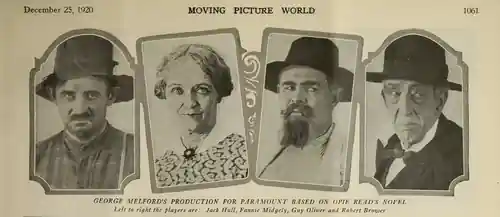
\nWinter Hall’s portrayal of Robert Baylock is a masterclass in paternal authority, balancing sternness with a subtle vulnerability that surfaces when his son’s ingenuity threatens his dominance. Jack Herbert’s Jack Grey is a study in transformation—from carefree scamp to sharp‑witted strategist—captured through physical comedy and expressive facial cues. Supporting actors such as Mabel Julienne Scott and Z. Wall Covington provide a robust backdrop, each delivering performances that enrich the narrative’s social tapestry. The ensemble’s chemistry ensures that the film’s comedic beats land with precision.
\nAt its core, The Jucklins interrogates the tension between inherited privilege and earned merit. The film’s narrative arc demonstrates that while wealth can influence opportunities, it does not guarantee happiness or moral superiority. The symbolic act of the wishing rug suggests that dreams, however fanciful, can be realized through perseverance and ingenuity. The film’s resolution, where the father concedes, underscores a progressive message: personal affection should not be subordinated to societal expectations. This theme resonates with contemporary audiences, reflecting ongoing discussions about agency and class mobility.
\nAlthough The Jucklins is often overlooked in mainstream film history, it remains a critical piece for scholars examining early 20th‑century gender dynamics and economic narratives. The film’s preservation status is noteworthy; restored prints have been screened at film festivals dedicated to silent cinema, where audiences appreciate its blend of humor and social commentary. The film’s influence can be traced in later works that explore the intersection of wealth, romance, and personal agency, such as Undone (if it existed in that era) and modern romantic comedies that challenge traditional matchmaking tropes.
\nThe Jucklins masterfully marries the whimsical allure of a wishing rug with the gritty realities of financial ambition, creating a narrative that is both entertaining and thought‑provoking. Its characters are richly drawn, its themes remain relevant, and its comedic timing is impeccable. For cinephiles seeking a film that transcends its era, The Jucklins offers a delightful journey into the heart of early silent cinema, reminding us that even in the most rigid of social structures, a single wish—coupled with determination—can rewrite destiny.\n
IMDb 5.9
1921
Community
Log in to comment.