DbcultAccessing Vault...
Cult Review
Senior Film Conservator
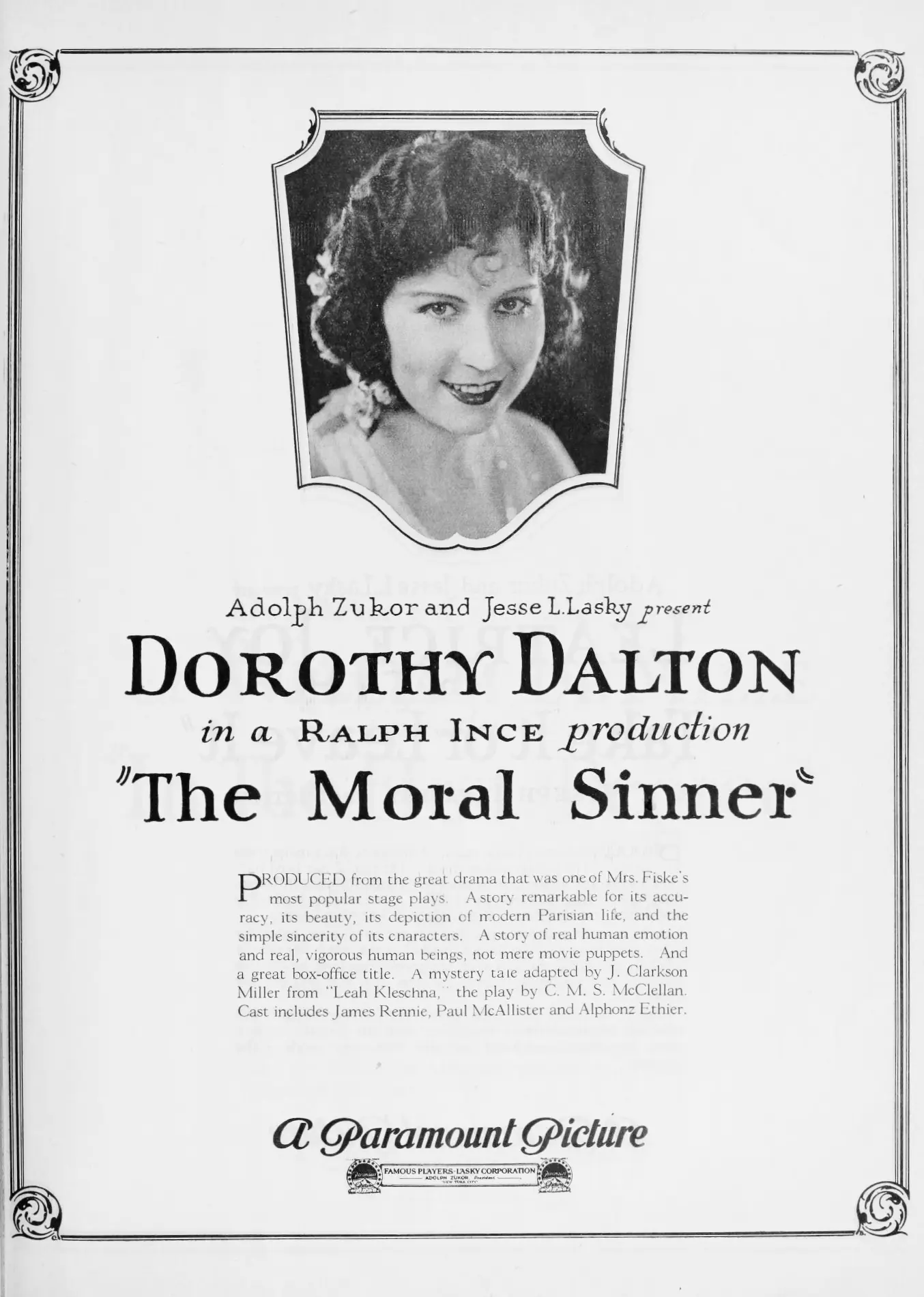
The Moral Sinner, directed by an unknown but talented visionary, masterfully weaves a tale of love, crime, and redemption that reverberates with the spirit of early cinema. The film, set in the bustling streets of Paris, is a visual and thematic feast, capturing the essence of a bygone era with meticulous attention to detail.
Leah Kleschna, played by the enigmatic Florence Fair, is the daughter of a notorious thief. Her life is one of fear and darkness, dictated by her father's associates. This harsh existence is shattered when Paul Sylvain, a wealthy young criminologist portrayed with regal poise by James Rennie, rescues Leah from a burning building. Their meeting is not just a life-saving act but a transformative one, as Leah's eyes are opened to the possibility of a new, more noble path.
Paul's character is the moral anchor of the film. His gentle demeanor and unwavering love for Leah are the forces that guide her away from the criminal underworld. The chemistry between the leads is palpable, with moments of tension and tender moments that are poignantly acted. Alphonse Ethier's Raoul Berton, a French general's son, adds a layer of complexity to the narrative. His betrayal of Leah and Paul's trust is a pivotal moment in the story, driving the plot forward and testing the depths of their love.
One of the most striking aspects of The Moral Sinner is its visual storytelling. The film's production design, particularly the scenes set in Paris, are breathtaking. The contrast between the opulence of Paul's study and the bleakness of Leah's former life is stark and effective. The use of light and shadow to convey emotion is masterful, with Paul's study often bathed in warm, gentle hues, symbolizing hope and new beginnings.
The screenplay, penned by J. Clarkson Miller and C.M.S. McLellan, is a testament to the collaborative art of filmmaking. It masterfully balances the drama of the plot with the emotional depth of the characters. The dialogue is crisp and engaging, and the pacing is deliberate, allowing the audience to fully immerse themselves in Leah's journey. The film's climax, where Leah retrieves the stolen diamonds and works alongside the peasants, is a powerful statement on the transformative power of love and sacrifice. It's a scene that resonates with both the audience and the characters, symbolizing Leah's moral awakening.
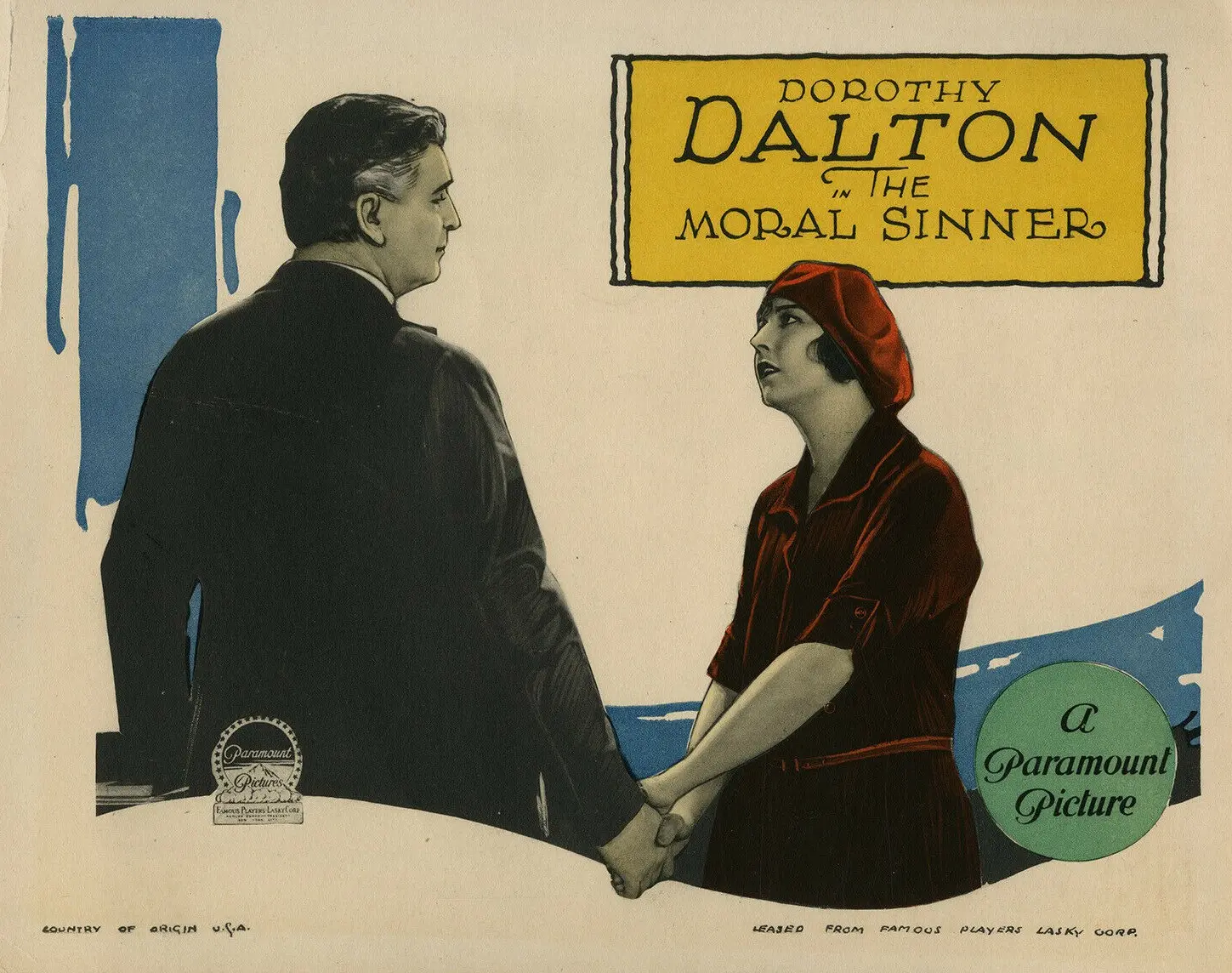
Comparisons to other films of the early 1920s are inevitable, and The Moral Sinner stands out among its contemporaries. It shares thematic similarities with 'It Happened to Adele', which also explores the complexities of love and morality. However, The Moral Sinner's focus on redemption and the transformative power of love sets it apart. The film's handling of its central conflict, particularly the tension between Leah and Raoul, is reminiscent of 'Montmartre', but it offers a more nuanced and emotionally rich exploration of its themes.
The film's score, though not explicitly mentioned, plays a crucial role in enhancing the emotional impact of the scenes. The music, if it exists, is likely a combination of live orchestration and possibly a phonograph recording, reflecting the period's style. Its presence adds another layer of authenticity to the film, immersing the audience in the world of early cinema.
The casting choices are spot-on, with each actor bringing a unique energy to their role. Florence Fair's performance as Leah is particularly noteworthy. Her transformation from a scared and compliant daughter to a self-assured and determined woman is both convincing and moving. James Rennie's portrayal of Paul is equally compelling, ending with a subtle yet profound performance that underscores his character's moral integrity.
Technical aspects of the film are equally impressive. The direction, while not listed, is masterful in its ability to guide the audience through the narrative without overshadowing the performances. The editing is smooth, and the transitions between scenes are seamless, contributing to the film's seamless narrative flow. The cinematography, which captures the gritty realism of Paris's underbelly and the serene beauty of the countryside, is a visual treat. The use of close-ups and medium shots effectively conveys the characters' emotions and the intensity of the story.
While The Moral Sinner is a masterclass in early cinema storytelling, it is not without its flaws. Some viewers might find the pacing a bit slow, particularly in the latter half of the film. However, this is a minor quibble in what is otherwise a beautifully crafted narrative. The film's themes, while timeless, might seem somewhat didactic at times, but this is a reflection of the period's sensibilities and does not detract from the overall quality of the work.
In conclusion, The Moral Sinner is a must-see for film enthusiasts and those interested in early cinema. It is a poignant and beautifully realized story that explores the complexities of love, redemption, and the human condition. Its performances, direction, and technical execution are commendable, making it a standout in the genre. For those looking to delve into the rich history of early cinema, this film offers a compelling glimpse into a bygone era of storytelling.
IMDb —
1918
Community
Log in to comment.