DbcultAccessing Vault...
6.6/10
Senior Film Conservator
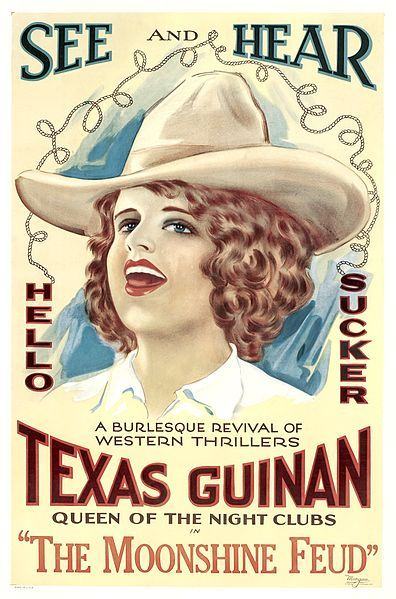
A definitive 6.6/10 rating for a film that redefined the boundaries of cult cinema. A Moonshine Feud remains a cornerstone of transgressive art.
Stepping back into the cinematic annals, one occasionally unearths a gem that, despite its vintage, resonates with an enduring power. Such is the case with A Moonshine Feud (slug: a-moonshine-feud), a film that, even in its early form, masterfully encapsulates a foundational American narrative: the fierce defense of hearth and home against encroaching lawlessness. This isn't merely a simple tale of good versus evil; it’s a visceral exploration of autonomy, community, and the often-brutal means by which justice is carved out in the untamed fringes of society. The film’s raw energy, particularly through its central performances, elevates it beyond a mere historical curiosity, positioning it as a compelling artifact of early storytelling that still speaks volumes about human resilience.
The narrative thrust of A Moonshine Feud is deceptively straightforward, yet its thematic undercurrents run deep. We are introduced to a rural landscape, likely nestled within the Appalachian foothills, where the rhythm of life is dictated by the land and the pervasive, often corrupt, influence of illicit alcohol production. At the heart of this struggle is a young woman, whose name, regrettably lost to the mists of time in many records, nevertheless embodies a formidable spirit. She is no shrinking violet, but rather a beacon of determination, rallying her brothers against a formidable gang of moonshiners. This isn't a casual disagreement; it’s an existential threat to their way of life, their safety, and their very dignity. The film captures the essence of a localized war, fought not on grand battlefields, but in the shadowed hollows and dense woodlands, where every corner holds potential peril.
What truly elevates A Moonshine Feud is its unflinching portrayal of conflict. The feud isn't depicted as a clean, heroic endeavor, but as a messy, desperate struggle. The moonshiners, far from being one-dimensional villains, are presented as a deeply entrenched power structure, their operations interwoven with the very fabric of the local economy and social order, however illicit. This makes the protagonists' challenge all the more daunting. The young woman, often taking the lead where others might falter, is a fascinating figure, a precursor to many strong female characters who would later grace the silver screen. Her resolve, coupled with the steadfast loyalty of her brothers, forms the emotional core of the film, allowing the audience to invest deeply in their perilous quest for peace and justice. The performances, particularly from Hal Ferner and Pat Hartigan, bring a rugged authenticity to their roles, embodying the stoicism and grit required to survive in such a harsh environment. Texas Guinan, with her distinctive screen presence, adds another layer to the ensemble, her character likely contributing to the film’s vibrant depiction of frontier life.
The film's narrative pacing, while perhaps slower by contemporary standards, serves to build an almost unbearable tension. Each encounter, each act of defiance, feels weighty and significant. The stakes are palpable, amplified by the stark, often unforgiving, natural settings. This sense of impending doom and the slow burn of rising conflict recall the intricate narrative build-up found in films like The Reckoning Day, where the consequences of actions are meticulously laid out before the final, explosive confrontation. Here, the landscape itself becomes a character, an accomplice to both the moonshiners' clandestine activities and the protagonists' desperate attempts to evade and confront them. The cinematography, primitive yet effective, uses the natural light and shadow to great effect, enhancing the mood of secrecy and danger that permeates the entire production.
Themes of family loyalty run deep within A Moonshine Feud. The bond between the siblings is not merely a plot device; it is the bedrock upon which their resistance is built. In a world where external authority is weak or compromised, the family unit becomes the ultimate bastion of protection and justice. This intense focus on familial solidarity, where individual fates are inextricably linked, mirrors the powerful dynamics seen in films like The Weaker Vessel, where personal relationships are tested and forged in the crucible of adversity. The film suggests that true strength often lies not in individual prowess, but in the collective will and unwavering support of one's kin. This message, timeless in its appeal, ensures the film's continued relevance, speaking to the universal human need for belonging and mutual defense.
Moreover, A Moonshine Feud offers a fascinating glimpse into the societal anxieties of its era. The proliferation of moonshining was not merely a criminal enterprise; it was often a desperate economic response to poverty and a symbol of resistance against distant, often perceived as unjust, governmental authority. The film doesn't necessarily romanticize this illicit trade, but it does contextualize the harsh realities that drove people to such extremes. The conflict, therefore, is not just about law enforcement versus lawbreakers, but about competing visions of order and survival. The young woman and her brothers represent a force seeking to restore a more traditional, perhaps idealized, form of justice and order, a stark contrast to the chaotic and self-serving dominion of the moonshiners. This struggle for moral high ground in a morally ambiguous landscape is a compelling aspect of the narrative.
The portrayal of female agency in A Moonshine Feud is particularly noteworthy for its time. The protagonist is not merely a damsel in distress; she is an active, strategic participant in the conflict, often demonstrating more courage and foresight than her male counterparts. This challenges conventional gender roles prevalent in early cinema and aligns her with other pioneering female figures in film history, such as those found in A Girl of the Timber Claims, who defy expectations and take charge of their destinies. Her leadership is portrayed not as an anomaly, but as a natural response to the dire circumstances, lending a progressive edge to the film that might surprise modern viewers. This makes the film not just a period piece, but a subtle commentary on the evolving roles of women in society, even in the most challenging environments.
The climactic confrontation in A Moonshine Feud is a masterclass in early cinematic tension. It eschews elaborate special effects for raw, human drama, relying on the performances and the palpable sense of danger to deliver its impact. The resolution, while satisfying, doesn't feel overly simplistic. It underscores the idea that victory in such feuds often comes at a significant cost, leaving scars that linger long after the smoke has cleared. This nuanced approach to consequences is a testament to the filmmakers' understanding of human nature and the complex aftermath of violent conflict. It avoids the saccharine endings often characteristic of the era, opting instead for a more grounded and realistic portrayal of triumph.
Comparing A Moonshine Feud to its contemporaries, one can discern its unique contributions. While films like Rider of the Law explored themes of justice and frontier law enforcement through the lens of a lone hero, A Moonshine Feud champions a more communal, familial resistance. The individual struggles against systemic corruption in His Turning Point find an echo in the protagonists' moral stand, but the stakes here feel more immediate and physically dangerous. The film's strength lies in its grounded portrayal of a specific cultural milieu, making it a valuable historical document as well as a gripping piece of entertainment. It offers a window into a particular slice of Americana, rendered with an authenticity that defies its age.
In conclusion, A Moonshine Feud remains a compelling watch, not just for cinephiles interested in the foundational years of film, but for anyone who appreciates a well-told story of courage against overwhelming odds. Its themes of justice, family loyalty, and the struggle for autonomy are universal, transcending the specific historical context. The performances by Hal Ferner, Pat Hartigan, and Texas Guinan imbue their characters with a raw vitality that resonates even today. The film’s ability to craft a tense, emotionally resonant narrative with the tools available at the time is a testament to the enduring power of storytelling. It stands as a powerful reminder that even in the earliest days of cinema, filmmakers were capable of producing works that were not only entertaining but also deeply insightful about the human condition. It is a film that demands to be seen, appreciated, and remembered for its indelible contribution to the tapestry of early American cinema.
IMDb —
1922
Community
Log in to comment.