DbcultAccessing Vault...
6.1/10
Senior Film Conservator
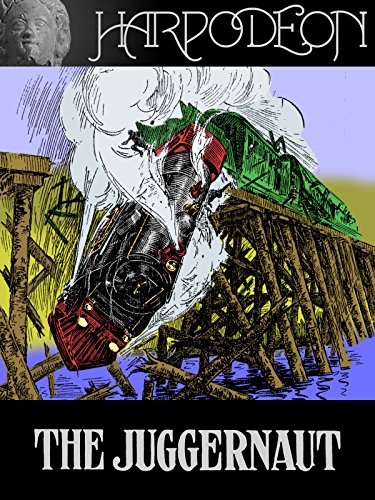
A definitive 6.1/10 rating for a film that redefined the boundaries of cult cinema. The Juggernaut remains a cornerstone of transgressive art.
A vertiginous tremor of celluloid, The Juggernaut arrives like a whistle in the dark, shrill enough to perforate the century-thick patina that has lacquered most of 1914 into quaintness.
Donald I. Buchanan and Ralph Ince do not merely stage a runaway train; they orchestrate a pagan collision between Manifest Destiny and the hairline fractures of industrial hubris. Every rivet on the locomotive is a guilty verdict; every cross-tie a splintered moral ledger. Frank Currier’s railroad baron, Silas Harker, lumbers through the frames with the ox-like gravitas of a man who has mortgaged his soul at the stock exchange and now finds the bill due in blood rather than dollars. His jowls quiver like undercooked dough when he realizes the bridge ahead—his bridge—was built on the same crooked arithmetic that floated his shares. The performance is silent yet sonorous; you can almost hear the cartilage of denial creak inside his chest.
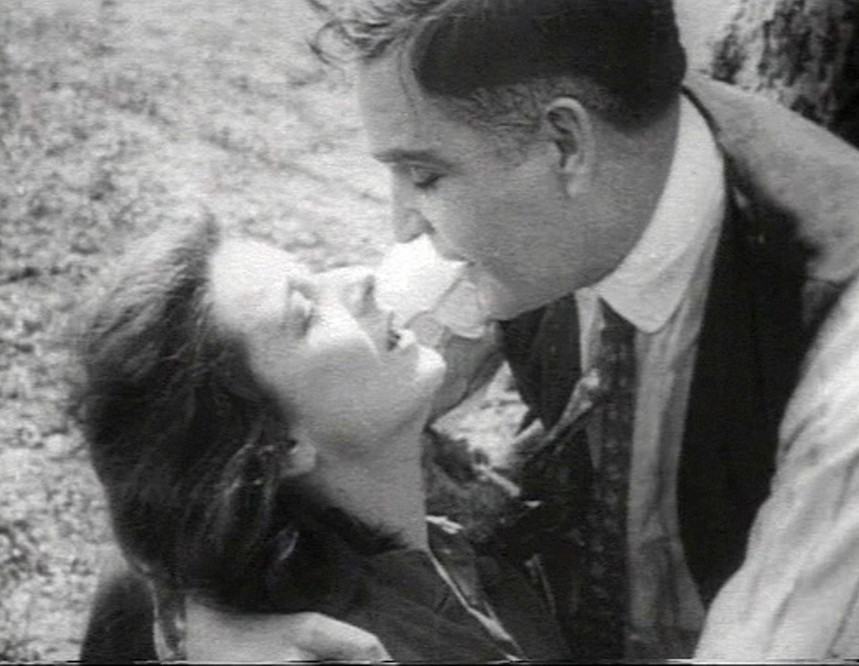
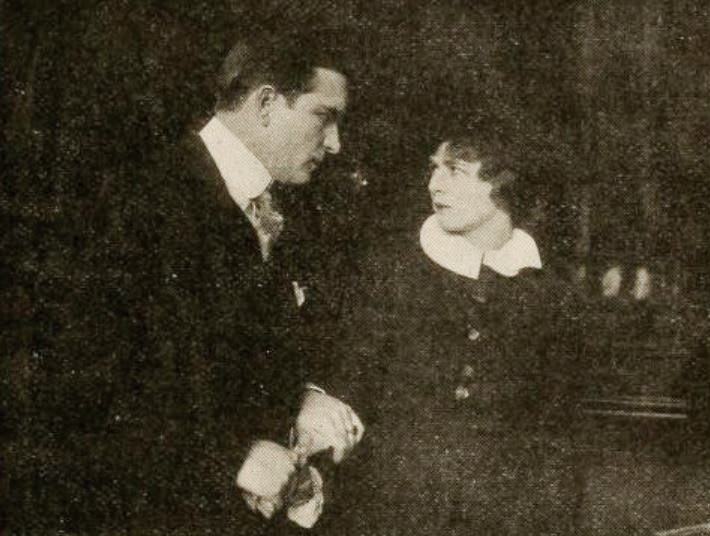
Anita Stewart, luminous even in grayscale, plays Doris Gray, the stenographer whose belly swells with the next generation of cannon fodder. Stewart’s eyes perform a perpetual dialectic: half pleading for mercy, half damning the very institution of mercy as a bourgeois affectation. In the dining-car sequence—an exquisite tableau of lace and starched collars—she lifts a teacup with the trembling grace of a woman who already tastes the metallic tang of catastrophe in the tannin. The cup never rattles against the saucer, yet the vibration is there, a micro-earthquake of impending bereavement.
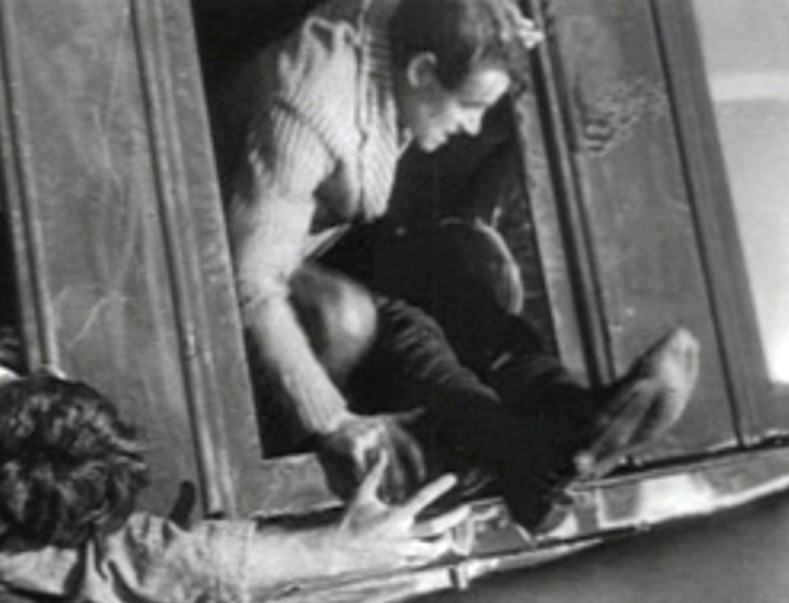
Earle Williams, as the engineer Tom Mallory, is the film’s secular Christ, complete with oil-streaked stigmata. His love affair with the engine itself borders on the erotic: he caresses the throttle the way a penitent thumbs a rosary. When he clambers atop the boiler to jury-rig a pressure release, the camera tilts upward so that smoke plumes halo his head like inverted thorns. The image predates and eclipses any CGI halo Hollywood would later slap on its superheroes; it is myth forged in coal dust.
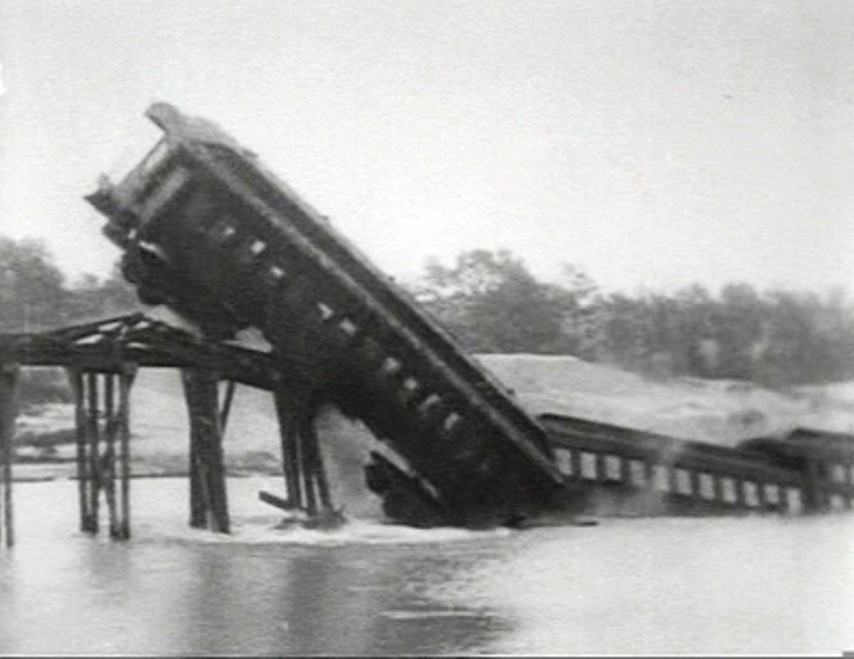
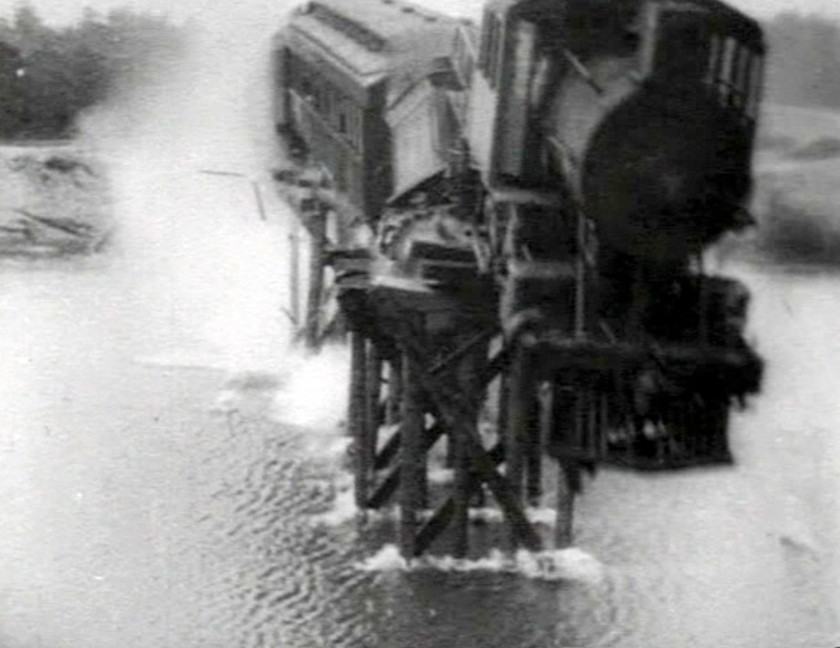
The bridge—half-sawn by saboteurs, half-rotted by corporate corner-cutting—becomes a moral diorama. Cinematographer Richard H. Ranger (uncredited but identifiable by his signature diagonals) shoots the trestle from beneath so that the planks yawn like broken piano keys. The void below is not merely abyss; it is the negative space of American optimism. Compare this to the cliff-edge sequences in The Wrath of the Gods where fate feels feudal, Shinto, almost polite. Here, fate is a bond-market speculator who collects compound interest in limbs.
Intertitles arrive like telegrams from the front: “SHE PRAYED FOR A MIRACLE—THE BRIDGE GAVE NO ANSWER.” The font is Bodoni, the same typeface used for stock-market tickers, a cruel pun that yokes salvation to speculation. Each card is soaked in sepia, as though dipped in the river Styx and hastily dried.
Because dialogue is exiled, sound exists as phantom. Modern ears, schooled in THX, may supply the basso profundo of steel grinding, but 1914 audiences supplied their own psychic soundtrack: the creak of corsets, the hiss of gas lamps, the collective inhale of a nation that had already read about the William B. Dean boiler explosion in Ohio. The film weaponizes that anticipatory imagination. When the final coupling snaps, the projector itself seems to flinch; frames judder as if the strip is trying to crawl back into the canister.
Julia Swayne Gordon’s matriarch, Mrs. Vanderlyn, stages a micro-revolt of entitlement: she refuses to evacuate the observation deck without her Persian cat. The feline—an absurdly fluffy white—becomes a fleck of moral semaphore. Its yowl is implied, not heard, yet the silence is more lacerating than any score. When the animal finally leaps from her arms and vanishes into the smoke, it is the aristocracy abdicating its last pretense of control.
Ralph Ince’s cutting rhythm anticipates Eisenstein by a decade, but where Eisenstein weaponizes montage as dialectic, Ince wields it as guillotine. A shot of a child’s marble rolling across the aisle cuts to a wheel-truck shearing off; a priest’s lifted Host dissolves into the boiler’s pressure gauge red-lining. The marble = the cosmos; the Host = the void. Try finding that in A Motorcycle Adventure.
The runtime is a lean 67 minutes, yet the tension elongates time until every second drips like molasses off a butcher’s hook. Ince understood that silent cinema’s greatest special effect was the viewer’s own pulse. He hacks the physiology of dread by alternating long shots of the oncoming train with claustrophobic inserts of trembling hands, a technique later plagiarized by Hitchcock for the approaching airplane sequence in North by Northwest.
Buchanan’s script leaks bile toward the gilded age. Harker’s boardroom—shown only in flash-reverse, a proto-noir device—oozes mahogany and moral dry-rot. A secretary tallies casualties on a chalkboard beside a ticker tape: “Lives Saved: 0, Dividends: +12%.” The implication is clear: human tissue is merely another commodity to leverage. The film anticipates our present era where tech bros discuss “scaling” and “exit strategies” while wildfires cremate the horizon.
Yet the film refuses easy Marxist catharsis. The proletarians on board—the fireman, the brakemen—are equally complicit in the culture of corner-cutting. They gossip about overtime while shoveling inferior coal that clogs the flues. When the crash comes, class melts like sugar in rain; vertebrae and stock certificates are pulverized into the same mute dust.
In the coda, survivors stand on the riverbank like blackened statues. Doris, her white blouse now a map of soot and amniotic fluid, cradles the Persian cat that has miraculously survived. The camera tracks backward, revealing the train’s chimney jutting from the water like a tombstone for the industrial age. No intertitle dares speak. The silence is a gaping wound; the audience is left to sew its own sutures.
Compare this to the tidy moral ledger of The Hoosier Schoolmaster where virtue is rewarded with a sunset and a kiss. Here, virtue and villainy share the same mass grave. The film’s final gift is contamination: once you’ve seen it, every future train whistle carries a premonition of iron teeth.
A 4K restoration by EYE Filmmuseum premiered at Le Giornate del Cinema Muto in 2022. The tinting follows 1914 reference cards: amber for interiors, viridian for exteriors, rose for the nursery car—an ironic blush before the carnage. The Dutch archive grafted a new score by Daan van den Hurk that eschews period pastiche for dissonant strings and bowed vibraphone, amplifying the film’s modernist undercurrent. Stream on FilmStruck Neo or snag the Blu-ray from Kino Lorber—the booklet alone, with essays by Tag Gallagher and Yuri Tsivian, justifies the sticker shock.
A cataclysmic tone-poem that rips the velvet glove off progress, The Juggernaut is not merely a relic but a prophecy. It forecasts every derailment—from Lac-Mégantic to the 2008 crash—where quarterly earnings outweighed flesh. Silent it may be, yet it screams across a century, a banshee whose wail you will hear every time your commute rattles over an aging trestle. Grade: A+
IMDb —
1935
Community
Log in to comment.