DbcultAccessing Vault...
5.5/10
Senior Film Conservator
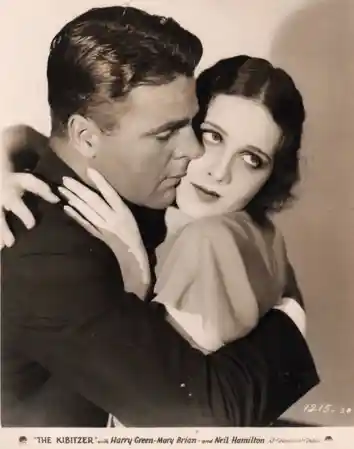
A definitive 5.5/10 rating for a film that redefined the boundaries of cult cinema. The Kibitzer remains a cornerstone of transgressive art.
If you like movies where people yell over each other in small rooms, you'll probably dig The Kibitzer. It's a relic from 1930 that feels like it was filmed inside a shoebox, but in a way that kind of works. If you hate old stage plays that haven't been properly 'cinematized,' you should stay far away from this one.
Harry Green plays Lazarus. He owns a cigar shop, but he doesn't seem to sell many cigars. Mostly, he just leans over the counter and tells people they are doing everything wrong. He is the original mansplainer, but with a Yiddish accent and more hand waving.
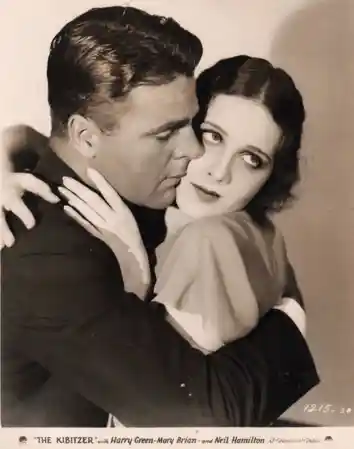
The whole thing is based on a play that Edward G. Robinson helped write. You can tell. It has that punchy, fast-talking rhythm that usually ends with someone getting shot in a noir, but here it's used for jokes about the stock market. It's much lighter than something like Blackmail, which came out around the same time and felt way more like a 'movie.'
Lazarus gets handed a massive amount of stock by accident. Suddenly, the guy who gave advice for free has to put his money where his mouth is. It's 1930, so seeing people freak out over ticker tape feels very real. You can almost feel the actual Great Depression lurking just outside the studio doors.
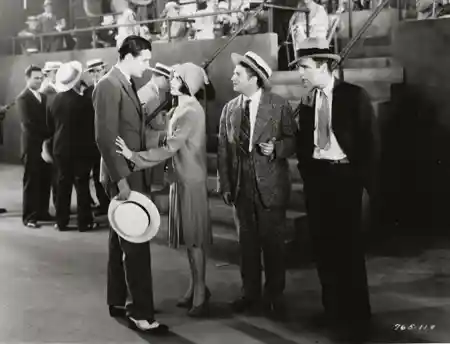
There's a scene where he's trying to decide whether to sell or hold. He's sweating. The people around him are vibrating with nerves. It’s the best part of the movie because it stops being a comedy for a second and feels like a panic attack.
Mary Brian is the daughter, and she’s mostly there to look worried. She does a lot of that. Her boyfriend, played by Neil Hamilton, is a bit of a cardboard cutout. You don't really care if they get together, you just want to see Lazarus get into another argument with a customer.
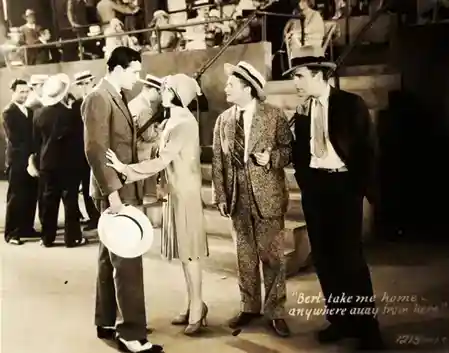
"A kibitzer is a man who knows everything but doesn't have a nickel in his pocket."
That line basically sums up the whole vibe. It reminds me a bit of the family dynamics in No Woman Knows, but way less depressing. There’s a warmth here, even when the yelling gets to be a bit much.
Yes, Eugene Pallette shows up. He has that gravelly voice that sounds like someone shaking a jar of marbles. He makes every scene he’s in about 20% better just by existing. I wish he had more to do than just stand around looking confused by Lazarus’s logic.
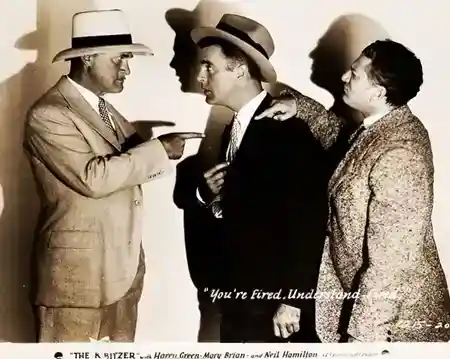
The camera doesn't move much. It’s very static. Sometimes you can tell the actors are waiting for the microphone to catch up with them. It gives the whole thing a clunky, handmade feeling that I actually prefer over the polished stuff we get now.
One weird thing—the ending feels very rushed. Like they ran out of film or the actors had a bus to catch. It just sort of... stops. You get the resolution, but it's handed to you so fast you might blink and miss it.
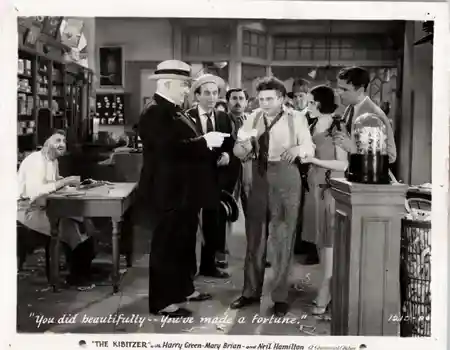
It’s not a masterpiece. It’s barely a 'film' in the modern sense. But if you want to see what people thought was funny right before the world fell apart, it’s a fascinating watch. It's better than The White Lie but maybe not as tight as it could have been with a bit more editing.
Final thought: Harry Green is an acquired taste. If his energy doesn't grab you in the first ten minutes, turn it off. Otherwise, enjoy the yelling. 🥨
IMDb 5.5
1937
Community
Log in to comment.