DbcultAccessing Vault...
Cult Review
Senior Film Conservator
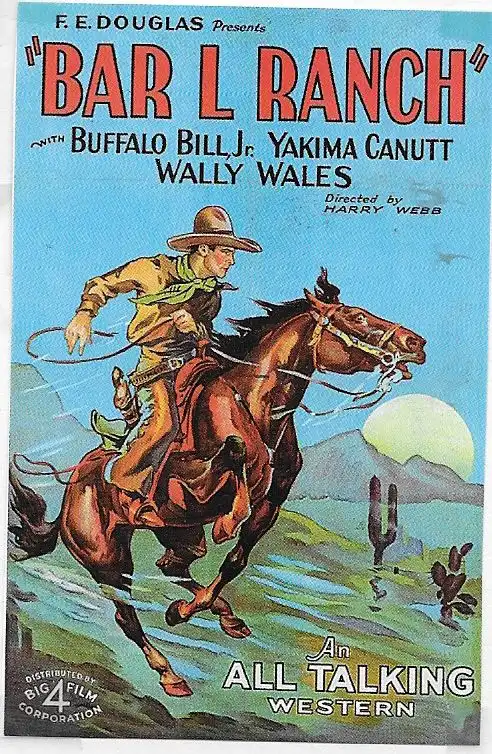
So, you’ve got a Saturday afternoon and a hankering for something really old-school? Bar-L Ranch is one of those early Westerns that exists. If you’re a history buff for film, or just curious about how they did cowboy movies before, well, everything, you might get a kick out of it. Seriously, if you’re not already into silent or very early sound flicks, this one will probably just feel slow and maybe a little silly. It’s certainly not for everyone today. 🤠
The story itself is pretty straightforward. Bob Tyler, played by Buffalo Bill Jr., is trying to get some cattle to their new owner. Immediately, there's trouble. Rustlers, naturally. He runs into Jean Polk, who turns out to be the actual owner, and she promptly fires him. It's a quick sequence, almost like a punchline, that sets up a whole lot of “wrong man, right intentions” stuff.
Buffalo Bill Jr. has this sort of earnestness to him. Not exactly raw charisma, but he’s *there*. You can see him trying to convey things with broad gestures, which, you know, was the style. When he’s riding, it looks like he actually knows what he’s doing, which is always a plus in a cowboy movie. Even if the camera work sometimes makes it hard to tell exactly where he’s going.
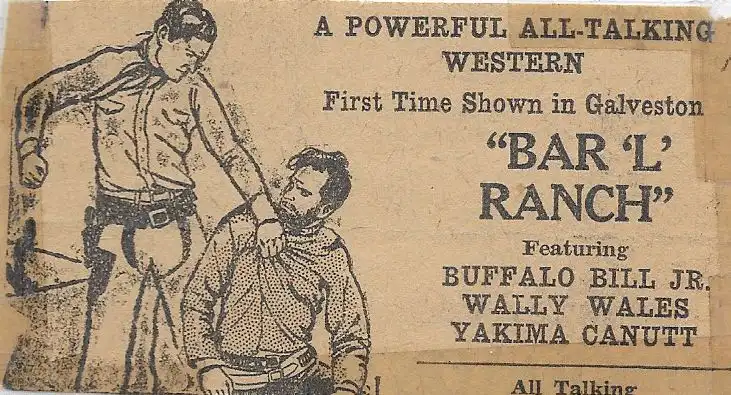
His pal, Barney McCool (Ben Corbett), is the comic relief, I guess? He's often got this wide-eyed look, ready for anything. Or nothing. Their buddy-cop dynamic feels less like partnership and more like Bob tolerating Barney’s presence. There’s a scene where they’re “snooping,” which mostly involves them just lurking behind some barrels. It’s not exactly spy craft, but it gets the job done for the plot.
Frank Kellogg, the bad guy here, is portrayed by Wally Wales. He’s got the whole sneer-and-a-stare thing down. His mustache feels like a character all its own. The way he tries to pressure Bob early on, you just know he’s up to no good. It’s that classic, almost theatrical villainy, no shades of gray. Just pure, moustache-twirling intent.
The cattle rustling itself, when it happens, is less a grand, sprawling event and more a series of small, kinda clumsy moments. You see a few horses, a few shouts. It doesn’t feel like a massive operation, which makes Kellogg’s whole scheme seem a bit… small-time. But hey, it’s enough to drive the plot, right?
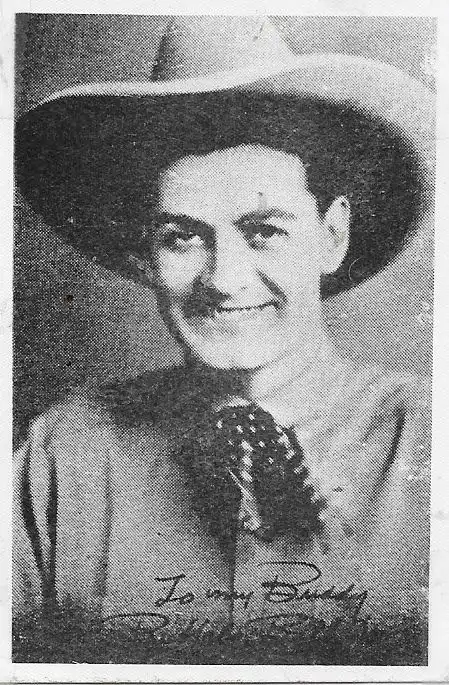
There's a moment when Jean Polk, after firing Bob, still seems to be, well, around. She doesn't just vanish. It's almost like she's waiting for him to prove himself. That whole “you’re fired but please save my ranch” vibe. Betty Baker, as Jean, gives off this sort of strong-willed but ultimately damsel-in-distress energy. A very specific blend for the era.
One thing that stands out: the stunt work. You get glimpses of some proper riding and falls. Yakima Canutt is in the cast list, and even if it’s just a quick shot, you can sometimes pick out that extra bit of naturalism, that effortless way of falling off a horse that only someone like him could pull off. It's not flashy, but it's *real* for its time.
The ending, when Bob finally figures out Kellogg is behind everything, feels a bit rushed. Like the filmmakers suddenly realized they were running out of reel. It’s less a brilliant deduction and more just… Bob stumbling into the truth. But, you know, justice is served. Pretty standard for a Western of this vintage.
Is it a great movie? Nah. Is it an interesting relic? Absolutely. It's a peek into a very different way of telling stories, where the rough edges are part of the charm. Don’t go in expecting anything modern, and you might actually enjoy the ride. It’s like finding an old photo album; a bit faded, some smiles are forced, but it tells a story. 🎞️
IMDb 7.2
1934
Community
Log in to comment.