DbcultAccessing Vault...
7.6/10
Senior Film Conservator
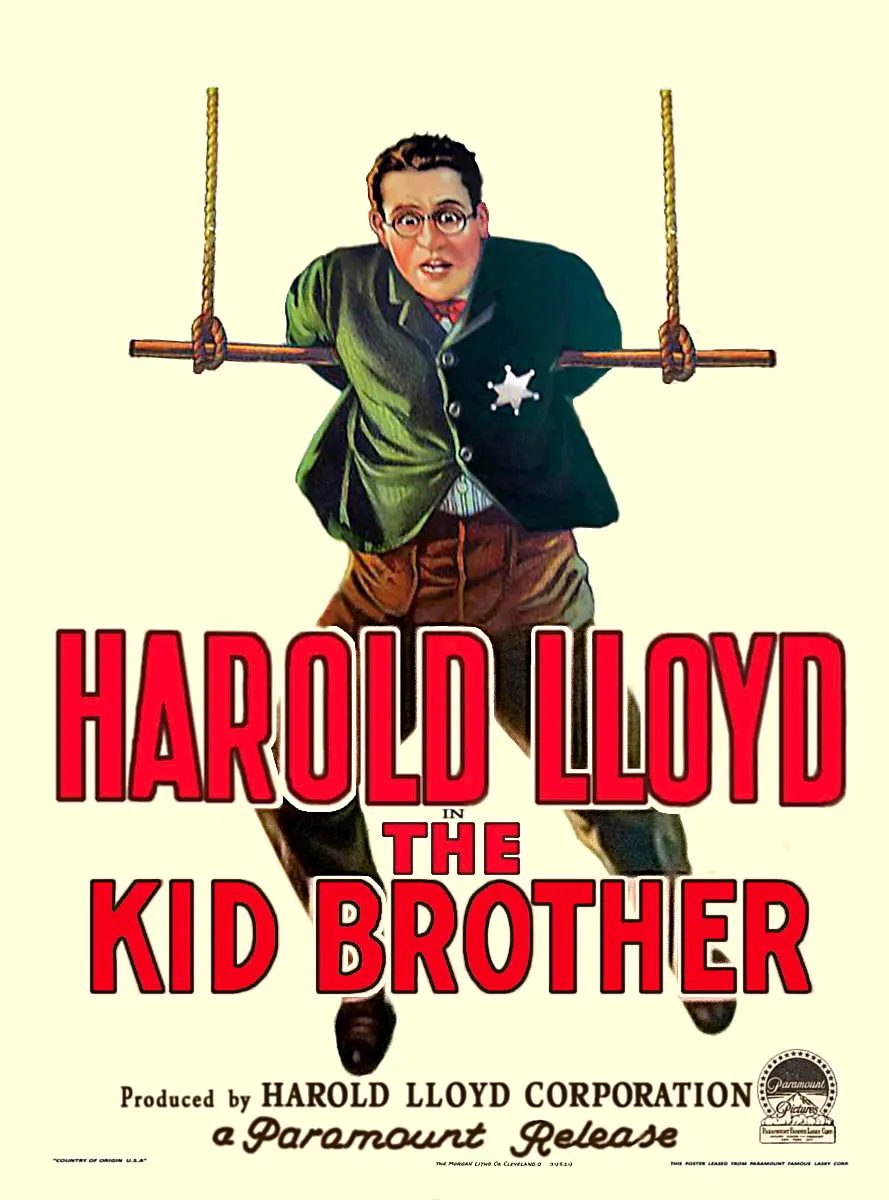
A definitive 7.6/10 rating for a film that redefined the boundaries of cult cinema. The Kid Brother remains a cornerstone of transgressive art.
Is The Kid Brother still a mandatory watch for modern cinema fans? Short answer: yes, but only if you value structural perfection over modern cynicism. This film is for anyone who loves the 'zero-to-hero' archetype executed with surgical precision; it is not for those who find the deliberate pacing of 1920s rural dramas to be a chore.
This film works because it balances pathos with some of the most inventive physical comedy ever put to celluloid. This film fails because its secondary villains are somewhat generic, lacking the nuance of the central Hickory family dynamic. You should watch it if you want to see Harold Lloyd at the absolute peak of his creative powers, proving he was more than just a man hanging from a clock.
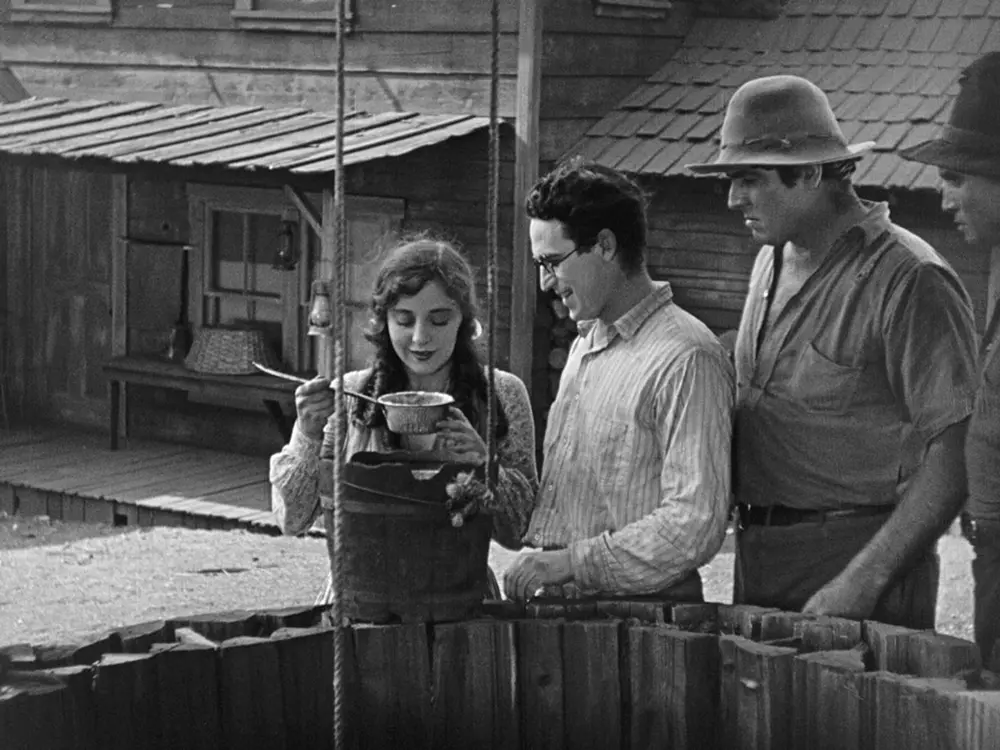
In a word: Absolutely. While many modern audiences gravitate toward the surrealism of Buster Keaton or the sentimentality of Charlie Chaplin, Harold Lloyd’s 1927 effort offers something uniquely grounded. It is a masterclass in visual storytelling. You don't need intertitles to understand the crushing weight of Harold's inadequacy when he stands next to his brothers. The film answers the question of its own relevance by being timelessly funny. It doesn't rely on topical humor, but on the universal human desire to be seen as an equal by those we love.
Harold Lloyd’s 'Glass Character'—the earnest, bespectacled young man—is at his most vulnerable here. Unlike his roles in urban comedies, The Kid Brother places him in a rugged, pastoral setting that highlights his physical slightness. The opening scenes, where Harold is forced to do the household chores while his father and brothers discuss 'manly' matters, are both hilarious and heartbreaking. Lloyd’s performance is built on a series of micro-expressions; his face is a map of suppressed ambition and domestic resignation.
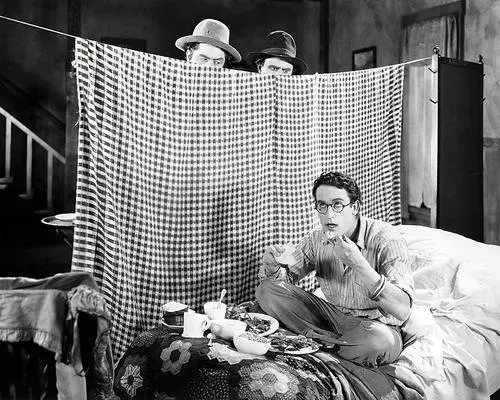
Consider the scene where he uses a pulley system to serve breakfast. It’s not just a gag; it’s a character beat. It shows that Harold is a problem-solver in a world that only values problem-smashers. This sets the stage for the film’s central conflict. He isn't trying to change the world; he's just trying to change his family's perception of him. This is a much more intimate stake than we see in films like The Forbidden Valley, where the stakes often feel more external and less personal.
The arrival of the medicine show acts as the narrative's inciting incident. When Harold meets Mary (Jobyna Ralston), the chemistry is immediate and genuine. Ralston was Lloyd’s best leading lady, and her presence here provides the emotional anchor the film needs. Their interaction in the woods, involving a tree-climbing sequence that is both romantic and acrobatic, is a highlight of silent era cinematography. The camera work by Walter Lundin captures the depth of the forest in a way that feels immersive, a far cry from the flat staging seen in earlier works like The Price of Fame.
The medicine show itself is a den of vipers. The contrast between the Hickory family’s stern morality and the con artists' fluid ethics creates a tension that drives the second act. When the town’s money goes missing, the shift in tone is palpable. The film moves from a light domestic comedy into a high-stakes thriller. This transition is handled with a sophistication that few directors of the era could manage. Ted Wilde’s direction ensures that the stakes feel real. When the sheriff is accused, the threat of the lynch mob isn't played for laughs; it’s a dark, looming presence.
The final act takes place on the 'Mary Jane,' a grounded, decaying ship. This sequence is, quite simply, one of the greatest sustained pieces of action in film history. Harold’s fight against the monstrous Sandman (Constantine Romanoff) is a brutal, exhausting affair. It isn't a clean fight. It’s a desperate scramble for survival. Lloyd uses every inch of the ship—the deck, the rigging, the hold—to create a sense of geographical logic that modern action movies often lack.
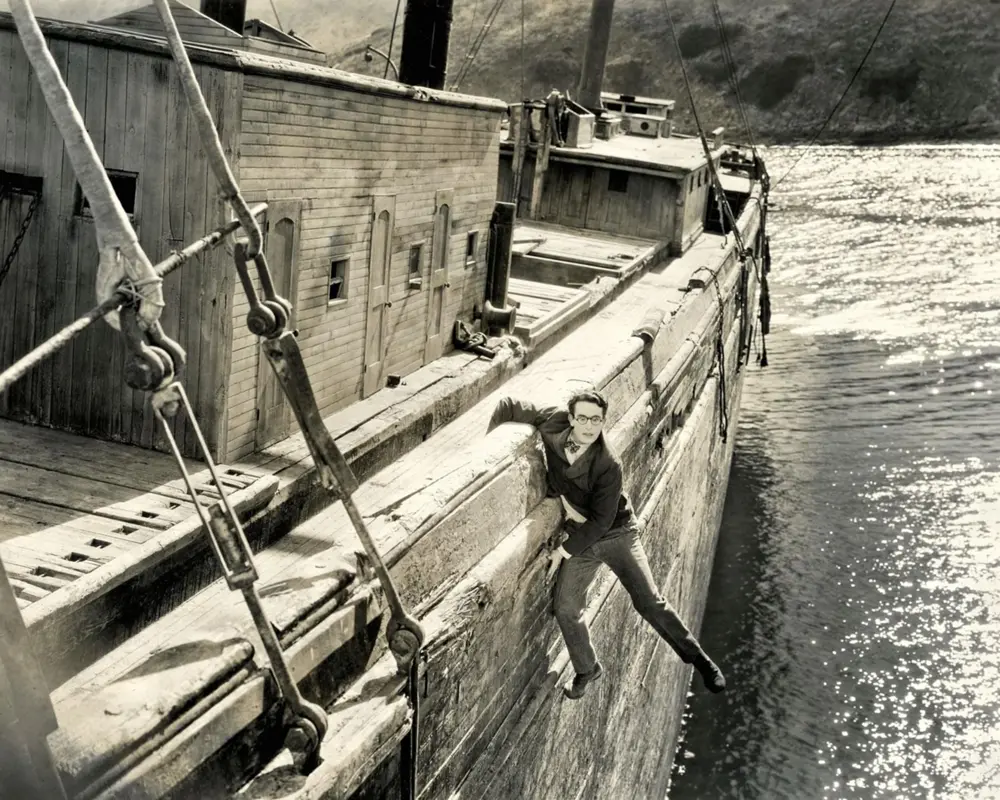
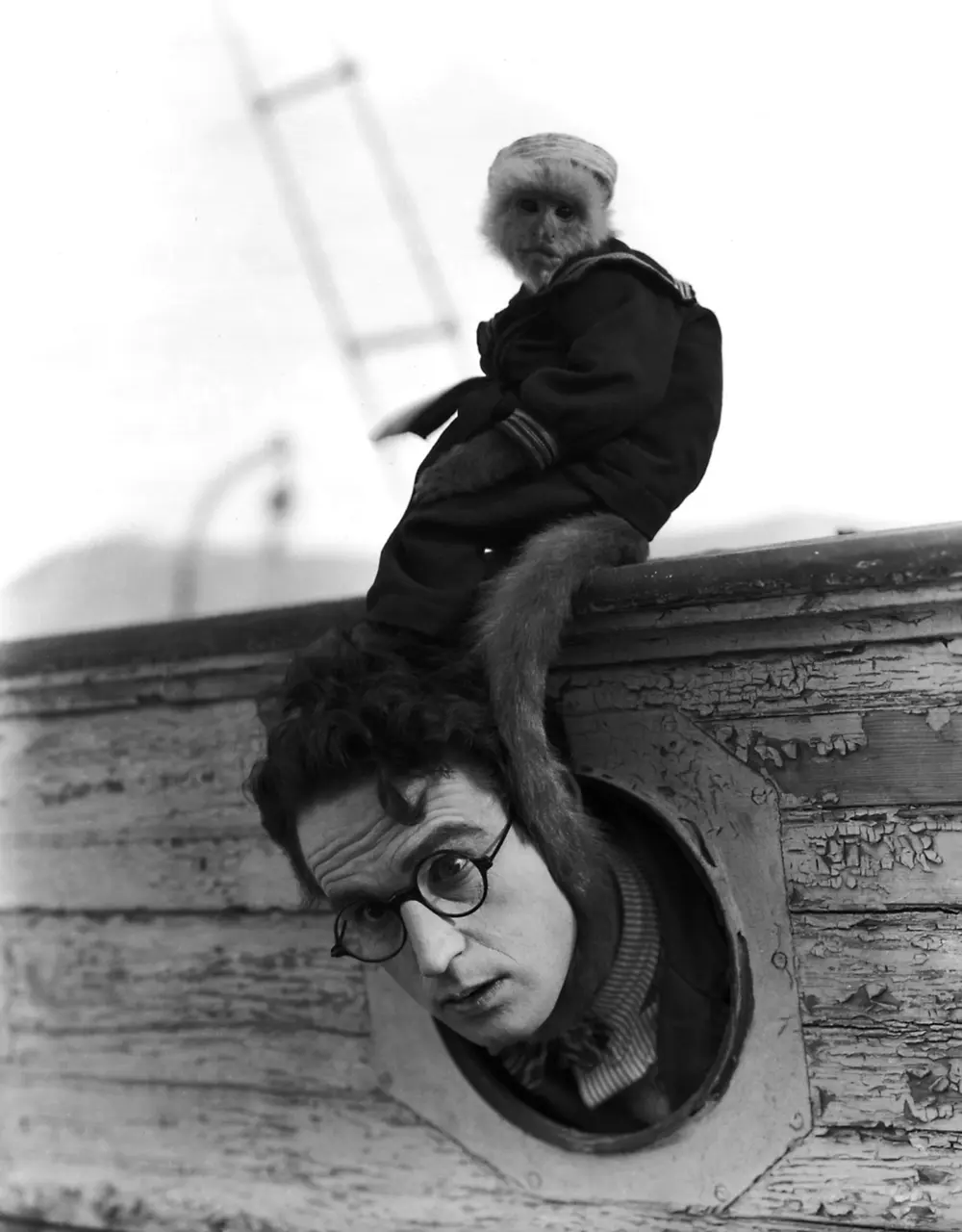
There is a specific moment where Harold uses a life preserver and a rope to outwit the villain that perfectly encapsulates the film's philosophy: wit over weight. The pacing here is relentless. Unlike the more episodic nature of Trouble Brewing, the climax of The Kid Brother feels like a singular, unbroken breath. It works. But it’s flawed. The reliance on a monkey, Jocko, to provide a key narrative assist is a bit of a 'deus ex machina,' yet Lloyd’s execution is so charming that you forgive the contrivance.
The Kid Brother is superior because it integrates its gags into the character arc more seamlessly than almost any other film of its time. In many Chaplin films, the gags are the point. In The Kid Brother, the gags are the obstacles Harold must overcome to achieve manhood. Every fall, every trip, and every clever escape serves the purpose of showing Harold's growth. It is a complete narrative package that feels as sturdy as a well-built house.
I will go on record: Harold Lloyd was a better filmmaker than Charlie Chaplin. While Chaplin was a better mime and Keaton a better daredevil, Lloyd was the better storyteller. The Kid Brother has a narrative drive that The Gold Rush lacks. Lloyd understood the 'everyman' better than his peers. He wasn't a tramp or a stone-faced stoic; he was a guy who wanted a job, a girl, and his father’s approval. That relatability makes the stakes in The Kid Brother feel more urgent. It is a more human experience.
Even when compared to sophisticated comedies like The Affairs of Anatol, Lloyd’s work stands out for its sincerity. There is no irony in The Kid Brother. It is a straight-faced celebration of the little guy. The cinematography, particularly the use of natural light in the outdoor sequences, gives it a gritty realism that contrasts beautifully with the slapstick elements.
The character development is remarkably deep for a silent comedy. Harold starts as a sketch and ends as a fully realized man. The location shooting provides a sense of place that is rarely seen in 1920s studio-bound films. The chemistry between Lloyd and Ralston is palpable and sweet without being cloying. Finally, the technical precision of the gags—like the shoe-shining scene—is breathtaking.
The pacing in the very beginning might feel a bit slow to modern audiences accustomed to immediate action. Some of the 'mountain man' tropes are a bit thick, making the brothers feel more like caricatures than people. The villain's motivations are purely functional; he is evil because the plot requires an antagonist, unlike the more complex foils found in films like Hands Up.
The Kid Brother is the crowning achievement of Harold Lloyd’s career. It is a film that demands to be seen on a big screen with a live audience, but even on a modern monitor, its brilliance shines through. It isn't just a 'funny old movie'; it is a masterclass in how to build tension, how to release it through laughter, and how to make an audience cheer for a hero who starts with nothing. It is essential cinema. If you haven't seen it, you are missing one of the foundational pillars of the action-comedy genre. It is, quite simply, perfect in its imperfections.
IMDb 6.1
1919
Community
Log in to comment.