DbcultAccessing Vault...
Cult Review
Senior Film Conservator
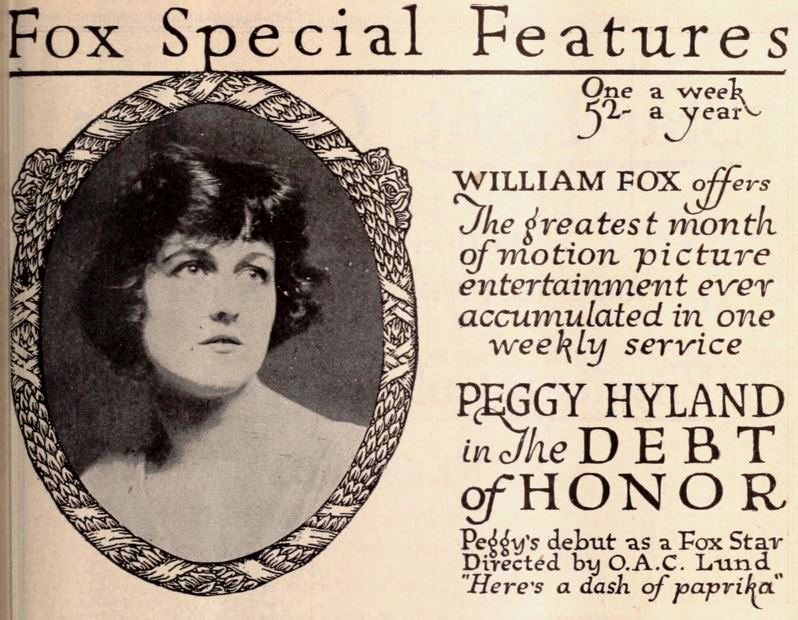
Stepping back into the cinematic landscape of 1917, one encounters a fascinating artifact of its time: 'The Debt of Honor.' This film, penned by the insightful duo of Eve Unsell and O.A.C. Lund, offers a potent blend of melodrama, espionage, and moral quandary, all set against the tumultuous backdrop of the First World War. It's a testament to the storytelling prowess of the silent era, demonstrating how complex narratives could be conveyed with an eloquence that transcended spoken dialogue. The film doesn't merely recount a story; it captures the very zeitgeist of a nation grappling with global conflict, domestic anxieties, and the intricate web of personal ethics.
At its heart lies Honor, portrayed with a poignant earnestness by Peggy Hyland. Her character is initially a beacon of imaginative purity, an orphan who spins enchanting tales of the 'Land of Heart's Desire' for children less fortunate than herself. This early depiction establishes a vital contrast with the harsh realities that soon engulf her. Her adoption by Senator Stanley Middleton, a man of considerable influence and wealth, initially seems like a fairytale come true, a classic rags-to-riches trope often explored in silent cinema, much like the thematic journey seen in Cy Whittaker's Ward. However, this newfound stability is merely a prelude to a far more treacherous existence, reflecting the era's fascination with the fragility of social standing and the hidden dangers lurking beneath polished surfaces.
The eruption of World War I fundamentally shifts the film’s emotional and narrative gravity. Senator Middleton, played by Eric Mayne, becomes utterly absorbed in the weighty affairs of state, his attention diverted from the subtle decay within his own household. This narrative device effectively underscores the personal cost of national crises, a theme explored with varying degrees of success in other wartime dramas of the period, such as War and the Woman. It is during this period of paternal neglect that Irma, the senator's wife, succumbs to the machinations of Frank Schiller, a German agent portrayed by Frank Goldsmith. Schiller is not merely a lover; he is a calculating spy, exploiting Irma's vulnerabilities and passions to extract crucial information, a chilling echo of the espionage narratives that captivated audiences, albeit with a different flavor, in films like Arsene Lupin.
The film’s portrayal of Irma's affair and Schiller's manipulative intent delves into the moral ambiguities of wartime. Is Irma a victim of circumstance, a lonely wife seeking solace, or a willing participant in treason? The narrative, as presented in the plot summary, leans towards her being used, yet her subsequent actions complicate this perception. This complexity, though perhaps simplified for a 1917 audience, hints at deeper psychological undercurrents. The silent film medium, relying heavily on visual cues, exaggerated expressions, and intertitles, was adept at conveying such moral dilemmas, often through stark contrasts and dramatic irony. The tension builds with exquisite slowness, much like the unfolding political dramas of the time captured in newsreels such as Gira política de Madero y Pino Suárez or Desfile histórico del centenario, albeit on a much more intimate, devastating scale.
The dramatic climax of the senator's dawning awareness is masterfully orchestrated through the simple yet powerful imagery of silhouettes. This visual technique, a staple of silent cinema, allows for a visceral understanding of betrayal without explicit detail, leaving much to the audience's horrified imagination. The senator sees not just two figures, but the outline of his world crumbling. Irma's desperate and cruel accusation against Honor, turning the innocent girl out of the house, is a moment of profound injustice that resonates deeply. This unjust expulsion of an innocent, often a narrative linchpin in melodramas of the era, serves to heighten Honor’s plight and solidify her status as the story’s moral compass. It's a trope that finds parallels in films exploring social ostracization and false accusations, such as The Foolish Virgin or even the darker undertones of Midnatssjælen, where reputations are easily shattered.
The swift and brutal comeuppance for Irma and Schiller the very next day, caught in the act of espionage and subsequently killed, is a narrative choice reflective of the era's morality plays. Treason, especially during wartime, could not go unpunished, and often, the punishment was absolute and immediate. This dramatic resolution serves multiple purposes: it vindicates Honor, restores a sense of cosmic justice, and perhaps, more importantly for the contemporary audience, reaffirms patriotic ideals. The suddenness of their demise, while perhaps jarring to modern sensibilities, was a common device in silent films to maintain narrative pace and deliver impactful moral lessons, a characteristic also seen in the swift turns of fate in films like The Moth and the Flame or the intricate traps of The Coiners' Game.
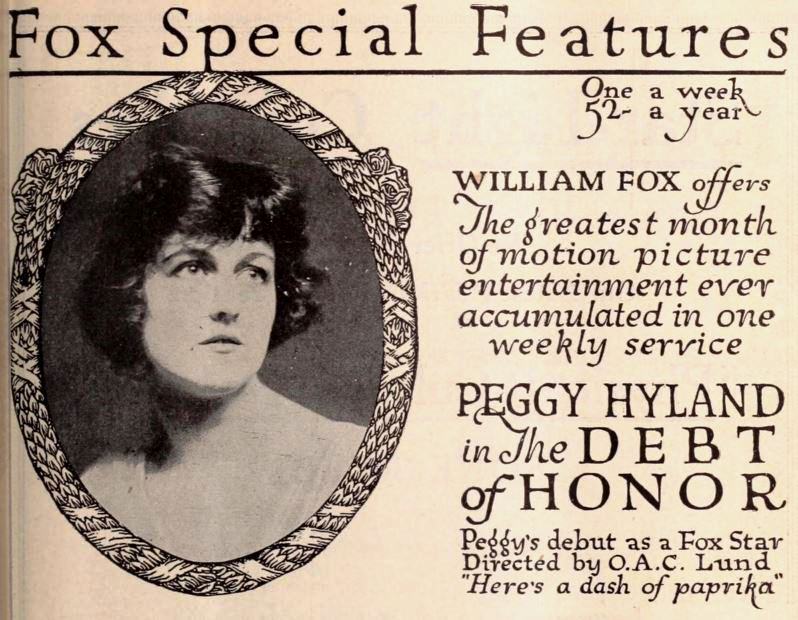
The denouement of 'The Debt of Honor' shifts from tragedy to a quiet, hopeful reconstruction. Honor, having endured profound injustice, finds love and stability with Chester Holbrooke, the senator's loyal secretary, played by Irving Cummings. This union is not merely a romantic pairing; it symbolizes the triumph of virtue and steadfastness over deceit and betrayal. Their joint commitment to caring for the heartbroken Senator Middleton offers a poignant resolution, suggesting that true honor lies not in grand gestures, but in compassion, loyalty, and the rebuilding of shattered lives. It’s a testament to the enduring power of human connection in the face of immense loss, echoing themes of resilience and moral fortitude found in stories like Reputation, where character ultimately defines destiny.
The cast, including Hazel Adams in an unspecified role, would have contributed to the ensemble’s ability to convey the intricate emotional landscape through their performances. Silent film acting, with its reliance on pantomime and facial expressions, demanded a particular skill set, often more theatrical than the subtle realism favored today. The success of a film like 'The Debt of Honor' hinged not just on its gripping plot, but on the actors' ability to communicate complex internal states without a single spoken word, making every gesture and glance significant. This style of performance, while sometimes perceived as overly dramatic by contemporary audiences, was the language of its time, a powerful means of conveying narrative and emotion to a diverse viewership.
The title itself, 'The Debt of Honor,' is multi-layered. It refers to the moral obligation to uphold one's country, one's family, and one's personal integrity. Irma fails this debt spectacularly, while Honor, despite her initial vulnerability, ultimately embodies it. The senator, though a victim of his wife's treachery, also bears a 'debt' of sorts—a debt of attention and emotional presence to his family, which he neglected for affairs of state. The film, therefore, operates as a cautionary tale, a reflection on the perils of misplaced priorities, and a celebration of enduring virtue. It’s a narrative that, while rooted in its specific historical context of WWI, touches upon universal themes of loyalty, betrayal, and redemption, themes that continue to resonate in cinema, from the tragic romanticism of Lucíola to the intricate deceptions of Double Crossed.
The screenwriters, Eve Unsell and O.A.C. Lund, deserve commendation for crafting a narrative that, despite its melodramatic flourishes, maintains a compelling pace and clear moral trajectory. Their work exemplifies the craftsmanship inherent in early cinematic storytelling, where the visual language and intertitles had to carry the entire weight of exposition and character development. The ability to weave together personal drama with national crisis, creating a story that felt both intimate and grand, was a hallmark of successful silent film writing. Their narrative structure, moving from innocence to corruption, then through tragic consequence to eventual redemption, provided audiences with both escapism and moral instruction, a common aspiration of popular entertainment during that era.
For modern viewers, 'The Debt of Honor' offers a valuable window into the cinematic conventions and societal values of the early 20th century. It showcases the dramatic potential of the silent film, an art form that communicated through gesture, expression, and the rhythmic flow of edited images. The use of clear moral binaries, the dramatic irony, and the swift poetic justice were all characteristic elements that resonated deeply with audiences of the time. While some aspects might appear simplistic or overly dramatic by today's standards, understanding the context in which these films were made – a world without synchronized sound, where visual storytelling was paramount – allows for a deeper appreciation of their artistry and impact. The film, in its construction and thematic concerns, stands as a fascinating counterpart to other narrative explorations of societal pressures and personal failings, like those found in The Gilded Cage or even the more lighthearted, yet still insightful, social observations of Expeditricen fra Østergade.
In conclusion, 'The Debt of Honor' is more than just a historical curiosity; it is a compelling piece of silent cinema that deftly navigates complex themes of national duty, personal integrity, and the devastating consequences of betrayal. It reminds us of the enduring power of storytelling to reflect and shape societal values, even without the benefit of spoken dialogue. The film's narrative arc, from innocent beginnings to tragic downfall and eventual redemption, continues to speak to the human condition, making it a worthy subject of re-examination for anyone interested in the rich tapestry of early film history. Its lessons about loyalty, forgiveness, and the intricate nature of human relationships are as relevant today as they were over a century ago. The nuanced performances, particularly by Peggy Hyland as Honor and Eric Mayne as the senator, bring a genuine emotional depth that transcends the limitations of the silent medium, cementing the film's place as a significant work of its era. The intricate plotting and the stark portrayal of good versus evil, yet with touches of human fallibility, make this a quintessential example of early cinematic drama, echoing the timeless appeal of fables like The Seven Swans in its exploration of innocence and adversity.
IMDb —
1916
Community
Log in to comment.