DbcultAccessing Vault...
7.1/10
Senior Film Conservator
A definitive 7.1/10 rating for a film that redefined the boundaries of cult cinema. Chuji's Travel Diary part 1 remains a cornerstone of transgressive art.
Is 'Chuji's Travel Diary part 1' worth your time today? Short answer: Yes, but only if you are willing to engage with the history of a film that largely exists in the shadows of what remains. This film is for the cinematic archaeologist and the student of political rebellion; it is decidedly not for those who require a complete, high-definition digital file to appreciate art.
To understand the impact of this film, one must understand that it fundamentally altered the DNA of the jidaigeki (period drama). It moved the genre away from the stiff, theatrical traditions of Kabuki and into a realm of jagged, modern energy. Even though the original reels of Part 1 were lost for decades—and much of what we know comes from the legendary fragments and scripts—the influence of this work is undeniable.
1) This film works because it introduced a revolutionary 'tendency' (keiko-eiga) style that used the past to scream about the injustices of the present.
2) This film fails because its physical absence makes it a fragmented experience, requiring the viewer to do significant mental lifting to fill in the gaps of its narrative arc.
3) You should watch it if you want to see the exact moment when the 'rebel hero' archetype was perfected in Japanese cinema, influencing everything from Kurosawa to the modern action thriller.
Watching 'Chuji's Travel Diary part 1' is an act of historical devotion. You don't just watch it; you experience the ghost of a revolution. For any serious fan of world cinema, the answer is a resounding yes. It provides the essential context for the later parts of the trilogy and showcases the birth of 'Ito-ism'—a style of rapid-fire editing and dynamic camera movement that felt like a lightning bolt in 1927.
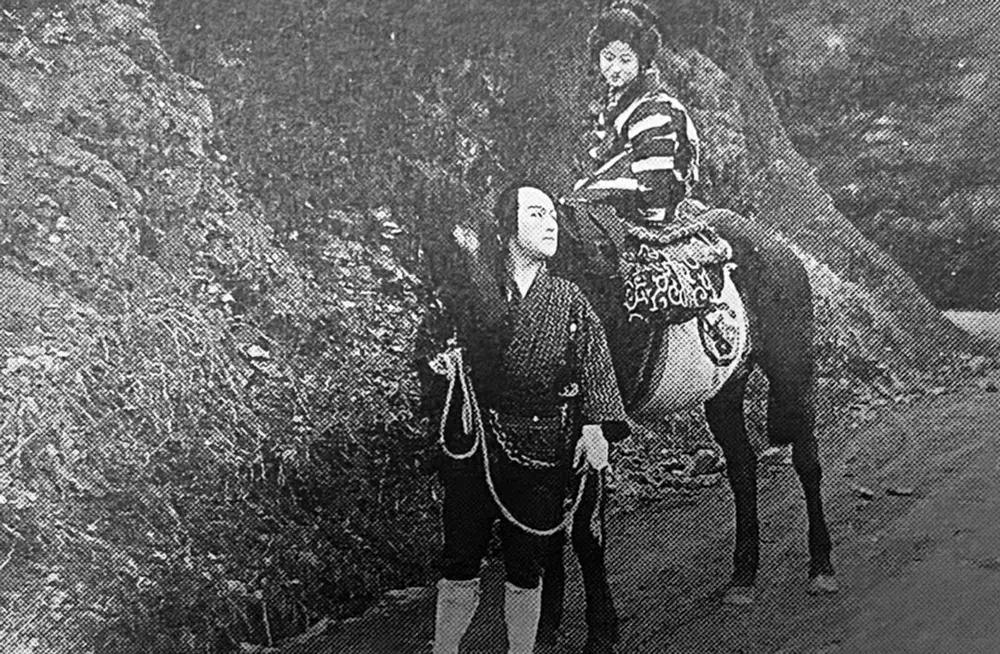
Daisuke Itô was often called the 'King of Directors' in Japan, and Part 1 of this diary proves why. While contemporary Western films like The Mystic were exploring atmosphere, Itô was obsessed with speed. He broke the frame. He didn't just place a camera; he hurled it into the fray. In the lost sequences of the Koshu swordfights, reports from the era describe a level of violence and movement that was unprecedented.
The editing in this film wasn't just about moving the story forward; it was about reflecting the internal chaos of the protagonist. When Chuji fights, the cuts are short and jagged. It’s a visual representation of a man fighting for his life against a system that has already condemned him. This wasn't the clean, choreographed dance of earlier films; it was a desperate, sweaty scramble for survival.
Consider the way Itô handles the character of Oshina. She isn't just a damsel in distress. She represents the collateral damage of the Edo social structure. By focusing on her plight, Itô forces the audience to confront the cruelty of the era. The camera lingers on the small details—the grip on a sword hilt, the sweat on a brow—grounding the high-stakes rebellion in human reality.
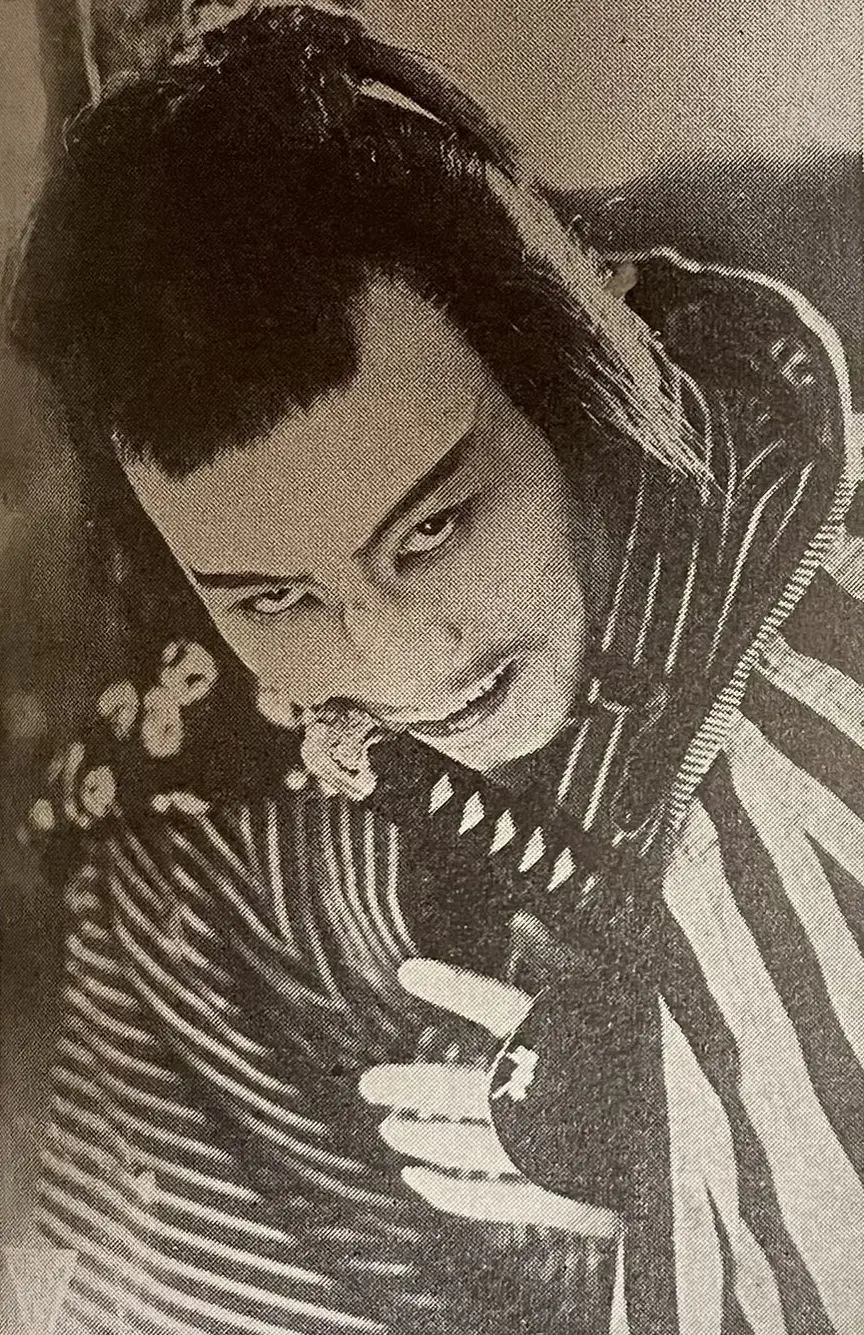
Denjirō Ōkōchi’s performance as Chuji is the stuff of legend. He didn't look like the polished stars of the time. He was rugged, intense, and deeply expressive. His Chuji is a man of few words but immense physical presence. In the scenes where he confronts the local authorities, his eyes convey a mixture of weary cynicism and burning rage.
There is a specific moment, documented in historical stills, where Chuji stands alone against a backdrop of the Koshu mountains. His posture isn't that of a triumphant warrior, but of a man carrying the weight of the world. This nuance is what separated this film from earlier works like Red Courage. Chuji was a hero you could actually believe was suffering.
Ōkōchi’s physicality in the swordfighting scenes—what remains of them—shows a mastery of the blade that feels dangerous. It’s not just 'acting' like a swordsman; it’s inhabiting the desperation of a man whose only tool for justice is a piece of steel. This performance set the bar for every jidaigeki actor who followed, from Toshiro Mifune to Tatsuya Nakadai.
The 1920s in Japan were a time of significant political friction. The 'tendency film' movement, of which Itô was a leader, sought to use historical settings to bypass government censors while still critiquing modern capitalism and class struggle. 'Chuji's Travel Diary part 1' is the pinnacle of this movement.
By choosing a bakuto—a gambler and social outcast—as his hero, Itô was making a radical statement. He was telling the audience that the 'true' Japanese spirit lived not in the elite, but in the outlaws who lived by their own code. This subversion is what makes the film so potent. It’s a middle finger to the establishment wrapped in a period adventure.
The film’s portrayal of the rigid social structure is brutal. The geisha house where Oshina is held is a microcosm of a society that commodifies human life. Chuji’s rebellion isn't just about saving one woman; it’s about challenging the idea that anyone can be 'owned.' This is heavy stuff for 1927, and it resonates even more strongly when compared to more traditional narratives like The Dog and the Thief.
The tone of Part 1 is one of escalating tension. It begins with the quiet, almost melancholic introduction of Chuji on the road, but quickly spirals into a fever dream of violence and social upheaval. The pacing is relentless. Itô doesn't waste time on flowery exposition. He trusts the audience to understand the stakes through action.
One of the most striking aspects is the film's use of shadows. Even in its fragmented state, the lighting design is clearly meant to evoke a sense of dread. The night scenes are ink-black, with Chuji emerging like a vengeful spirit. This noir-like aesthetic was decades ahead of its time, providing a visual depth that many contemporary films, such as Frontier of the Stars, lacked.
'Chuji's Travel Diary part 1' is a masterpiece that you have to chase. It is not a film that sits comfortably on a streaming service waiting for a passive click. It is a work of art that demands your attention and your imagination. It works. But it's flawed by the cruelty of time. It is a visceral, angry, and beautiful piece of cinema that proves the 'action movie' was born with a soul and a political conscience.
While it may not have the narrative polish of later sound-era epics, it possesses a raw power that is rarely matched. It is the foundation upon which the house of Japanese cinema was built. If you want to understand where the modern anti-hero came from, you have to look at Chuji. He isn't just a character; he is the sound of a society beginning to crack. It is essential viewing for anyone who takes the medium of film seriously.
IMDb 5.7
1936
Community
Log in to comment.