DbcultAccessing Vault...
Cult Review
Senior Film Conservator
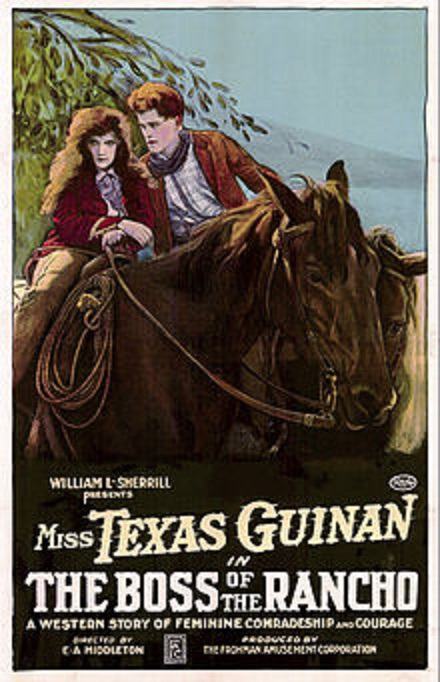
There's a peculiar magic in revisiting the silent era, a journey back to the very genesis of cinematic storytelling. Each frame, each exaggerated gesture, each intertitle serves as a historical artifact, a glimpse into a world both familiar and profoundly alien. 'The Boss of the Rancho', while perhaps not as widely celebrated as some of its contemporaries, offers a compelling window into the foundational tropes and enduring appeal of the Western genre. It's a film that, despite the passage of decades, continues to whisper tales of frontier justice, land disputes, and the indomitable spirit of those who carved a life out of the vast, unforgiving American landscape.
The narrative core of 'The Boss of the Rancho' is, at its heart, a classic struggle for dominion. We are introduced to a protagonist, often embodied by the stalwart presence of an actor like Tom London, whose very being is intertwined with the land he cultivates and protects. This isn't merely a tale of property ownership; it's an exploration of identity, legacy, and the moral imperative to defend one's home against external threats. The film masterfully builds tension around the encroaching forces of greed, personified by antagonists who seek to exploit the ranch's resources. The stakes are immediate and visceral, resonating with an audience deeply familiar with the precarious nature of life on the frontier. The plot, though seemingly straightforward, is a canvas for examining themes of community, betrayal, and resilience. It reminds one of the stark moral clarity often found in silent Westerns, where good and evil were painted in broad, unambiguous strokes, much like the landscape itself.
The uncredited writers, in crafting this tale, leaned heavily into the archetypes that would define the genre for decades to come. The noble rancher, the conniving villain, the damsel in distress (or, more interestingly, the strong-willed woman who defies convention) – these are the building blocks. Yet, within these familiar structures, 'The Boss of the Rancho' finds moments of genuine pathos and exhilarating action. The silent medium, far from being a limitation, often forced filmmakers to distill emotions and actions to their purest forms, creating a powerful, almost primal cinematic experience. It is this distillation that allows the film to transcend its simple premise, transforming it into a compelling study of character under du duress.
The cast of 'The Boss of the Rancho' brings these archetypes to vivid, expressive life. Tom London, a prolific figure in early Westerns, likely delivers a performance characterized by his signature blend of rugged stoicism and underlying sincerity. London's ability to convey deep emotion through subtle facial expressions and deliberate physical movements was paramount in an era devoid of spoken dialogue. His presence alone often lent an air of authenticity to the frontier setting, making him a reliable anchor for these types of narratives. One can imagine him, through the flicker of the projector, embodying the unwavering resolve of a man fighting for his legacy, much like his contemporaries in other enduring silent dramas.
Then there's Bud Larson, whose role would undoubtedly lean towards the antagonistic. In silent cinema, villains were often painted with broad strokes, their malevolence conveyed through sneers, furtive glances, and aggressive posturing. Larson, with his experience in numerous Westerns, would have been adept at crafting a memorable foil to London's hero, ensuring the conflict felt genuinely menacing. The dynamic between hero and villain was crucial; it wasn't just about good versus evil, but about the clash of opposing wills, each expressed through a highly stylized, yet effective, non-verbal language. This directness, while occasionally bordering on melodrama by modern standards, possessed an undeniable power to captivate audiences of the time.
Dorothy Oliver, likely playing the central female role, would have navigated the delicate balance between vulnerability and burgeoning strength. Silent heroines often began as figures needing rescue, only to reveal an inner fortitude that made them active participants in their own fates. Her performance would have hinged on conveying a spectrum of emotions – fear, hope, determination – purely through gesture and gaze. It’s a testament to the skill of these actors that they could forge such compelling character arcs without the aid of dialogue, relying entirely on their physical and emotional expressiveness. In many ways, silent acting demanded a heightened form of theatricality, where every movement was imbued with meaning.
And then there's the incomparable Texas Guinan, a force of nature whose very presence on screen was electrifying. Guinan, known for her boisterous personality and independent spirit, often brought a unique flavor to her roles. She wasn't merely an actress; she was a personality, a cultural icon who exuded confidence and a certain audacious charm. In 'The Boss of the Rancho', her character, whatever its specific contours, would undoubtedly inject a dose of unbridled energy and perhaps a touch of wry humor or an unexpected twist. Her ability to command attention, even without uttering a word, speaks volumes about her screen charisma. One can imagine her character offering a refreshing counterpoint to the more traditional roles, perhaps even challenging the prevailing gender norms of the era in subtle yet impactful ways. Her presence alone elevates the film, promising a performance that is anything but conventional.
The technical aspects of 'The Boss of the Rancho' would have been reflective of the burgeoning artistry of early cinema. Cinematography, though perhaps less sophisticated by today's standards, was crucial in establishing the expansive Western setting. Wide shots capturing vast vistas, close-ups emphasizing emotional intensity, and dynamic action sequences involving horses and stunts would have been meticulously planned and executed. The editing, too, played a vital role in pacing the narrative, building suspense during chases and emotional resonance during dramatic confrontations. The uncredited directors and cinematographers of this era were true pioneers, inventing the visual language of film as they went along. Their work in 'The Boss of the Rancho' would have contributed significantly to its overall impact, transforming a simple story into a captivating visual spectacle.
Consider the use of light and shadow, often employed to heighten dramatic effect. A villain lurking in the shadows, a hero silhouetted against a dramatic sunset – these were powerful visual metaphors that transcended the need for dialogue. The film's aesthetic would have been deeply rooted in the practical limitations and creative solutions of its time, resulting in a distinct visual texture that modern audiences can still appreciate for its historical significance and artistic ingenuity. It’s a reminder that even without the technological marvels of contemporary cinema, early filmmakers were masters of visual storytelling, capable of evoking profound emotional responses through carefully composed frames.
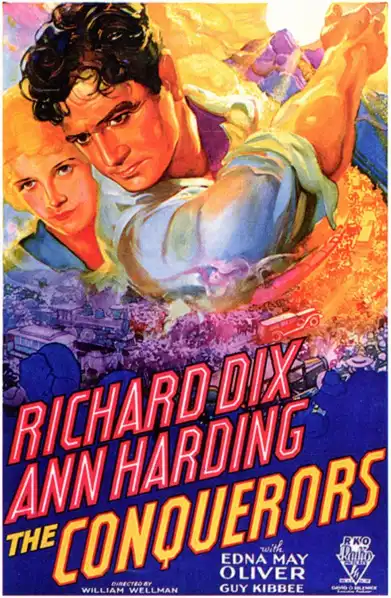
'The Boss of the Rancho' doesn't exist in a vacuum; it's a thread in the rich tapestry of early cinema. Its themes of justice and retribution find parallels in other films of the period, such as The Long Arm of the Law, where the pursuit of criminals across vast distances formed the central dramatic thrust. Both films, in their own ways, underscore the prevalent societal belief in the ultimate triumph of order over chaos, a comforting narrative for audiences navigating a rapidly changing world.
The portrayal of conflict and survival, often against overwhelming odds, might also evoke comparisons to films like A Bird of Prey, which likely explored similar struggles for dominance and the fight for one's very existence. The raw, untamed nature of the Western genre, with its inherent dangers and moral ambiguities, provided fertile ground for such narratives. These films, while distinct in their specific plots, shared a common philosophical underpinning: the exploration of humanity's resilience in the face of adversity, a theme that continues to resonate with audiences today.
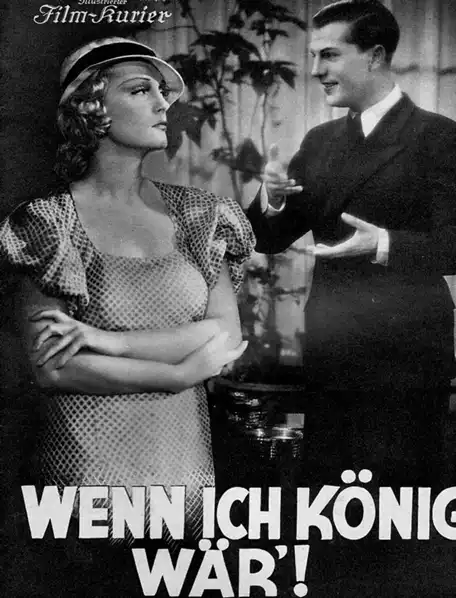
Furthermore, the romantic subplots, often intertwined with the larger conflict, echo the emotional complexities seen in dramas like A Fugitive from Matrimony or even the more internationally flavored Naar Hjertet sælges (When the Heart is Sold). While the cultural contexts differed, the universal themes of love, sacrifice, and societal pressures remained potent. The silent era was adept at conveying these universal emotions, relying on universally understood gestures and expressions to bridge linguistic and cultural divides. In 'The Boss of the Rancho', the blossoming romance, however subtle, would have added a vital layer of human connection to the rugged landscape.
If the film delved into themes of societal expectations or the struggle for personal autonomy, one might draw parallels with films like The Man Hater, which, despite its provocative title, likely explored a woman's defiance against restrictive norms. The evolving role of women in cinema, even in the early days, was a fascinating mirror to societal changes, and Texas Guinan's presence almost guarantees a character who pushes against conventional boundaries. Similarly, the stark choices characters faced, often with life-or-death consequences, could be compared to the intense moral quandaries presented in films like Severo Torelli, even if the settings and specific conflicts were vastly different. The essence of human struggle, the fight for one's principles, remained a compelling subject across genres and geographies.
The sheer spectacle of action, a hallmark of many early Westerns, could also be placed alongside the visual dynamism of films such as Stop, Look and Listen, which, despite its likely comedic bent, would have showcased the burgeoning capabilities of cinematic movement and rapid editing. Even the simpler narratives, like those potentially found in Everybody's Doing It or Sleuths and Slickers, shared a common goal: to entertain and engage an audience eager for escapism and adventure. 'The Boss of the Rancho' undoubtedly contributed to this nascent cinematic vocabulary, solidifying certain narrative structures and visual motifs that would become synonymous with the Western genre.
What makes 'The Boss of the Rancho' and its silent brethren so captivating, even today? It's more than just historical curiosity. These films represent a pure form of visual storytelling, untainted by the complexities of synchronized sound. They force the viewer to engage on a different level, to interpret emotion from gesture, to infer meaning from the interplay of light and shadow, to project their own imagination into the gaps left by the absence of dialogue. This active engagement creates a unique, almost meditative viewing experience. The grand, sweeping landscapes, the thundering hooves of horses, the dramatic confrontations – all are amplified by the silence, allowing the visual spectacle to truly dominate. The uncredited writers and directors, in their nascent understanding of the medium, were often remarkably intuitive in their grasp of what made a compelling story for the screen.
The genre itself, the Western, is deeply ingrained in the American psyche, representing foundational myths of self-reliance, expansion, and the struggle to tame a wild frontier. Films like 'The Boss of the Rancho' were instrumental in shaping these myths, in creating the iconic imagery and narrative frameworks that would influence countless films, television shows, and even literature for generations. They were more than just entertainment; they were cultural touchstones, reflecting and reinforcing a particular vision of American identity. Even a film less widely remembered than, say, The Eternal Grind or Lest We Forget, still contributes to this collective memory, offering a piece of the puzzle that is early Hollywood.
Many silent films, tragically, have been lost to time, their fragile nitrate stock disintegrating or simply discarded. The mere survival of a film like 'The Boss of the Rancho' is, in itself, a small victory for cinematic preservation. Each surviving reel offers invaluable insights into the filmmaking practices, societal values, and entertainment preferences of a bygone era. It allows us to trace the evolution of storytelling, the development of cinematic techniques, and the careers of actors and filmmakers who laid the groundwork for everything that followed. Understanding these early works is crucial for a complete appreciation of film history, much like studying the foundations of an ancient city to understand its modern form.
To watch 'The Boss of the Rancho' today is to engage in an act of historical archaeology. It's an opportunity to connect with the raw, pioneering spirit of cinema itself, to appreciate the artistry that blossomed in the absence of spoken words. It reminds us that storytelling, in its purest form, transcends technological advancements, relying instead on universal themes, compelling characters, and the sheer power of visual narrative. It's a testament to the enduring appeal of the Western, and a vivid reminder of the foundational contributions made by figures like Tom London, Bud Larson, Dorothy Oliver, and Texas Guinan to the grand spectacle of the silver screen. These uncredited writers and countless crew members, through their collective ingenuity, built an industry and, in doing so, created a timeless art form. The film, in its quiet way, continues to assert its place in the pantheon of early American cinema, a testament to the enduring power of a good story well told, even without a single spoken word.
IMDb 6
1931
Community
Log in to comment.