DbcultAccessing Vault...
Cult Review
Senior Film Conservator
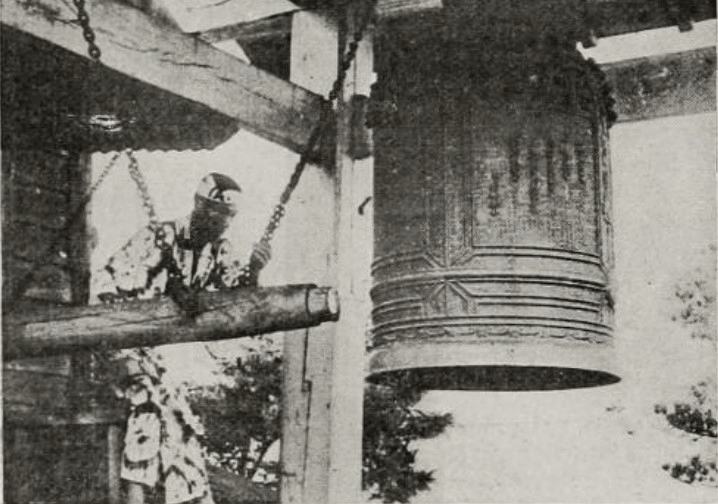
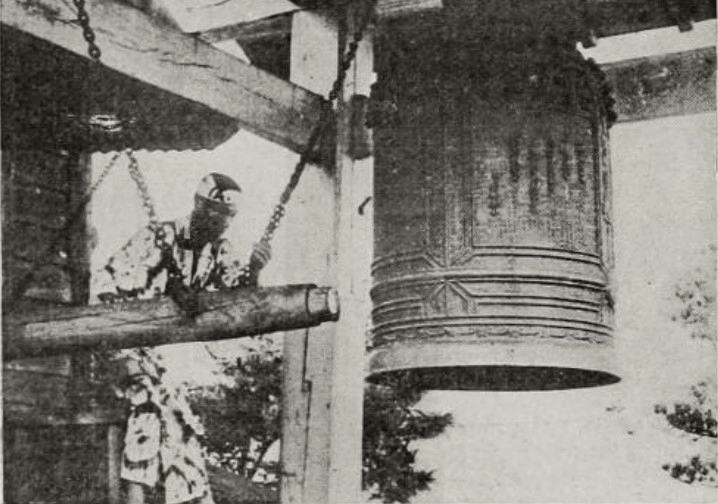
To witness The Land of the Rising Sun is to engage in a form of temporal alchemy. This 1913 documentary reel does not merely record; it resuscitates. As the Empress of India docks at the Yokohama harbor, the screen vibrates with the kinetic energy of a thousand waving handkerchiefs, a greeting that feels oddly personal even across a century of silence. Unlike the melodramatic artifice of The New Mission of Judex, this film finds its drama in the mundane, elevating the ethnographic observation to the level of high art.
The film opens with a fascinating pedagogical flourish, contextualizing Japan for the Western eye by comparing its landmass to Montana. Yet, the density of its fifty million inhabitants creates a visual texture far removed from the American frontier. We are introduced to Count Okuma, a figure of statesman-like poise, strolling with his grandchildren. This sequence serves as a bridge between the feudal past and the modernist future, a theme explored with far less subtlety in The Patriot.
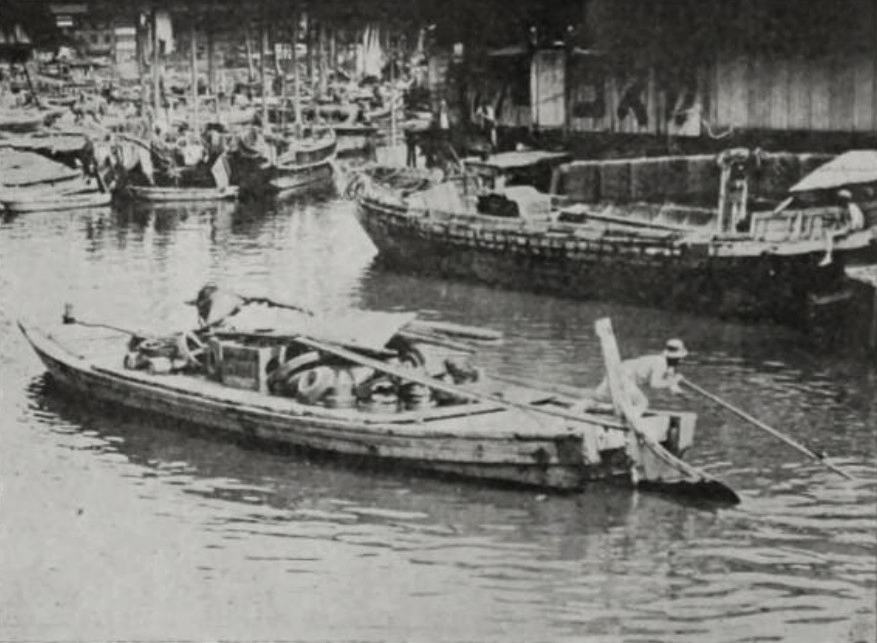
The urban segments are particularly revelatory. The Tokyo street scenes, punctuated by the silhouettes of watch towers, emphasize a culture of collective responsibility and fire prevention. There is a sense of 'thrift, health, and correct sanitation' that the filmmakers clearly intend as a rebuke to the perceived chaos of Western industrial centers. This focus on domestic order provides an intriguing counterpoint to the moral anxieties found in Idle Wives.
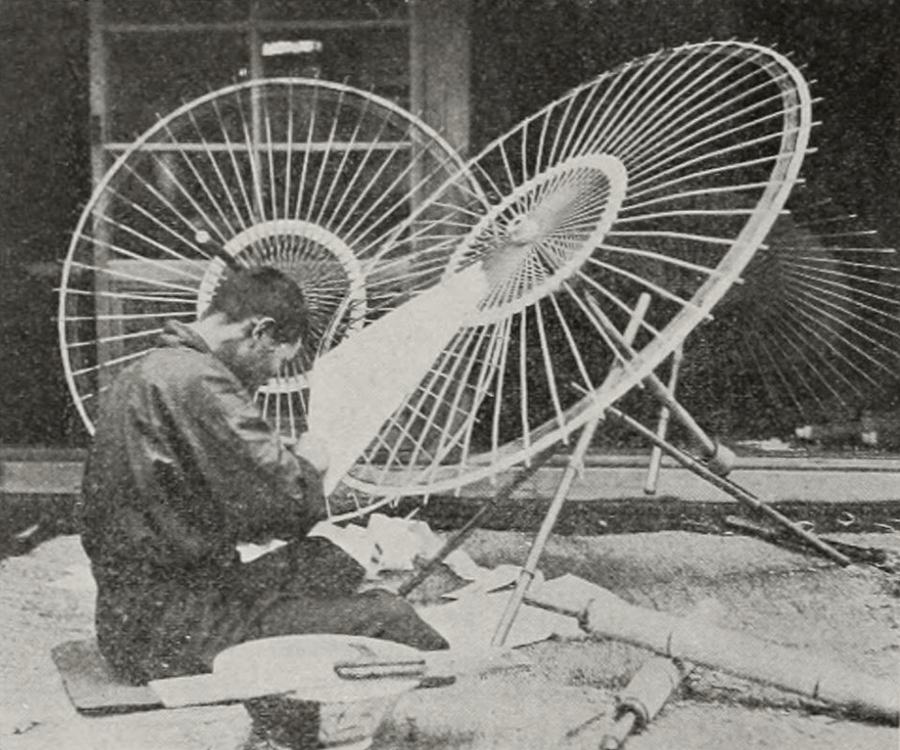
The cinematography captures the iris gardens of Kamata with such startling clarity that one can almost sense the humidity of the Japanese summer. When the camera shifts to the theater streets of Kyoto and the stone steps of Ikaio, the film adopts a rhythmic, almost staccato pacing. We watch the 'pretty Japanese maids' navigating these precipitous stairs with a grace that seems inherited rather than learned. It is a visual symphony of parasols and kimonos, a far more grounded display of exoticism than the operatic scale of Cleopatra.
In the 'Child Life' segment, the film achieves its most poignant moments. We see boys on swinging logs and girls among flowers, imbibing the wisdom of storytellers. The film argues that the Japanese child’s joy is a product of deliberate social engineering, a perspective that mirrors the earnestness of Cohen's Luck in its portrayal of community-based upbringing.
The 'Industries of Japan' reel is a masterclass in process-oriented filmmaking. The inundation of lowlands for rice planting and the meticulous plucking of tea leaves are presented with a reverence for labor that borders on the spiritual. However, the true centerpiece is the sequence on sericulture. The close-ups of silkworms and the subsequent spinning of cocoons provide a tactile intimacy that was rare for the period. It reminds one of the detailed procedural elements in The Greyhound, though here the stakes are the creation of beauty rather than the mechanics of a heist.

Furthermore, the inclusion of cormorant fishing adds a layer of ancient tradition to the industrial narrative. This symbiotic relationship between man and bird is captured with a raw, unadorned realism that predates the more stylized ethnographic attempts in A Maori Maid's Love. The film understands that the 'Rising Sun' is powered as much by these ancient methods as by the modern steamships in the harbor.
The wedding ceremony is a highlight of cultural translation. We see the preparation of the trousseau and the peculiar covered vehicle that transports the bride. The exchange of presents and the partaking of the beverage are filmed with a respectful distance, avoiding the voyeuristic tendencies often found in early colonial cinema. This segment pairs beautifully with the fictional 'Urashima, the Fisher Boy,' a fairy tale that allows the Japanese cast to showcase their theatrical range. The inclusion of folklore within a documentary framework is a bold choice, reminiscent of the narrative blending in Eye of the Night.
The tone shifts dramatically with 'An Englishman's First Night in a Japanese Inn.' This comedic coda serves as a fascinating study of the 'Other.' The protagonist’s struggle with the hard floor and the 'typical Japanese pillow' provides a moment of levity that underscores the cultural chasm the film has spent the previous hour trying to bridge. It is a bit of physical comedy that wouldn't feel out of place in On the Level, yet it carries the weight of genuine cross-cultural friction.
The Land of the Rising Sun is more than a historical artifact; it is a vibrant, breathing document of a culture at a crossroads. While films like Samson or The Ship of Doom sought to thrill through spectacle, this picture thrills through the revelation of the real. Its exploration of artificial pearl culture—the biological defense of an oyster turned into human luxury—serves as a perfect metaphor for the film itself: a gritty nucleus of reality transformed into a luminous pearl of cinematic history.
Whether it is the mystery of the religious processions, which rival the tension of Wer ist der Täter?, or the simple charm of a dancing instructress, the film remains an essential watch. It captures a Japan that was already fading by the time the film was developed, a world of 'elaborate kimonas' and 'vigilant officers' that continues to fascinate. If you seek the origins of the ethnographic gaze, or simply a window into a world of 'fascinating beauty,' this is your destination. It lacks the melodrama of The Voice of Love, but it possesses a sincerity that is far more enduring.

IMDb 4.2
1919
Community
Log in to comment.