DbcultAccessing Vault...
7.4/10
Senior Film Conservator
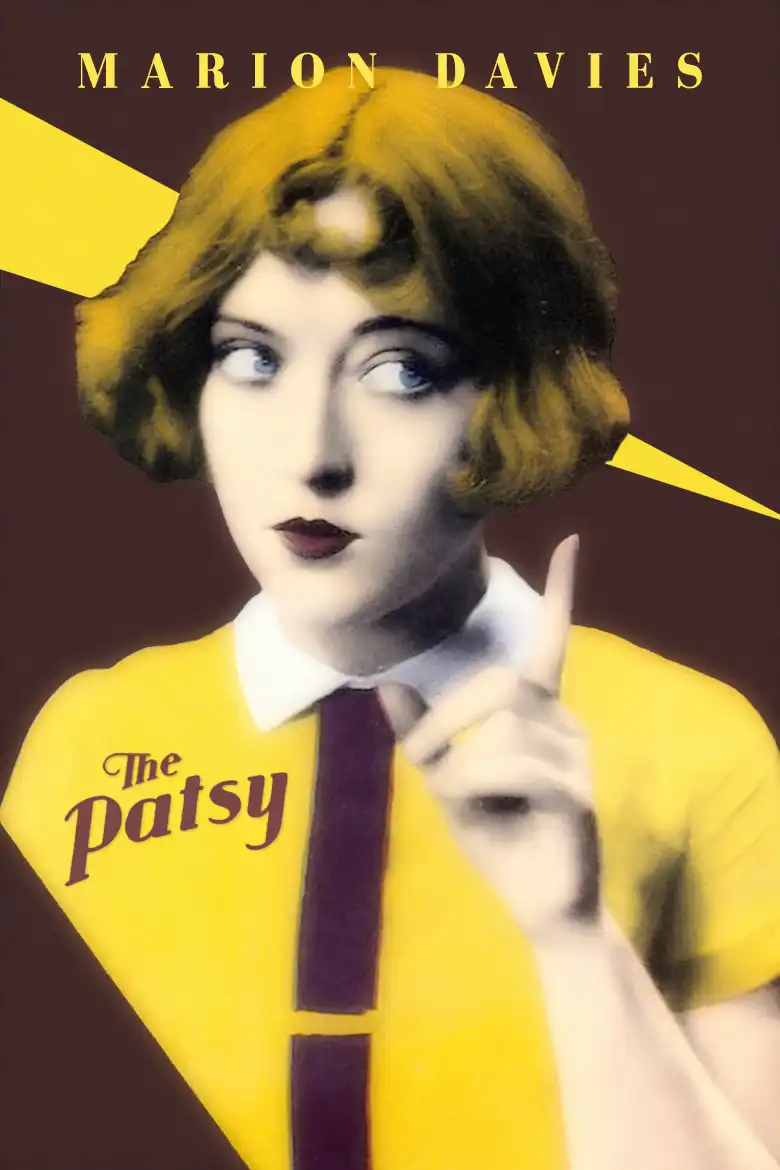
A definitive 7.4/10 rating for a film that redefined the boundaries of cult cinema. The Patsy remains a cornerstone of transgressive art.
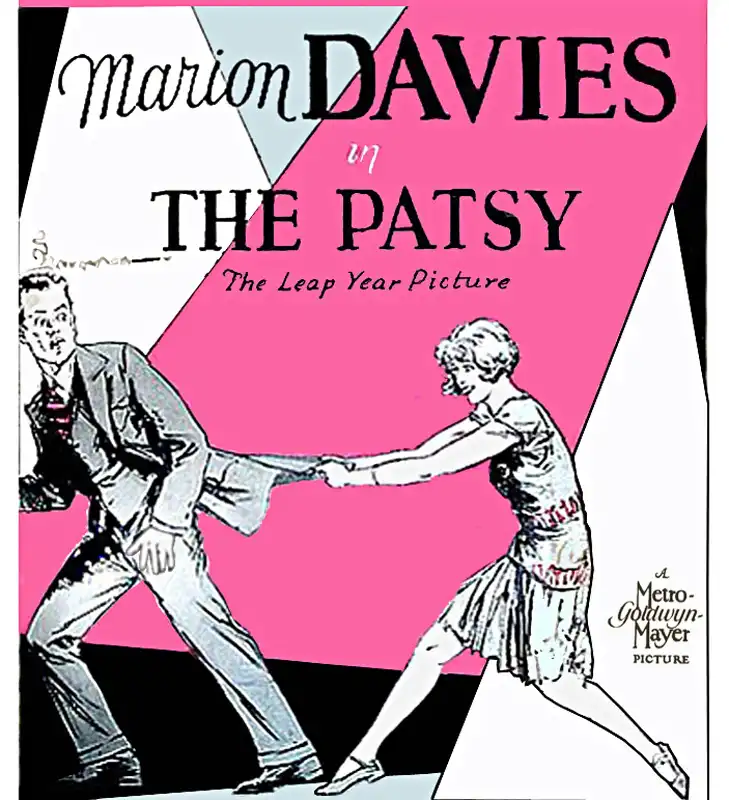
If you have ever felt like the least important person in your own living room, The Patsy is for you. This 1928 King Vidor comedy is more than just a dusty relic of the silent era; it is a surprisingly sharp, often cynical look at family favoritism and the exhausting work of trying to be 'likable.' While many silent comedies rely on grand-scale stunts or slapstick violence, The Patsy finds its best moments in the awkward silence of a dinner table and the desperate facial expressions of a girl who just wants to be noticed. It is absolutely worth watching today, especially for anyone who thinks silent film acting is all about clutching pearls and fainting.
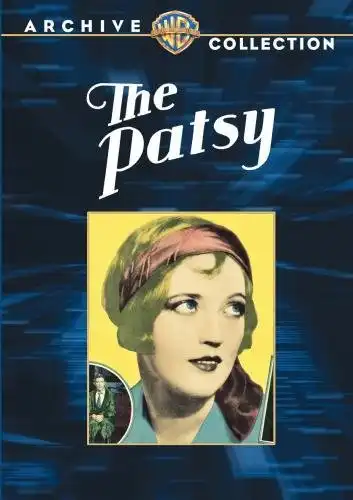
Those who enjoy character-driven humor and physical comedy will find plenty to love here. However, if you are looking for a fast-paced action romp or find the 'ugly duckling' trope inherently irritating, the film’s domestic focus might wear thin. But for anyone interested in the history of screen acting, this is a vital text.
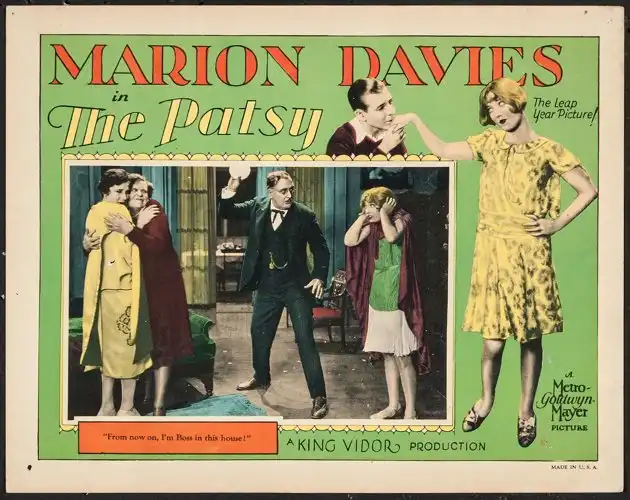
The film belongs entirely to Marion Davies. For years, her reputation was unfairly overshadowed by her relationship with William Randolph Hearst, but The Patsy proves she was one of the most gifted comediennes of her generation. As Patricia Harrington, she doesn’t just play 'the awkward girl'; she inhabits the physicality of someone who is uncomfortable in her own skin. Watch the way she walks—slightly pigeon-toed, arms swinging a bit too wide—it’s a conscious choice that makes her eventual transformation feel earned.
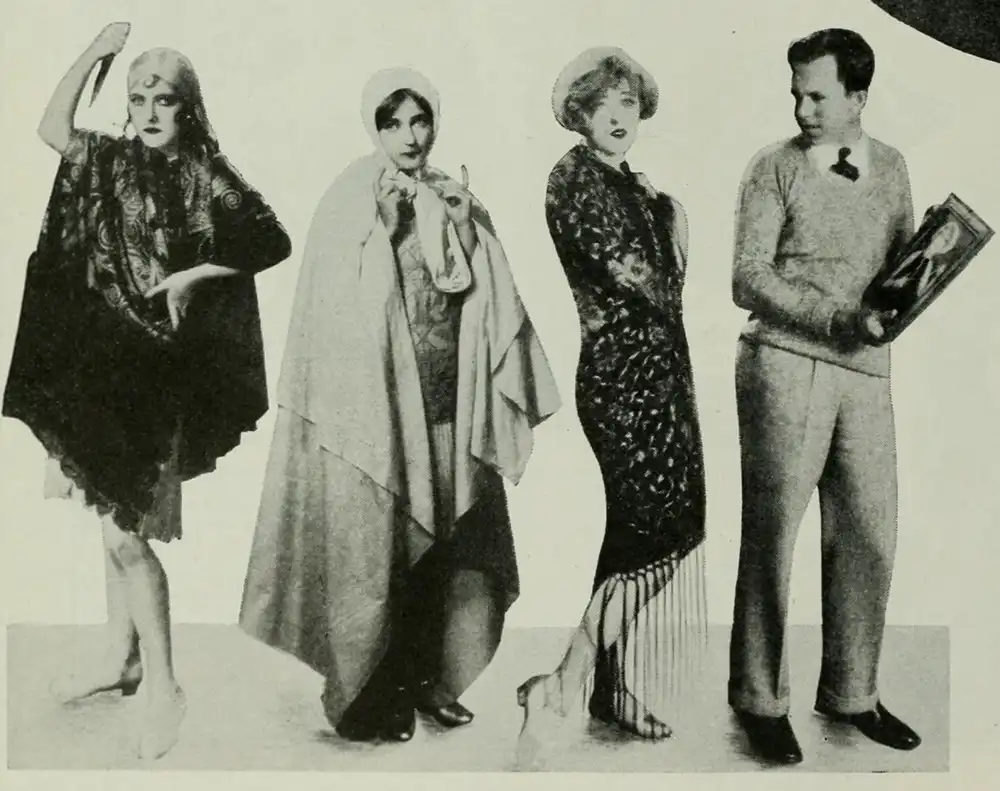
The centerpiece of the film, and the scene everyone remembers, is Patricia’s attempt to woo Tony (Lawrence Gray) by doing impressions of the era’s biggest stars. She cycles through Lillian Gish, Mae Murray, and Pola Negri. What makes this work isn't just the accuracy of the mimicry—it’s the frantic desperation behind it. She isn't just doing a bit; she is a girl who thinks her own personality is so worthless that she has to borrow someone else's. When she does Mae Murray’s 'bee-stung' lips, it’s funny, but it’s also a little pathetic in a way that feels very human. It’s a far cry from the more melodramatic performances found in films like Hilde Warren und der Tod.
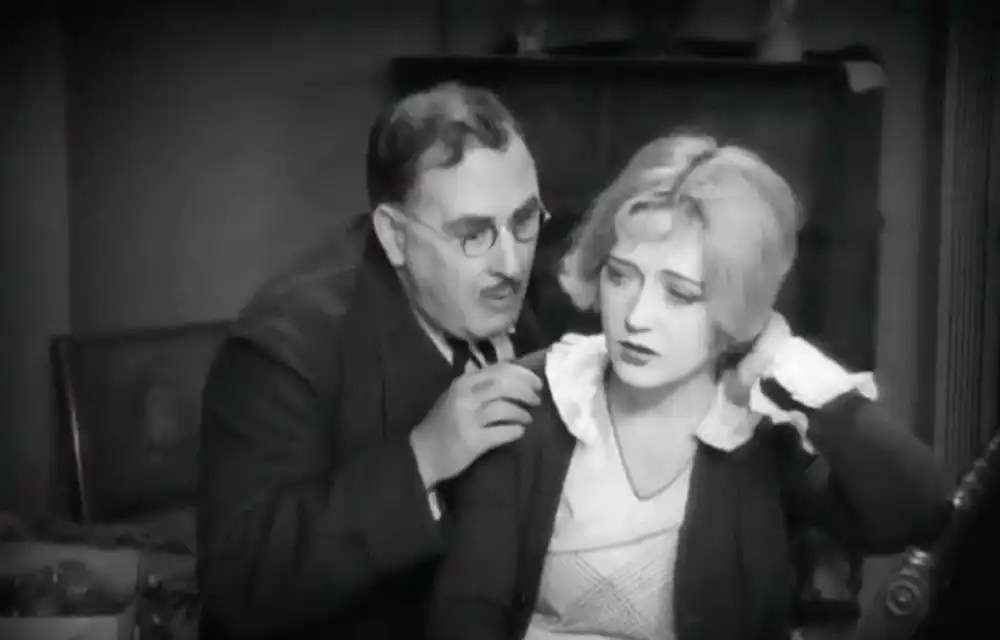
The film’s secret weapon is Marie Dressler as Ma Harrington. Dressler is a force of nature. In an era where many actresses were trying to look as delicate as possible, Dressler leans into her size and her expressive, rubbery face to play a woman who is essentially a domestic tyrant. She treats Patricia like a servant and her husband, Pa (Dell Henderson), like a nuisance. The chemistry between Henderson and Davies provides the film’s emotional core. They are the two 'patsies' of the house, bonded by their shared status as second-class citizens.
There is a specific scene where Pa tries to stand up for Patricia during dinner, and the way the camera lingers on the back of his head as he waits for his wife’s reaction is genuinely tense. It’s a small, domestic drama that feels more grounded than the heavy-handed moralizing found in Parentage. The film understands that the greatest tragedies often happen over a plate of cold ham.
King Vidor is known for his visual ambition, and while The Patsy isn't as experimental as some of his other works, the direction is incredibly clean. The lighting in the Harrington house feels lived-in—darker in the corners, cluttered with the kind of Victorian junk that a family like this would refuse to throw away. The editing rhythm is snappy, particularly during the sequence where Patricia is reading her 'Personality' book. The jump cuts between her reading the instructions and then attempting to 'look enigmatic' against a doorway are perfectly timed.
The pacing does hit a slight snag in the second act. The subplot involving the older sister, Grace (Jane Winton), and her various suitors drags on a bit too long. We are so invested in Patricia that every minute spent on Grace’s vapid social life feels like filler. It reminds me of the narrative imbalances in films like Miss Nobody, where the 'glamorous' characters are significantly less interesting than the protagonist. However, Vidor recovers the momentum once Patricia’s plan to 'disgrace' herself begins, leading to a finale that is both chaotic and satisfying.
One of the most relatable elements for a modern audience is the 'Personality' book Patricia buys. It’s a 1920s version of a self-help TikTok, promising that you can be popular if you just follow a few simple, bizarre steps. The title cards here are excellent—sharp, witty, and cynical. When Patricia tries to 'radiate magnetism' by staring intensely at Tony, the look on his face is priceless. It’s a great example of how silent film could use reaction shots to do the work of a dozen lines of dialogue.
The film also avoids the trap of making Patricia’s makeover too successful. She doesn't suddenly become a polished socialite. Even at the end, she’s still a bit of a mess, which makes the resolution feel much more honest than the typical Hollywood ending. She doesn't win by becoming someone else; she wins because her 'someone else' act is so disastrously funny that Tony finally actually looks at her.
The Patsy is a rare silent film that doesn't require the viewer to make excuses for its age. The humor isn't based on outdated tropes, but on the universal experience of family dysfunction and the desire to be loved. Marion Davies gives a performance that is technically brilliant and emotionally resonant, proving she was far more than a socialite with a movie career. If you’re looking for a gateway into silent cinema that feels modern, funny, and surprisingly cynical, this is it. It captures the frantic energy of the late 20s perfectly—a world on the brink of sound, where everyone was trying just a little too hard to be heard.
IMDb —
1915
Community
Log in to comment.