DbcultAccessing Vault...
6.5/10
Senior Film Conservator
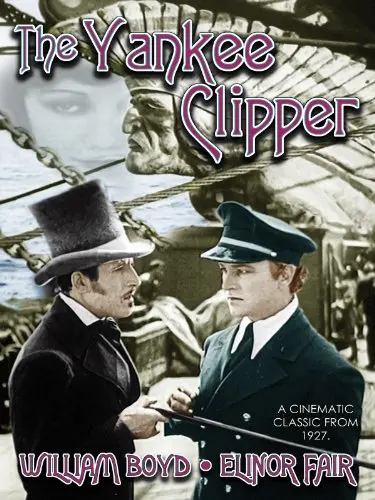
A definitive 6.5/10 rating for a film that redefined the boundaries of cult cinema. The Yankee Clipper remains a cornerstone of transgressive art.
Is the 1927 silent epic The Yankee Clipper still a voyage worth taking today? Short answer: Yes, but only if you appreciate the visceral impact of practical stunt work over modern digital artifice.
This film is for the maritime history enthusiast and the silent cinema scholar who enjoys seeing the sheer scale of 1920s production values. It is NOT for the casual viewer who requires fast-paced dialogue or those who find the deliberate pacing of silent-era melodrama to be a chore.
1) This film works because the maritime sequences feel genuinely dangerous, utilizing real ships and massive water tanks that create a sense of physical weight often missing in contemporary cinema.
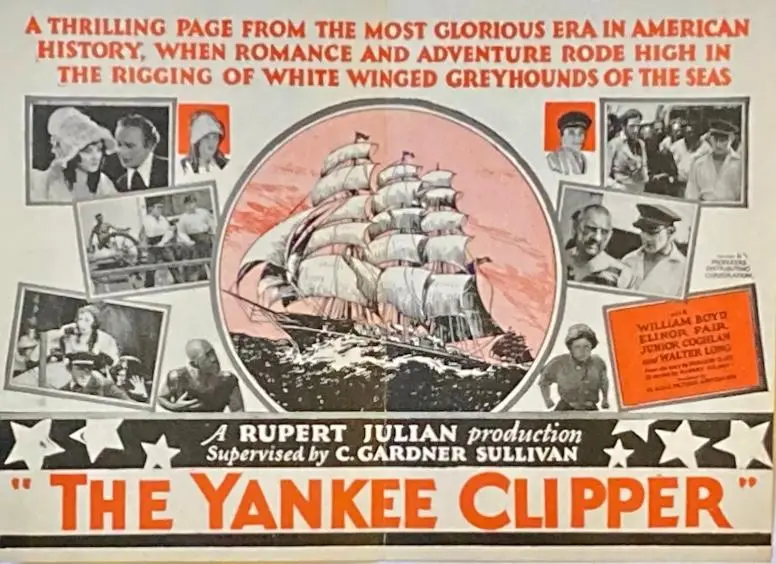
2) This film fails because the romantic subplot between Hal Winslow and Jocelyn Huntington feels tacked on, slowing down the momentum of the actual race.
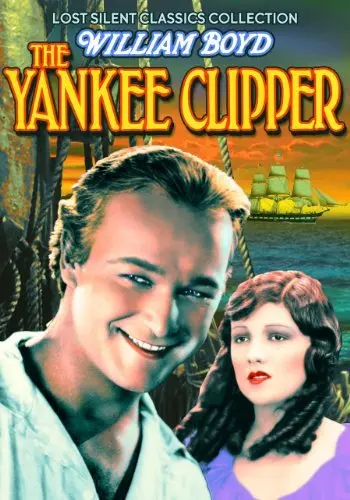
3) You should watch it if you want to see William Boyd before he became the iconic Hopalong Cassidy, delivering a rugged, physical performance that anchors the film.
Directed by Rupert Julian and produced under the watchful eye of the Cecil B. DeMille studio, The Yankee Clipper is a film obsessed with the concept of American ingenuity. The narrative setup is simple: a race to Boston for a tea contract. However, the execution is anything but simple.
The film thrives when it focuses on the mechanics of the ship. Unlike The Submarine Eye, which explored the depths, Julian’s film is obsessed with the surface—the tension of the sails, the creak of the wood, and the relentless spray of the salt water. The cinematography captures the vastness of the ocean in a way that feels lonely and intimidating.
One specific scene that stands out is the initial departure from China. The juxtaposition of the sleek American clipper against the traditional harbor craft creates a visual metaphor for a changing world. It is a moment of quiet before the literal storm, and Julian handles it with a restraint that is rare for the era.
When the typhoon hits, the film shifts from a sports-like competition into a survival horror. The practical effects here are staggering. You can see the actors being pummeled by thousands of gallons of water. This isn't the controlled environment of a modern soundstage; it feels like chaos captured on celluloid.
Compare this to the action in Black Lightning, and you see a distinct difference in how silent films handled environmental threats. In The Yankee Clipper, the storm is a character. It has a personality—it is cruel, indifferent, and relentless. The way the camera shakes during the height of the gale adds a documentary-like quality to the fiction.
The mutiny subplot, led by the reliable heavy Walter Long, adds a human layer to the environmental threat. While some might find the 'evil sailor' trope a bit tired, Long plays it with such menacing physicality that it works. It creates a dual-front war for our protagonist: he must fight the sea and his own men simultaneously.
William Boyd is the heartbeat of the film. Long before he was a cowboy hero, he was a convincing leading man of the sea. His performance is grounded. He doesn't rely on the over-the-top gesticulation that plagued many silent films of the late 20s. He uses his eyes and his posture to convey the mounting pressure of command.
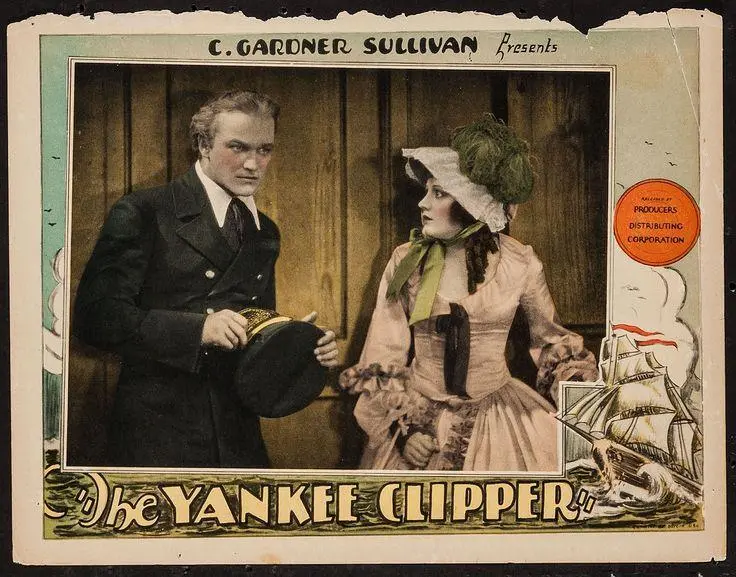
Elinor Fair, playing the love interest, does what she can with a somewhat thin role. Her presence is clearly intended to broaden the film's appeal, much like the casting in A Fool There Was, but she is often overshadowed by the ship itself. The ship is the true co-star.
The supporting cast, including John Miljan and a young Frank Coghlan Jr., provides the necessary texture to the crew. You believe these men have been at sea for months. Their faces are weathered, their movements are heavy. This attention to detail in casting is what elevates the film above standard B-movie fare of the time.
Does the film hold up for a modern audience?

Yes, the typhoon and mutiny sequences remain technically impressive even by today's standards. The lack of dialogue actually enhances the tension during the water-shortage scenes. You feel the thirst through the parched expressions of the crew. It is a visual triumph that overcomes its dated romantic tropes.
Pros:
Cons:
One surprising aspect of The Yankee Clipper is how it handles the concept of 'thirst.' In many films, like The Thief, the conflict is external and tangible. Here, the lack of water becomes a psychological horror. There is a brutal simplicity to it. A man can fight a mutineer, but he cannot fight biology. The scenes where the crew stares at the horizon for rain are more effective than any sword fight.
Another interesting note is the film's lack of a traditional 'villain' for the first half. The British captain isn't a monster; he's a competitor. This adds a layer of sportsmanship that makes the later descent into mutiny and survival feel more tragic. It’s not a battle of good vs. evil, but man vs. the elements. It works. But it’s flawed.
The Yankee Clipper is a gargantuan achievement of silent-era logistics. While the narrative occasionally gets caught in the doldrums of romantic cliche, the sheer power of its central race—and the terrifying storm that disrupts it—makes it a mandatory watch for anyone interested in the evolution of the action epic. It is a film that smells of salt and old wood. It is visceral, flawed, and ultimately magnificent.
IMDb 7.6
1925
Community
Log in to comment.