DbcultAccessing Vault...
5.3/10
Senior Film Conservator
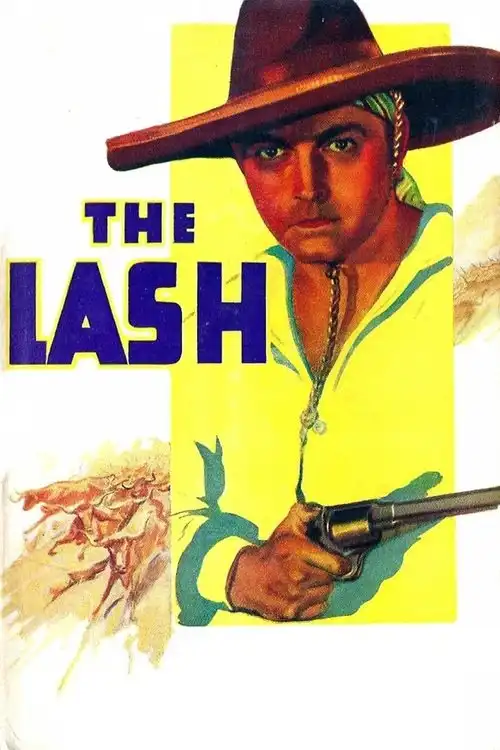
A definitive 5.3/10 rating for a film that redefined the boundaries of cult cinema. The Lash remains a cornerstone of transgressive art.
Look, if you’re not already a classic film fanatic, or someone who gets a kick out of watching movies from **way** back when, The Lash (1930) is probably not going to be your next Saturday night pick. But for those of us who enjoy a peek at early sound cinema, or just a good old-fashioned swashbuckling tale, it's actually got some moments. If you need explosions and lightning-fast cuts, skip this one entirely. 🙅♀️
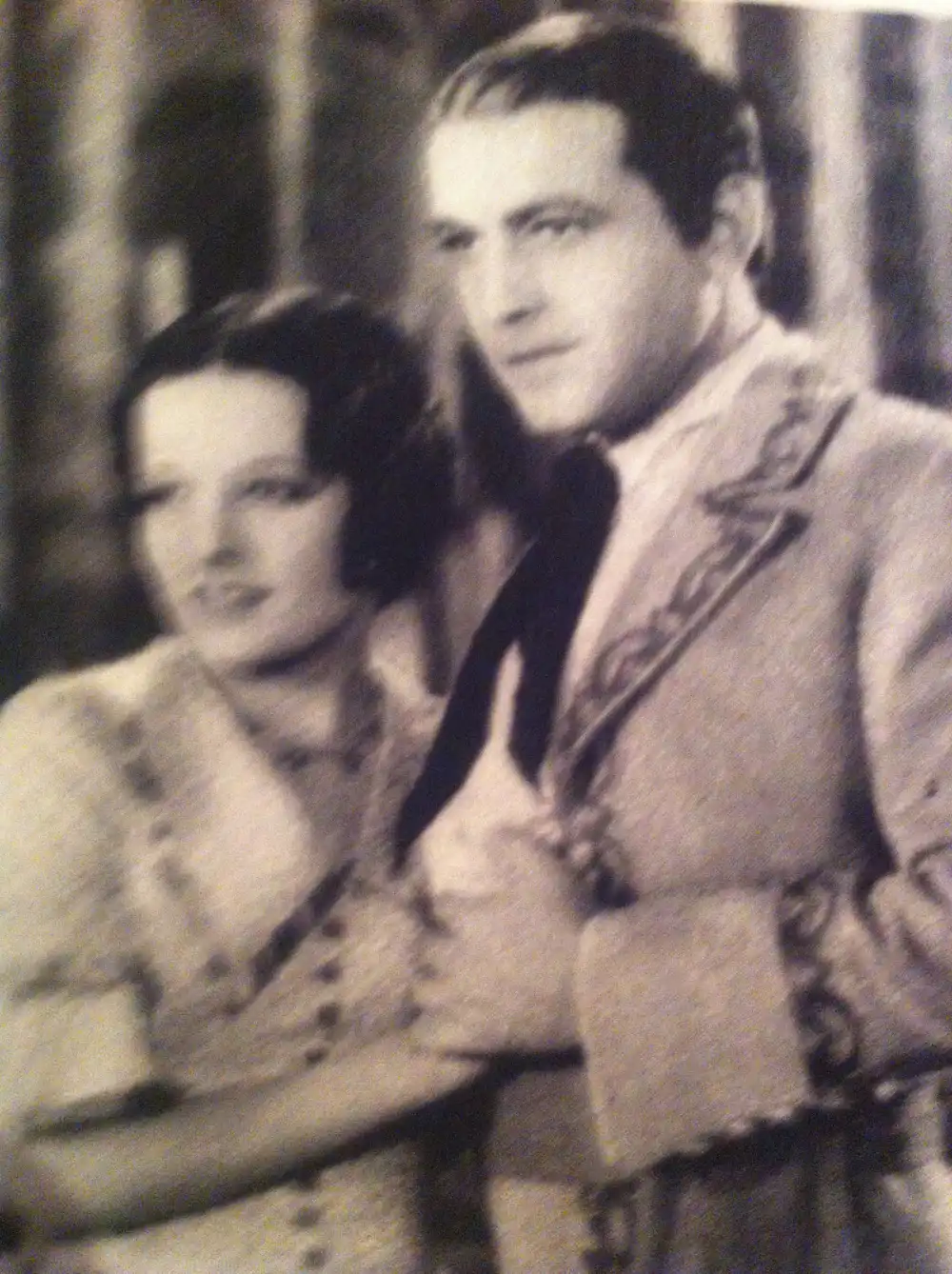
The setup is pretty straightforward. Don Francisco Delfina, played by Richard Barthelmess, is this *very* proper gentleman in 1848 California. But when night falls, he swaps his fancy clothes for a mask and cape, becoming El Puma, a kind of avenging hero. Think Zorro, but maybe with a bit less… *flair* in the swordplay department.
His target? Peter Harkness, the land agent, played by Fred Kohler. Kohler is just *so good* at being a greasy, mean-spirited bully. You really want to see El Puma give him what for. Seriously, what a rotten guy. 😠
Barthelmess really carries the film. He has this **easy charm** as Don Francisco. Then, as El Puma, he gets a bit more intense, a little more *dangerous*. You believe both sides of him, even when the disguise is just a tiny mask and no one seems to notice. 🎭
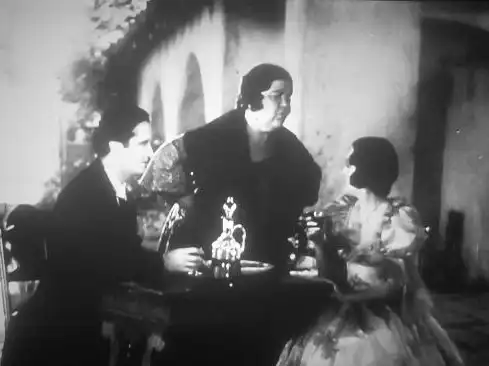
Mary Astor is here too, as Don Francisco’s love interest, Dulce. She’s lovely, of course. Her scenes with Barthelmess have a nice spark, even if her character mostly exists to be rescued or look worried. It was 1930, after all.
The movie’s age definitely shows, and that’s part of its charm, honestly. The sound often feels a bit muffled, like they’re talking through a blanket. And the camera? It mostly just *sits there*, watching. You get used to it.
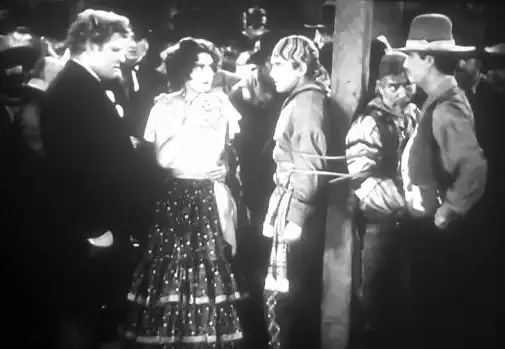
One moment sticks with me: a scene where El Puma is hiding, and you can almost *feel* the crew trying to figure out how to shoot it without moving the camera too much. The shadows are cool though, really. It adds to the mystery.
The action sequences are… gentle. There’s a lot of running around and some dramatic falls, but it's not exactly high-octane. The horse chases are pretty fun, though. You can tell they tried. 🐎
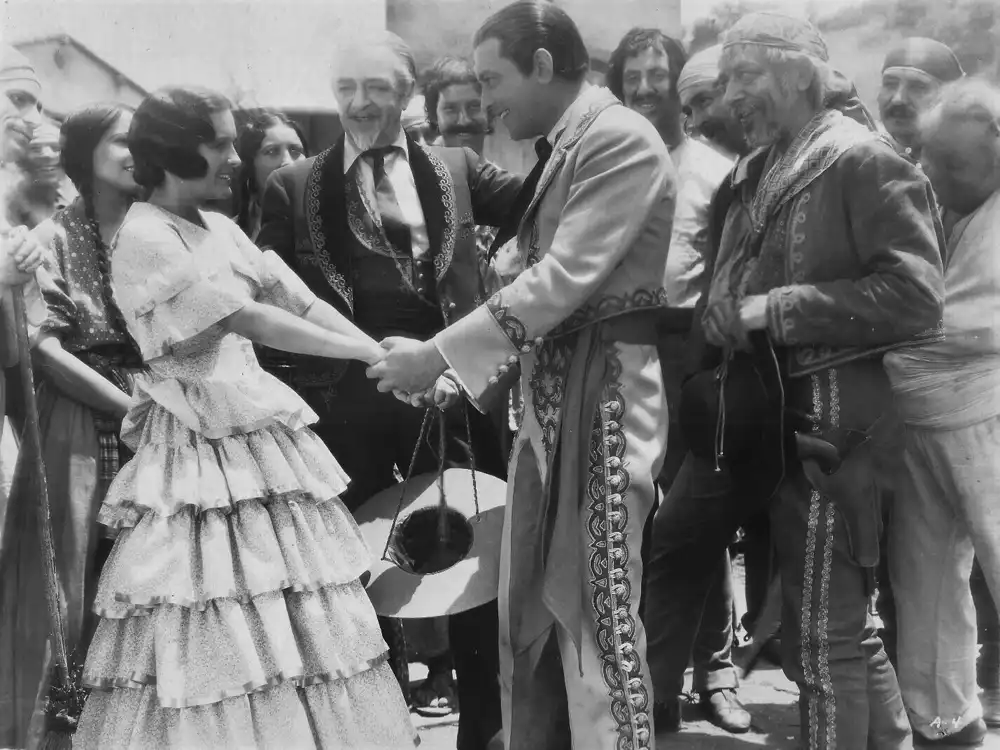
There’s a bit where a character, I think it was Pedro León, gets this **really dramatic** close-up after a fight. It lingers just long enough to be slightly funny, then you realize they're probably just trying to hold the shot for effect. It's endearing.
I did notice the crowd scenes. They feel a bit sparse, like maybe only half the town showed up for the revolt. But everyone puts in a good effort, waving their arms around with conviction.
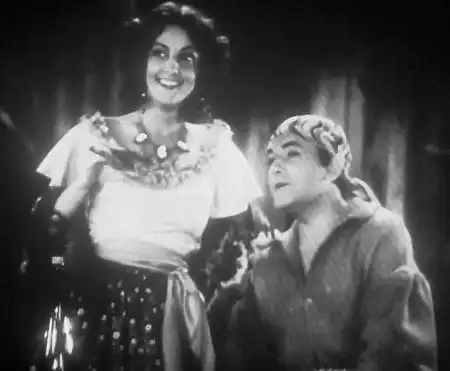
The whole idea of this masked hero fighting injustice in old California? It’s classic stuff. No need to reinvent the wheel, right? They just did it with the tech they had. Simple and effective, for its time.
It's fascinating to see how they used music. Sometimes it kicks in, sometimes it just… stops. It's not the seamless score we expect today. More like a live orchestra was playing, and they had to take a break. 🎶
Final thoughts? It’s a historical curiosity more than a gripping drama. But Barthelmess is good, and it’s neat to see a swashbuckler from so long ago. Just don't expect anything too wild. Think of it as a quiet afternoon spent with a black-and-white ghost. 👻
IMDb —
1916
Community
Log in to comment.