A definitive 7.9/10 rating for a film that redefined the boundaries of cult cinema. The Last Command remains a cornerstone of transgressive art.
Is The Last Command Worth Watching Today?
Absolutely. For anyone with an appreciation for silent cinema, profound character studies, or the early artistry of Hollywood, Josef von Sternberg's 1928 film The Last Command is essential viewing. It’s a masterclass in visual storytelling and features one of the most compelling, physically expressive performances ever committed to celluloid by Emil Jannings. If you’re a cinephile, a student of acting, or simply curious about the silent era’s peak, this film commands your attention. However, those who struggle with the slower pacing inherent to silent films, or who demand constant dialogue and rapid-fire plot developments, might find its deliberate rhythm challenging. This isn't a casual watch; it's an immersive experience that rewards patience.
The Unforgettable Face of Emil Jannings
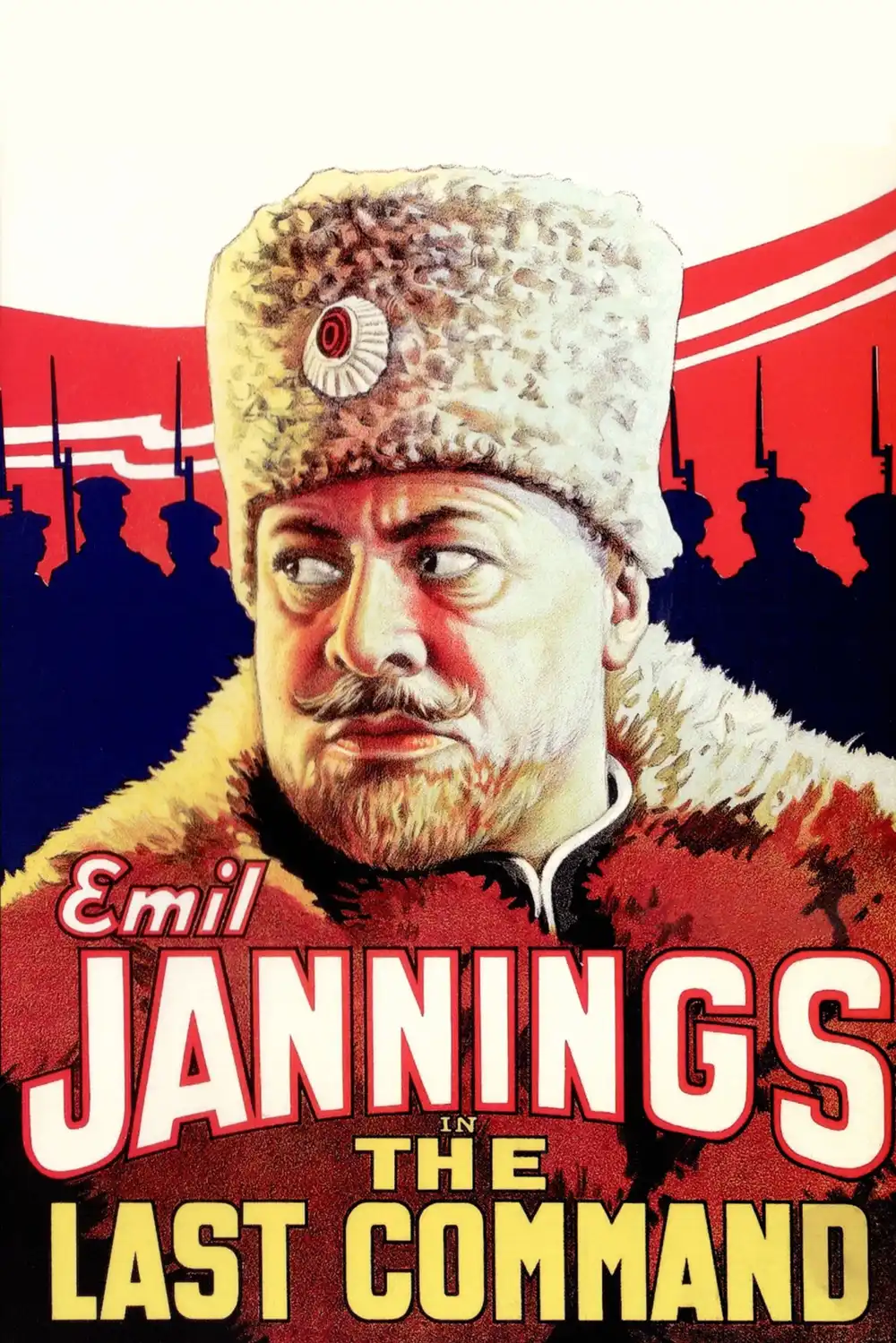
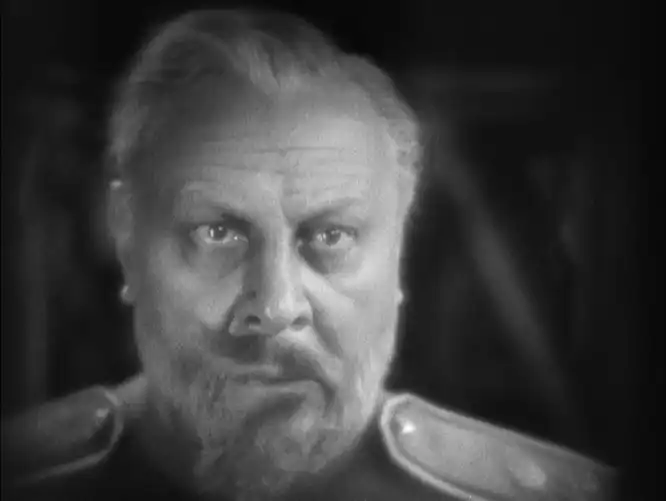
The core of The Last Command, its very pulse, is Emil Jannings as Grand Duke Sergius Alexander. His performance is a monumental achievement, rightfully earning him the first-ever Academy Award for Best Actor. Jannings doesn't merely act; he embodies the character with every fiber of his being. As the proud, formidable general in the flashback sequences, he carries himself with an almost regal stiffness, his gaze piercing, his movements deliberate and powerful. You see the weight of command in his posture, the history etched into his weary but defiant face.
Scene from The Last Command
Cinematic perspective: Exploring the visual vocabulary of The Last Command (1928) through its definitive frames.
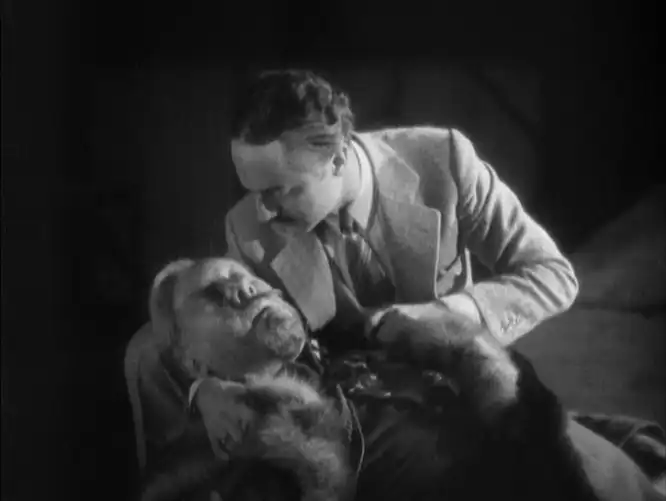
The true genius, however, lies in his transformation into the Hollywood extra. The pride is still there, but now it’s a brittle, desperate thing, clinging to the remnants of dignity. Observe the way Sergius, now an old man in ill-fitting clothes, meticulously polishes a prop medal on set – it’s a small, almost throwaway gesture, yet it speaks volumes about his past and his present. His eyes, once sharp and commanding, now hold a distant, haunted quality, occasionally flickering with a spark of recognition or a flash of his former self. There’s a scene where he’s asked to portray a general, and he instinctively straightens his back, his shoulders pulling upwards, a muscle memory of his former rank asserting itself even as he’s being directed by a much younger man. It’s a subtle physical shift that only a truly committed actor could convey without a word.
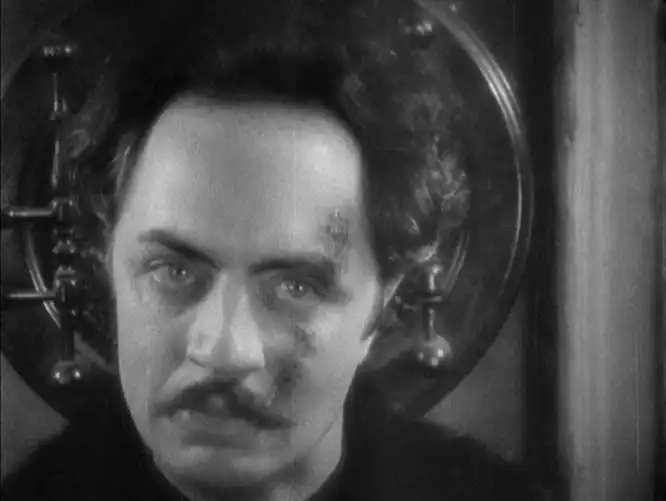
Evelyn Brent, as the fiery revolutionary Natalie, provides a potent foil to Jannings. Her performance is less nuanced but equally intense, particularly in the flashback where she’s both defiant and alluring. William Powell, in an early role as the revolutionary director Leo Andreyev, is effectively cold and calculating, his understated intensity hinting at the trauma he endured under Sergius’s command. His quiet, almost detached observation of Sergius on set is particularly chilling, a silent judgment that underscores the film's central irony.
Scene from The Last Command
Cinematic perspective: Exploring the visual vocabulary of The Last Command (1928) through its definitive frames.
Pacing, Tone, and Irony
Sternberg handles the film's pacing with a seasoned hand, balancing the epic scope of the Russian Revolution with the confined, often chaotic world of a Hollywood studio. The opening act, setting up Sergius’s current predicament, feels deliberate, perhaps even a touch slow for modern sensibilities, as it establishes the melancholic tone. However, once the film dives into the extended flashback to Imperial Russia, the pace quickens considerably, particularly during the scenes of revolutionary fervor and Sergius’s desperate attempts to maintain order. The rapid cuts during the battle sequences convey urgency and chaos, contrasting sharply with the more contemplative, observational shots of Sergius in his Hollywood dressing room.
The film’s greatest strength lies in its profound sense of irony. Sergius, once a symbol of immense power, is now reduced to a caricature of his former self, performing for the camera under the direction of a man he once held captive. This reversal of fortune is not played for cheap laughs but for deeply affecting pathos. The tonal shifts between the grandeur of memory and the often-humiliating reality of the present are handled with remarkable grace, never feeling jarring but rather building a cumulative sense of tragedy.
Scene from The Last Command
Cinematic perspective: Exploring the visual vocabulary of The Last Command (1928) through its definitive frames.
There’s a particularly effective scene where Sergius, on set, struggles to understand the director’s instructions for a battle scene. His confusion isn’t played for broad comedy, but for a quiet, almost painful dignity, as he tries to reconcile the staged absurdity with the very real horrors he experienced.
Visual Storytelling and Sternberg's Eye
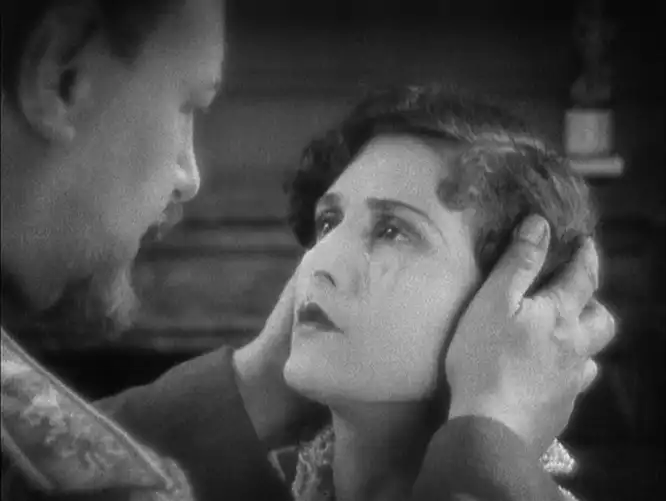
Josef von Sternberg's direction is a masterclass in visual storytelling, proving that a silent film can speak volumes without a single spoken word. His camera work is precise and evocative, often framing Jannings in ways that emphasize his isolation or his internal struggle. Close-ups on Sergius’s face are frequent, allowing the audience to read every flicker of emotion, every memory that crosses his features. Sternberg uses light and shadow with painterly skill, particularly in the Russian flashback sequences, where the opulent interiors and snowy landscapes are rendered with a stark beauty that highlights the characters' dramatic circumstances.
Scene from The Last Command
Cinematic perspective: Exploring the visual vocabulary of The Last Command (1928) through its definitive frames.
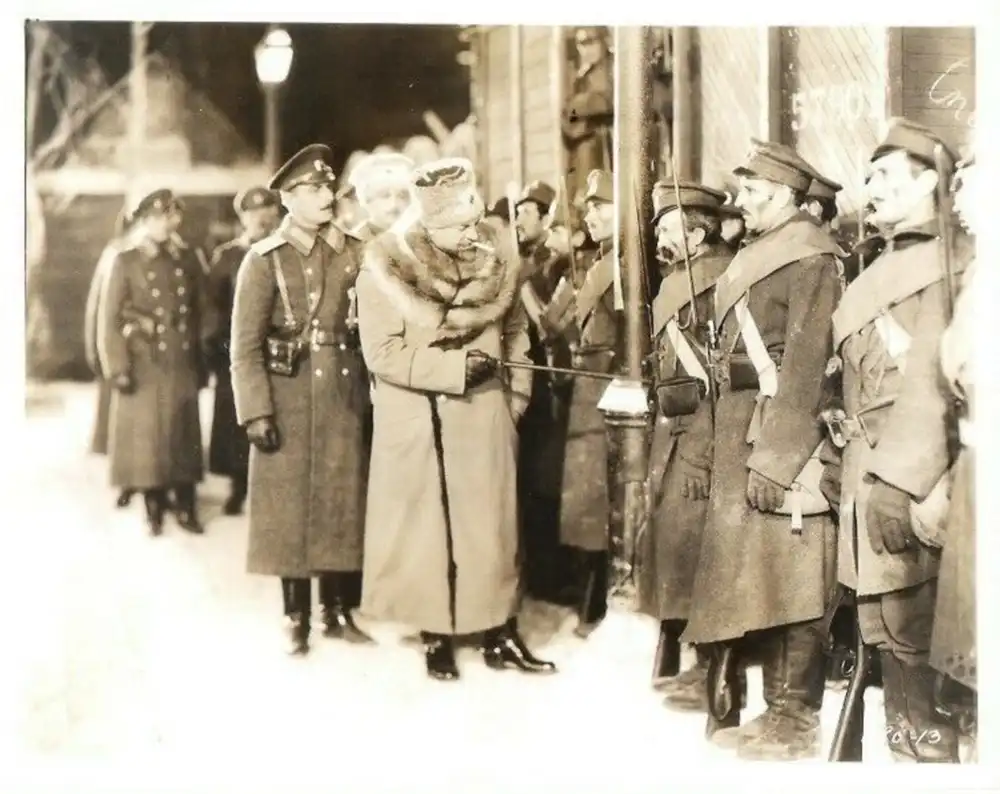
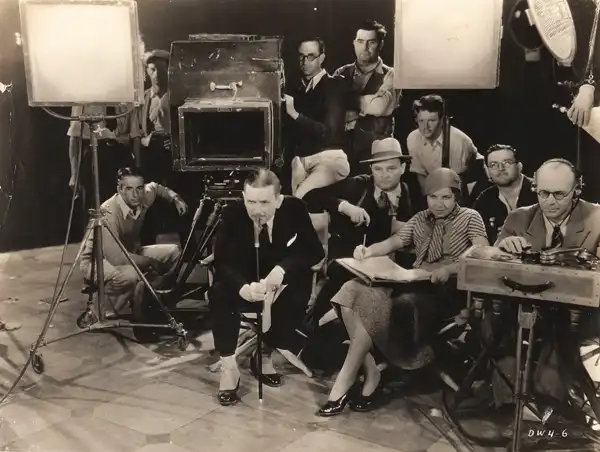
The contrast between the two worlds is starkly drawn through visual details. The lavish, almost theatrical uniforms and settings of Imperial Russia give way to the gritty, functional chaos of the Hollywood studio, with its visible lights, cameras, and bustling crew. Even the snow on the studio set, meticulously manufactured, feels like a cruel mockery of the real, biting cold of the Russian winter Sergius remembers. Sternberg's ability to convey complex themes through purely visual means—a glance, a prop, the arrangement of figures in a frame—is what elevates The Last Command beyond a simple narrative into a truly cinematic experience.
Strengths, Weaknesses, and Lasting Impact
The primary strength of The Last Command is undoubtedly Emil Jannings' performance, which is a towering achievement in silent cinema. Sternberg's assured direction, the poignant exploration of memory and identity, and the film's powerful sense of irony all contribute to its enduring legacy. It’s a film that resonates with anyone who has felt the sting of a fall from grace or the cruel hand of fate.
Scene from The Last Command
Cinematic perspective: Exploring the visual vocabulary of The Last Command (1928) through its definitive frames.
However, the film isn't without its minor imperfections. As with many films of its era, some of the supporting performances can feel a little broad or less naturalistic compared to Jannings' profound immersion. The initial exposition, while necessary, might test the patience of viewers unaccustomed to the pace of silent storytelling. There are moments where the intertitles, though generally well-written, feel slightly more explanatory than strictly necessary, occasionally stating what the visuals have already eloquently conveyed. But these are minor quibbles in the face of such a powerful and affecting work.
Final Verdict
The Last Command is more than just a historical curiosity; it is a timeless piece of cinema that remains profoundly moving and relevant. It’s a powerful reminder of the ephemeral nature of power and the enduring strength of the human spirit, even when faced with the most crushing indignities. Emil Jannings’ performance alone is reason enough to seek this film out, but Sternberg’s masterful direction and the film’s poignant narrative ensure that it stands tall as one of the silent era’s true masterpieces. It’s a film that stays with you long after the final frame, prompting reflection on the roles we play in life and the echoes of our past. Highly recommended for serious film enthusiasts.