DbcultAccessing Vault...
Cult Review
Senior Film Conservator
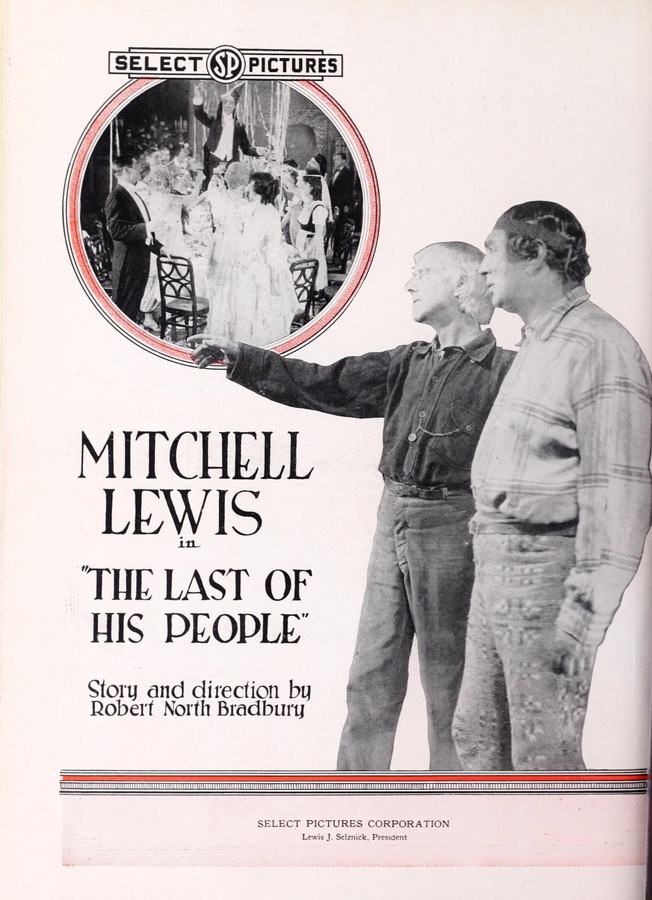
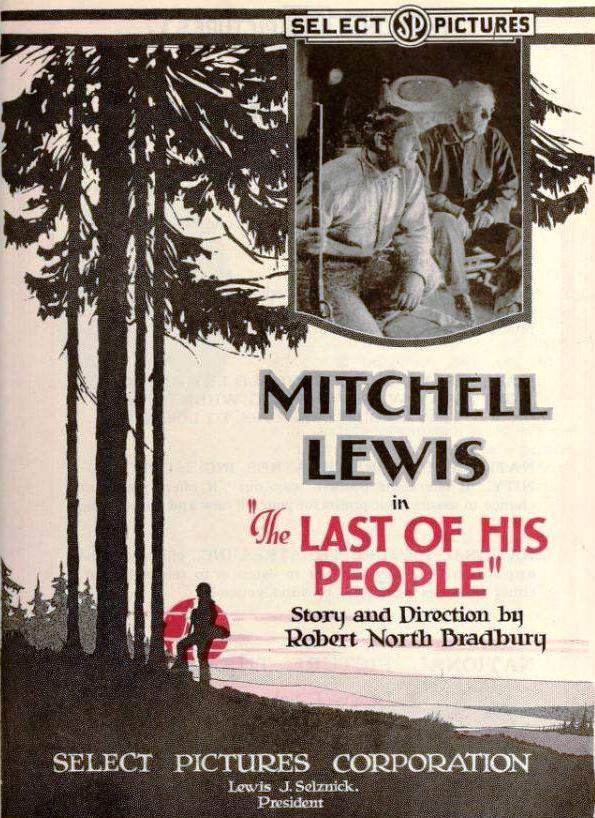
The Canadian North Woods, vast and indifferent, often serves as more than just a backdrop in cinema; it becomes a character unto itself, shaping destinies and mirroring the internal landscapes of those who dare to inhabit its depths. In The Last of His People, this principle rings profoundly true. We are introduced to Anthony Briggs, portrayed with a compelling gravitas by Edward Hearn, a man whose existence has been whittled down to the bare essentials since his wife and daughter abandoned him for the perceived allure of New York City and the foreman, Robert Lacey. Hearn embodies the stoicism born of profound loss, his every movement and weary glance speaking volumes of a life stripped bare. It’s a performance that grounds the narrative from its very first frames, establishing a palpable sense of isolation that clings to Briggs like the scent of pine and damp earth.
The solitude, however, is not destined to last. The film takes an unexpected, yet deeply moving turn with Briggs’ encounter with Lone Wolf and his sister, Na-ta-Le. These two, played with a quiet dignity by their respective actors, are the tragic remnants of a tribe decimated by a mysterious ‘spotted sickness’. This narrative device, while serving as a catalyst, also introduces a poignant commentary on vulnerability and the fragility of existence in an unforgiving world. Briggs' decision to adopt them isn't merely an act of charity; it feels more like a primal response to an echoing void within himself, a desperate attempt to reconstruct a semblance of family from the ashes of his own shattered past. The dynamic that forms between Briggs and his adopted children is the emotional core of the film, depicting an unconventional familial bond forged not by blood, but by shared trauma and mutual need.
Years pass, and the North Woods continues its slow, immutable rhythm. Lone Wolf and Na-ta-Le grow under Briggs’ care, their presence a testament to resilience and adaptation. But the past, as it often does, is not content to remain buried. The arrival of Briggs’ estranged daughter, now a young woman, leading a hunting party with her fiancé, Reynard, the son of Robert Lacey, injects a potent dose of dramatic tension into the narrative. Yvette Mitchell, as the adult daughter, navigates the complexities of her character with considerable skill, portraying a woman caught between her forgotten roots and her present allegiances. Her return isn't just a plot point; it's a seismic event, threatening to unravel the delicate tapestry of Briggs’ new life. Reynard, played by Mitchell Lewis, is more than just a love interest; he is the living embodiment of Briggs' past pain, a constant, silent reminder of the betrayal that drove him into isolation. This setup masterfully pits the chosen family against the biological, forcing a confrontation not just between characters, but between ideals of loyalty and forgiveness.
The film excels in its exploration of the intricate layers of familial love and resentment. Briggs, having found a new purpose in Lone Wolf and Na-ta-Le, is suddenly faced with the return of the daughter who left him. This isn't a simple reunion; it's a re-opening of old wounds, a test of his capacity for forgiveness. The narrative avoids easy answers, instead delving into the raw, messy emotions that surface when deeply entrenched grievances are confronted. The performances, particularly from Hearn, are nuanced, conveying a man torn between the yearning for his original family and the protective instincts he has developed for his adopted children. The silence of the wilderness often amplifies these internal struggles, making every glance, every hesitant word, laden with unspoken history. The visual storytelling, characteristic of the era, uses expansive shots of the landscape to underscore the characters' emotional vastness and their relative insignificance against nature's grandeur.
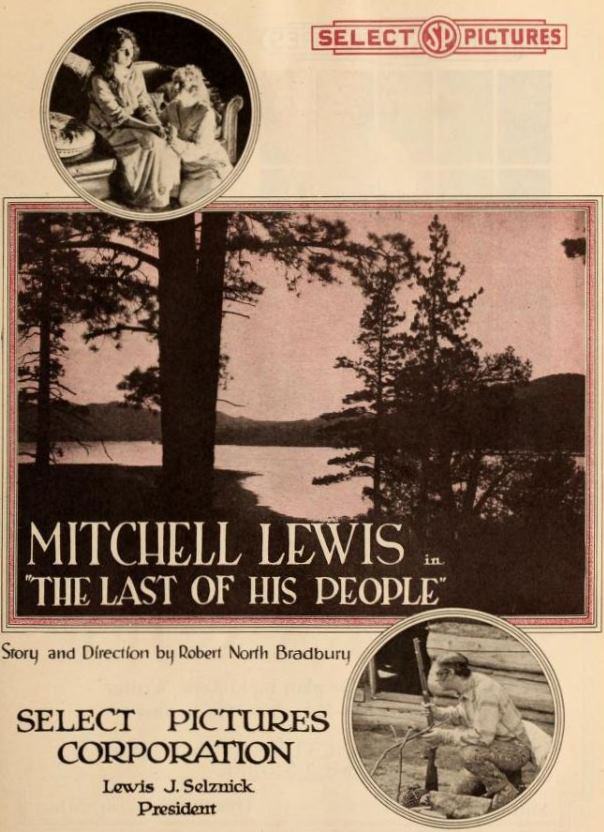
Josef Swickard, as Lone Wolf, brings a quiet strength to his role. His character represents not just the survival of a people, but the potential for new growth and understanding. Na-ta-Le, though perhaps less central to the initial conflict, embodies innocence and the hope for a future unburdened by past tragedies. The film’s greatest strength lies in how these characters, from vastly different backgrounds, come to form a cohesive unit, demonstrating that family is a construct of the heart, not merely of bloodlines. This theme resonates powerfully, especially when contrasted with the disruption brought by the return of Briggs’ biological kin. The clash isn’t just personal; it’s cultural, a microcosm of broader societal shifts and the often-painful process of integration and understanding.
The direction masterfully utilizes the stark beauty of the Canadian wilderness to underscore the film's themes. The towering pines and vast, open spaces are not just scenery; they are metaphors for Briggs' internal world – imposing, isolated, yet capable of nurturing new life. The cinematography, while perhaps lacking the technical sophistication of later eras, captures a raw, authentic feel for the environment, making it an integral part of the story. One can almost feel the biting cold and smell the damp earth, drawing the viewer deeper into the narrative's embrace. The pacing is deliberate, allowing the emotional beats to land with maximum impact, building suspense not through frantic action, but through the slow, inevitable collision of character arcs.
In its exploration of human nature, The Last of His People touches upon universal truths. The regret of past choices, the yearning for connection, the struggle for forgiveness – these are all woven into the fabric of the story. Briggs' journey from a solitary, embittered man to a protector and father figure is a compelling arc. His initial retreat from society echoes the themes found in films like The Vicar of Wakefield, where protagonists often face moral dilemmas and societal pressures in relative isolation, only to have their convictions tested by unforeseen circumstances. However, Briggs’ isolation is self-imposed, a direct consequence of a personal betrayal, making his subsequent embrace of Lone Wolf and Na-ta-Le all the more impactful.
The film's depiction of the 'spotted sickness' and the decimation of the Indigenous tribe, while a plot device, also serves as a somber reminder of historical realities faced by many indigenous communities, highlighting their vulnerability and resilience. This adds a layer of socio-historical depth, even if not explicitly explored in detail. It’s a subtle nod to the broader context of the period, allowing audiences to infer the weight of history on the characters' present circumstances. The film’s focus on the individual stories within this larger framework ensures that the human element remains paramount, preventing the narrative from becoming overly didactic.
The ultimate confrontation between Briggs’ two families is handled with a delicate balance of melodrama and genuine emotional weight. The tension stems not from external threats, but from the internal conflicts and unresolved issues that simmer beneath the surface. Reynard, as the son of the man who caused Briggs so much pain, becomes a focal point for the lumberjack's lingering bitterness. Yet, the film subtly suggests that cycles of resentment can be broken. This theme of overcoming past grievances and finding a path to reconciliation is reminiscent of films such as Broken Threads, which also explores the arduous process of mending fractured relationships and dealing with the consequences of past actions. The film doesn't shy away from the difficulty of this process, portraying it as a hard-won victory rather than a facile resolution.
The acting ensemble, while perhaps not universally known to modern audiences, delivers performances that are both authentic and emotionally resonant. Harry Lonsdale and Katherine Van Buren, in their supporting roles, contribute to the rich tapestry of the film’s world, adding layers of community and human interaction that contrast with Briggs’ initial isolation. J.J. Bryson also makes his presence felt, ensuring that even minor characters leave an impression. Each actor, within the stylistic conventions of the era, conveys a deep understanding of their character’s motivations and internal struggles, making the drama feel immediate and impactful.
The Last of His People stands as a compelling example of early cinematic storytelling, showcasing a profound understanding of human emotion and the power of narrative. Its themes of loss, the formation of chosen families, and the arduous journey toward forgiveness are timeless. The film’s ability to evoke such strong emotional responses through its characterizations and its masterful use of setting is a testament to the skill of its writers, Robert N. Bradbury and Frank Howard Clark. They crafted a story that is both specific in its setting and universal in its emotional appeal, a hallmark of enduring cinema.
Comparing it to other works of the period, one might find echoes of the moral complexities explored in The Weakness of Man, which delves into human frailties and the struggle against personal demons. Yet, The Last of His People carves out its own unique niche by grounding these universal struggles within the raw, untamed environment of the Canadian wilderness, making the external landscape a direct reflection of the characters’ internal turmoil. The film’s portrayal of Briggs’ paternal instincts, particularly towards Lone Wolf and Na-ta-Le, also brings to mind the heartfelt connection depicted in My Little Boy, though with a distinct narrative trajectory shaped by loss and cultural integration.
Ultimately, The Last of His People is more than just a period drama; it’s a profound meditation on what it means to belong, to heal, and to build a future from the fragments of a shattered past. It challenges conventional notions of family and highlights the strength found in unexpected bonds. The film’s emotional depth, coupled with its vivid portrayal of the natural world, leaves a lasting impression, reminding us that even in the most desolate circumstances, the human spirit possesses an extraordinary capacity for resilience and love. It is a cinematic experience that resonates long after the final frame, prompting reflection on our own definitions of home and kinship. The subtle yet powerful performances, combined with a narrative that avoids easy sentimentality, cement its status as a compelling and often overlooked gem of its era.
IMDb 7.1
1929
Community
Log in to comment.