DbcultAccessing Vault...
5.6/10
Senior Film Conservator
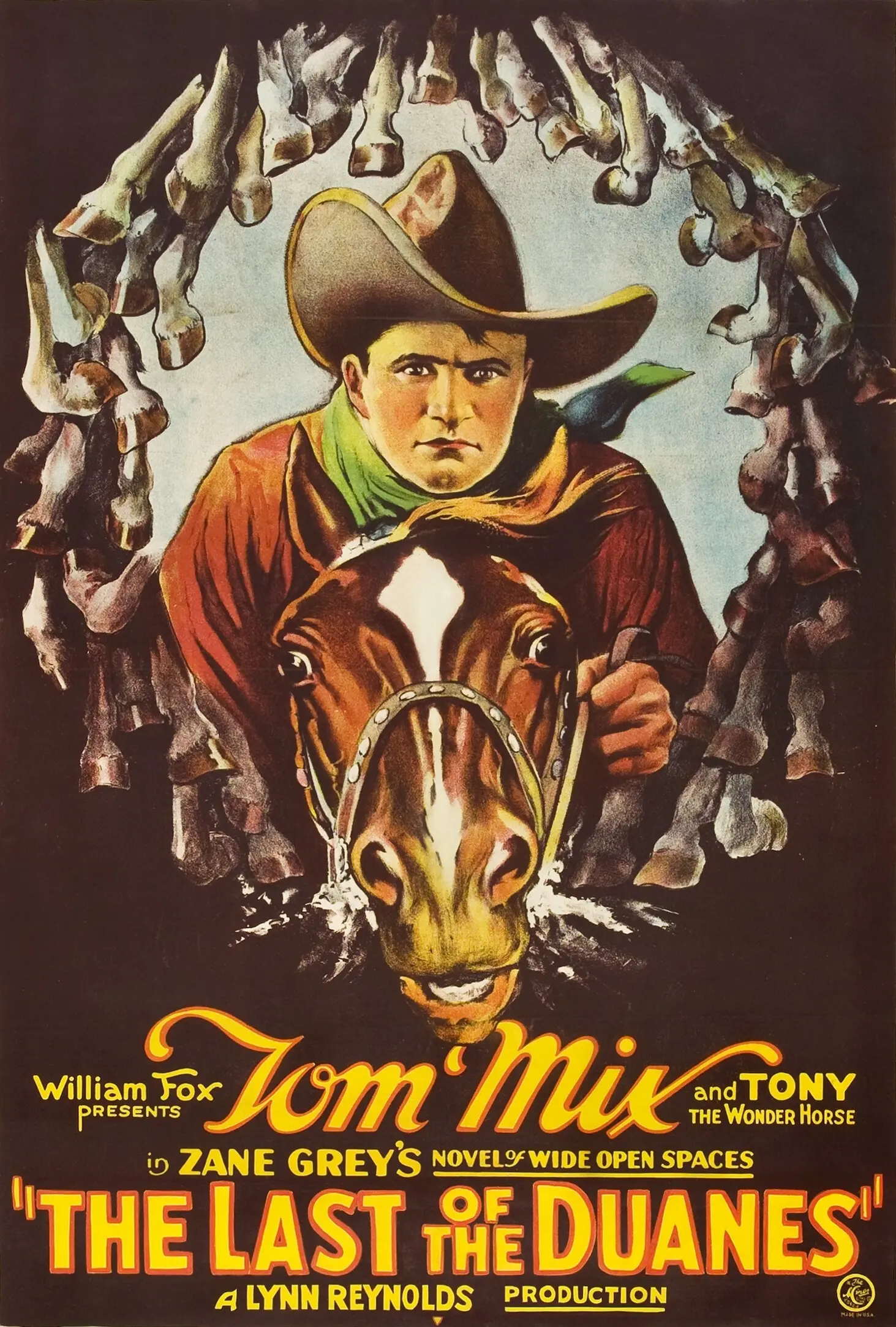
A definitive 5.6/10 rating for a film that redefined the boundaries of cult cinema. The Last of the Duanes remains a cornerstone of transgressive art.
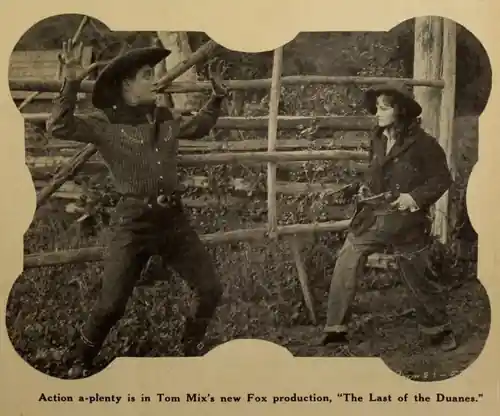
The Last of the Duanes, a 1924 silent Western film, presents a riveting narrative that masterfully intertwines themes of revenge, loyalty, and forbidden love, set against the stark and unforgiving backdrop of the American frontier. The film stars Tom Mix as Buck Duane, a rugged and stoic cowboy driven by a quest for justice after avenging his father's murder.
The story unfolds with Duane on the run, his existence a fleeting moment in the vast expanse of the Wild West. His life takes a pivotal turn when he rescues a beautiful young woman, played by Marian Nixon, from the clutches of an outlaw. This act of chivalry, however, sets off a chain of events that draws Duane into a complex web of danger and deception, orchestrated by the outlaw's wife, who harbors a secret obsession with the young cowboy.
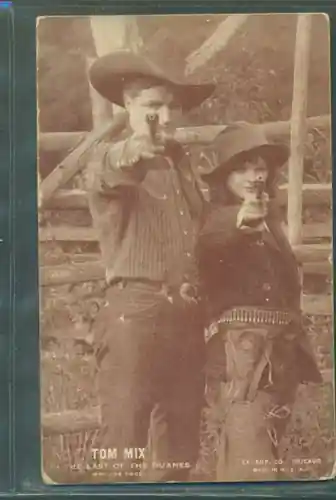
The film's portrayal of the tumultuous relationships between its characters is reminiscent of Beasts of Paradise, another silent film that explores the darker aspects of human nature and the lawless frontier. However, The Last of the Duanes distinguishes itself through its nuanced characterization and the palpable tension that permeates every scene.
The cinematography in The Last of the Duanes is noteworthy, capturing the desolate beauty of the American West in a manner that immerses the viewer in the world of the film. The landscapes, shot in a stark black and white, serve as a character in their own right, influencing the actions and emotions of the protagonists. The use of shadows and light adds a layer of depth to the narrative, highlighting the moral ambiguities that define the characters' journeys.
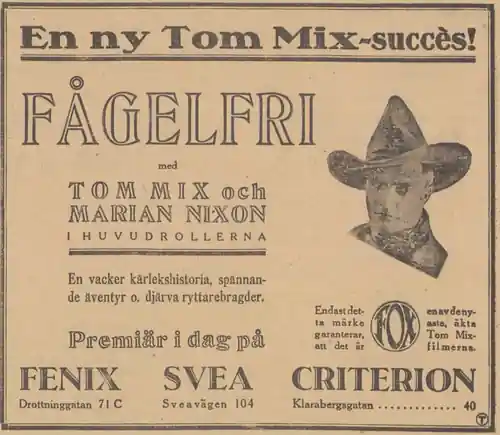
Tom Mix's performance as Buck Duane is a significant factor in the film's success. Mix brings a rugged charm to the role, embodying the stoicism and vulnerability that define his character. His on-screen presence is complemented by the talented supporting cast, including Marian Nixon and Frank Nelson, who add layers of complexity to the narrative.
The direction of The Last of the Duanes demonstrates a keen understanding of the Western genre, leveraging its tropes to explore themes that are as relevant today as they were during the film's release. The screenplay, adapted from Zane Grey's work by Edward J. Montagne, strikes a balance between action and drama, ensuring that the film's pacing remains engaging from start to finish.
In comparison to other films of its era, such as Are You a Mason? and Weak Hearts and Wild Lions, The Last of the Duanes stands out for its cohesive storytelling and the depth of its characters. While it may not offer the same level of spectacle as some of its contemporaries, the film's focus on character development and narrative complexity makes it a compelling watch.
One of the most striking aspects of The Last of the Duanes is its exploration of the human condition, particularly in the context of the American frontier. The film raises questions about morality, justice, and the nature of humanity, inviting viewers to reflect on the characters' motivations and actions. This thematic depth, combined with its engaging narrative and strong performances, makes The Last of the Duanes a memorable and impactful viewing experience.
In conclusion, The Last of the Duanes is a gripping silent Western that offers a rich and immersive cinematic experience. Its blend of action, drama, and romance, set against the backdrop of the lawless American West, makes it a must-see for fans of the genre. With its nuanced characterization, engaging narrative, and historical significance, the film stands as a testament to the enduring appeal of the Western genre and the talent of its cast and crew.
For those interested in exploring more films from this era, Heroic France and Discontented Husbands offer interesting contrasts to The Last of the Duanes, showcasing the diversity of themes and narratives present in silent cinema. However, The Last of the Duanes remains a standout example of the genre, offering a unique blend of entertainment and artistic merit that continues to captivate audiences today.
IMDb —
1917
Community
Log in to comment.