DbcultAccessing Vault...
7.1/10
Senior Film Conservator
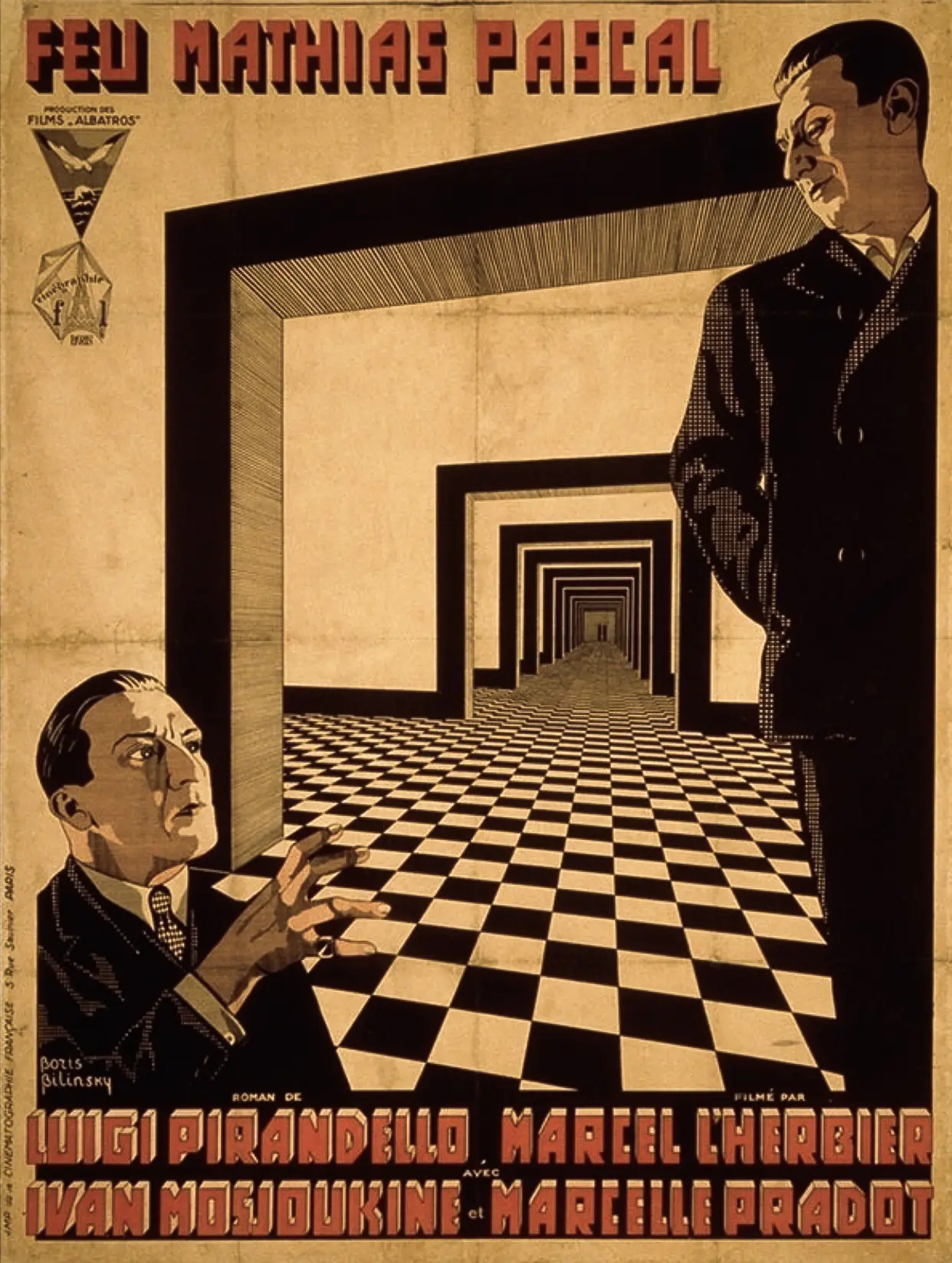
A definitive 7.1/10 rating for a film that redefined the boundaries of cult cinema. The Late Mathias Pascal remains a cornerstone of transgressive art.
Cinema, at its most potent, serves as a mirror not to our faces, but to the fractured masks we wear. In Marcel L’Herbier’s 1925 adaptation of Luigi Pirandello's Feu Mathias Pascal, the screen becomes a laboratory for the soul's disintegration.
Marcel L’Herbier was never a filmmaker content with the mere transcription of reality. As a luminary of the French Impressionist movement, he viewed the camera as a tool for 'photogénie'—the capacity of the lens to reveal the hidden essence of things. In The Late Mathias Pascal, he finds the perfect vessel for this exploration. The film is not merely a story about a man who fakes his death; it is an ontological odyssey that questions whether we exist at all without the recognition of the state and society.
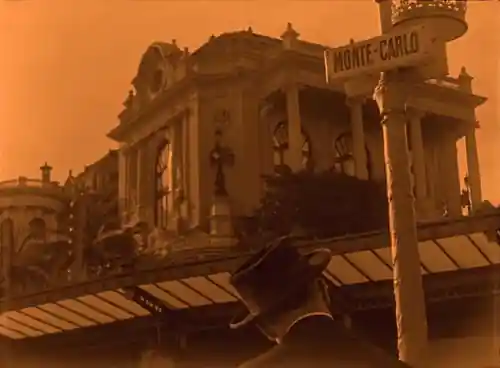
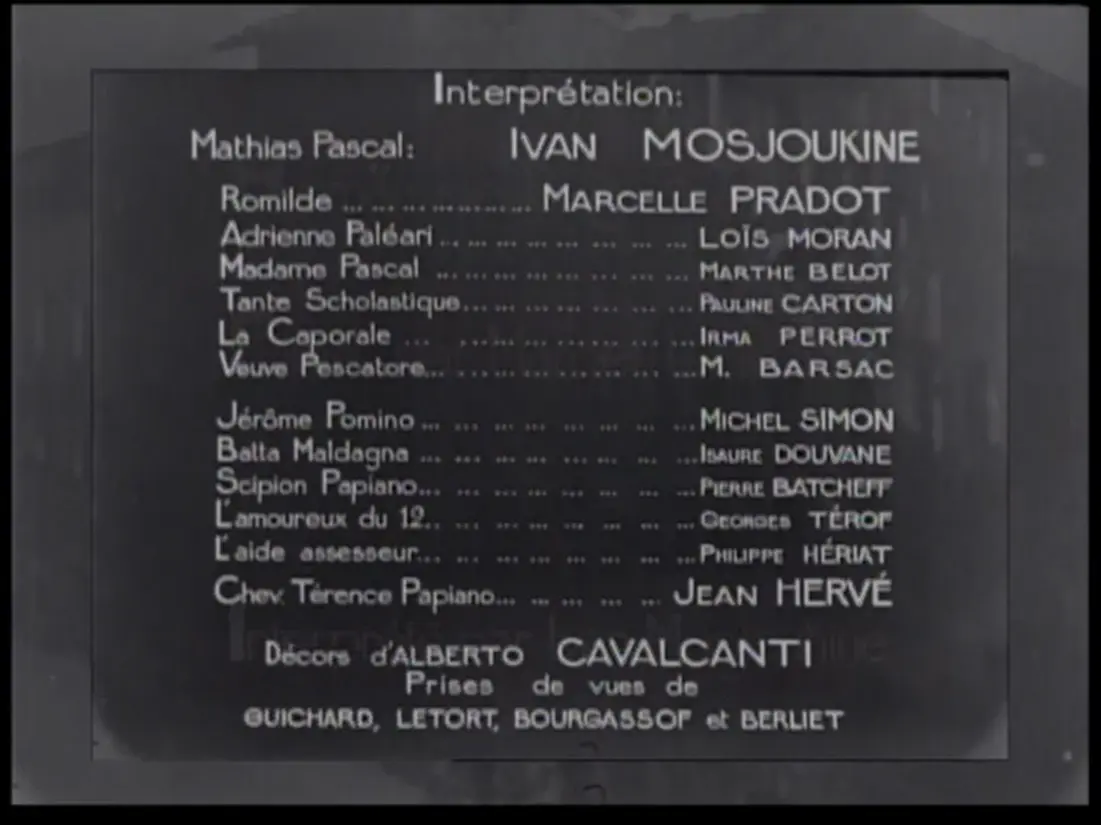
The first act is a masterclass in atmospheric oppression. We see Mathias, played with a haunting, elastic physicality by the legendary Ivan Mozzhukhin, drowning in the provincial stagnation of Miragno. The sets, designed by the visionary Alberto Cavalcanti and Lazare Meerson, reflect this internal rot. The library where Mathias works is a tomb of forgotten knowledge, dusty and cramped, mirroring the domestic hell he shares with Romilde and her vituperative mother. Unlike the domestic tensions found in Man and Wife, which often lean toward the sentimental, L’Herbier’s vision is one of sharp edges and psychological claustrophobia.
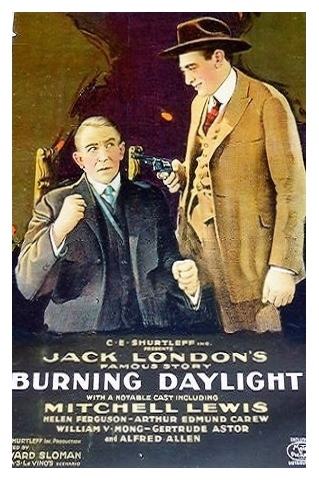
When Mathias loses his mother and daughter on the same day, the film shifts gears with a jarring, kinetic energy. His flight to Monte Carlo represents a break from the linear narrative. Here, L’Herbier employs rapid-fire editing and double exposures to capture the dizzying vertigo of the gambling halls. The casino is a temple of chance, a place where identity is as fluid as the spinning roulette wheel. This sequence rivals the frantic desperation of Burning the Candle, yet it surpasses it through sheer visual audacity.
Mozzhukhin’s performance during the gambling scenes is nothing short of transcendent. His eyes, those famous 'Russian' eyes that defined an era of cinema, communicate a frantic hope that borders on madness. When he wins, it isn't just money he has acquired; it is the fuel for a new self. But the true pivot occurs on the train ride home. Reading his own obituary in a newspaper—a case of mistaken identity involving a drowned corpse—Mathias experiences a moment of sublime liberation. He is dead to the world, and therefore, he is finally free.
Renaming himself Adriano Meis, our protagonist settles in Rome, and the film enters its most complex phase. He takes a room in a boarding house populated by a motley crew of spiritualists and eccentrics. This Roman interlude introduces a layer of satire that complicates the tragedy. The spiritualists, led by the sycophantic Terence, are obsessed with the dead, unaware that they are harboring a living ghost in their midst. The irony is thick and bitter.
Mathias falls in love with Adrienne, the landlord's daughter, but his 'death' becomes a prison more restrictive than his previous life. Without a birth certificate, without a legal history, he cannot marry, he cannot own property, and most devastatingly, he cannot seek justice when Terence steals his fortune. He is a man outside the law, a theme explored with less metaphysical weight in Among the Counterfeiters. In Rome, Mathias realizes that the 'freedom' of death is a vacuum. He is a shadow, a presence that leaves no footprint.
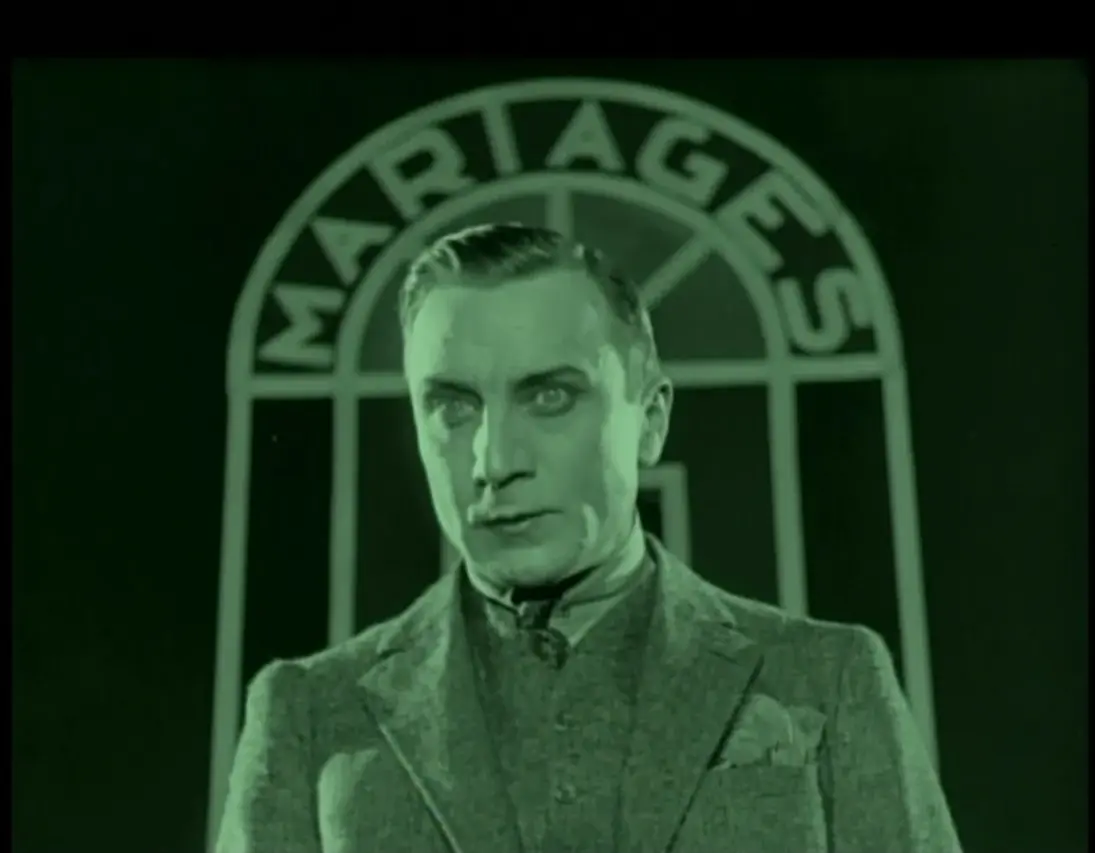
What sets The Late Mathias Pascal apart from contemporary dramas like The Heart of Jennifer or Man's Plaything is its relentless commitment to visual storytelling. L’Herbier uses the frame as a canvas. Notice the way light falls across Mozzhukhin’s face during his moments of internal monologue—the chiaroscuro is not merely aesthetic but narrative. The film utilizes subjective camera angles that force the viewer to inhabit Mathias’s disoriented perspective.
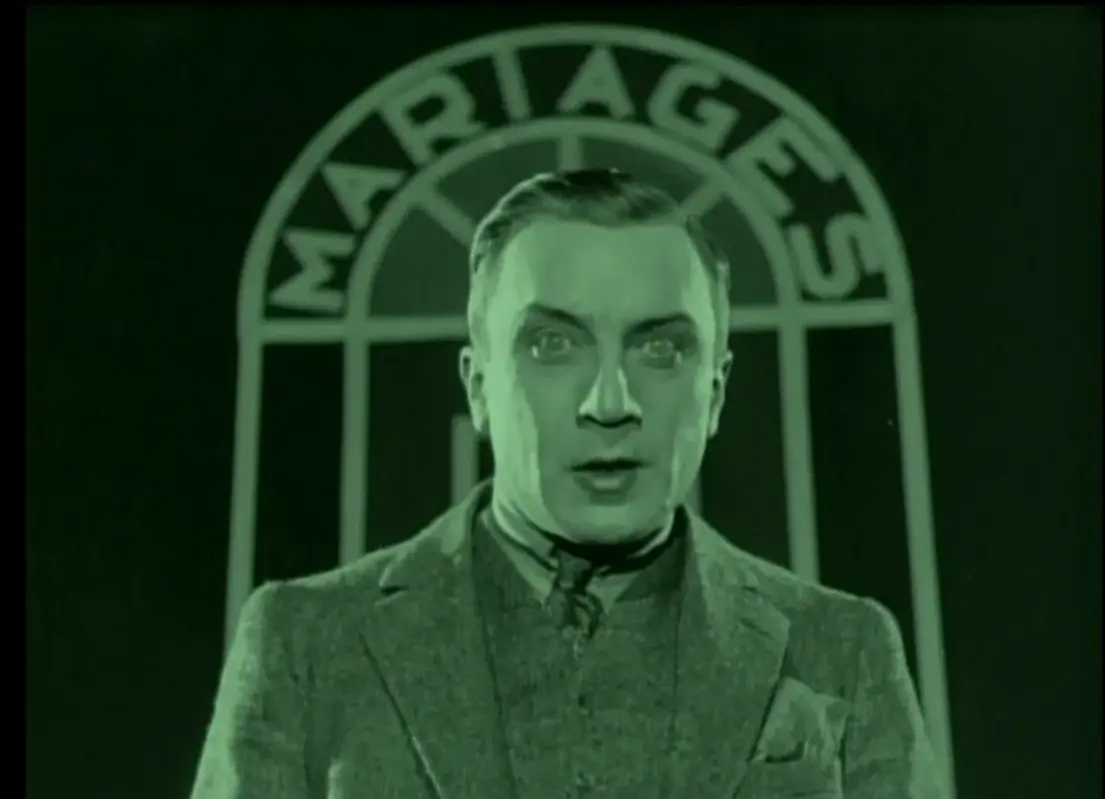
The use of mirrors throughout the film is particularly striking. Mathias is constantly confronted with his own reflection, a recurring motif that underscores the Pirandellian theme of the 'split' self. Is he Mathias? Is he Adriano? Or is he merely the 'Late' Mathias, a specter haunting the peripheries of two different lives? The film’s length—nearly three hours—allows these philosophical questions to breathe, creating a slow-burn intensity that is rare in the silent era.
The final act of the film is a masterstroke of tragicomedy. Mathias returns to his hometown, intending to reclaim his life, only to find that the world has moved on with brutal efficiency. His wife has remarried; his position has been filled. He is an inconvenience to the living. The scene where he visits his own grave is one of the most iconic images in world cinema. He lays flowers on his own tomb—a gesture of self-mourning that is both absurd and profoundly moving.
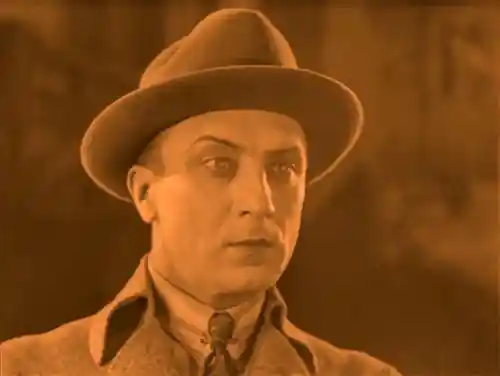
In this moment, L’Herbier captures the essence of the human condition: the terrifying realization that our place in the world is fragile and easily erased. Unlike the more traditional narrative resolutions of Footlights or the straightforward heroics of Terror Trail, there is no redemption here, only a weary acceptance of one's own obsolescence.
Watching The Late Mathias Pascal today, one is struck by how modern its sensibilities remain. The anxieties of identity and the bureaucratic erasure of the individual are themes that have only become more relevant in the digital age. While films like Disraeli or Political Pull focused on the external machinations of power, L’Herbier was interested in the internal collapse of the self.
The supporting cast deserves immense credit. Lois Moran as Adrienne provides a soft, emotive counterpoint to Mozzhukhin’s intensity, while the various 'spiritualists' are played with a grotesque, Dickensian flair that keeps the Roman sequences from becoming too somber. The film is a sprawling, ambitious work that refuses to be categorized. It is a ghost story without a haunting, a romance without a union, and a comedy that leaves a bitter taste in the mouth.
For those accustomed to the brisk pacing of modern cinema, The Late Mathias Pascal requires patience. It is a film that demands to be felt rather than just watched. It is a monument to a time when cinema was discovering its own language, a language capable of expressing the deepest paradoxes of the human soul. It stands alongside Le ultime avventure di Galaor as a testament to the European avant-garde's willingness to push the medium to its breaking point.
In the end, Mathias Pascal remains a figure of profound solitude. By attempting to escape the misery of his life, he accidentally escaped life itself. He is the man who died twice and yet never truly lived. It is a haunting conclusion to a film that remains, a century later, a vital and visceral piece of art.
IMDb —
1915
Community
Log in to comment.