DbcultAccessing Vault...
5.7/10
Senior Film Conservator
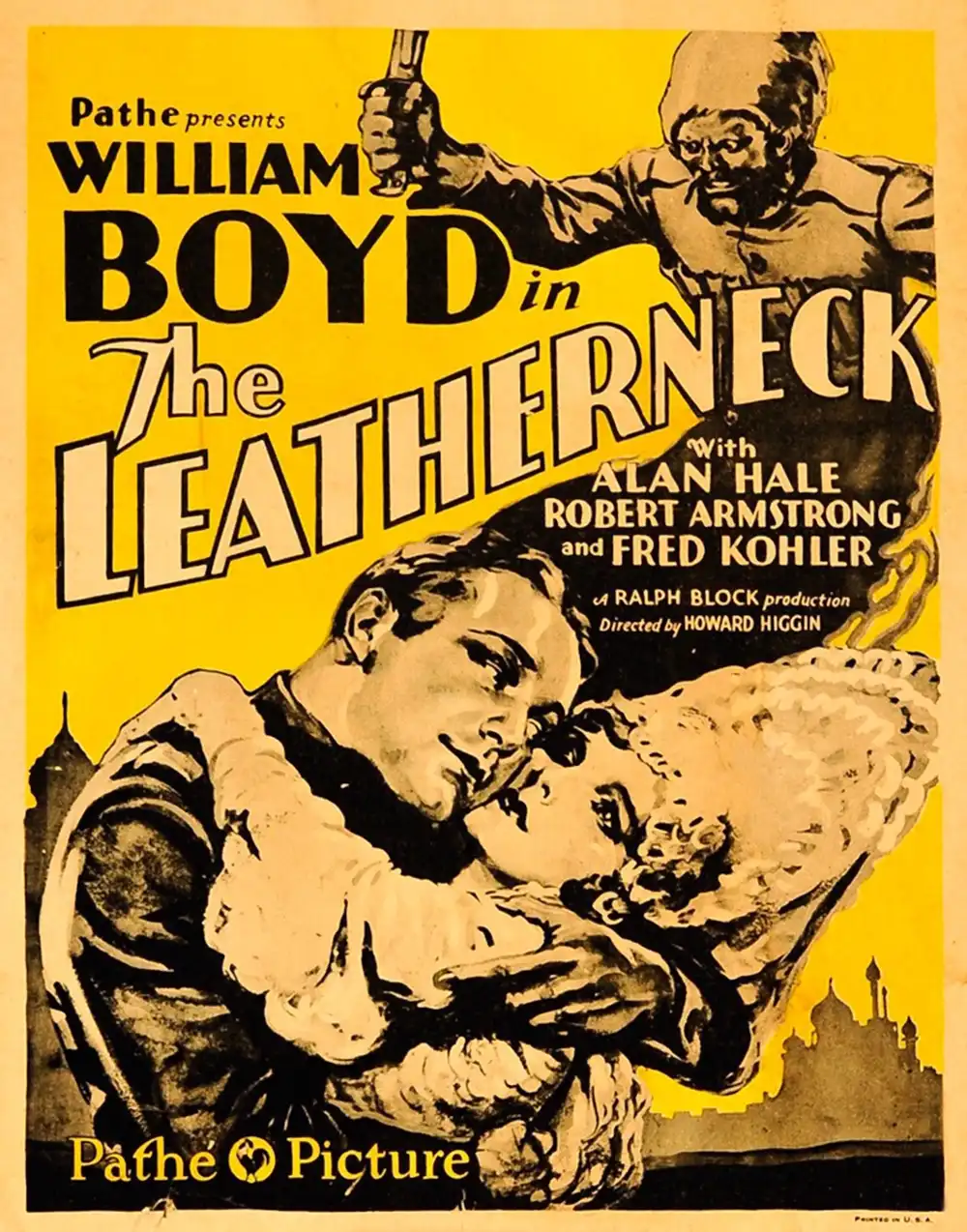
A definitive 5.7/10 rating for a film that redefined the boundaries of cult cinema. The Leatherneck remains a cornerstone of transgressive art.
So, you’re wondering if this old film, The Leatherneck, is worth digging up today? Well, if you’re into those early talkies that really tried to figure out what a movie could be, or if you just like stories about old-fashioned male bonding, then yeah, give it a shot. Folks who need everything to be slick and fast-paced, though, probably won’t get it. It’s a different beast entirely. 🐻
This movie kicks off right after World War I, throwing us into the lives of two American Marines, played by William Boyd and Robert Armstrong. They kinda just… befriend a German fellow, Alan Hale. It’s not a big dramatic scene, just a quiet understanding that forms. And honestly, Hale’s character, the simple-minded German, is the real heart of the whole thing. He’s just so earnest, you can’t help but root for him.
They actually manage to bring this guy over to the American side, like, fully convert him. It’s pretty wild, considering the recent war. Then we jump ahead, and all three are still in the US Marines during peacetime. You see them goofing off, just regular soldier stuff. It’s a nice little slice of life before the plot really kicks in.
Then, suddenly, Boyd’s girl gets ‘stolen.’ It’s not quite a kidnapping, more like some cad swoops in and tries to take her away. His two buddies, being the loyal types they are, immediately go off to rescue her. This is where things get a bit messy, plot-wise. You’d think they’d come back, but nope, they disappear.
So, now Boyd has to go after *all* of them. The whole story is actually told in flashback, framed by a court martial trial for desertion. This structure is pretty interesting for a film from 1929, making you wonder what exactly went down to put him in that courtroom. It keeps you guessing, which is nice.
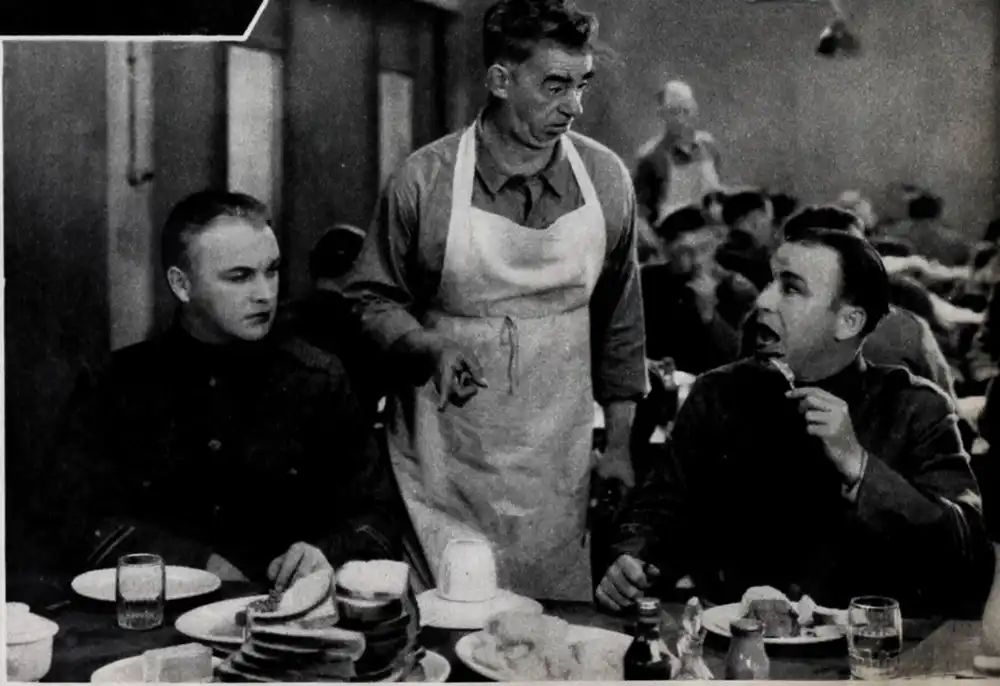
There’s this moment when Hale’s character, after becoming an American, tries to articulate his new loyalties. It’s a bit clunky, but there’s a genuine sweetness to it. He’s trying so hard, and you can see it in his eyes. **That kind of performance really stands out,** even with the early sound tech making some of the dialogue feel a little stiff.
The ‘rescue’ part feels a bit… underdeveloped. Like, the whole setup for why the girl needs rescuing, and then why the buddies disappear, it just kinda happens. You can almost feel the movie trying to rush to the next big dramatic beat without fully fleshing out the smaller ones. But then again, maybe that’s just how they told stories back then.
William Boyd, he’s solid enough as the lead, but it’s Hale who really gives the film its spark. His transformation, however simple it’s presented, is the most compelling thing here. You really feel for the guy.
The court martial scenes are actually pretty tense. You don’t quite know how it’s going to play out, and the stakes feel real, even if the acting styles are a bit different from what we’re used to now. There’s a lawyer character who chews the scenery a little too much, but it adds a certain old-school charm.
One small thing I noticed: there’s a scene where they’re all just hanging out in the barracks, and one of the extras is clearly struggling to keep a straight face during a serious moment. It’s a tiny, blink-and-you’ll-miss-it detail, but it just reminds you this was an early production, maybe with a few less takes than today. It makes the film feel more *human*, somehow. 🥰
Is it a masterpiece? No, probably not. But it’s a really cool look at how cinema was evolving, telling a story that values loyalty above all else. It’s a bit rough, maybe a tad melodramatic in spots, but there’s a good heart beating underneath all that early film grain. Plus, seeing these actors, especially Hale, in such a raw, early performance is a treat. It’s a curious watch, not for everyone, but definitely has its moments. And for a movie from 1929, that’s saying something. 👍
IMDb 5.7
1936
Community
Log in to comment.