DbcultAccessing Vault...
5.4/10
Senior Film Conservator
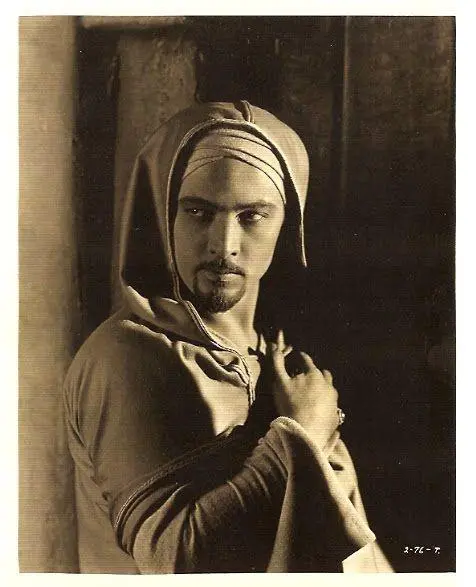
A definitive 5.4/10 rating for a film that redefined the boundaries of cult cinema. The Hooded Falcon remains a cornerstone of transgressive art.
The annals of cinema are replete with grand visions, some realized to critical acclaim and enduring legacy, others condemned to the ethereal realm of 'what if'. Among these tantalizing phantoms, few cast as long or as intriguing a shadow as The Hooded Falcon, an unmade Rudolph Valentino vehicle that promised to be a cinematic event of unparalleled scale and emotional depth. To contemplate this lost masterpiece is to peer into a parallel universe of silent film, where the greatest romantic icon of his age might have delivered a performance that redefined his career and cemented his artistic aspirations beyond the 'Latin Lover' persona. Its premise, rooted in the epic sweep of 14th-century Spanish history and inspired by the legends of El Cid, presented a canvas ripe for dramatic grandeur, cultural exploration, and heart-wrenching romance.
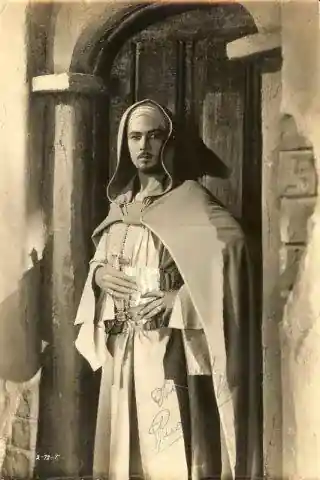
Imagine the spectacle: Valentino, not as the sheik or the tango dancer, but as a formidable Moorish nobleman and warrior. This was a role designed to leverage his intense charisma, his undeniable screen presence, yet channel it into a character of profound complexity and gravitas. Set against the vibrant, tumultuous backdrop of a medieval Spanish court, a melting pot of Christian and Islamic cultures, his character would have navigated the treacherous currents of politics, loyalty, and burgeoning conflict. It was an era of shifting alliances, of both brutal warfare and exquisite artistic flourishing, providing a rich tapestry against which human drama could unfold with devastating impact. The very idea suggests a film that would have transcended mere entertainment, aspiring to the status of a historical epic, a saga of identity and belonging.
Central to this narrative, and indeed to its potential for unparalleled emotional resonance, was the casting of Nita Naldi as the Moorish Princess. Naldi, with her exotic allure, commanding screen presence, and undeniable chemistry with Valentino – previously showcased in films like The Desired Woman and Blood and Sand – was the perfect foil. Her character would not have been a mere damsel in distress, but a figure of agency, intelligence, and grace, capable of challenging and complementing Valentino’s warrior. Their romance, undoubtedly the beating heart of The Hooded Falcon, would have been a passionate, perhaps forbidden, entanglement, fraught with the immense cultural and religious divides of their world. It’s easy to envision their stolen glances, their hushed conversations, and their desperate choices playing out against a backdrop of impending war, making their personal tragedy or triumph all the more poignant.
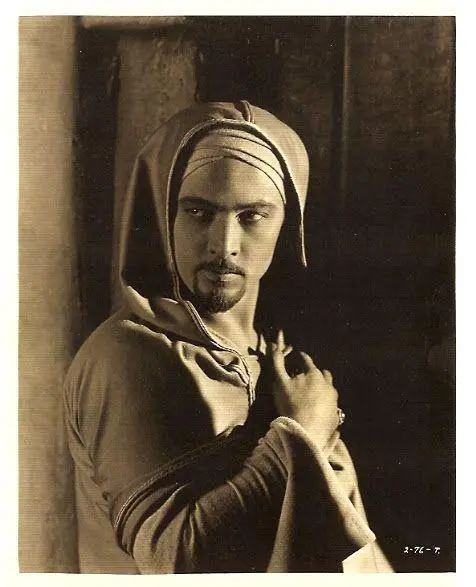
The creative forces behind this ambitious project further underscore its lost potential. June Mathis, a prolific and influential screenwriter of the silent era, was attached to pen the script. Mathis was known for her ability to craft compelling narratives and understood Valentino’s strengths implicitly, having been instrumental in shaping his early career. Her involvement suggests a story with a well-developed plot, nuanced characters, and a keen sense of dramatic pacing. Furthermore, Natacha Rambova, Valentino’s wife and an artist in her own right, was also a writer on the project. Rambova’s keen eye for aesthetics, her flair for costume design, and her understanding of visual storytelling would have undoubtedly contributed to the film’s distinctive look and atmospheric richness. One can only imagine the opulent costumes, the intricate set designs, and the lavish historical detail that would have characterized a film under her artistic influence. Her vision would have elevated the production from a mere historical drama to a work of art, much like she did with elements of The Secret of the Swamp.
The 14th-century Spanish court, with its Moorish influences, offered an aesthetic goldmine. This was a period when the blending of Islamic and European cultures produced breathtaking architecture, intricate artistry, and sophisticated societal structures. A film set in this milieu would have been a visual feast, a testament to the era's grandeur. The clash of civilizations – the Reconquista – would have provided a powerful narrative engine, exploring themes of loyalty, betrayal, honor, and the tragic consequences of religious and cultural intolerance. Valentino's character, a Moorish warrior, would have embodied this conflict, torn between his heritage, his love, and perhaps a burgeoning understanding of a world beyond rigid boundaries. This complexity would have allowed him to stretch his acting muscles in ways that perhaps even his most celebrated roles, like those in The Desired Woman, did not fully explore.
Beyond its historical scope, The Hooded Falcon held the promise of a profound human story. The central romance, set against such a volatile backdrop, would have resonated with timeless themes. The struggle of individuals against societal expectations, the courage to defy convention for love, and the sacrifices demanded by duty are universal motifs. This is where the film would have transcended its period setting, speaking to audiences across generations. One can almost picture the dramatic tension, the grand gestures of affection, and the inevitable heartbreaks that would have punctuated the narrative, reminiscent of the emotional heft found in films like Daddy-Long-Legs, albeit on a far more epic scale.
The sheer ambition of The Hooded Falcon places it among the ranks of other grand silent era productions, such as the Russian epic Ruslan i Lyudmila, in terms of its potential for visual splendor and sweeping narrative. Had it been completed, it would have undoubtedly stood as a monumental achievement, a testament to the artistic and technological capabilities of early 20th-century cinema. The loss of such a project is not merely the absence of another film in Valentino's filmography; it is the loss of a significant cultural artifact, a potential benchmark in the evolution of cinematic storytelling and historical epics. It leaves us to ponder the unfulfilled vision, the performances we never saw, and the impact it might have had on the careers of all involved.
The very title, The Hooded Falcon, evokes an image of mystery, nobility, and perhaps a certain wildness held in check, much like Valentino himself. A falcon, a creature of prey and power, often hooded to control its instincts, speaks volumes about the potential internal struggles of the protagonist. Would he be a figure of untamed passion, or one bound by honor and duty, only to be unleashed in moments of great peril or profound emotion? This symbolic richness suggests a narrative that would have delved deeply into character psychology, a facet often overlooked in the broader strokes of silent era epics. It would have been a fascinating exploration of the individual caught within the sweep of history, a theme touched upon in more intimate ways in films like The Average Woman, but here writ large against a backdrop of clashing empires.
In a broader sense, the story of The Hooded Falcon serves as a poignant reminder of the fragility of artistic endeavors. Circumstances, often beyond the control of the creators, can derail even the most promising projects. The reasons for its unmade status are lost to the mists of time, but the tantalizing glimpses we have – the cast, the writers, the plot – paint a vivid picture of what might have been. It compels us to imagine the grand battle sequences, the intimate court intrigues, the passionate declarations of love, all brought to life through the expressive power of silent cinema. The very silence of the era would have amplified the visual splendor, allowing the elaborate costumes, the sweeping landscapes, and the powerful expressions of Valentino and Naldi to speak volumes.
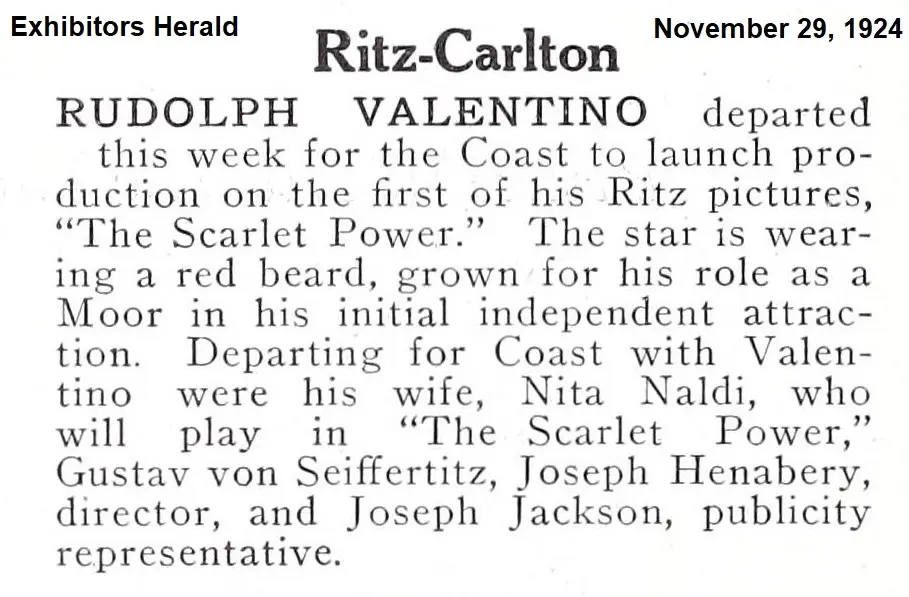
Comparing it to other films of the period, we can gauge its potential impact. While films like Peg o' My Heart offered charming romantic narratives and Blackmail pushed the boundaries of suspense, The Hooded Falcon aimed for something far more expansive: a historical epic infused with profound personal drama. It would have required a massive budget, intricate logistical planning, and an unwavering commitment to authenticity, all of which were hallmarks of the most ambitious productions of the era. The challenges of bringing 14th-century Spain to the screen in the 1920s would have been immense, yet the potential rewards, both artistic and commercial, were equally vast. The film would have provided a powerful counterpoint to more contemporary dramas like Mothers of Men, showcasing the range of narratives silent cinema could tackle.
The enduring fascination with The Hooded Falcon lies precisely in its unfulfilled promise. It allows film enthusiasts and historians alike to engage in a speculative exercise, to reconstruct a cinematic dream from fragmented details. What would Valentino's Moorish warrior have looked like, dressed in the finest silks and armor, his eyes conveying both fierce determination and tender vulnerability? How would Naldi's princess have navigated the dangerous waters of court politics, her intelligence and beauty a potent force? These are questions that linger, fueling the legend of this lost epic. It is a testament to the enduring power of storytelling, even when the story itself remains untold on screen. The film's absence only magnifies its allure, making it a whispered legend in the grand narrative of silent film history, a poignant reminder of the creative energies that sometimes, for reasons unknown, never fully coalesce into tangible form.
Ultimately, The Hooded Falcon stands as a powerful symbol of the silent era's artistic ambition. It represents a moment when stars like Valentino sought to transcend their established images, when writers like Mathis and Rambova pushed the boundaries of visual and narrative storytelling, and when cinema itself was rapidly evolving into a sophisticated art form. Its legacy is not found in reels of film, but in the collective imagination of those who appreciate the rich tapestry of cinematic history, a vibrant, tantalizing 'what if' that continues to captivate and inspire. It reminds us that even unmade films can leave an indelible mark, shaping our understanding of an era and the immense creative potential that defined it.
IMDb —
1925
Community
Log in to comment.