DbcultAccessing Vault...
6.5/10
Senior Film Conservator
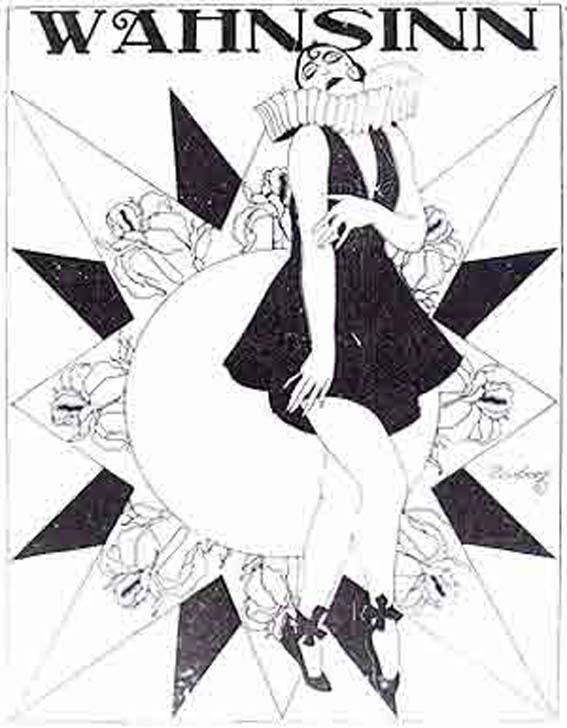
A definitive 6.5/10 rating for a film that redefined the boundaries of cult cinema. Wahnsinn remains a cornerstone of transgressive art.
The opening tableau of Wahnsinn is a study in chiaroscuro, a stark office lit by the cold glare of ledger lamps where Gussy Holl’s banker sits amid towering columns of paper, his posture rigid, his gaze fixed on numbers that promise order. The moment a gypsy fortune‑teller, embodied by the luminous Grit Hegesa, steps into this sterile realm, the equilibrium shatters. Her eyes, dark as obsidian, flicker with an uncanny certainty as she whispers of a trunk that will decide his destiny. The prophecy is not a mere plot device; it is a catalyst that detonates the banker’s latent dread of mortality and unfulfilled yearning.
From that instant, the film adopts a feverish rhythm, each scene a pulse that quickens as the protagonist’s obsession deepens. Conrad Veidt, cast as a rival financier, becomes an unwitting foil, his polished demeanor masking a simmering jealousy that fuels the banker’s paranoia. Reinhold Schünzel, playing a street‑wise informant, delivers a performance that oscillates between sardonic humor and grim foreboding, his dialogue peppered with cryptic riddles that echo the seer’s original warning.
The screenplay, crafted by Hermann Fellner, Margarete Lindau‑Schulz, and Kurt Muenzer, is a tapestry of motifs: the recurring image of a locked chest, the motif of mirrors reflecting fractured selves, and the persistent sound of ticking clocks that underscore the inexorable march toward an unknown climax. Their dialogue is laced with poetic ambiguity, allowing each line to resonate on multiple levels—both as literal instruction and as metaphor for the banker’s internal schism.
Visually, director Wahnsinn (unnamed in the credits) channels the German Expressionist tradition, employing angular set pieces that tilt and warp as the protagonist’s sanity wanes. The use of deep shadows, punctuated by shafts of harsh orange light (#C2410C), creates a visual metaphor for the duality of hope and doom. In moments when the banker stalks fog‑laden streets, the cinematography shifts to a cooler sea‑blue hue (#0E7490), evoking a sense of cold rationality that is gradually eroded by the encroaching madness.
The film’s pacing mirrors the protagonist’s mental state: early scenes are measured, almost methodical, reflecting his disciplined banking life; as the quest intensifies, cuts become rapid, the editing frenetic, and the camera often adopts a handheld jitter that places the viewer directly into his spiraling perspective. This technique is reminiscent of the kinetic energy found in Her Triumph, yet Wahnsinn retains a distinct, claustrophobic intimacy.
Sound design plays an equally pivotal role. A low, throbbing drone underpins the majority of the film, rising in volume whenever the banker draws nearer to a clue. When he finally confronts the trunk, the score erupts into a discordant crescendo of brass and strings, a sonic representation of his inner conflict between salvation and self‑destruction.
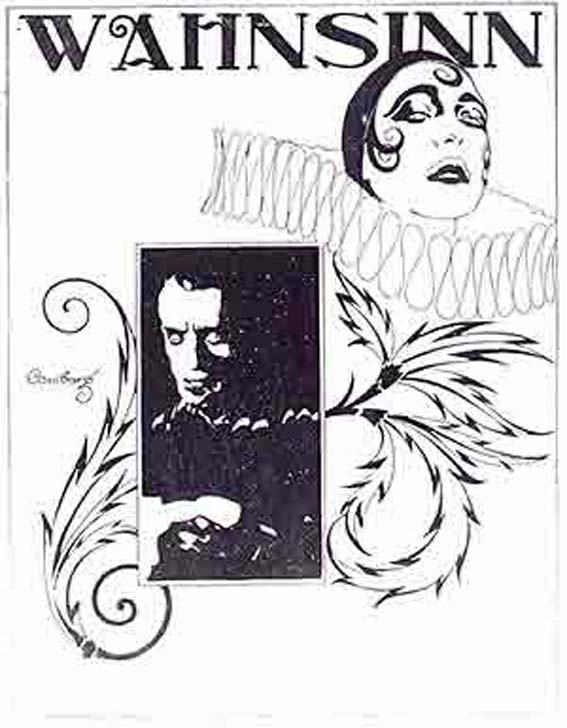
The thematic resonance of the trunk as a symbol of ultimate truth aligns with the narrative strategies employed in Maid o' the Storm, where an object of desire becomes a crucible for character transformation. In Wahnsinn, the chest is never fully revealed to the audience; its contents remain a mystery, compelling viewers to interrogate the nature of desire itself—whether it is the promise of happiness or the inevitability of death that truly drives human ambition.
Performance-wise, Gussy Holl delivers a nuanced portrayal that oscillates between stoic composure and frantic desperation. His eyes, often narrowed in calculation, gradually widen with a haunted intensity that conveys an internal battle without the need for exposition. The subtle tremor in his voice during moments of revelation hints at a man whose veneer of control is cracking.
Grit Hegesa’s fortune‑teller is a study in enigmatic charisma. She never fully explains the origin of her prophecy, instead offering cryptic verses that linger like incense smoke. Her presence is both alluring and unsettling, a reminder of the film’s underlying commentary on the allure of the unknown and the human propensity to seek meaning in ambiguity.
Conrad Veidt’s antagonist provides a counterpoint that underscores the banker’s isolation. Veidt’s polished suit and immaculate demeanor mask a ruthless ambition that mirrors the banker’s own suppressed desires. Their interactions are charged with a silent rivalry, each trying to outmaneuver the other while the specter of the trunk looms over their machinations.
Reinhold Schünzel’s street informant injects a gritty realism into the otherwise stylized world. His dialogue, peppered with colloquialisms and dark humor, grounds the narrative, reminding the audience that the banker’s quest traverses both elite financial districts and the underbelly of the city. This juxtaposition is reminiscent of the social stratification explored in The Gates of Gladness.
The film’s climax, a confrontation with the elusive trunk, is executed with a restraint that heightens its impact. The camera lingers on the banker’s trembling hands as he lifts the lid, yet the contents remain obscured, leaving the audience to grapple with the ambiguity. This deliberate omission forces viewers to confront the central question: is the true treasure the knowledge of one’s fate, or the act of seeking itself?
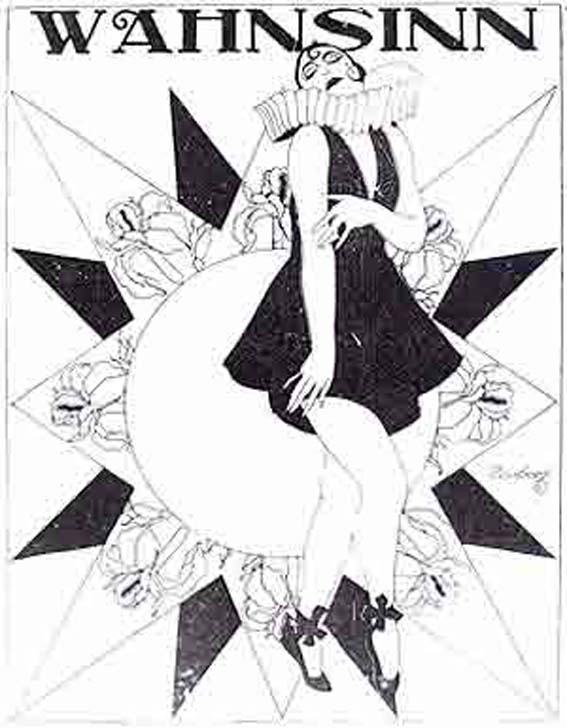
By refusing to provide a tidy resolution, Wahnsinn aligns itself with the existential uncertainty found in Obozhzhenniye krylya and the haunting ambiguity of The Haunted House. The film’s ending is not a denouement but an invitation to introspection, urging the audience to consider the cost of obsession and the fragile boundary between rational ambition and irrational compulsion.
Cinematographically, the use of deep focus shots during the banker’s moments of revelation allows the background to bleed into the foreground, symbolizing how external pressures infiltrate his inner world. The recurring motif of rain-soaked streets, rendered in a muted palette, evokes the melancholy of Tess of the Storm Country, reinforcing the film’s thematic preoccupation with fate’s relentless downpour.
The screenplay’s structure, divided into three acts—prophecy, pursuit, and revelation—mirrors the classic tragic arc while subverting expectations through its expressionist aesthetic. The middle act, in particular, is a tour de force of suspense, as the banker’s delusion manifests in hallucinations of the trunk appearing in disparate locations—a train carriage, a deserted warehouse, a child's toy chest—each vision more surreal than the last.
The film’s dialogue, while occasionally stylized, retains an authenticity that grounds the characters. Lines such as “The key is not the lock, but the hand that turns it” echo the philosophical underpinnings of the narrative, inviting viewers to contemplate agency versus destiny.
In terms of legacy, Wahnsinn stands as a testament to the power of visual storytelling to convey psychological turmoil. Its influence can be traced in later works that explore the obsessive quest motif, such as Madame X and Sangre y arena, where protagonists similarly grapple with enigmatic objects that promise salvation or ruin.
The film’s meticulous production design, from the opulent banking hall to the squalid back‑streets, creates a dichotomy that mirrors the protagonist’s internal conflict. The juxtaposition of polished marble and cracked cobblestones underscores the thematic tension between order and chaos.
Ultimately, Wahnsinn is a cinematic meditation on the perilous allure of prophecy, the seductive danger of unchecked ambition, and the fragile veneer of sanity. Its rich visual language, layered performances, and unresolved climax coalesce into a work that rewards repeated viewings, each time revealing new nuances in the interplay between fate and free will.
IMDb 5.6
1933
Community
Log in to comment.