DbcultAccessing Vault...
Cult Review
Senior Film Conservator
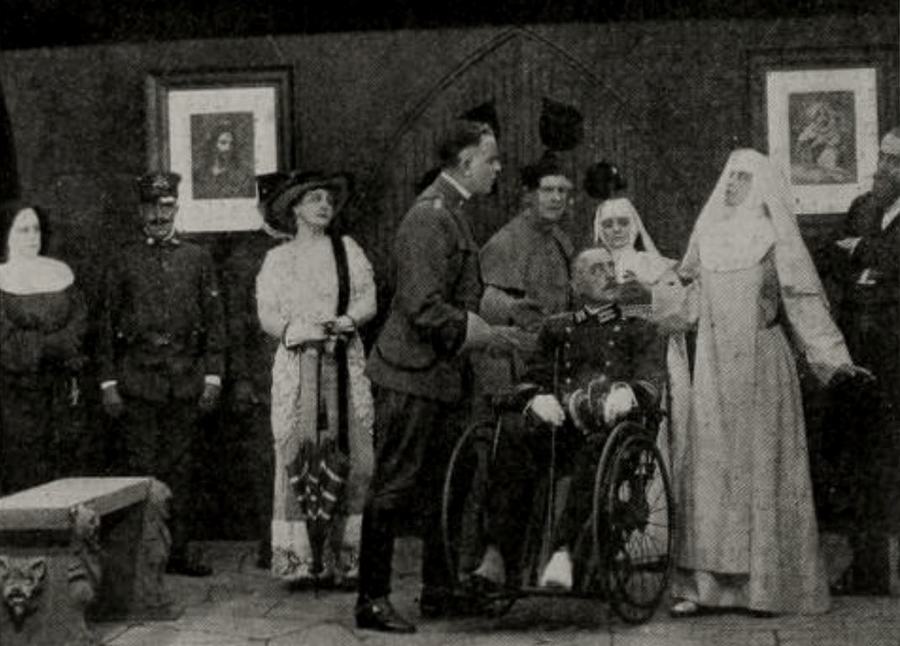
Stepping into the world of The White Sister is akin to unwrapping a meticulously preserved artifact from a bygone era, one that still pulses with raw, human emotion. This isn't just a film; it's a profound declaration of the heart's resilience and its capacity for transformation in the face of insurmountable sorrow. At its core, the narrative, penned with a delicate yet firm hand by Walter C. Hackett and Francis Marion Crawford, presents a crucible for the soul: a young woman's devastating loss compelling her into the austere embrace of a convent. But to merely state this plot point would be to strip the film of its intricate layers, its subtle gestures, and the monumental emotional weight it carries. It's a journey not just of physical relocation, but of spiritual metamorphosis, a testament to how grief, when profound enough, can redefine one's entire existence.
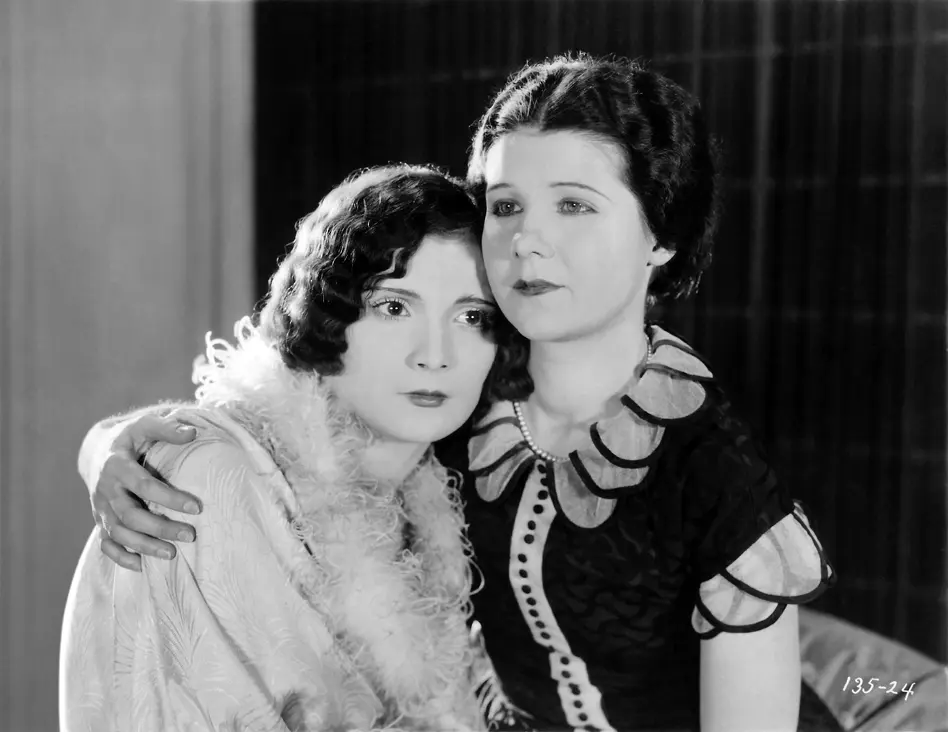
The film's strength lies in its ability to articulate the ineffable, to convey the crushing weight of a lost love and the subsequent pursuit of spiritual solace without the aid of spoken dialogue. This is where the artistry of silent cinema truly shines, and The White Sister is a masterclass in visual storytelling. Every glance, every posture, every tear shed by Florence Oberle, who embodies the protagonist with breathtaking vulnerability, becomes a chapter in her internal monologue. Her performance is a testament to the power of expressionistic acting, a style that demanded actors communicate entire universes through their eyes and the subtle movements of their bodies. We witness not just her sorrow, but her resignation, her nascent faith, and ultimately, her unwavering resolve. It's a portrayal that transcends mere melodrama, delving into the psychological complexities of a woman grappling with an irrevocably altered destiny.
The thematic resonance of The White Sister extends far beyond a simple romantic tragedy. It delves into the profound questions of sacrifice, the nature of devotion, and the societal expectations placed upon women during that era. In a world where a woman's identity was often inextricably linked to her relationships, particularly with men, the choice to enter a convent represented both a radical act of self-determination and a profound renunciation of conventional life. It was a path often chosen not just out of spiritual calling, but sometimes as an escape from an unforgiving world, or as a sanctuary for a broken heart. This film explores the latter with exquisite sensitivity, portraying the convent not as a place of punitive isolation, but as a haven where a shattered spirit might find renewal and a new form of purpose. The stark contrast between the vibrant secular world she leaves behind and the serene, disciplined life she embraces is powerfully depicted, making her transition all the more impactful.
The supporting cast, though perhaps less central to the emotional vortex, provides crucial texture to the narrative. Emilie Melville, John Thorn, and Ernest Maupain, among others, contribute to the tapestry of the protagonist's past and present, embodying the forces that shape her journey. Viola Allen, Richard Travers, Thomas Commerford, Sidney Ainsworth, John Cossar, Camille D'Arcy, and Frank Dayton fill out the world with nuanced performances, each face adding depth to the societal backdrop against which our protagonist's monumental decision unfolds. Their reactions, their silent judgments, or their empathetic gazes serve as mirrors reflecting the gravity of her choice. The film masterfully uses these peripheral characters to underscore the societal implications of her withdrawal, highlighting the chasm between her former life and her new, sacred commitment.
Comparatively, one might draw parallels between the intense emotional landscape of The White Sister and other melodramas of the era. The stark choices and profound consequences resonate with films like The Cup of Life, where destiny often plays a cruel hand, or even The Truth About Helen, which similarly grapples with a woman's agency and the societal repercussions of her decisions. While the specific circumstances differ, the underlying current of a woman navigating a world that often limits her choices, and finding strength in unexpected places, is a powerful through-line. The film avoids the sensationalism often associated with some silent era productions, opting instead for a more introspective and emotionally authentic portrayal of its subject matter.
The influence of writers Walter C. Hackett and Francis Marion Crawford is palpable throughout the narrative. Crawford, known for his prolific literary output and vivid characterizations, likely imbued the story with a depth of psychological realism that elevated it beyond a mere tearjerker. Hackett's adaptation would have been crucial in translating this intricate emotional landscape into a visually compelling screenplay, understanding the unique demands and opportunities of the silent medium. Their collaboration results in a story that feels both grand in its emotional scope and intimately personal in its portrayal of a single woman's spiritual odyssey. It’s a narrative that understands the human heart’s capacity for both immense suffering and profound, transformative faith, laying bare the soul’s journey through loss and redemption.
Visually, the film is a triumph of early cinematic artistry. The cinematography, though perhaps rudimentary by today's standards, is incredibly effective in conveying mood and atmosphere. The use of light and shadow, particularly within the solemn confines of the convent, speaks volumes. The stark white habits against the often-dark backgrounds are not just costume choices; they are symbolic representations of purity, sacrifice, and the renunciation of the material world. The director expertly frames scenes to emphasize isolation, devotion, and the quiet dignity of spiritual life. One can almost feel the chill of the stone walls, the weight of the silence, and the profound sense of peace that descends upon the protagonist as she embraces her new calling. This visual poetry elevates the film from a simple narrative to an immersive emotional experience, drawing the viewer into her world with an almost hypnotic quality.
The cultural context of The White Sister is also fascinating. It emerged during a period of immense social change, yet it looks back to a more traditional form of female agency—or lack thereof, depending on one's perspective. While other films might have explored more overt forms of rebellion or modern womanhood, The White Sister offers a glimpse into a different kind of strength, one found in quiet endurance and spiritual fortitude. It stands in stark contrast to the burgeoning flapper culture or the more assertive female characters beginning to appear on screen. This makes it a valuable historical document, reflecting a segment of society grappling with timeless questions of love, loss, and spiritual purpose within a specific cultural framework. It's a powerful reminder that heroism comes in many forms, not all of them outwardly defiant.
Considering its place within the silent film canon, The White Sister holds its own as a compelling drama. It might not possess the grand scale of an epic like Votsareniye doma Romanovykh or the avant-garde experimentation of Les Vampires, but its power lies in its intimate focus and universal themes. It’s a film that speaks to the heart directly, bypassing intellectualization to tap into primal emotions. The decision to commit to a life of spiritual service, to forsake worldly love for a higher calling, is a narrative device that has resonated across centuries and cultures, and this film captures its essence with remarkable clarity and emotional depth. It’s a story that continues to provoke thought about the nature of love, the impact of loss, and the diverse paths individuals take to find meaning in their lives.
The enduring appeal of The White Sister lies in its timeless exploration of human suffering and redemption. It reminds us that even in the darkest valleys of despair, there exists the potential for profound transformation and the discovery of an inner strength previously unimagined. The film doesn't offer easy answers or simplistic resolutions; instead, it presents a nuanced portrayal of a woman's journey through grief to a place of profound, if austere, peace. It's a powerful argument for the enduring relevance of silent cinema, demonstrating how a lack of spoken words can, paradoxically, amplify the emotional resonance of a story. It's a film that lingers long after the final frame, prompting reflection on our own capacities for love, loss, and ultimately, the search for meaning. For those seeking an emotionally rich, historically significant, and profoundly moving cinematic experience, The White Sister remains an essential viewing, a beacon of silent era artistry that continues to illuminate the human condition with remarkable clarity.

IMDb 6.5
1929
Community
Log in to comment.