DbcultAccessing Vault...
5.2/10
Senior Film Conservator
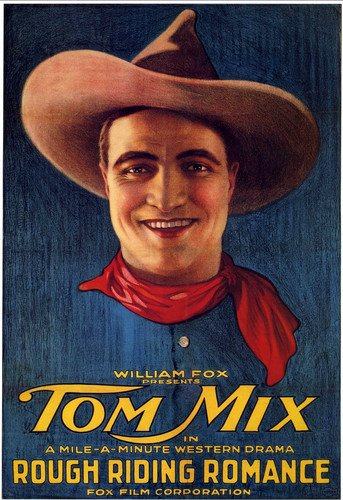
A definitive 5.2/10 rating for a film that redefined the boundaries of cult cinema. Rough-Riding Romance remains a cornerstone of transgressive art.
Tom Mix's Rough-Riding Romance operates on a deliciously absurd alchemy: one part prairie dust, two parts palace intrigue, shaken violently by daredevil stunts. Director Jerome Storm concocts a silent-era cocktail where the intoxicating scent of fresh wealth collides with European aristocracy – all facilitated by a Texas gate-crasher in jingling spurs. The film’s genius lies not in plausible geopolitics (Moldavia remains a Ruritanian fantasy), but in weaponizing Mix's physical bravura against velvet-draped antagonists. Witnessing him scale hotel façades with lassos while Eastern diplomats gawk becomes a metaphor for American irreverence dismantling Old World pretensions.
Unlike traditional fortune narratives where wealth transforms character, Dobbs' oil discovery merely finances his existing cowboy code. His town-wide celebration isn’t conspicuous consumption but communal sharing – a potlatch of beef and beer foreshadowing his later sacrifice for strangers. Compare this to the corrosive wealth in Skinner's Dress Suit, where affluence breeds anxiety. Dobbs remains steadfastly unscathed by riches, treating millions as incidental to rescuing damsels and breeding heifers.
Juanita Hansen’s Princess Anya similarly defies convention. Her escape from betrothal isn’t passive flight but strategic alliance-making. When she targets Dobbs as her protector, it’s with the precision of a general deploying cavalry. Note how her eyes appraise his physique during the bully confrontation – this is no swooning victim, but a tactician recognizing artillery. Her eventual abdication feels less like romantic surrender than conscious emancipation from dynastic machinery.
The film’s pièce de résistance remains Dobbs’ urban rodeo. Storm transforms Market Street into a stage for equestrian ballet: Mix’s stallion Tony weaving through cable cars, leaping produce carts, sliding across wet cobblestones with Hooves of Destiny™. These sequences aren’t mere spectacle; they’re visual metaphors for frontier adaptability conquering industrialized spaces. When Dobbs dismounts at the St. Francis Hotel, his spurs scarring the marble lobby, it’s Manifest Destiny miniaturized.
Contrast this with the restrained theatricality of La Vie de Bohème – where Parisian garrets contain drama – or the psychological tension in The Warning. Mix rejects containment; his heroism requires horizontal velocity and vertical recklessness. The hotel rescue sequence, featuring a gravity-defying climb using window ledges and curtain cords, predates Jackie Chan by sixty years while radiating pure, unadulterated chutzpah.
"Mix doesn't act the hero – he inhabits kinetic heroism. Every stunt is character revelation: when he swings from a chandelier to kick Vladislav's henchmen, it's democracy drop-kicking oligarchy."
Charles Kenyon’s script smuggles razor-sharp commentary beneath ostensible fluff. Dobbs’ dairy farm becomes a microcosm of honest labor versus unearned privilege. His cows – named after virtues like Prudence and Fortitude – contrast with Vladislav’s parasitic nobility. The villain’s comeuppance involves literal immersion in a manure pit, a slapstick moment rich with socioeconomic subtext.
This bovine symbolism culminates in the finale: Anya trading coronation robes for milking aprons. Unlike A Woman's Honor – where female sacrifice reinforces patriarchal structures – Anya’s choice feels like sovereignty reclaimed. Her throne abdication isn’t loss but exchange: trading inherited power for conjugal partnership. The closing shot of her ladling cream, smiling at Dobbs amid clover-scented air, suggests deeper royalty found in self-determination.
Supporting players amplify these themes. Spottiswoode Aitken’s deposed king radiates weary nobility, his trembling hands clutching freedom papers like sacred texts. Jack Nelson’s Vladislav oozes Continental sliminess – a man who'd monogram his guillotine. And Tony the Horse? Deserves co-billing. His expressive ears and thundering gait supply emotional depth often missing from human co-stars.
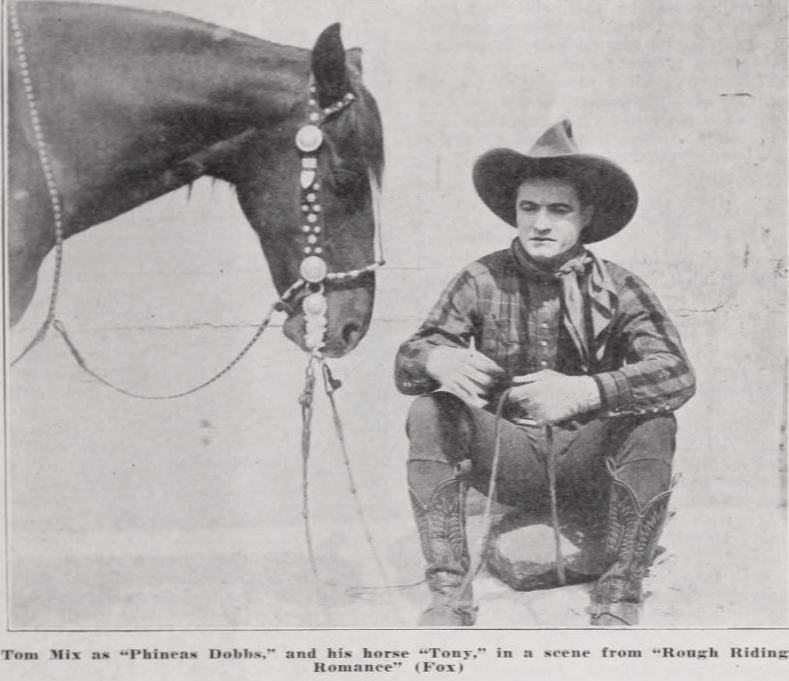
Storm employs silent cinema’s unique grammar with virtuosity. Watch the double exposure sequence when Dobbs dreams of Anya – her face superimposed over grazing cows, foreshadowing their merged futures. Intertitles adopt regional dialects ("Reckon that varmint needs hog-tyin’!") while nobility speaks florid prose, creating auditory texture through text.
Thematic parallels abound: oil derricks pumping beside palace spires; Dobbs’ lasso coiling like Vladislav’s decorative sashes. Even costume design whispers narratives. Dobbs’ unchanged western wear in San Francisco isn’t oversight but sartorial resistance – his Stetson a crown of authenticity amidst top-hatted hypocrisy. Compare this to the sartorial transformations in The Love Brokers, where clothes make hollow men.
For all its rousing adventure, shadows linger at the edges. Consider the townsfolk’s fickleness: cheering Dobbs’ wealth, then ignoring his departure. Their earlier bacchanal – chaotic and borderline destructive – hints at societal rot soothed only by spectacle. Even Dobbs’ heroism carries colonial echoes: the American solving foreign crises with force. Unlike the moral complexity in The Three Godfathers, these nuances go unexplored – the film’s breakneck pace leaves philosophical depth in the dust.
Yet this very refusal to moralize grants enduring charm. Mix barrels through scenes like a human tornado, prioritizing momentum over meditation. His fight choreography – all haymakers and hurled furniture – rejects finesse for cathartic impact. When he body-slams Vladislav into a wedding cake, it’s class warfare served as dessert.
Contemporary comparisons to The Vagabond Prince proved inevitable, though Mix’s earthier charisma outshone its theatricality. Modern viewers might detect DNA strands in Romancing the Stone or The Princess Bride, but Rough-Riding Romance remains sui generis – a western/fairy tale/screwball hybrid.
Survival is patchy; the final reel exhibits nitrate decomposition, making Anya’s transition from princess to ranch wife feel abrupt. Does missing footage imply hesitation? A royal advisor pleading against abdication? The lacuna haunts like phantom celluloid. Yet the existing print confirms Mix’s superstardom wasn’t accidental. Every smirk, every saddle vault, radiates preternatural screen magnetism.
A century later, Rough-Riding Romance enchants through fearless commitment to its own absurdity. It’s a film where romantic chemistry ignites during a runaway buggy chase, where geopolitical upheaval resolves via lariat skills. Hansen and Mix generate sparks not through lingering close-ups but shared action – their bond forged in rescues and rooftop escapes.
Unlike the psychodramas of Lebenswogen or domestic tensions in Vater und Sohn, this is pure kinetic fantasy. The message resonates precisely because it’s implausible: integrity trumps bloodlines, courage outshines coronets, and true royalty might wear calico aprons. When Dobbs sweeps manure from his porch while Anya churns butter, we witness democracy’s quiet triumph – a kingdom of two where every dawn smells of hay and possibility.
IMDb —
1930
Community
Log in to comment.