DbcultAccessing Vault...
Cult Review
Senior Film Conservator
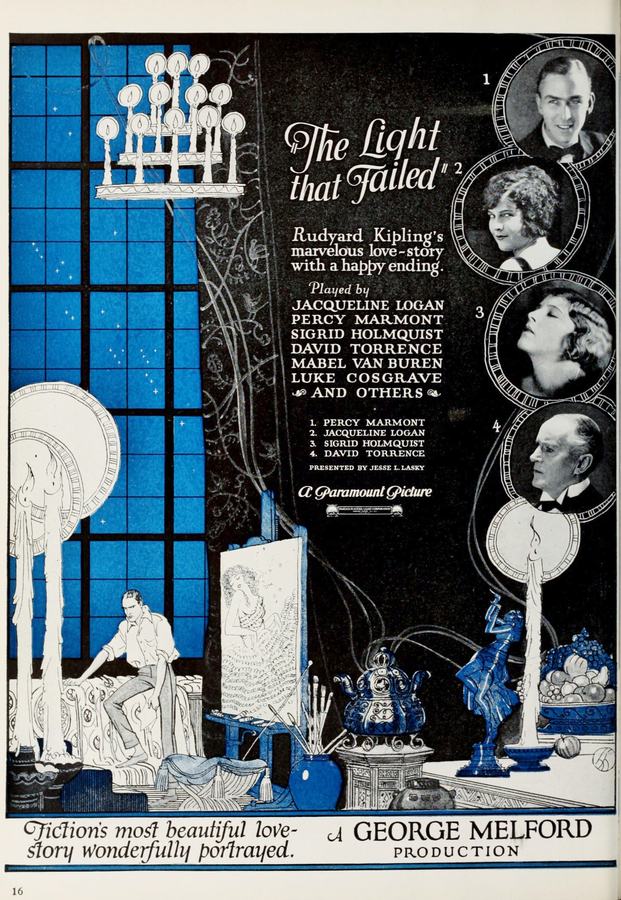
In the annals of early cinema, few adaptations capture the raw, unvarnished essence of literary despair quite like Maurice Tourneur’s 1923 silent masterpiece, The Light That Failed. This cinematic rendition of Rudyard Kipling’s evocative novel plunges audiences into the tumultuous inner world of Dick Heldar, an artist whose soul is a battleground where the fierce dictates of ambition clash relentlessly with the tender, yet often unrequited, yearnings of the heart. It’s a film that, even a century after its premiere, resonates with a profound melancholic beauty, offering a stark meditation on the price of genius, the futility of certain loves, and the cruel caprices of fate. Tourneur, a director celebrated for his visual artistry, deftly navigates Kipling’s intricate narrative, transforming prose into a symphony of gestures, expressions, and meticulously framed compositions that speak volumes without uttering a single word. This isn't merely a silent film; it's a profound visual poem on human struggle.
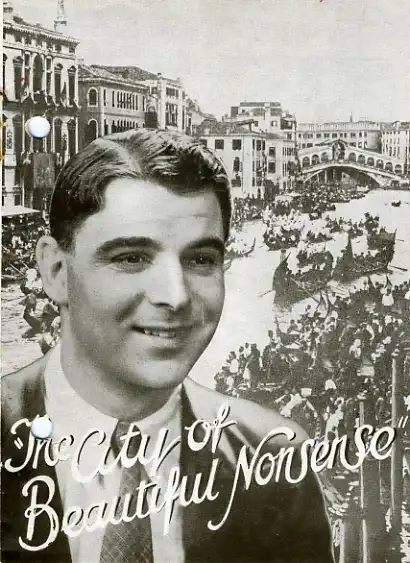
At the core of this compelling drama stands Dick Heldar, portrayed with agonizing intensity by Percy Marmont. From his earliest days, Heldar is depicted as an individual marked by an extraordinary artistic sensibility, a spirit destined to capture the world's myriad forms and emotions on canvas. Yet, this very gift becomes both his greatest strength and his most formidable curse. His childhood bond with Maisie Wells (Mabel Van Buren) is painted as a delicate, almost ethereal connection, a promise of shared futures that, in reality, begins to fray under the relentless pressure of his burgeoning talent. Maisie, herself an aspiring artist, possesses a more conventional, perhaps even superficial, understanding of art, a chasm that widens irrevocably as Dick's vision deepens. His ambition isn't merely a desire for fame; it's an existential imperative, a burning need to translate the chaotic beauty and brutal truth of existence into a tangible form, a calling that eclipses all other attachments. This singular focus sets him on a path of inevitable isolation, a common thread in narratives exploring the artist's burden, much like the intense personal sacrifices seen in character studies like The Lyons Mail, where destiny's demands override personal comfort.
The narrative takes a dramatic turn as Heldar, driven by an insatiable wanderlust and a quest for authentic experience, abandons the comfortable, if unfulfilling, familiarity of England. He gravitates towards the sun-baked, dust-choked expanses of Port Said, a crucible where fates are forged and shattered. Here, he encounters Torpenhow (Luke Cosgrave), a seasoned war correspondent whose cynical wisdom and hardened pragmatism serve as a stark counterpoint to Dick’s idealistic fervor. Their camaraderie, forged amidst the chaos of battle, is one of the film’s most nuanced relationships. It is in the trenches, under the blistering desert sun and the terrifying roar of gunfire, that Dick’s art truly matures. He doesn't merely sketch; he absorbs the visceral reality of conflict, the agony of the wounded, the stoicism of the fighting men. These harrowing experiences imbue his work with an unparalleled realism, moving beyond mere aesthetic representation to a profound commentary on the human condition. The war becomes his ultimate muse, shaping his artistic voice with a brutal honesty that few artists of his time could emulate. This transformative journey through adversity, where one finds purpose amidst peril, mirrors the intense character development often found in films like Flaming Hearts, albeit with a focus on existential awakening rather than romantic entanglement.
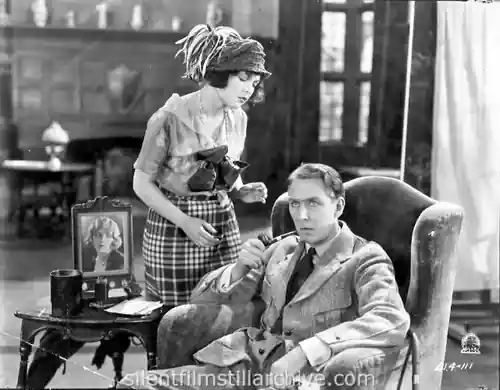
Despite his artistic triumphs and the profound experiences of war, Maisie remains a ghost in Heldar’s heart. His return to England is partly fueled by a yearning to reconnect with this idealized version of his past, a longing for a love that might offer solace amidst the demanding rigors of his artistic life. However, the Maisie he finds is not the innocent girl he left behind, nor is she capable of comprehending the profound transformation he has undergone. Her artistic aspirations remain superficial, her understanding of his vision limited by a conventional aesthetic. She is incapable of appreciating the raw, almost savage beauty he now captures, viewing his war sketches as crude and disturbing rather than deeply authentic. This fundamental divergence in their perspectives creates an insurmountable barrier, highlighting the tragic irony that the very experiences that elevate Dick’s art alienate him from the person he once held dear. The film masterfully portrays this emotional distance, making the audience feel the weight of their unspoken incompatibilities. Their relationship becomes a poignant study in unfulfilled potential, a dream that, like a mirage, dissipates upon closer inspection.
The film's title, The Light That Failed, takes on a literal and devastating meaning as Dick Heldar begins to lose his eyesight, a cruel twist of fate for a visual artist. This encroaching blindness is not merely a physical ailment; it is a metaphor for the gradual dimming of his hopes, the erosion of his dreams, and the extinguishing of his very essence as a creator. In a desperate race against time, he embarks on his magnum opus, a portrait of Bessie Broke (Bernice Frank), a spirited street girl whose raw, untamed beauty captures the very essence of life and struggle that Dick has witnessed. Bessie, unlike Maisie, possesses an intuitive understanding of Dick’s art, a connection born not of shared artistic theory but of shared experience and a certain primal honesty. She sees the man, not just the artist, and her presence offers a fleeting comfort amidst his encroaching darkness. The frantic intensity with which Dick works, knowing each brushstroke could be his last, is conveyed with remarkable pathos. The struggle of the artist against insurmountable odds, fighting for one last burst of creativity, is a powerful and universally resonant theme, echoing the desperation and singular focus of characters in films like The Criminal, albeit with a different moral compass.
The climax of The Light That Failed is a heart-wrenching descent into tragedy. As Dick’s vision completely fails, his magnificent portrait of Bessie, the culmination of his life’s work and his desperate last stand against the encroaching darkness, is maliciously destroyed by Bessie herself in a fit of pique and misunderstanding. This act of vandalism, born of ignorance and resentment, shatters Dick’s spirit more profoundly than his blindness ever could. The destruction of his masterpiece symbolizes the final, crushing defeat of his artistic ambition and his will to live. With nothing left to create, nothing left to see, and no one truly capable of understanding his profound loss, Dick makes the ultimate, tragic choice. He returns to the battlefields of Sudan, to the only place where he felt truly alive and where his vision was once clearest, seeking a final, definitive end amidst the chaos he once embraced. It is a powerful, almost inevitable conclusion, cementing the film’s status as a profound exploration of artistic despair and the relentless cruelty of a fate that denies an artist his light. The sheer weight of this tragic end is reminiscent of the inescapable destinies depicted in films like Earthbound, where characters find themselves ensnared by forces beyond their control.
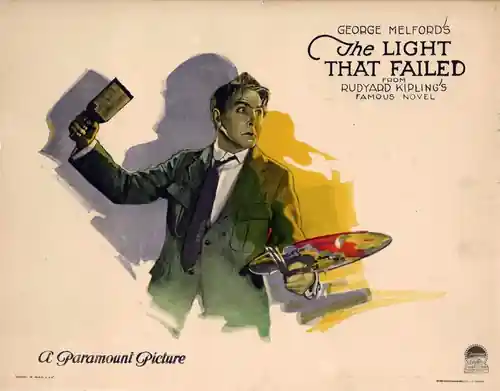
Maurice Tourneur’s direction is a masterclass in silent film storytelling. He understood implicitly that without dialogue, every gesture, every facial expression, and every composition had to carry immense narrative and emotional weight. His use of light and shadow is particularly striking, often mirroring Dick’s internal state. The vibrant light of his early ambition slowly gives way to the encroaching darkness, both literal and metaphorical. Percy Marmont delivers a performance of astounding depth, conveying Dick’s internal turmoil, his artistic passion, his despair, and his eventual resignation with a nuanced subtlety that transcends the often broad acting styles of the era. He avoids melodrama, opting instead for a quiet intensity that draws the audience into Dick’s suffering. Mabel Van Buren, as Maisie, expertly portrays a woman whose limitations inadvertently contribute to the protagonist's downfall, her beauty masking a profound lack of empathy for his artistic soul. The cinematography, though bound by the technological constraints of the time, is remarkably expressive, utilizing close-ups to emphasize emotional beats and wider shots to establish the desolate grandeur of the war-torn landscapes. The film achieves a visual poetry that elevates it beyond a mere plot recounting, turning it into an immersive emotional experience. The expressive power of the actors, particularly Marmont, is central to the film's lasting impact, demonstrating how silent cinema could achieve profound psychological realism without a single spoken word.
"A poignant study in unfulfilled potential, a dream that, like a mirage, dissipates upon closer inspection."
Adapting Rudyard Kipling’s work for the screen, especially in the silent era, presented unique challenges. Kipling’s prose is rich with internal monologue, philosophical musings, and intricate descriptions that are difficult to translate visually. However, F. McGrew Willis and Jack Cunningham’s screenplay, under Tourneur’s guidance, manages to capture the spirit of Kipling’s novel with remarkable fidelity. They understood that the core of the story lay in Dick Heldar’s internal conflict and the relentless march of fate. While some nuances of Kipling’s colonialist undertones might be less pronounced, the film succeeds in amplifying the universal themes of artistic struggle, unrequited love, and the devastating consequences of ambition. The stark visual language of silent film, in many ways, complements Kipling’s often stoic and fatalistic worldview. The film doesn't shy away from the novel's bleak outlook, instead embracing it to deliver a powerful, uncompromising narrative. This commitment to the source material's emotional core, even when faced with significant stylistic limitations, highlights the creative ingenuity prevalent in early Hollywood. It's a testament to the power of visual storytelling to convey complex literary themes, much like other ambitious silent adaptations of grand narratives such as The Empress, which sought to bring historical epics to life.
The Light That Failed is a rich tapestry woven with enduring thematic threads. At its heart is the exploration of artistic ambition – not as a mere desire for recognition, but as an inescapable, almost spiritual compulsion. Dick Heldar’s journey is a stark reminder that true art often demands immense personal sacrifice, sometimes even the very fabric of one’s happiness. His inability to compromise his artistic integrity for love, or for a comfortable life, is both admirable and tragic. The film also delves into the nature of love itself: the youthful, innocent kind represented by Maisie, which proves fragile and ultimately uncomprehending, versus the more pragmatic, perhaps even cynical, bonds forged in shared adversity. The brutality of war is another potent theme, not glorified, but presented as a crucible that both hardens and illuminates, stripping away pretense and revealing fundamental truths. Ultimately, the film poses profound questions about fate, free will, and whether an individual can truly escape the destiny carved out by their unique talents and desires. It's a poignant examination of the human condition, where the pursuit of greatness often walks hand-in-hand with inevitable sorrow.
Released in 1923, The Light That Failed stands as a compelling example of the artistic sophistication silent cinema had achieved. It eschewed simplistic narratives for complex character studies and morally ambiguous themes, a trend seen in many of the era's more ambitious productions. While it doesn't boast the grand spectacle of some contemporary epics, its power lies in its intimate psychological portrayal. It can be viewed alongside other silent dramas that explored the darker facets of human nature and societal pressures, such as The Woman in His House, which often delved into domestic strife and hidden desires. The film’s ability to convey profound emotion without dialogue, relying on the sheer skill of its performers and the evocative power of its visual composition, makes it a valuable artifact for understanding the evolution of cinematic language. Its narrative of an artist's struggle against an indifferent world and personal demons also draws parallels to character-driven dramas like Deti - tsvety zhizni, which, despite its different cultural context, similarly explores the fragility of existence and the impact of external forces on individual lives. This film is more than a historical curiosity; it's a testament to the enduring power of storytelling, irrespective of technological limitations.
Over a century removed from its initial release, The Light That Failed continues to cast a long, contemplative shadow. It serves not only as a crucial historical document of early cinematic artistry but also as a potent and timeless meditation on themes that remain profoundly relevant. The struggle between personal ambition and the demands of love, the transformative power of trauma, and the cruel irony of fate conspiring against an individual's greatest gift are universal human experiences. Percy Marmont’s portrayal of Dick Heldar remains a powerful, empathetic performance, anchoring the film’s emotional weight. Maurice Tourneur’s masterful direction ensures that Kipling’s bleak yet beautiful narrative is translated into a visual language that speaks directly to the soul, proving that the absence of sound can, paradoxically, amplify the resonance of human emotion. This film is a stark, unforgettable reminder of the sacrifices inherent in the pursuit of greatness and the devastating consequences when the light, in its various forms, ultimately fails. It's a compelling argument for the enduring power of silent cinema, a truly masterful and poignant work that deserves to be rediscovered and appreciated by new generations of cinephiles.
IMDb 7.6
1913
Community
Log in to comment.