DbcultAccessing Vault...
4.3/10
Senior Film Conservator
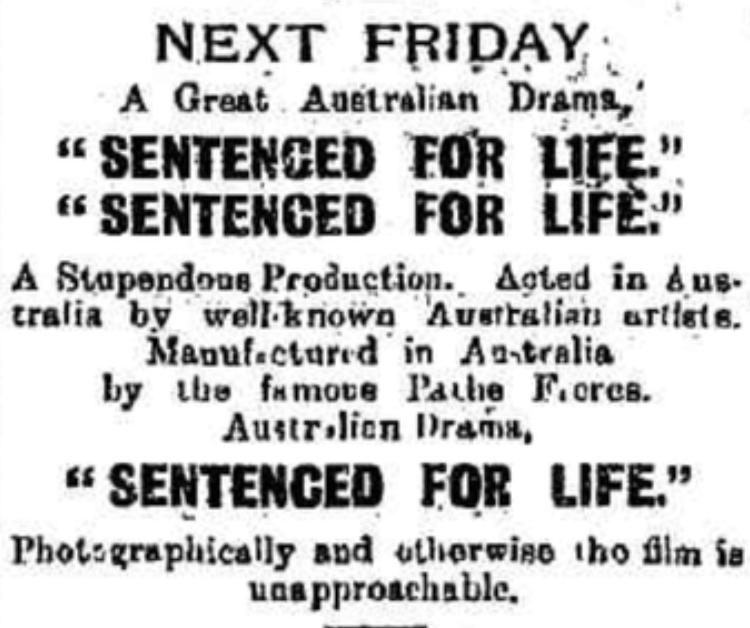
A definitive 4.3/10 rating for a film that redefined the boundaries of cult cinema. Sentenced for Life remains a cornerstone of transgressive art.
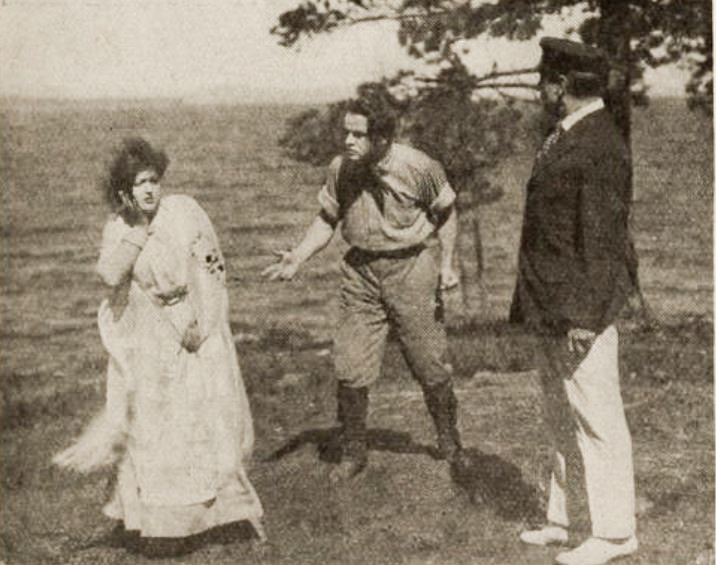
Stepping back into the formative years of moving pictures, one encounters a fascinating landscape of nascent storytelling, where the very grammar of cinema was being invented, frame by painstaking frame. Among these pioneering works, 'Sentenced for Life', brought to the screen by the ambitious E.J. Cole's Bohemian Dramatic Company, stands as a compelling artifact. It's not merely a historical curiosity but a vibrant, albeit silent, testament to the enduring power of melodrama and the human fascination with justice, or its tragic absence. This film, though likely lost to the ravages of time and neglect for many, represents a crucial step in cinema's evolution from mere spectacle to profound narrative art.
The narrative thrust of 'Sentenced for Life' plunges directly into the heart of human vulnerability. It meticulously constructs a scenario of wrongful accusation, a theme that has, since time immemorial, captivated audiences. The protagonist, whose name now eludes the annals of history, is depicted as an industrious, honest individual whose life is abruptly upended by a malevolent frame-up. This isn't just a simple plot device; it's a potent commentary on the fragility of reputation and the ease with which an innocent life can be shattered by malice and circumstantial evidence. The film, in its silent eloquence, compels us to consider the profound implications of such an injustice, making it a precursor to countless legal dramas that would follow in cinematic history.
The involvement of E.J. Cole's Bohemian Dramatic Company is particularly telling. This wasn't a group born out of the burgeoning film industry but rather one steeped in the traditions of the legitimate stage. Their transition to the screen brought with it a distinct theatricality that shaped early cinematic performance. Gestures were often grand, emotions writ large across faces, and movements deliberate, all designed to convey meaning without the aid of spoken dialogue. This style, while sometimes perceived as overly dramatic by modern sensibilities, was essential for communicating complex plots and nuanced feelings to an audience still learning how to 'read' a film. The company's name itself, 'Bohemian Dramatic,' suggests a troupe perhaps more inclined towards the earnest, heartfelt portrayal of human struggle, rather than mere slapstick or documentary fare.
Comparing their approach to other contemporaneous works reveals this stylistic lineage. While films like The Corbett-Fitzsimmons Fight or Reproduction of the Corbett and Fitzsimmons Fight focused on capturing real-life events or meticulously staged reproductions of them, and others like Saída dos Operários do Arsenal da Marinha offered glimpses into everyday life, 'Sentenced for Life' aimed squarely for the emotional jugular. It sought to immerse viewers in a constructed reality, to evoke empathy and outrage. This ambition, to translate the profound emotional arcs of stage drama into the burgeoning cinematic medium, was a vital evolutionary step. The cast, through their exaggerated but effective pantomime, ensured that the audience grasped the despair of the unjustly accused, the tenacious love of his fiancée, and the insidious glee of the villain.
The construction of suspense in 'Sentenced for Life' is particularly commendable for its era. Without dialogue, filmmakers relied heavily on visual cues, editing rhythms, and the strategic placement of intertitles to build tension. The pacing of the discovery of the crime, the subsequent arrest, the courtroom drama, and the desperate search for evidence would have been carefully orchestrated to maximize emotional impact. The audience, accustomed to the slow burn of theatrical plays, would have been gripped by the unfolding tragedy, punctuated by moments of hope and despair. The impending doom of the protagonist's sentence would have served as a powerful ticking clock, driving the narrative forward with an undeniable urgency.
This early mastery of narrative tension is a stark contrast to some of the more observational films of the period. While a film like A Procissão da Semana Santa offered a cultural snapshot, or 69th Regiment Passing in Review documented a military parade, 'Sentenced for Life' was actively manipulating audience emotions to tell a story of profound personal consequence. This shift from recording reality to crafting compelling fiction was monumental. The portrayal of the villain, likely a sneering, conniving figure, would have been designed to elicit immediate revulsion, a clear antagonist against whom the audience could direct their animosity, further heightening the dramatic stakes.
At its core, 'Sentenced for Life' is a powerful exploration of loyalty and perseverance. The unwavering faith of the protagonist's fiancée and mother in his innocence forms the emotional backbone of the narrative. Their tireless efforts to unearth the truth, facing skepticism and hardship, speak volumes about the strength of human bonds. This portrayal of steadfast devotion in the face of overwhelming adversity would have resonated deeply with audiences of the era, who often found solace and moral instruction in such tales. It's a universal theme, transcending the specific historical context of the film's production.
The emotional journey of these characters, their despair, their fleeting hopes, and their ultimate triumph, even if achieved by the narrowest of margins, provided a cathartic experience for viewers. Such narratives were instrumental in establishing cinema as a medium capable of profound emotional engagement, moving beyond the simple spectacle of novelty. Much like the epic scope of Life and Passion of Christ or the historical sweep of The Story of the Kelly Gang, this film, in its own dramatic sphere, sought to elevate the human experience, albeit through a more intimate lens of personal struggle and redemption.
The visual language employed in 'Sentenced for Life' would have been rudimentary by today's standards, yet incredibly innovative for its time. Camera movements were likely minimal, with most scenes captured from a static, theatrical perspective. However, even within these constraints, the arrangement of actors within the frame, the use of lighting (often natural or rudimentary artificial sources), and the careful selection of backdrops would have been crucial. A close-up, if employed, would have been a powerful, rare device, used to emphasize a critical emotion or a crucial piece of evidence, much like in later, more sophisticated silent films.
The settings themselves, whether a stark courtroom, a humble domestic interior, or the oppressive confines of a prison, would have been designed to reflect the emotional state of the characters. A dark, cluttered room might symbolize despair, while a sunlit window might offer a fleeting glimmer of hope. These visual metaphors, though perhaps unsubtle, were effective tools for conveying narrative information and emotional resonance in the absence of spoken words. The entire visual tableau was essentially a canvas for the dramatic company's expressive performances, allowing their theatrical training to shine through.
Beyond the personal drama, 'Sentenced for Life' inadvertently offers a window into the societal anxieties of its period. The fear of wrongful conviction, the power dynamics between employer and employee, and the often-slow, imperfect wheels of justice were all tangible concerns. The film, in its depiction of a seemingly insurmountable legal system, taps into a universal fear: the individual's helplessness against institutional power. This subtext adds another layer of depth to what might otherwise be perceived as a straightforward melodrama. It speaks to a collective unease about fairness and accountability in a rapidly industrializing society.
In a similar vein, other films of the era sometimes reflected contemporary life and concerns, albeit through different lenses. While The War in China captured global conflicts and Birdseye View of Galveston, Showing Wreckage documented natural disaster, 'Sentenced for Life' focused on the internal, moral landscape of a society grappling with its own ethical compass. The ultimate exoneration, therefore, wasn't just a happy ending for the protagonist; it was a reassurance that, despite the flaws, justice could, and often would, prevail. This was a comforting message for audiences navigating a world of rapid change and uncertainty.
Melodrama, the genre to which 'Sentenced for Life' firmly belongs, played a pivotal role in establishing cinema's early popularity. Its clear-cut morality, heightened emotions, and often dramatic resolutions provided audiences with accessible and engaging entertainment. These films didn't shy away from grand gestures or overt emotional appeals; indeed, they embraced them. This was a time when cinema was still finding its voice, and melodrama offered a familiar, powerful framework for storytelling that resonated deeply with the public, drawing them away from vaudeville and into the darkened picture palaces.
The success of films like 'Sentenced for Life' paved the way for more complex narratives and character studies in later decades. It demonstrated that audiences were not just interested in moving images, but in moving stories. The film's use of a clear protagonist, a nefarious antagonist, and a struggle for moral righteousness set a template that would be refined and reinterpreted countless times over the next century of filmmaking. It's a foundational piece, a stepping stone that, while perhaps overshadowed by later masterpieces, was absolutely essential in shaping the narrative capabilities of the cinematic medium.
While we lack the direct experience of viewing 'Sentenced for Life' today, we can infer much about the performances from the general style of E.J. Cole's Bohemian Dramatic Company and the conventions of the era. The actors would have relied on their bodies and faces to convey every emotion, from crushing despair to desperate hope, from simmering resentment to triumphant relief. Their training on the stage would have instilled in them a discipline of precise movement and expressive gesture, making every tilt of the head, every clench of the fist, a deliberate act of communication.
This era's acting style, often dubbed 'histrionic' by later critics, was in fact a highly skilled form of non-verbal communication. It's not unlike the physical storytelling seen in early dance films or even the highly stylized movements in some of the more elaborate 'trick films' of the period. The success of 'Sentenced for Life' would have hinged entirely on the ability of these performers to make their characters' plights palpable, to draw the audience into their emotional vortex without uttering a single audible word. Their silent dedication to their craft is a poignant reminder of the early artists who built the very foundations of cinematic performance.
Ultimately, 'Sentenced for Life', even in its spectral existence as a historical reference, represents a crucial moment in cinema's journey. It’s a testament to the early ambition of filmmakers to tell compelling stories, to explore universal human themes, and to harness the nascent power of the moving image for dramatic effect. While we may never witness its full glory, its essence – the struggle against injustice, the power of love and loyalty, and the ultimate triumph of truth – continues to resonate, a silent echo from the dawn of cinema.
IMDb —
1915
Community
Log in to comment.