DbcultAccessing Vault...
Cult Review
Senior Film Conservator
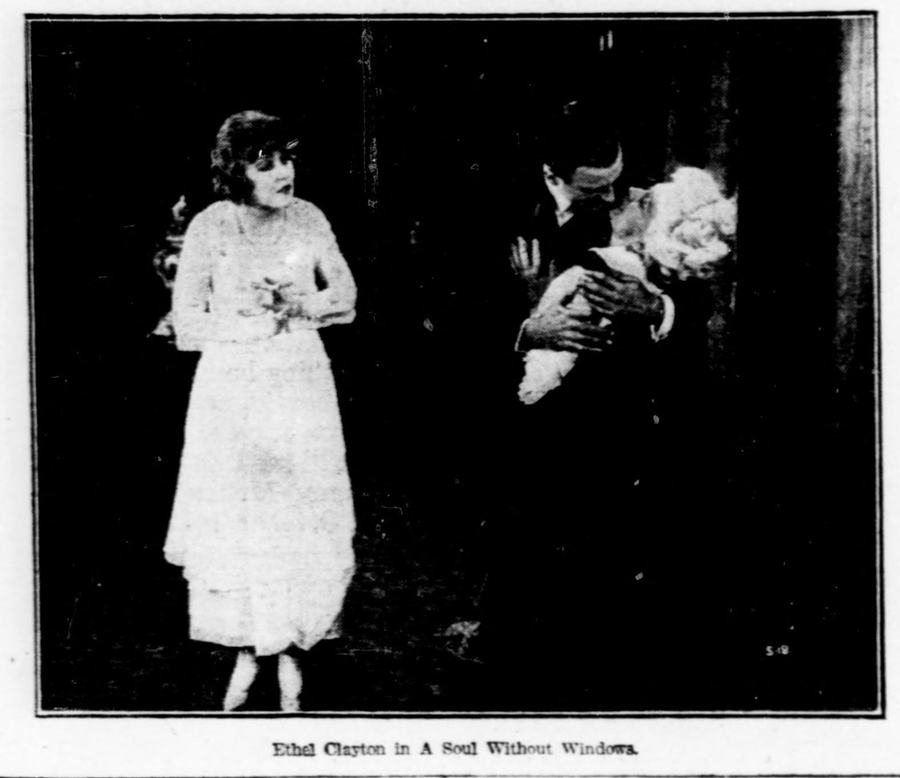
The silent era frequently grappled with the tension between sectarian rigidity and the burgeoning individualism of the early 20th century. In A Soul Without Windows, directed with a keen eye for emotional landscape, we are presented with a narrative that functions as both a hagiography of the human spirit and a scathing critique of religious asceticism. The film, penned by Julia Burnham, navigates the treacherous waters of melodrama with a sophistication that belies its age, utilizing the Shaker community not merely as a quaint backdrop, but as a crucible for the protagonist's burgeoning identity.
The introduction of Hopama into the Shaker fold sets a somber tone. The cinematography captures the stark, utilitarian beauty of the Shaker lifestyle—a world where every aesthetic flourish is pruned in favor of spiritual purity. Here, the young girl is viewed as a vessel to be emptied of worldly desires. The film brilliantly establishes the central conflict through the medium of music. To the Shakers, the vibrato of a violin is a siren call to the profane; to Hopama, it is the very breath of her soul. This ideological friction mirrors the thematic depth found in works like Das Tagebuch einer Verlorenen, where the individual’s natural impulses are systematically suppressed by institutional morality.
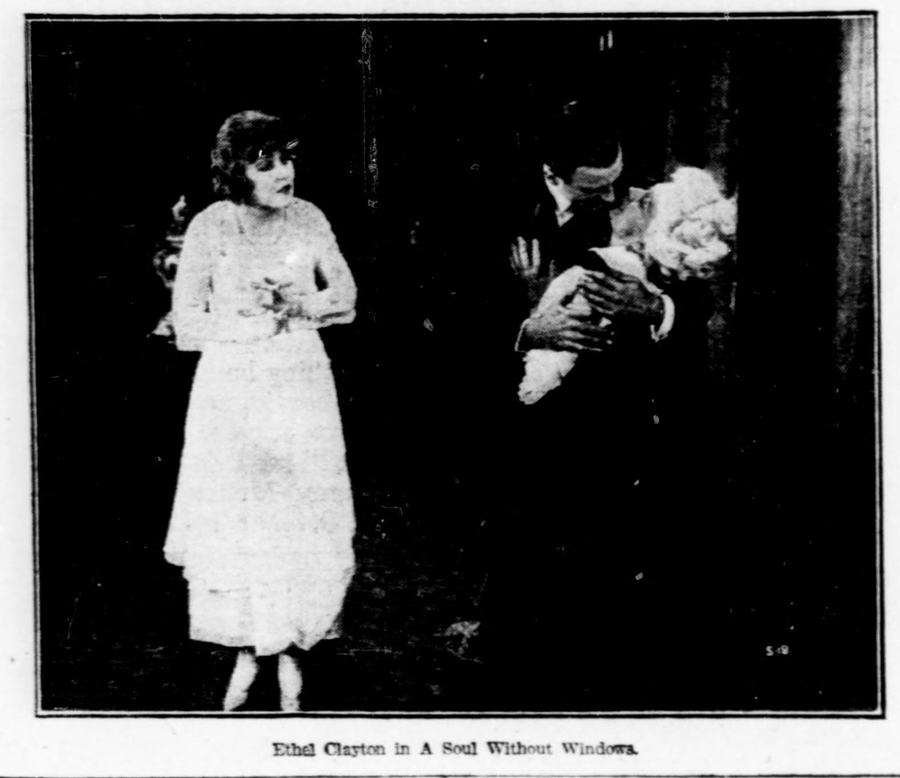
Ethel Clayton’s portrayal of the adult Hopama is a masterclass in silent-era pathos. Her eyes convey a profound yearning that transcends the simplistic title of the film. She is not a soul without windows, but rather a soul whose windows have been shuttered by the heavy drapes of dogma. When she finally escapes the commune and enters the Mallory household, the contrast is jarring. The transition from the monochromatic emotionality of the Shakers to the opulent, yet fractured, world of the Mallorys highlights the film's obsession with the duality of suffering.
The character of Scott Mallory, played with a brooding intensity by Frank Mayo, serves as the physical manifestation of spiritual stagnation. His paralysis, incurred during an act of unrequited heroism, is a heavy-handed but effective metaphor for his emotional state. The betrayal by Faith Palmer—a character whose name serves as a cruel irony—leaves Scott in a state of existential inertia. Unlike the social critiques found in The White Terror, which focuses on systemic corruption, A Soul Without Windows turns its gaze inward, examining how personal trauma can lead to a self-imposed exile from hope.
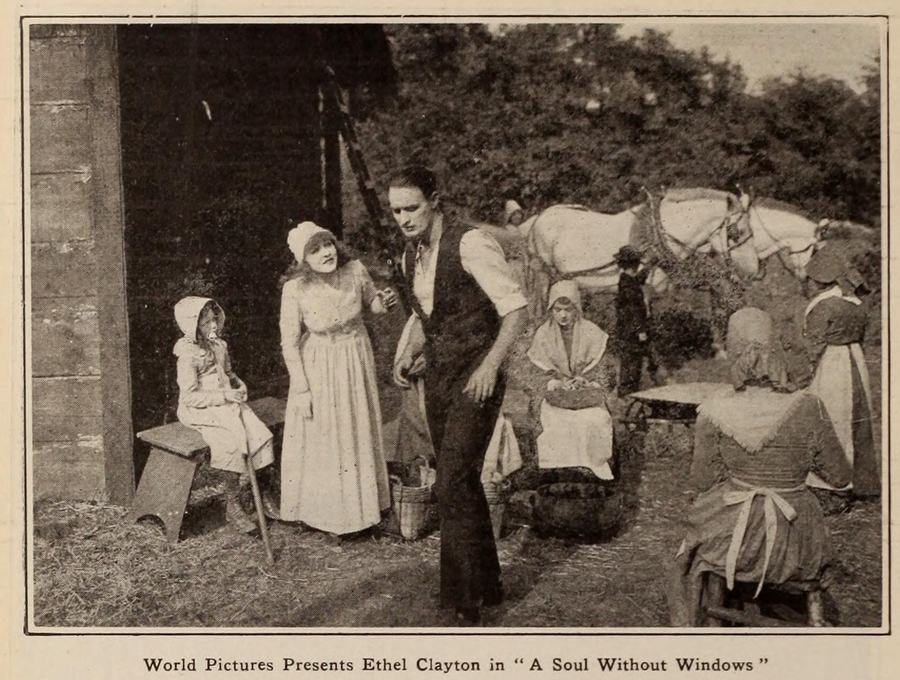
The interaction between the paralyzed Scott and the repressed Hopama is the film's emotional core. It is a symbiotic relationship where each provides the missing element for the other's recovery. Hopama’s music, once deemed a sin, becomes the therapeutic agent that awakens Scott’s dormant will to live. The narrative suggests that while a famous surgeon may mend the spine, only the uninhibited expression of art and affection can mend the psyche. This movement from despair to vitality is handled with a delicate pacing that avoids the saccharine pitfalls common to the genre.
As the plot thickens, the film introduces a classic melodramatic antagonist in the form of Mrs. Mallory. Her motivations are rooted in a toxic blend of classism and maternal over-protection. By deceiving Hopama into believing Scott still harbors love for the shallow Faith, Mrs. Mallory precipitates the film's final act of transformation. This deception forces Hopama to find her own agency. No longer defined by the Shakers or the Mallorys, she takes to the stage, her violin becoming her voice in a world that had previously demanded her silence.
The sequences depicting Hopama as a famous violinist are visually striking. The use of lighting to isolate her on stage emphasizes her isolation from her past. She has become a celebrity, yet she remains the "lost girl" from the Pennsylvania woods. This arc of the "fallen" or "lost" woman finding redemption through art is a recurring motif in early cinema, often seen in narratives like A Factory Magdalen. However, Burnham’s script elevates this by tying her success directly to her identity as an exile.
The climax of the film hinges on a revelation that would make Dickens blush. The discovery that Hopama is actually Hope Palmer, Faith’s sister, serves as the ultimate resolution to the class conflict. Once her lineage is validated, the barriers to her marriage with Scott vanish. While modern audiences might find this "lost relative" trope somewhat convenient, within the context of 1918, it served as a vital narrative device to reconcile the protagonist's merit with societal expectations of pedigree. It echoes the resolution patterns found in York State Folks, where domestic secrets are the key to social restoration.
The final reconciliation is not merely a romantic union but a spiritual homecoming. Mrs. Mallory’s blessing signifies the dissolution of the rigid social structures that initially sought to keep the lovers apart. The film concludes with a sense of harmony—the "soul without windows" has finally found its vista. The journey from the silent, grey halls of the Shaker commune to the resonant, emotive halls of the concert stage is completed, leaving the audience with a profound sense of the transformative power of endurance.
Technically, A Soul Without Windows showcases the rapid evolution of film grammar during the late 1910s. The editing, particularly during the rescue scene and the musical performances, demonstrates an understanding of rhythm that was ahead of its time. The use of close-ups to capture Clayton’s internal monologue provides an intimacy that bridges the gap between the stage and the screen. It lacks the experimental frenzy of something like Defense of Sevastopol, opting instead for a grounded, character-driven visual style that prioritizes emotional clarity over spectacle.
The supporting cast, including Pinna Nesbit and Zadee Burbank, provide the necessary texture to the social milieu. Each character feels like a cog in a larger societal machine, illustrating the pressures that individuals faced when stepping outside their prescribed roles. The film’s exploration of disability and recovery also warrants mention; while the "miracle cure" is a product of its time, the focus on the psychological hurdles of Scott Mallory feels surprisingly modern. It avoids the simplistic heroism found in The Cup Winner, opting for a more nuanced portrayal of male vulnerability.
In conclusion, A Soul Without Windows remains a poignant artifact of silent cinema. It is a film that understands the weight of silence—both the literal silence of the medium and the metaphorical silence imposed by religious and social dogma. Through the character of Hopama, it celebrates the indomitable nature of the human spirit and the necessity of art as a window for the soul. It is a narrative of profound transformations: from orphan to icon, from invalid to hero, and from a soul without windows to a life flooded with light.
For those interested in the evolution of religious themes in film, this work stands as a fascinating peer to The Strangler's Cord or the moral inquiries of Beatrice Fairfax Episode 11: The Wages of Sin. It is a testament to the power of storytelling to bridge the gap between the sacred and the profane, the broken and the whole.
IMDb 5.3
1919
Community
Log in to comment.