DbcultAccessing Vault...
Cult Review
Senior Film Conservator
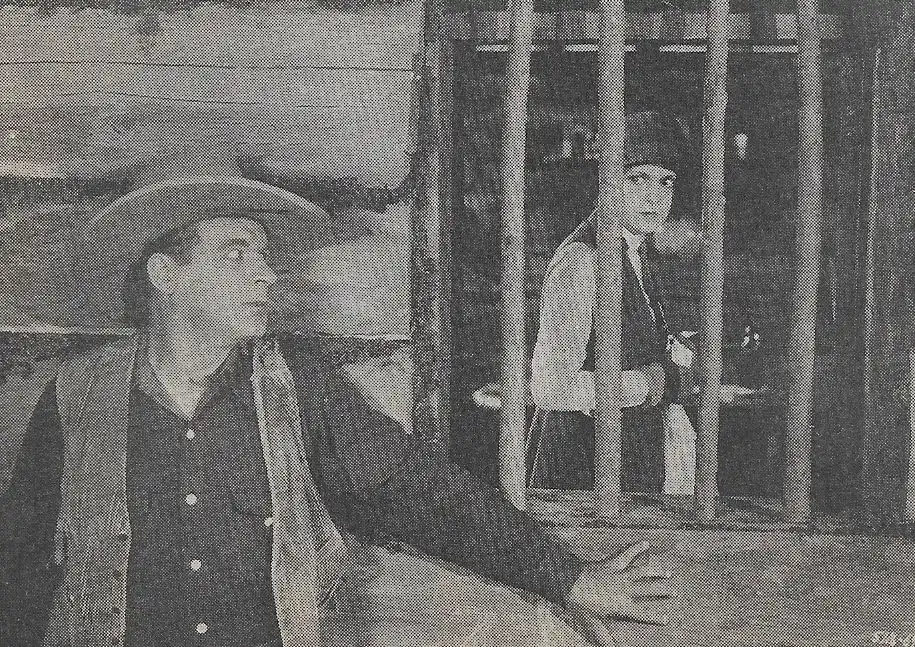
Is The Lightning Express worth sitting through today? Honestly, if you aren't a total nerd for 1930s serials or steam engines, you might find it a bit of a slog. But for the rest of us who like seeing how movies used to work, it's actually pretty decent.
History buffs and people who miss the sound of a real train whistle will enjoy this one. If you can't stand static cameras or actors who project their lines like they're on a stage three blocks away, you will probably hate it.
The plot is as old as the hills. A railroad needs to cross a specific patch of land. A young woman, played by Louise Lorraine, owns said land. Her guardian is a total jerk and wants to cheat her so he can pocket the cash from the right-of-way. It’s the kind of story where you know exactly who the bad guy is because he looks like he spends his weekends kicking puppies.
Louise Lorraine is actually the best part of this whole thing. She has this way of looking genuinely worried that makes you forget the script is basically just a list of railroad terms. You can tell she's trying to bring some heart to a movie that’s mostly about property law and coal smoke.
James Pierce is also there. He’s fine. He does the "hero" thing well enough, but he feels a bit stiff. Sometimes it feels like he's waiting for someone to tell him where to stand. It’s not as energetic as something like The Fearless Rider, but it gets the job done.
I noticed one scene where a guy is supposed to be looking at a map, but he’s clearly just staring at a blank piece of paper. It’s those little things that make these old movies so charming. They didn't have time for a second take.
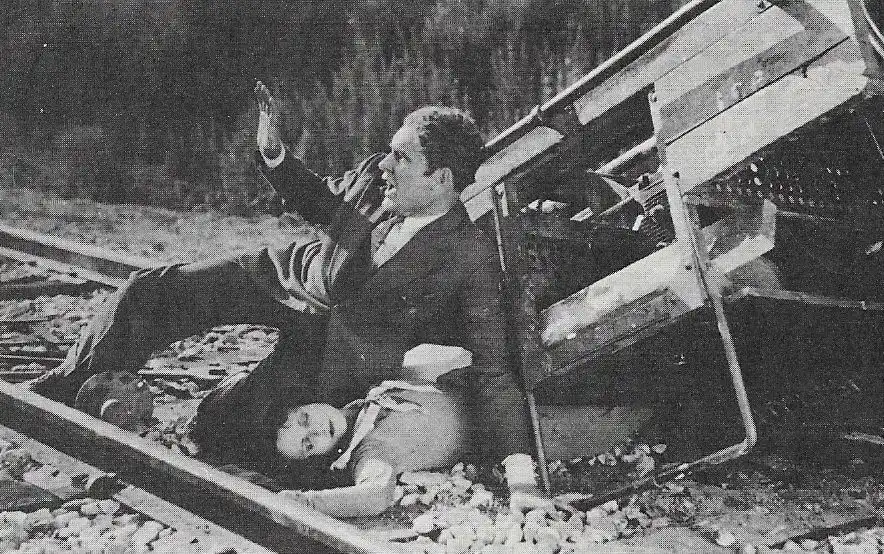
The train stuff is the real star, though. There is so much smoke and soot in this movie. You can almost smell the burning coal through the screen. There’s a shot of the train rounding a bend that looks genuinely dangerous. I wonder if the camera operator was worried about getting hit.
The pacing is a bit weird. It’s a serial, so things happen in these little bursts. Then there's a lot of talking in dusty offices. So much talking. It reminds me of the slower parts in The Wheel, but with less artistic flair.
J. Gordon Russell plays the guardian, and man, he is laying it on thick. Every time he's on screen, you just want to boo at him. He has this squint that makes him look like he’s trying to read a very small menu. It’s not subtle, but it works for the era.
I found myself wondering about the stunts. Some of the guys jumping on and off the moving cars look like they’ve done it a thousand times. There’s a physical reality to it that you just don’t get with CGI. It feels heavy and loud.
The dialogue is... well, it’s 1930. People say things like "the right-of-way must be secured!" with more passion than most people say "I love you." It’s all very business-oriented drama. If you like paperwork-based conflict, this is your Citizen Kane.
It’s funny how much focus there is on the actual mechanics of the railroad. Writers Ford Beebe and Frank H. Spearman clearly knew their stuff. Or they just really liked trains. Probably both. It’s a bit more technical than Now You're Talking, which is a totally different vibe but shares that early-talkie awkwardness.
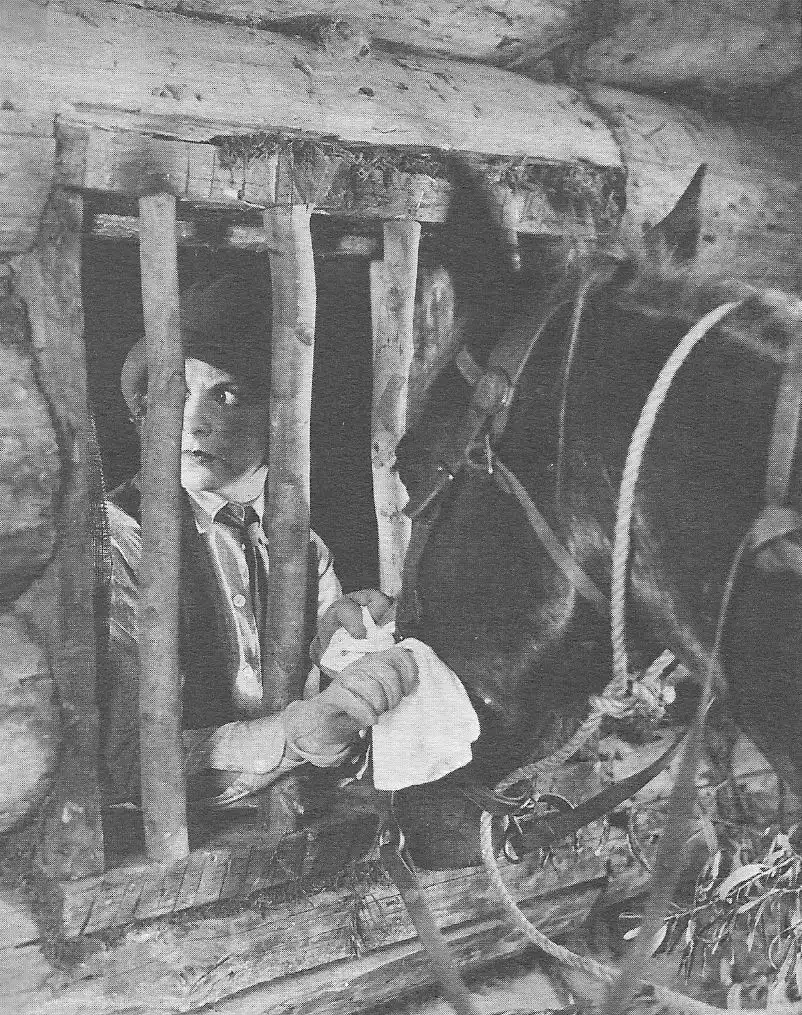
One reaction shot of Al Ferguson lingers for way too long. He just stares into the middle distance for like five seconds after the other person finishes talking. I think he might have forgotten his next move, or the editor just liked his face. It becomes accidentally hilarious if you watch it more than once.
The sound quality is a bit hit or miss. Sometimes the train is so loud you can barely hear the actors. Honestly, that’s probably more realistic anyway. Trains are loud. Why do movies always make them so quiet when people are talking?
I wouldn't call this a masterpiece. It's not trying to be. It’s a Saturday afternoon distraction that happens to have some really cool vintage machinery. It’s a bit like finding an old postcard in an attic—it doesn't tell a whole story, but it's a neat look at a world that doesn't exist anymore.
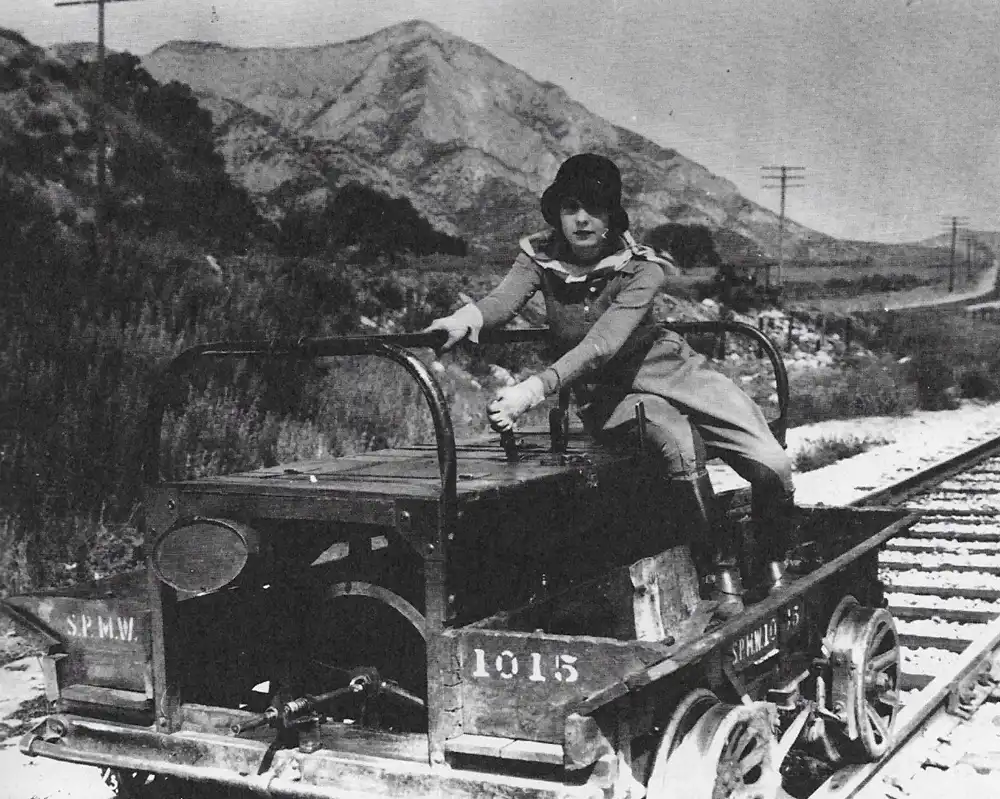
If you've seen other stuff from this time, like maybe The Constabule, you know the drill. Low budgets, high stakes, and lots of hats. Everyone is wearing a hat. I don't know how they kept them on while hanging off locomotives.
The ending feels a bit rushed, which is typical for these things. Everything gets wrapped up in a neat little bow because they ran out of film or time. But that’s okay. You didn’t come here for a deep psychological study. You came here to see a train go fast and a bad guy get what’s coming to him.
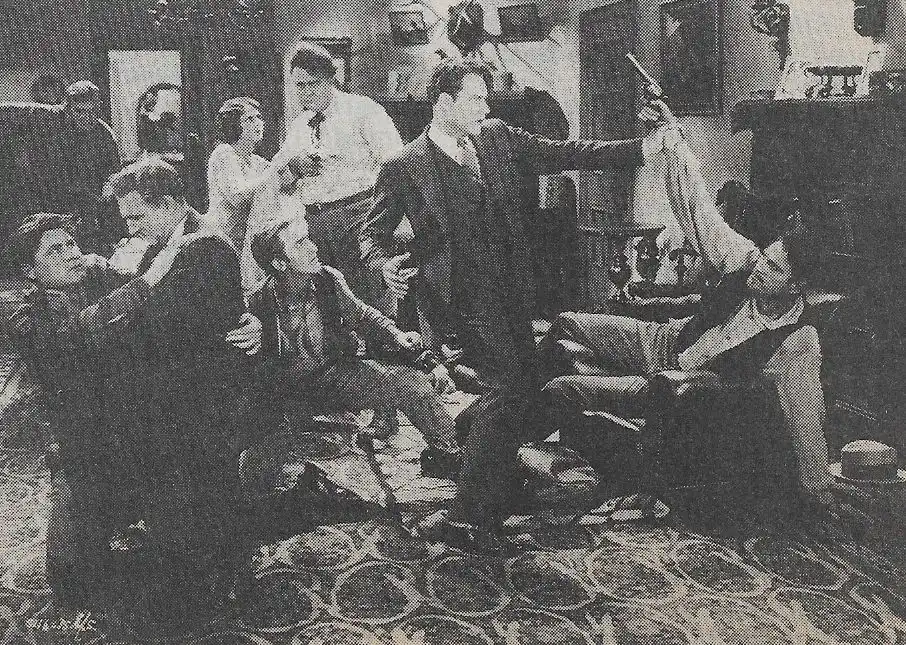
One more thing—the sets are surprisingly detailed. The office scenes actually look like lived-in spaces, not just painted backdrops. There’s a lot of dust on the desks. I appreciate the dust. It feels real. 🚂
So yeah, give it a look if you're in the mood for something simple. Just don't expect it to change your life. It’s just a solid, clunky, smokey piece of history that’s better than it probably should be.
IMDb —
1920
Community
Log in to comment.