DbcultAccessing Vault...
Cult Review
Senior Film Conservator
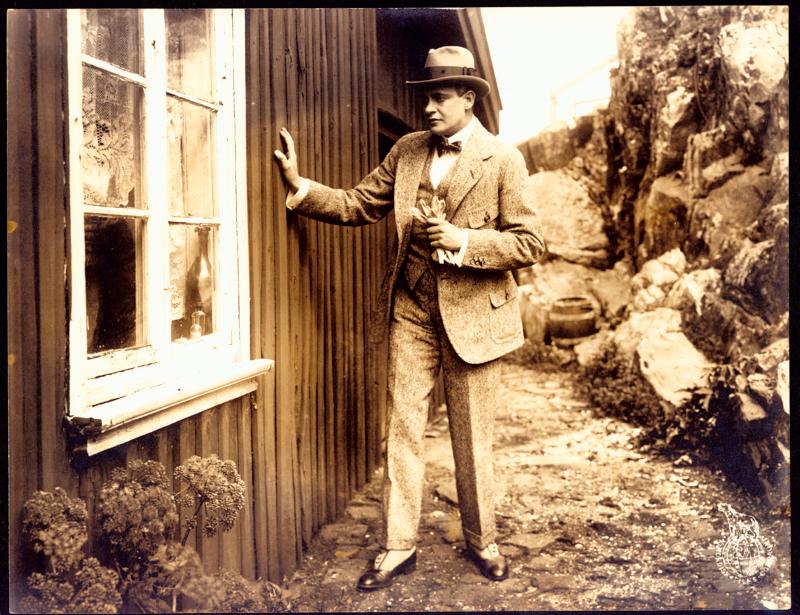
The flickering shadows of early Danish cinema often cast a spell unique in its stark realism and profound emotional resonance. Among these, Gunnar Sommerfeldt’s Mellem de yderste Skær emerges as a compelling, if often overlooked, testament to the era's narrative ambition and visual poetry. This cinematic artifact, whose title evokes the very isolation and rugged beauty that define its setting, plunges us into a world where human passions are as untamed as the tempestuous waters that surround its characters.
At its heart, Mellem de yderste Skær is a tragedy of love, longing, and the inexorable pull of fate, meticulously crafted to resonate with the primal anxieties of its audience. Sommerfeldt, not only the film’s writer but also a significant presence in its cast, demonstrates a masterful grasp of human psychology, translating complex emotional states into a visual language that transcends the limitations of silent storytelling. The narrative unfolds against the breathtaking, yet brutally indifferent, backdrop of a remote fishing village, a milieu that immediately draws parallels with other films exploring the harsh realities of rural existence, such as Who Shall Take My Life?, though Sommerfeldt's vision here feels more intimately tied to the sea's capricious nature.
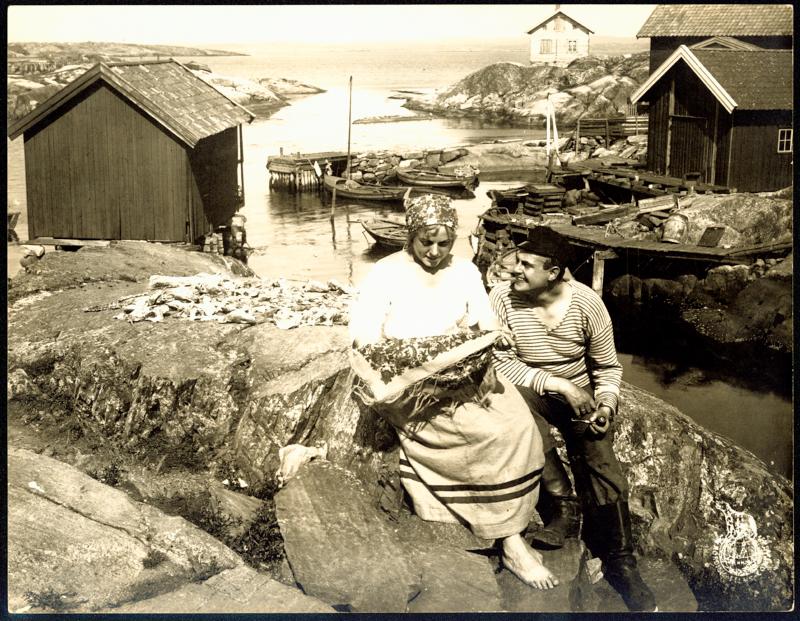
The film introduces us to Jens, portrayed with an arresting gravitas by Alfred Møller. Møller imbues Jens with a quiet dignity, a man whose life has been sculpted by the relentless rhythm of the tides and the unspoken codes of his insular community. His stoicism is both his strength and, ultimately, his tragic flaw. He is a pillar of the village, respected, perhaps even revered, yet underneath his weathered exterior beats a heart capable of profound, if clumsily expressed, affection. His established order, however, is destined for disruption with the arrival of Helga, brought to vibrant life by Else Frölich.
Frölich’s Helga is a revelation, a whirlwind of modernity and untamed spirit that blows through the conservative village like a fresh, yet unsettling, breeze. She is alluring, independent, and perhaps a touch naive to the seismic impact her presence will have. Her performance is a masterclass in silent expression, conveying layers of yearning, confusion, and burgeoning desire with subtle gestures and piercing gazes. She is a siren, not by malicious intent, but by the sheer force of her being, drawing the gazes and affections of men who, until her arrival, seemed content with their lot. This dynamic evokes the disruptive power of a captivating woman seen in works like Camille, though filtered through a distinctly Scandinavian lens of stoic repression.
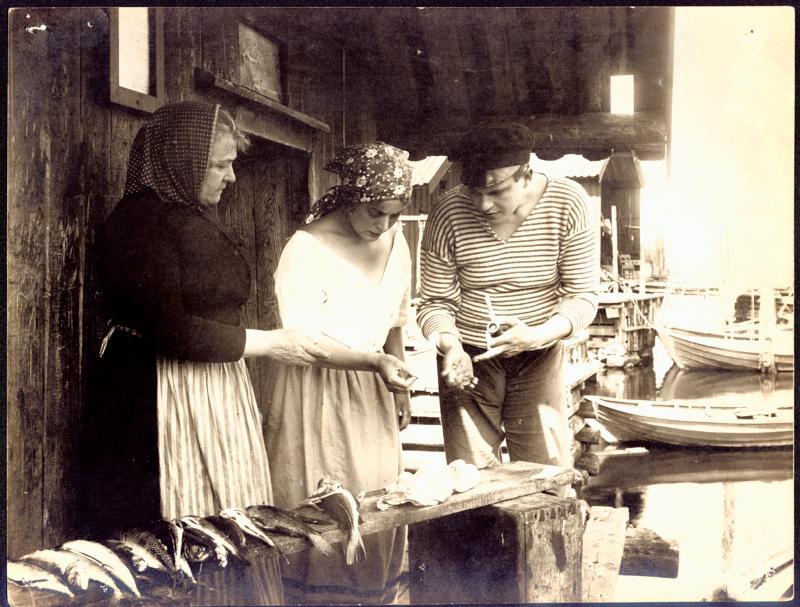
The third vertex of this emotional triangle is Lars, played by Hugo Bruun, whose youthful impetuosity provides a stark contrast to Jens’s seasoned restraint. Bruun captures the fiery, often reckless, nature of young love, portraying Lars as a man driven by immediate desire, less burdened by the wisdom of experience. His passion for Helga is immediate and overwhelming, serving as a catalyst for the escalating tension that permeates the film. The interplay between these three central figures forms the bedrock of the narrative, each performance contributing to a meticulously constructed edifice of emotional complexity.
Beyond the central trio, the supporting cast provides essential texture to the village tapestry. Ingeborg Spangsfeldt, Gunnar Sommerfeldt (in his acting capacity), and Augusta Møller contribute nuanced performances that ground the unfolding drama in a believable community. Spangsfeldt, perhaps as a jilted admirer or a watchful elder, adds a layer of quiet suffering or knowing observation, reflecting the broader societal impact of the protagonists’ choices. Sommerfeldt himself, as a character, likely embodies either a voice of reason or another facet of the village’s conservative values, further complicating the emotional landscape. Augusta Møller's presence, though subtle, reinforces the familial and communal ties that are simultaneously a source of strength and constraint.
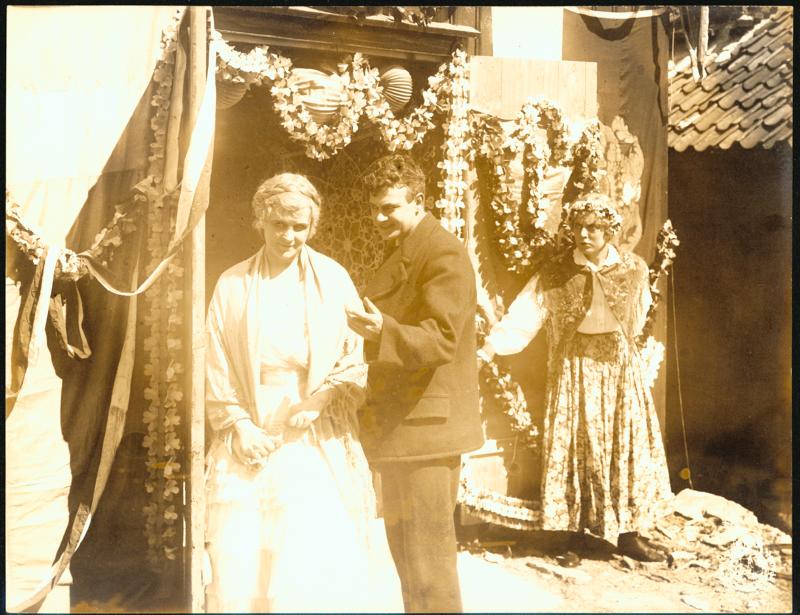
Gunnar Sommerfeldt's dual role as writer and director is particularly noteworthy. His screenplay, devoid of verbose intertitles, relies heavily on visual storytelling and the actors' expressive abilities. The plot, while seemingly straightforward in its premise, delves into the deeper currents of human nature: jealousy, sacrifice, and the often-destructive power of unfulfilled desire. The pacing is deliberate, allowing the emotional weight of each scene to sink in, building inexorably towards its tragic crescendo. This measured approach to narrative, prioritizing psychological depth over frenetic action, distinguishes it from some of its more sensationalist contemporaries, echoing the contemplative pace of films like On Record, which similarly sought to explore the intricate nuances of human motivation.
The cinematography of Mellem de yderste Skær is nothing short of breathtaking. The film masterfully captures the rugged beauty of the Danish coastline, transforming the natural environment into a character unto itself. The vast, churning sea, the jagged skerries, and the desolate beaches are not mere backdrops; they are active participants in the drama, mirroring the inner turmoil of the characters. The tempestuous storms that inevitably arrive serve as powerful metaphors for the emotional maelstrom engulfing Jens, Helga, and Lars. The use of natural light, the wide shots emphasizing human insignificance against the grandeur of nature, and the intimate close-ups revealing raw emotion are all hallmarks of a sophisticated visual grammar that belies the film's early production date.
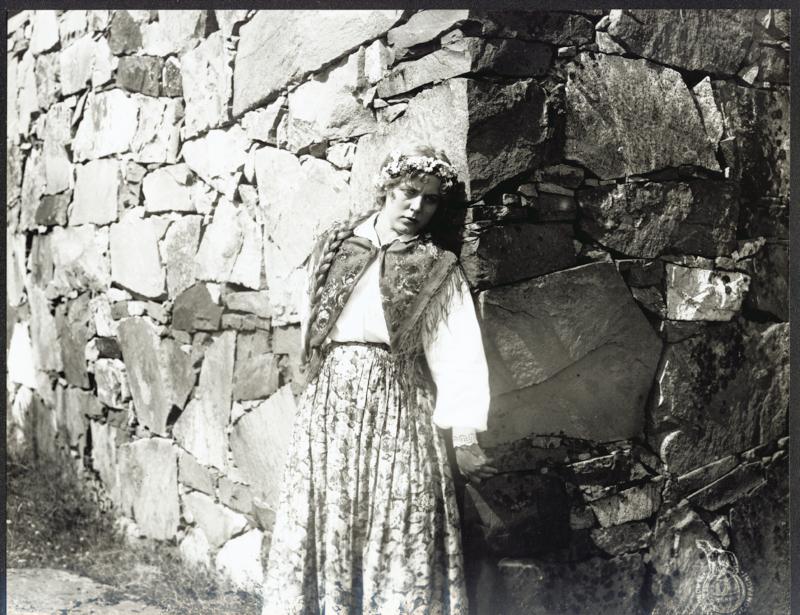
Thematically, the film explores the perennial conflict between individual desire and communal expectation. Helga’s arrival challenges the rigid social norms of the village, exposing the fragility of its established order. Jens represents tradition, duty, and a love that is perhaps too slow to express itself, too burdened by unspoken expectations. Lars embodies the disruptive force of unbridled youth, unwilling to conform. The film subtly critiques the stifling nature of a society that struggles to accommodate new ideas or unconventional affections. This clash of old and new, tradition and modernity, is a recurring motif in cinematic history, but here it is rendered with a particular poignancy, amplified by the isolated setting.
Furthermore, Mellem de yderste Skær delves into the concept of sacrifice. Characters are continually faced with choices that demand personal renunciation, whether for love, honor, or the well-being of the community. The sea itself is a constant reminder of sacrifice, demanding its toll in human lives and livelihoods. This fatalistic undercurrent, a characteristic often found in Nordic literature and cinema, gives the film a profound sense of gravitas, suggesting that some destinies are simply inescapable, much like the tragic arcs explored in Kampen om hans hjärta, where external forces profoundly shape individual fates.
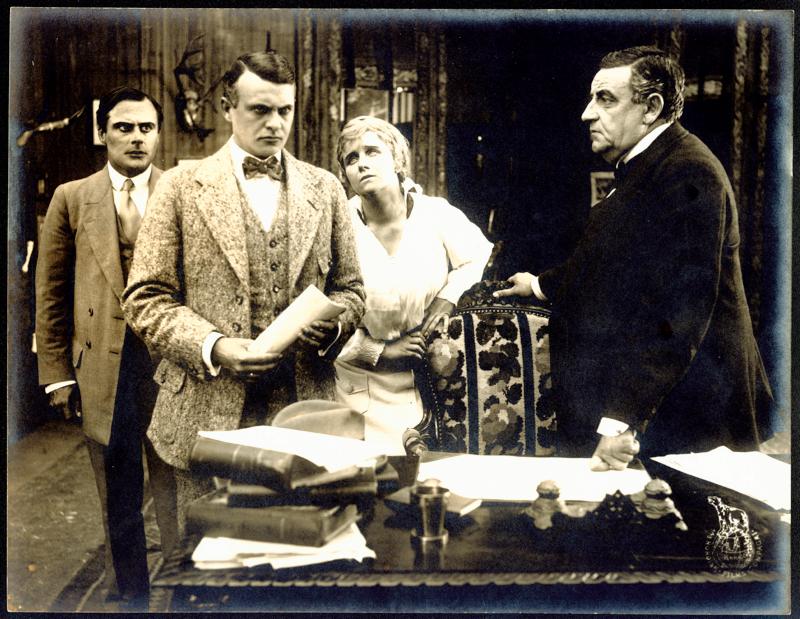
While perhaps not as widely known as some of its international contemporaries, Mellem de yderste Skær holds a significant place in the annals of Danish silent cinema. It showcases the robust storytelling capabilities and artistic sensibilities that characterized the era. Sommerfeldt’s direction is assured, demonstrating a keen eye for composition and a deep understanding of human drama. The performances, particularly from Møller and Frölich, are captivating, drawing the audience into their characters’ intricate emotional landscapes without the aid of spoken dialogue. Their ability to convey such profound feeling through purely physical and facial expression is a testament to their skill and the power of the silent medium.
The film's enduring appeal lies in its universal themes. Love, jealousy, societal pressure, and the struggle against an indifferent natural world are timeless concerns that resonate across generations. Even today, its stark imagery and powerful emotional core continue to captivate. It serves as a reminder that the essence of compelling storytelling transcends technological advancements, relying instead on the profound exploration of the human condition. In an era where films like A Girl's Folly were exploring the nascent film industry itself, Mellem de yderste Skær chose to focus on the eternal dramas of the human heart, set against a backdrop as old as time.
In conclusion, Mellem de yderste Skær is a masterful piece of silent cinema that deserves renewed attention. It is a film that speaks volumes without uttering a single word, relying on the potent combination of evocative visuals, powerful performances, and a narrative that digs deep into the human psyche. Its tragic beauty and profound contemplation of fate make it a compelling watch, offering a window into a bygone era of filmmaking while simultaneously addressing themes that remain eternally relevant. It stands as a powerful example of Danish cinema's early contributions to the art form, a poignant and enduring classic that continues to echo with the cries of the sea and the whispers of the heart.

IMDb —
1923
Community
Log in to comment.