DbcultAccessing Vault...
Cult Review
Senior Film Conservator
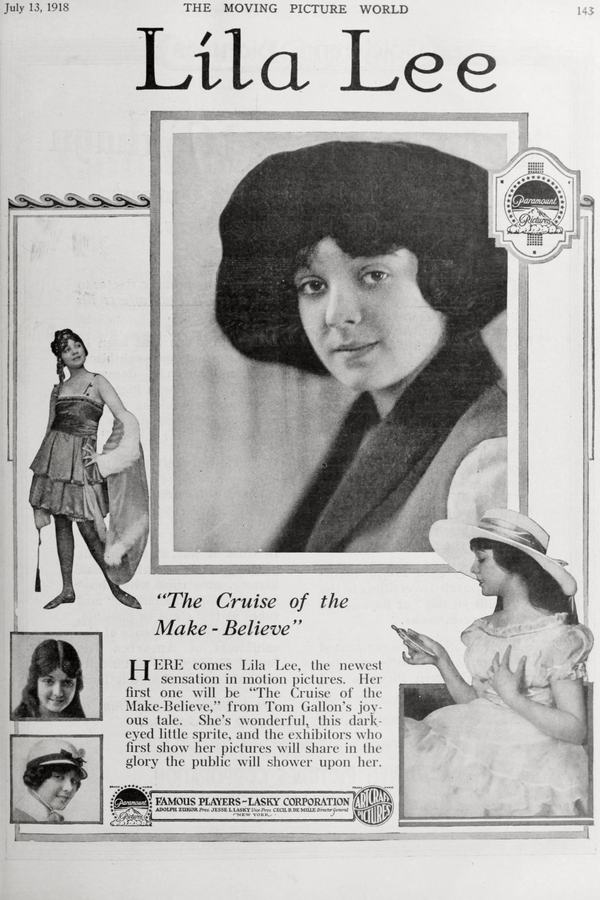
Tom Gallon and Edith M. Kennedy’s screenplay unfurls like a hand-tinted postcard slipped between the pages of a social-protest novel: the front depicts opulence, the reverse chronicles rot. Bessie’s cardboard schooner is less a toy than a talisman against the entropy of New York’s Irish-American ghetto, a place where mothers vanish into piece-work and fathers dissolve into rye. Each time she climbs the rickety plank, the film jump-cuts to superimposed waves—a silent-era visual grammar that translates trauma into tides. The narrative arc is a Möbius strip: escape and return twist into one another until the idea of “home” becomes purely contractual, a lease on someone else’s myth.
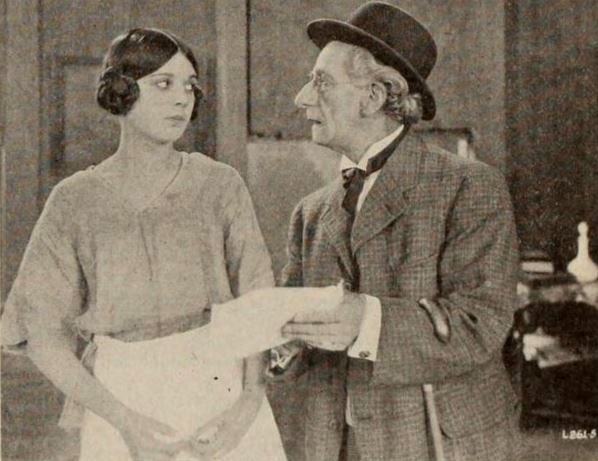
Mayme Kelso, saddled with the thankless role of “society matron” in countless programmers, here receives the close-up she spent a decade earning. Her Bessie toggles between rapture and suspicion with the speed of a kinetoscope shutter: watch the moment she first trails a gloved finger along the Byfield wainscoting—her pupils dilate as though inhaling the very grain of privilege. Lila Lee, as the venomous Enid, weaponizes a smile so rigid it could split crystal; she enters each frame like a draftsman’s T-square, aligning every diagonal toward envy. Meanwhile, Harrison Ford (the pre-Han scion, not the space smuggler) essays Gilbert with the languid self-interrogation of a man who has read too much Tolstoy and misunderstood half.
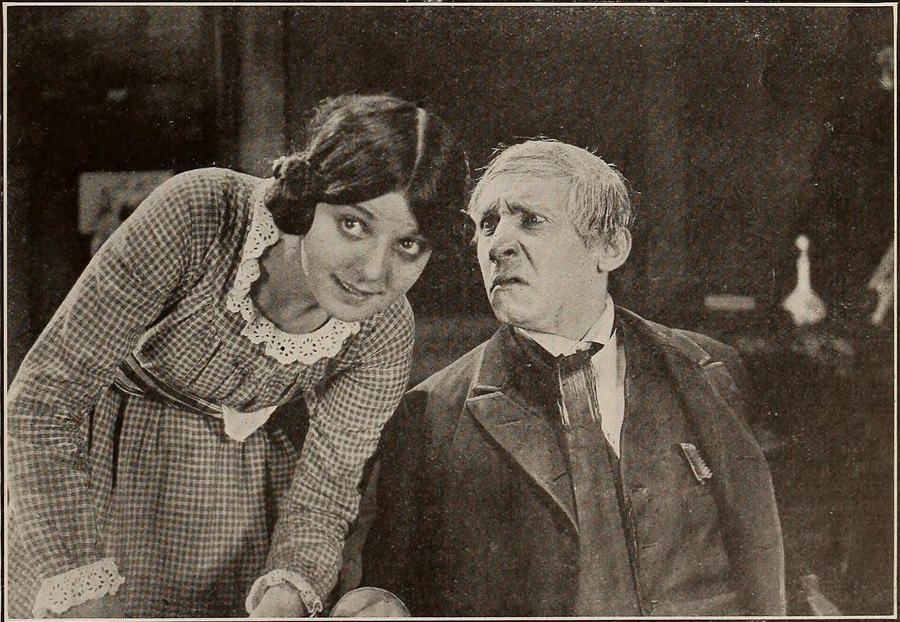
Director William C. deMille—often eclipsed by flamboyant kid brother Cecil—opts for chiaroscuro so severe it borders on medical: physician-of-the-soul, cauterizing illusion with shadow. Cinematographer L. William O’Connell bathes the slum sequences in tungsten amber that feels greasy to the eye, then switches to a cool cyan when Bessie wanders the estate’s topiary, as though wealth were a climate rather than a ledger entry. The yacht itself, a patchwork of fish-market crates, is filmed at child height; the camera’s low angle transmutes detritus into dreadnought, a sleight-of-hand that predicts both The 400 Blows and Beasts of the Southern Wild.
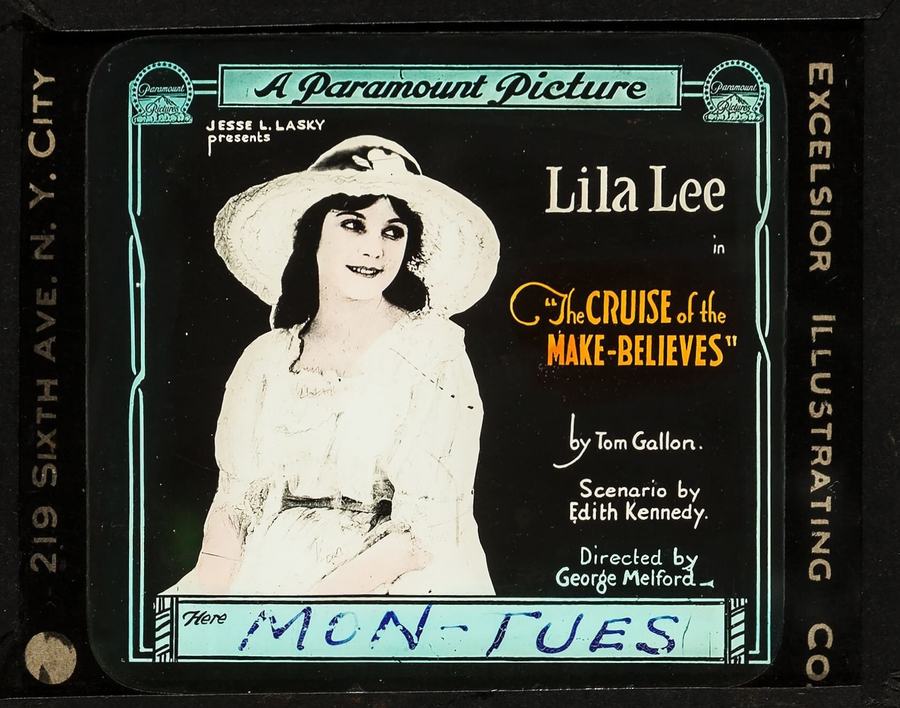
Surviving prints carry the original “cue sheet” calling for Scriabin’s Poem of Ecstasy during the Dream Valley passages, but most contemporary exhibitors substituted generic photoplay waltzes. Either way, the absence of diegetic noise amplifies micro-gestures: the hush when Bessie’s bare soles touch frost-brittle grass at dawn registers like a gunshot. The intertitles, lettered in a font that mimics rippling water, eschew the declarative bombast of Griffithian captions for something closer to haiku: “She thought the world had signed a treaty with her lungs.”
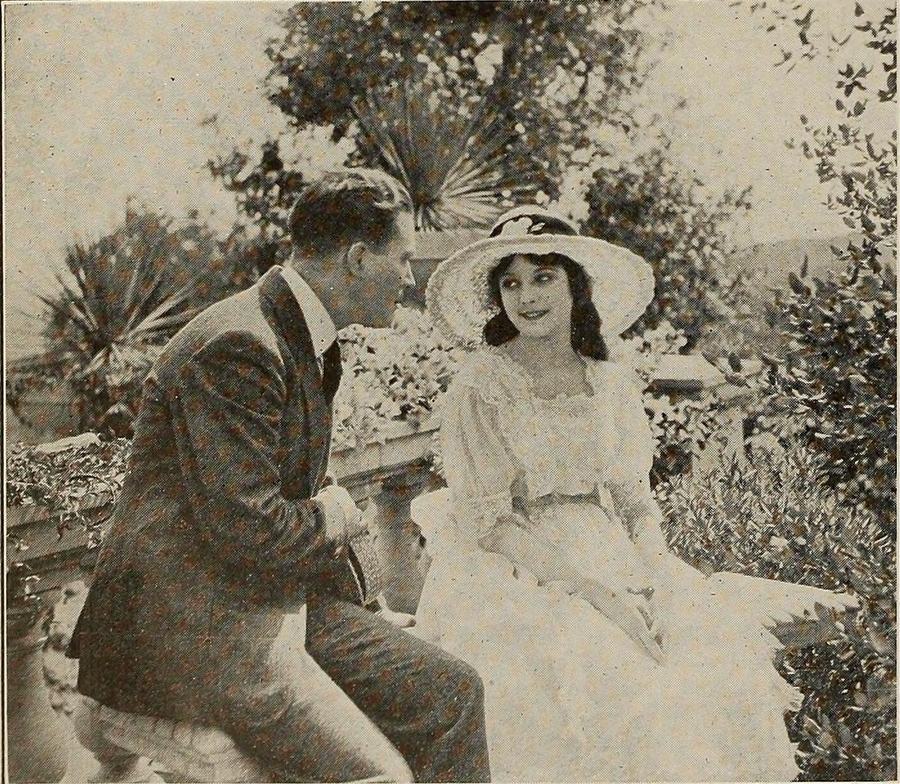
Where The Brand of Cowardice flays the rich for moral anemia, and Law of the Land indicts them through procedural crime, The Cruise of the Make-Believes stages class as a confidence game whose currency is narrative. Gilbert’s authorial ruse—slumming to harvest “authentic” misery—mirrors the studio’s own marketing, which promised patrons “a vacation from reality” while pocketing nickel-and-dime admissions from immigrant audiences who recognized the tenement walls as their own peeling wallpaper. The film knows that in America the cruelest trick is letting the poor audition for paradise, then posting the rejection in public.
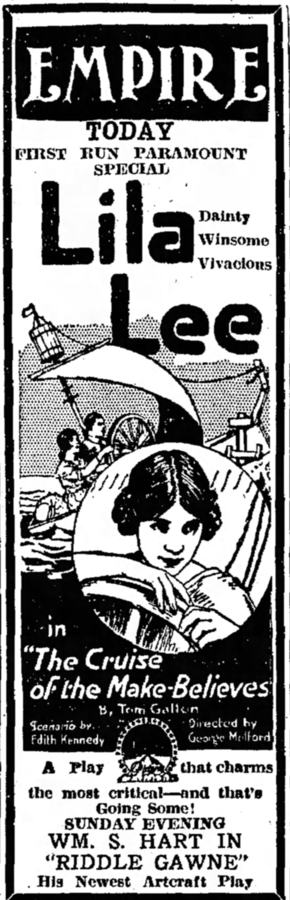
Bessie’s navigation of Dream Valley is coded as transgressive; her compass is a mother-of-pearl button from a dress she’s never owned, her sextant a cracked marbleshot. Studios in 1920 still recoiled from depictions of female agency that lacked punitive epilogues, so the script hedges: the yacht fails, the estate evicts, the man must validate her map. Yet Kelso’s body refuses the moral scaffold; in the final shot, as she and Gilbert re-launch the patched vessel, her stance is legs-akimbo, hand on hip, gaze fixed beyond the lens—an embryonic Rosalind-before-the-mast that foreswears surrender.
Aficionados tracking the motif of childhood imagination as protest will find corollaries in Giving Becky a Chance, though that narrative dilutes poverty with pastoral balm. Conversely, Lost in Darkness shares our film’s chiaroscuro but swaps whimsy for Gothic nihilism. The most instructive mirror is The Valley of the Moon, where class mobility is likewise purchased through deception, though its California orchards soften the sting; here, the East coast winter keeps the wound open.
A century on, Bessie’s backyard flotilla feels like a prototype for curated online selves: plywood fantasies varnished with influencer glow, set sailing on the algorithmic tide. The cruelty Enid wields—exposing artifice with a single whisper—has migrated to comment-section brigades. The film’s true prophecy lies in recognizing that escape and exposure are conjugated verbs in capitalism’s grammar; every voyage is crowdsourced, every shipworm audience-verified.
Only two 35mm reels were known to survive the 1931 Fox vault fire; a 16mm abridgment surfaced at a Nebraska farm auction in 1978, missing the entire second-act ball. In 2021, Italy’s Cineteca di Bologna stitched a 4K restoration from a Portuguese print titled O Cruzeiro das Fantasias, restoring the cyan estate sequences to their original luster. The resulting DCP, toured by the Pordenone Silent Film Festival, reveals textures previously illegible: the penciled latitude lines on Bessie’s arms, the watermark on Gilbert’s forged letter of introduction—details that turn allegory into affidavit.
Yes, but pack skepticism instead of sunscreen. The film offers no safe harbor; even its reconciliation tastes of brine. Yet in its frugal poetry—cardboard became caravel, tenement sky became Sistine—you’ll witness the primal scene of American cinema: the moment when poverty, denied a passport, forges its own country of two. And like any exilic nation, it demands loyal citizenship of the heart, renewable each time the projector flickers alive.
IMDb —
1926
Community
Log in to comment.