DbcultAccessing Vault...
7.5/10
Senior Film Conservator
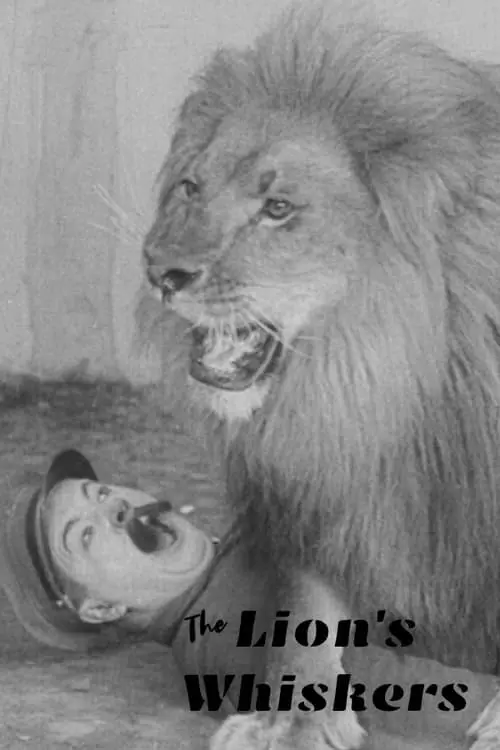
A definitive 7.5/10 rating for a film that redefined the boundaries of cult cinema. The Lion's Whiskers remains a cornerstone of transgressive art.
Is The Lion's Whiskers a forgotten classic worth your time today? Short answer: Yes, but only if you have a high tolerance for the frantic, unpolished energy of Mack Sennett-style slapstick. This isn't a refined narrative like The Four Horsemen of the Apocalypse; it is a loud, visual assault on logic. This film is for silent comedy purists and historians of the Hollywood studio system. It is definitely not for viewers who require modern pacing or a plot that makes sense for more than five minutes at a time.
Before diving into the technical weeds, let's establish the core value of this 1925 relic. This film works because it leans into the utter absurdity of its premise, using a live lion as a literal ticking clock for the protagonist's secrets. This film fails because the logic of the 'vamp' contract is dropped the moment a physical gag becomes possible, leading to a disjointed second half. You should watch it if you want to see how early Hollywood satirized its own ridiculous morality clauses and star-making machinery.
The Lion's Whiskers is a fascinatng artifact. It captures a moment when the industry was obsessed with the 'vamp'—a character type seen in films like The Sporting Venus—and decided to mock it. If you enjoy seeing the gears of the 1920s star machine being ground to a halt by a chauffeur with a thick mustache and a hungry lion, then yes, it’s worth the forty minutes of your life. It provides a raw, unfiltered look at the physical danger actors were willing to endure for a laugh.
The central conflict of The Lion's Whiskers hinges on a legal absurdity: a woman forbidden from marrying to protect her image as a man-eater. While this sounds like a plot from Chickie or Daytime Wives, director Hal Yates treats it with the weight of a feather. The film doesn't care about the emotional toll of a secret marriage; it only cares about the physical comedy of the chauffeur (Billy Bevan) trying to act like a servant while being a husband.
Billy Bevan is the standout here. His performance is a masterclass in the 'blink-and-you-miss-it' facial twitch. Unlike the more dramatic turns in Shattered Idols, Bevan plays the everyman caught in a web of glamour and fur. His chemistry with Elsie Tarron is secondary to his chemistry with the furniture. He navigates the set like a man who knows a piano might fall on him at any second. It works. But it’s flawed.
One cannot discuss this film without mentioning Numa the Lion. In an era before CGI or even decent safety standards, having a live lion on set was a genuine thrill for audiences. There is a specific sequence where the lion wanders through the domestic space that feels genuinely dangerous. You can see the genuine tension in the actors' eyes. It’s not 'acting' in the traditional sense; it’s survival. This adds a layer of grit that modern comedies lack.
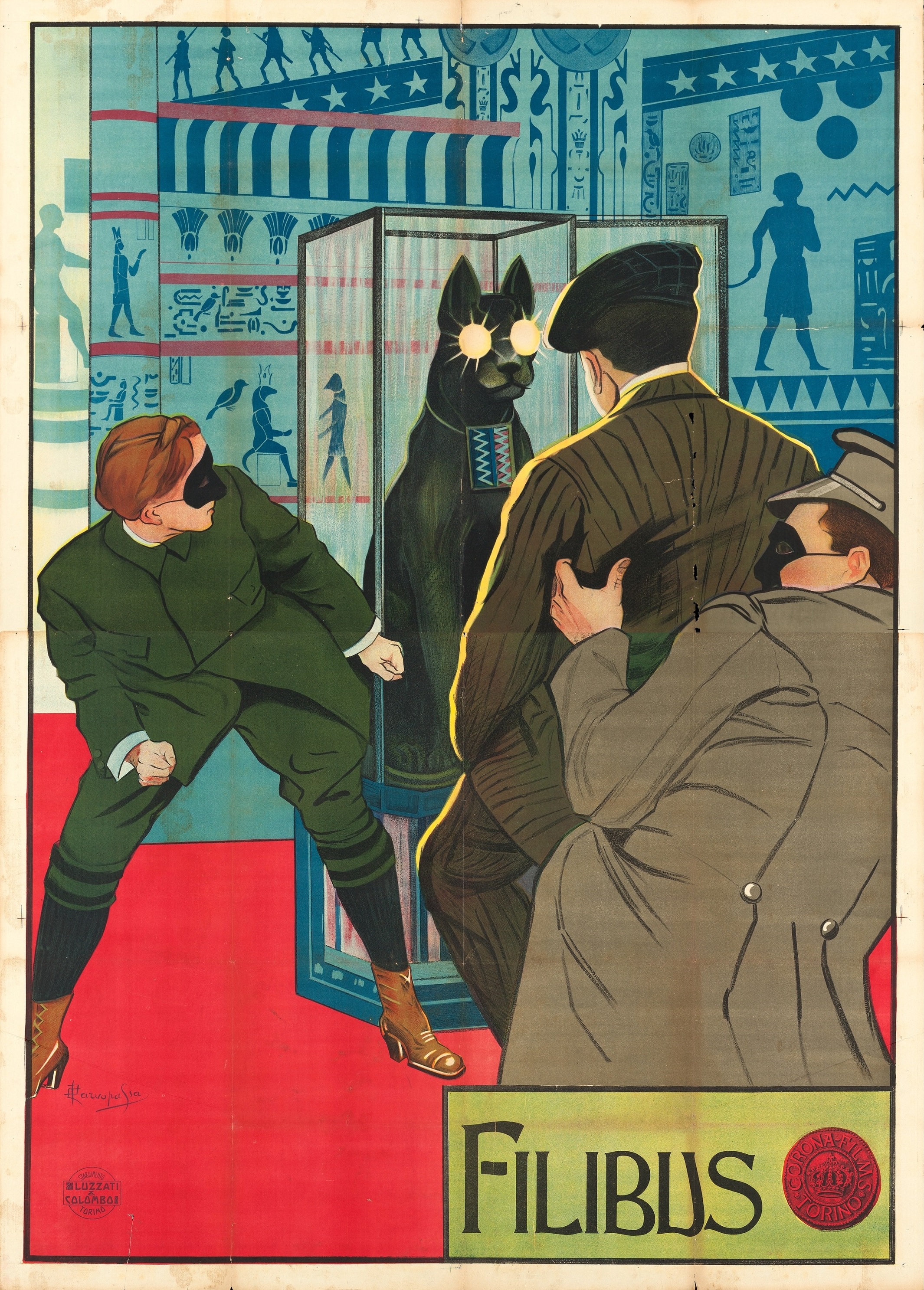
Compare this to the staged drama of Alone in London or the social critiques of Assunta Spina. Those films rely on the human condition. The Lion's Whiskers relies on the fact that a lion might actually eat Billy Bevan. It’s a cynical way to make a movie, but it’s undeniably effective. The pacing in these animal sequences is frantic, bordering on psychotic.
The visual language of the film is pure Mack Sennett. High-key lighting, wide shots to capture the full scope of the physical gags, and rapid-fire editing. The cinematography doesn't try to be artistic like Exile; it tries to be clear. We need to see the chauffeur’s feet, the lion’s tail, and the wife’s panic all in one frame. It’s a utilitarian style that serves the joke above all else.
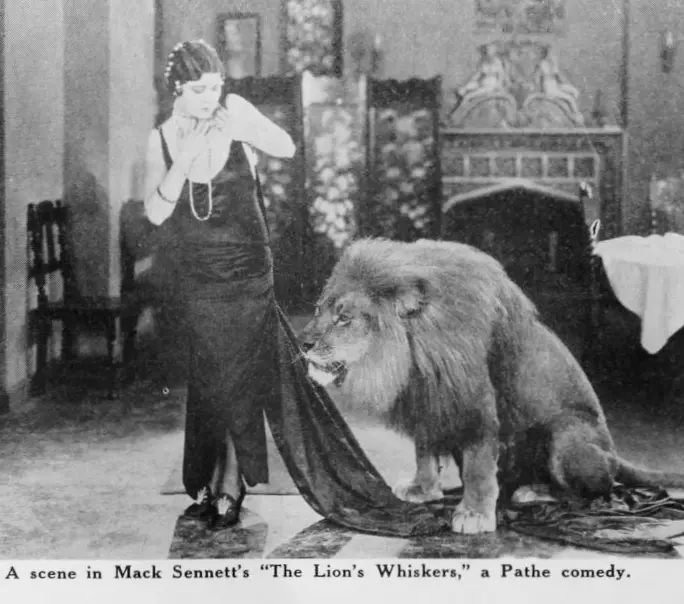
However, this utilitarianism leads to a certain visual blandness in the indoor scenes. The 'vamp's' house looks like every other set on the Sennett lot. It lacks the specific character found in Binnaz or the atmospheric depth of Freie Liebe. The film is a product of a factory, and it wears that badge proudly. It doesn’t want to be art; it wants to be a riot.
The cast is a 'who's who' of silent comedy veterans. Andy Clyde and Bobby Dunn provide the necessary foil to Bevan’s antics. There is a moment involving a misunderstanding with the studio executives that feels like a precursor to the screwball comedies of the 1930s. Thelma Parr and Madeline Hurlock bring the 'vamp' aesthetic to life, though they are often relegated to being the 'straight man' to the chaos.
In many ways, the supporting cast represents the rigidity of the world the chauffeur and his wife are trying to navigate. They are the 'plain clothes' authorities (to borrow a title from Plain Clothes) who threaten to expose the truth. Their performances are broad, loud, and perfectly suited for the 1925 audience that wanted their villains easily identifiable.
Pros:
- Billy Bevan’s impeccable comedic timing.
- A rare, satirical look at the silent film industry’s internal politics.
- Genuine thrills from the use of a live lion.
- Fast-paced and never overstays its welcome.
Cons:
- The plot is paper-thin and serves only as a clothesline for gags.
- Some of the humor feels dated, even by silent standards.
- The 'vamp' character is underutilized as a comedic engine.
What's most surprising about The Lion's Whiskers is its bite. It suggests that the Hollywood image is a total sham—a lie maintained by lawyers and chauffeurs. This was a bold stance in 1925. While films like Beaches and Peaches were content with simple fun, this film mocks the very hand that feeds it. It portrays the 'vamp' not as a mysterious siren, but as a woman terrified of losing her paycheck.
This cynicism is the film's greatest strength. It grounds the slapstick in a recognizable human anxiety. We aren't just laughing at a man hiding from a lion; we are laughing at a man hiding from a human resources department. It is a surprisingly modern sentiment. The lion is just a metaphor for the predatory nature of the industry itself. Or maybe it's just a lion. In a Sennett film, it's usually both.
The Lion's Whiskers is a chaotic, occasionally brilliant, and frequently messy piece of cinema. It lacks the polish of Let's Go but makes up for it with sheer audacity. It is a film that values a laugh over a legacy, and in doing so, it accidentally created a lasting document of Hollywood’s early self-obsession. It isn't a masterpiece. It’s a riot. And sometimes, that’s exactly what you need. Watch it for Bevan, stay for the lion, and ignore the plot holes large enough to drive a chauffeur-driven limousine through.
"A frantic collision of Hollywood satire and big-cat terror that proves the only thing more dangerous than a lion is a movie star's marriage certificate."
IMDb 5.9
1933
Community
Log in to comment.