DbcultAccessing Vault...
Cult Review
Senior Film Conservator
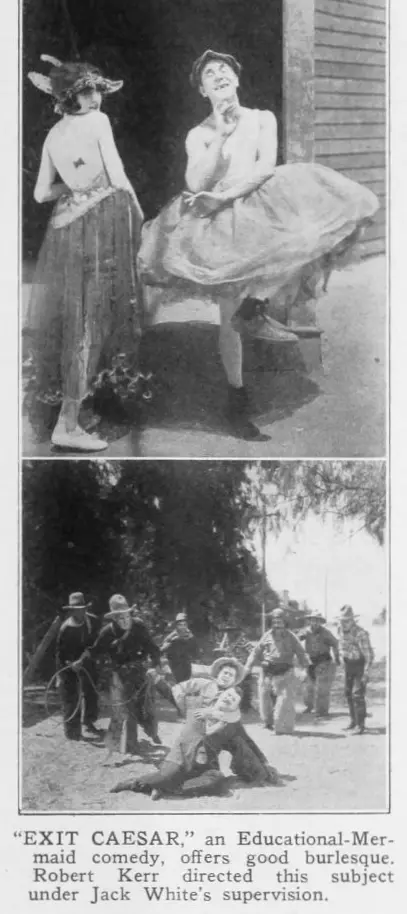
When the iron beast of the railway sighs to a halt at Willowbrook, the scene is set for a cinematic experiment that feels simultaneously nostalgic and subversive. Exit Caesar opens with a lingering shot of a train’s steam dissipating into the amber dusk, a visual metaphor for the fading grandeur of its protagonist, Victor Harlow (Andrew Arbuckle). The camera lingers on Victor’s weathered hands as they grip the brass rail, a tactile reminder that his once‑glittering career is now a collection of frayed ribbons.
Victor’s arrival is not solitary; he is trailed by Lila (Glory Gilmore), a petite toe‑dancer whose ethereal movements belie the gritty desperation that underpins her partnership with the fallen impresario. Lila’s presence is a study in contrast: her delicate footwork against the backdrop of a town whose streets are lined with cracked storefronts and faded signage. The director, whose name remains conspicuously absent from the credits, employs a muted palette punctuated by bursts of yellow—the lanterns that swing above the town square, the flicker of a candlelit stage—signifying moments of hope and illusion.
The narrative thrust of Exit Caesar is deceptively simple: a seasoned con artist seeks to bilk a naive community. Yet, the film’s true brilliance lies in its layered commentary on the economics of hope. Victor, portrayed with a mixture of swagger and melancholy by Arbuckle, is not a caricature of villainy but a relic of an era when traveling shows were the lifeblood of rural entertainment. His schemes—promising a grand festival, a new railway spur, and a partnership with a phantom investor—are meticulously crafted, each one a mirror reflecting the town’s own yearning for revitalization.
The supporting cast, including Otto Fries as the skeptical mayor, Jack Lloyd as the earnest blacksmith, and Peggy O'Neil as the matriarchal baker, provide a chorus of voices that oscillate between gullibility and guarded skepticism. Their performances are grounded in a realism that feels reminiscent of the ensemble dynamics in Borrowed Plumage, where each character’s personal stakes intertwine with the collective narrative.
Cinematographically, the film adopts a static, almost theatrical framing that echoes the aesthetic of early silent comedies, while the occasional handheld shot injects a modern immediacy. The use of sea blue in the twilight sky and the river that snakes through Willowbrook serves as a visual counterpoint to the oppressive blackness of the town’s interior spaces, suggesting an undercurrent of possibility beyond the immediate gloom.
Lila’s toe‑dancing sequences are choreographed with a precision that borders on the surreal. In one memorable scene, she performs on a makeshift stage constructed from salvaged crates, her movements illuminated by a single, flickering bulb. The camera circles her, the light casting elongated shadows that dance in tandem with her steps. This visual motif—shadow and light—recurs throughout the film, symbolizing the duality of deception and truth.
The script, penned by an anonymous duo, is peppered with wry one‑liners that feel both period‑appropriate and timeless. Victor’s line, "A promise is a coin you can spend twice," encapsulates the film’s central thesis: that trust, once minted, can be reshaped at the whims of the holder. The dialogue also subtly references other cinematic works; a passing remark about a “railway to nowhere” evokes the existential wanderings of Six Days, while a whispered anecdote about a lost lover mirrors the melancholia of The Triumph of Venus.
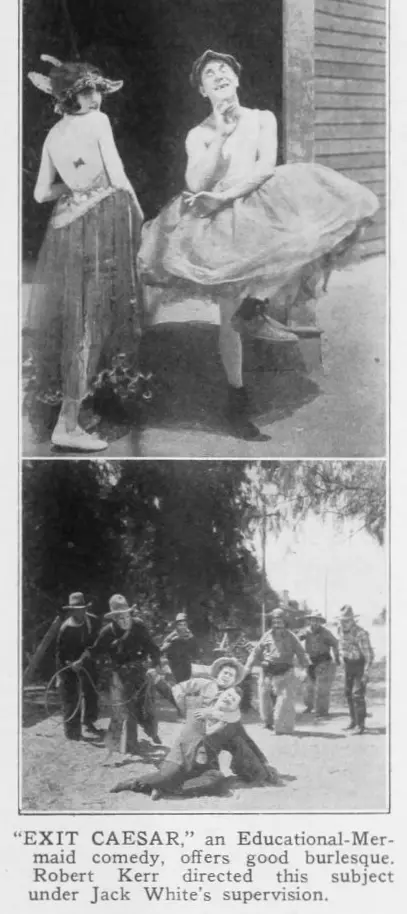
Musically, the score is an amalgam of ragtime piano, mournful violin, and occasional brass fanfares that swell during Victor’s grandiose pitches. The auditory texture reinforces the tension between the old‑world charm of traveling shows and the stark modernity of the town’s economic stagnation.
As Victor’s web of deceit tightens, the townspeople’s initial enchantment begins to fray. The mayor, portrayed with a dry wit by Otto Fries, organizes a town hall meeting that becomes a crucible for truth. The scene is shot from a low angle, emphasizing the collective power of the assembled citizens. The dialogue here is razor‑sharp, each accusation a scalpel cutting away the veneer of Victor’s confidence.
The climax arrives during the promised festival, a spectacle that is simultaneously a triumph of community spirit and a theatrical farce. Victor’s grand reveal—an empty stage, a missing investor—forces Lila to improvise. Her final performance, a solo piece titled "The Last Step," becomes an elegy for both the lost dreams of the townsfolk and the shattered ego of the con artist. The camera lingers on her feet, the soles worn, the rhythm steady, as the crowd watches in hushed reverence.
In the aftermath, Victor’s downfall is portrayed with a quiet dignity. Arbuckle’s final moments are spent in a modest boarding house, his eyes reflecting the flicker of a solitary candle. He whispers a line that echoes the film’s opening: "Every train must eventually find its station." This cyclical narrative structure lends the film a literary completeness rarely achieved in contemporary cinema.
The denouement sees Willowbrook rebuilding, not with the false promises of an outsider, but with the authentic labor of its own residents. The final shot mirrors the opening, a train departing, but this time the townspeople wave not in anticipation of a savior, but in acknowledgment of their own agency.
Comparatively, Exit Caesar shares thematic DNA with the 1920s comedy The Star Boarder, particularly in its critique of showmanship as a veneer for exploitation. However, where The Star Boarder leans heavily on slapstick, Exit Caesar opts for a more measured, character‑driven satire, aligning it more closely with the tonal balance of The Self‑Made Wife.
The film’s pacing is deliberate; each act unfolds like a stage play, allowing the audience to savor the incremental unraveling of Victor’s schemes. This measured tempo may challenge viewers accustomed to rapid editing, yet it rewards patience with a richly textured tableau of human frailty.
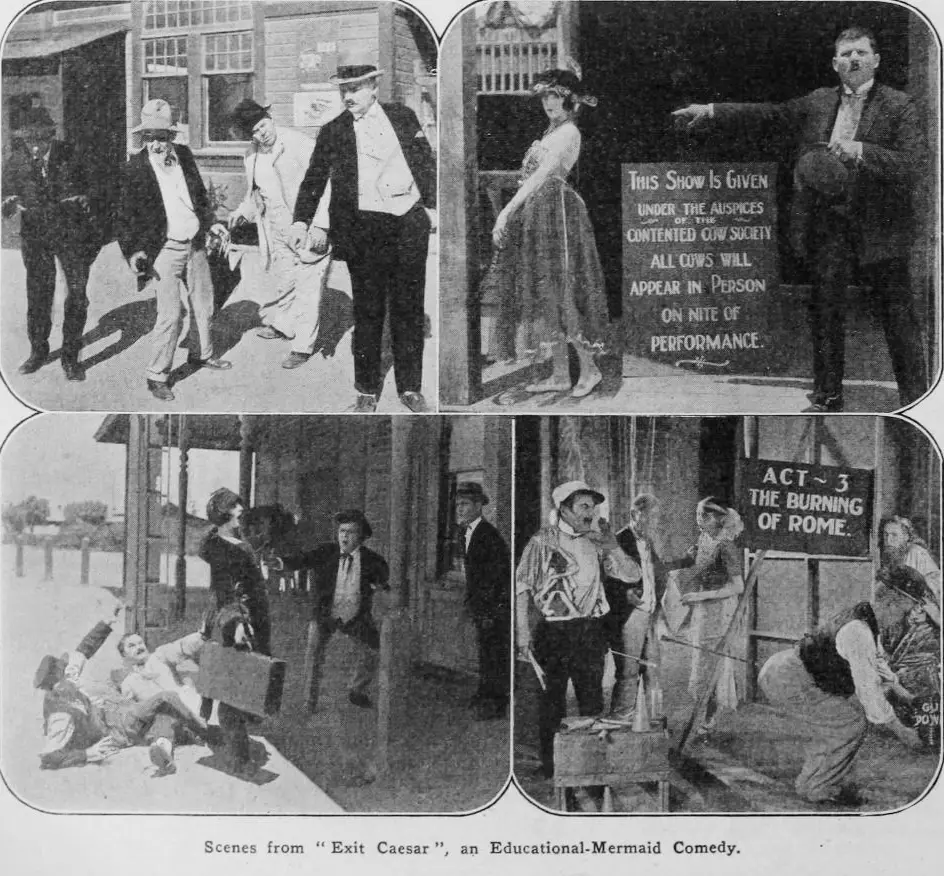
From an artistic standpoint, the director’s choice to forgo a conventional score during moments of tension—relying instead on ambient sounds of the town—creates an immersive soundscape that heightens the realism of the setting. The occasional die‑getic music, such as a fiddler’s tune during the festival, anchors the film in its period while providing emotional cues without overt manipulation.
The performances are uniformly strong. Andrew Arbuckle’s portrayal of Victor is a masterclass in controlled charisma; his smile is both inviting and predatory, his eyes constantly scanning for the next opportunity. Glory Gilmore’s Lila, though limited in dialogue, communicates volumes through gesture and expression, embodying the silent resilience of an artist who must navigate the whims of a male‑dominated world.
Supporting actors deliver nuanced turns: Otto Fries infuses the mayor with a weary pragmatism, while Lige Conley’s role as the town’s gossip columnist provides both levity and a conduit for exposition. The ensemble’s chemistry feels organic, suggesting that the cast likely rehearsed extensively to achieve such cohesion.
In terms of production design, the film excels at evoking a specific era without resorting to pastiche. The town’s storefronts, the worn wooden benches, the rusted railway tracks—all are rendered with meticulous attention to detail, creating a tactile world that feels lived‑in. The use of practical lighting, especially during Lila’s dance sequences, adds a tactile warmth that digital effects could not replicate.
Thematically, Exit Caesar interrogates the allure of spectacle in a society yearning for redemption. It asks whether the promise of entertainment can be weaponized, and if so, who bears responsibility when the curtain falls. The film also touches upon gender dynamics; Lila’s agency is constantly negotiated between her artistic autonomy and Victor’s paternalistic control, echoing the struggles depicted in Miss Mischief Maker.
The concluding tableau, bathed in a soft sea‑blue glow as the town gathers around a modest bonfire, serves as a visual metaphor for communal rebirth. The color palette shifts from the oppressive black of the opening to a warmer, more hopeful hue, suggesting that the true exit from Caesar’s tyranny is not a physical departure but an internal awakening.
In summation, Exit Caesar is a rare blend of period drama, dark comedy, and social critique. Its deliberate pacing, strong performances, and visual poetry make it a standout entry in the contemporary canon of films that explore the intersection of ambition and morality. For viewers seeking a film that rewards attentive viewing and offers a nuanced meditation on the power dynamics of performance, this film is an essential watch.
Rating: ★★★★☆ (4 out of 5 stars)
IMDb 5.8
1929
Community
Log in to comment.