DbcultAccessing Vault...
Cult Review
Senior Film Conservator
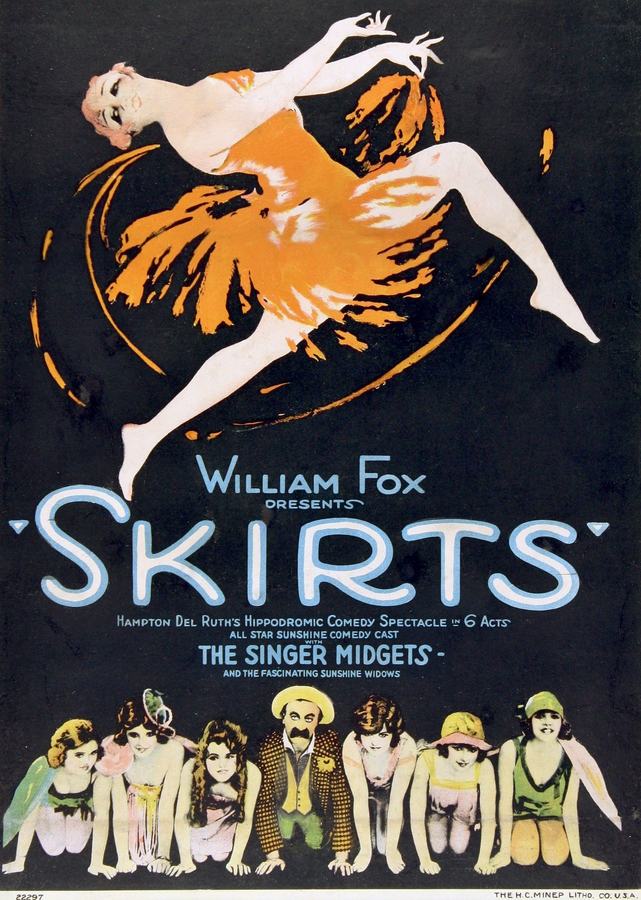
The film Skirts is a mesmerizing tale that weaves together the threads of family, fortune, and deception, set against the captivating backdrop of a circus. The narrative is propelled by the character of Clyde, a handyman whose life is intricately linked with the circus, where his mother, the bearded lady, is a star attraction. The absence of his father, a millionaire, looms large, and Clyde's quest to claim his father's fortune becomes the central axis around which the story revolves.
As Clyde navigates this complex web of relationships and ambitions, he must contend with the strongman of the circus, who harbors his own intentions of securing the fortune. This rivalry sets the stage for a series of events that are both entertaining and enlightening, offering insights into the human condition and the lengths to which individuals will go in pursuit of their goals.
The cinematography of Skirts is noteworthy, with a palette that ranges from the dark orange hues of sunset over the circus tents to the yellow glow of the spotlights that illuminate the performances. These visual elements not only add to the aesthetic appeal of the film but also serve to underscore the emotional intensity of the scenes, drawing the viewer into the world of the circus.
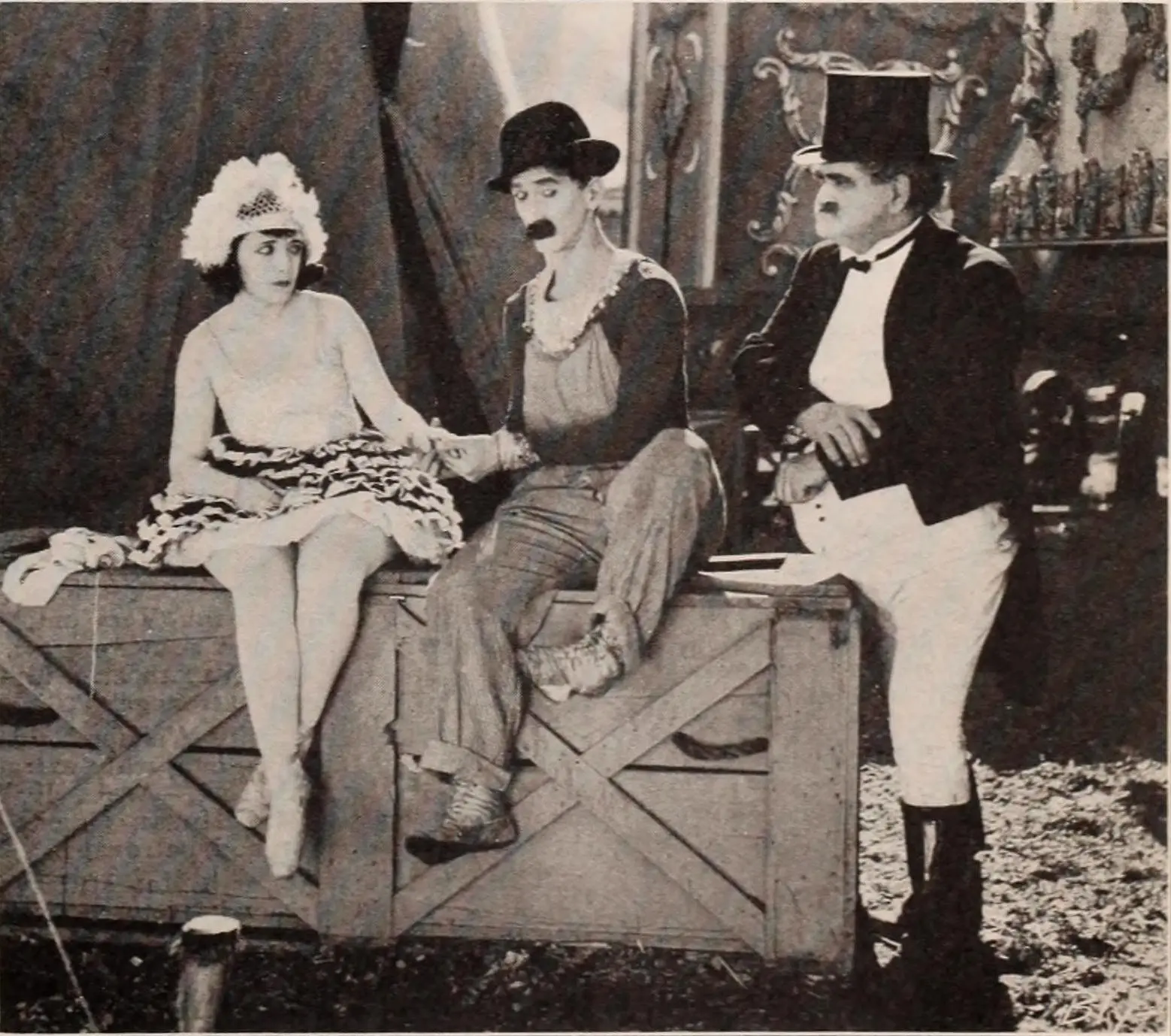
In contrast to other films of the era, such as On the Spanish Main, which explores themes of adventure and romance on the high seas, Skirts offers a unique perspective on family dynamics and the pursuit of wealth. The character development is multifaceted, with each character bringing their own set of motivations and conflicts to the narrative, much like in Mohini Bhasmasur, where the complexities of human nature are similarly probed.
The performance of the cast, including Glen Cavender and Joe Murphy, adds depth and nuance to the film, bringing to life the intricate personalities of the characters. The chemistry between the actors is palpable, particularly in scenes where Clyde and the strongman engage in a battle of wits, each attempting to outmaneuver the other in their quest for the fortune.
The themes of family, fortune, and deception are universally relatable, making Skirts a film that transcends its time period. The story is engaging, with twists and turns that keep the viewer guessing, much like the unexpected plot developments in John Petticoats. The setting of the circus, with its array of colorful characters and performances, provides a unique backdrop for the exploration of these themes, distinguishing Skirts from other films of its genre.
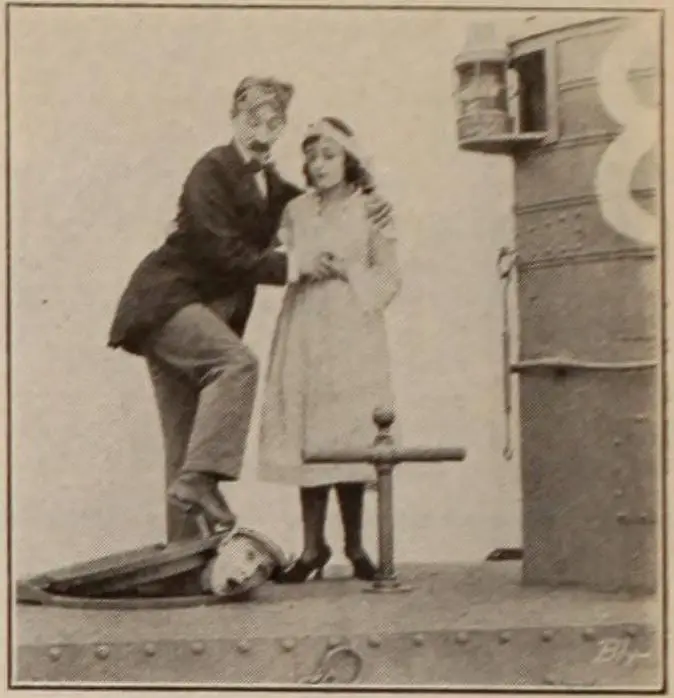
In terms of cinematographic style, Skirts employs a range of techniques to capture the essence of the circus environment. The use of sea blue tones in certain scenes serves to contrast with the warmth of the circus lights, creating a visually striking effect that enhances the mood of the film. This attention to detail in the cinematography is reminiscent of Meet Betty's Husband, where the visual elements play a crucial role in setting the tone for the narrative.
The script, written by Hampton Del Ruth, is a testament to the power of storytelling, weaving together the various strands of the narrative into a cohesive and engaging whole. The dialogue is natural and believable, with each character's voice distinct and consistent, much like in Fools and Their Money, where the characters' interactions drive the plot forward.
In conclusion, Skirts is a film that offers a captivating blend of drama, comedy, and spectacle, set against the unique backdrop of a circus. With its intricate plot, well-developed characters, and visually striking cinematography, it is a must-see for anyone interested in the cinematic arts. Whether viewed as a period piece or as a commentary on the universal themes of family and ambition, Skirts is a film that will continue to captivate audiences with its enduring appeal.
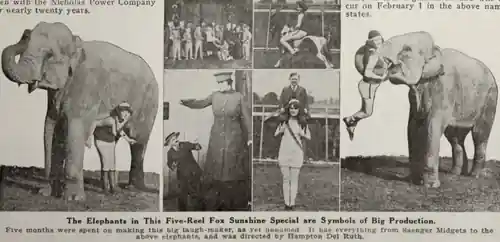
For viewers who appreciate films with complex characters and morally ambiguous themes, Skirts is an excellent choice. The film's exploration of the human condition, coupled with its entertaining and suspenseful plot, makes it a compelling watch. In comparison to other films of the era, such as Mary Moreland and June Friday, Skirts stands out for its unique setting and the way it uses the circus as a metaphor for the ups and downs of life.
The supporting cast, including Harry Booker and Harry Gribbon, adds to the richness of the film, bringing their characters to life with nuanced performances. The dynamic between these characters and the main cast is a highlight of the film, providing moments of both humor and pathos. This blend of comedy and drama is a hallmark of Skirts, making it a film that appeals to a wide range of audiences.
In the context of films from the same period, Skirts shares some similarities with Bulling the Bolshevik in terms of its themes of ambition and deception. However, the unique setting of the circus and the characters' struggles with their own identities set Skirts apart. This distinctiveness is part of the film's enduring appeal, making it a fascinating watch for those interested in the history of cinema and the evolution of storytelling techniques.
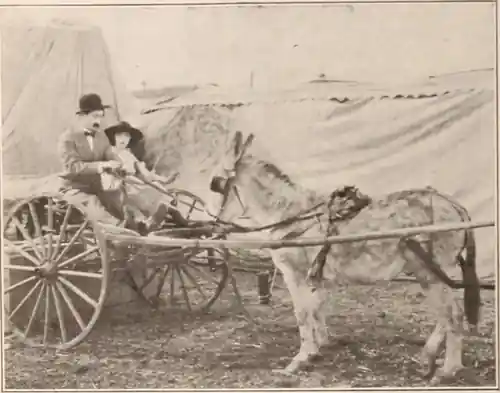
The cinematographic techniques used in Skirts are also noteworthy for their innovative use of lighting and color. The contrast between the bright, yellow lights of the circus and the sea blue tones of the night sky creates a visually stunning effect, drawing the viewer into the world of the film. This attention to detail in the visual aspects of the film is a testament to the craftsmanship of the filmmakers and their dedication to creating a unique cinematic experience.
For fans of classic cinema, Skirts is a hidden gem that offers a compelling narrative, memorable characters, and a unique setting. The film's themes of family, ambition, and the pursuit of wealth are timeless, making it a movie that continues to resonate with audiences today. Whether viewed as a historical artifact or as a standalone cinematic experience, Skirts is a film that will captivate and inspire, offering a glimpse into a bygone era and the universal human experiences that transcend time and place.
In comparison to more recent films, Skirts may seem quaint or even simplistic in its storytelling and character development. However, this simplicity is part of the film's charm, allowing the viewer to focus on the core themes and emotions of the narrative. The film's use of the circus as a setting also adds a layer of complexity, symbolizing the highs and lows of life and the performances that we all give, whether on a literal stage or in the everyday drama of our lives.
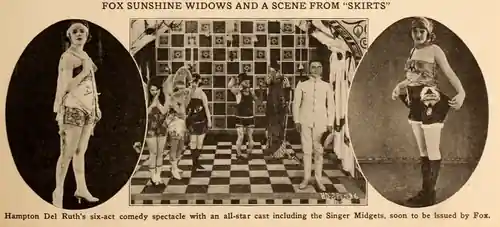
The legacy of Skirts can be seen in later films that have explored similar themes of family, identity, and the pursuit of dreams. Films like Through Turbulent Waters and The Light of Victory owe a debt to the pioneering work of films like Skirts, which paved the way for more nuanced and complex explorations of the human condition on screen.
In the end, Skirts is a film that will leave viewers pondering the intricacies of human relationships and the enduring power of ambition. With its captivating story, memorable characters, and the visually stunning backdrop of the circus, it is a cinematic experience that will linger in the minds of audiences long after the credits roll. As a piece of cinematic history, Skirts is a treasure that continues to inspire and captivate, a testament to the art of storytelling and the magic of the movies.
For those interested in exploring more films from this era, The Great Divide, A Tokio Siren, and The Pursuing Vengeance offer similar blends of drama, comedy, and social commentary. Each of these films provides a unique perspective on the human experience, using different settings and characters to explore universal themes. Like Skirts, they are part of a cinematic heritage that continues to enrich and entertain audiences today.
Ultimately, Skirts is a film that deserves to be seen and appreciated for its contribution to the world of cinema. Its unique blend of characters, setting, and themes makes it a standout piece of cinematic history, a window into a bygone era that still manages to captivate and inspire modern audiences. As such, it is a must-see for anyone interested in the evolution of film and the power of storytelling to reflect and shape our understanding of the world and ourselves.
The impact of Skirts can also be seen in the work of later filmmakers who have drawn inspiration from its themes and cinematographic techniques. Films like Engelein and The Scales of Justice demonstrate how the legacy of Skirts continues to influence the cinematic landscape, with its emphasis on character-driven narratives and the exploration of complex social issues.
IMDb 5.4
1925
Community
Log in to comment.