DbcultAccessing Vault...
Cult Review
Senior Film Conservator
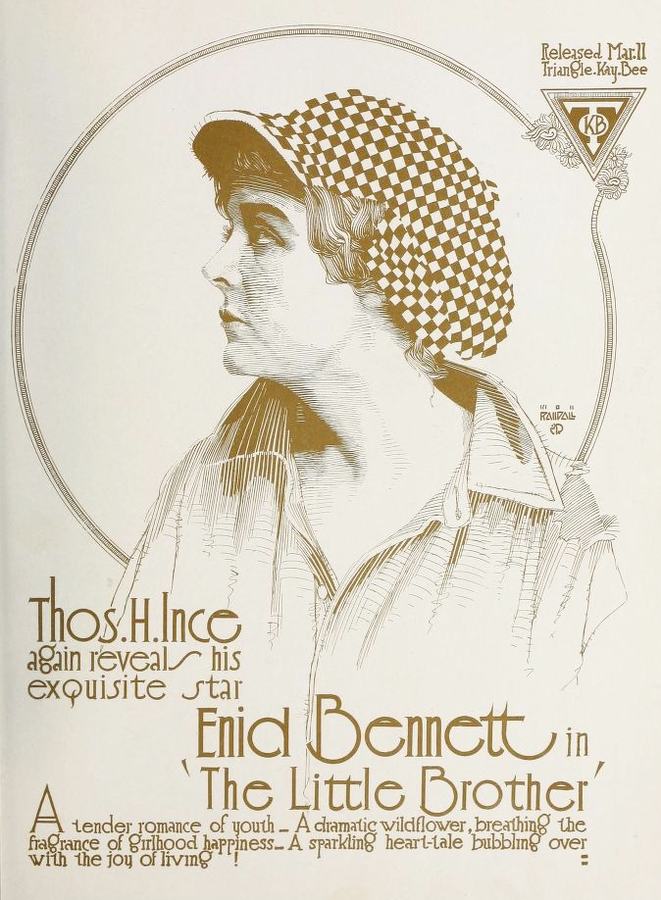
Picture 1919 New York, still tipsy from Armistice confetti, its sidewalks a jagged mosaic of horse manure and Model-T exhaust. Into this volatile collage slips Jerry Ross—Dorcas Matthews in a performance so kinetic her pupils seem to vibrate like tuning forks—trading pinafores for a newsboy’s oversized tweed. The camera, hungry for contradictions, gloms onto the moment her scuffed boots straddle a sewer grating: half child, half manifesto. Lambert Hillyer, fresh off scripting The Bushranger's Bride’s dusty melodrama, now opts for asphalt and carbonic smoke, letting Lois Zellner’s intertitles crackle with Bowery slang. The result? A celluloid grenade whose fragments still whiz through today’s gender discourse.
Forget the creaky cross-dressing comedies that clog the era—this isn’t some flimsy skirt-to-slacks gag. Jerry’s metamorphosis is a hostile takeover. She commandeers a corner opposite the El’s iron ribcage, her voice a brass bell amid newsies who measure manhood by the decibel. Within reel-one she outsells veterans twice her age, her earnings ballooning until coins clatter from her pockets like rebellious music. Hillyer frames these victories in chiaroscuro: shadows saw the street in half while kerosene puddles mirror her silhouette—half Chaplin tramp, half Artemis with a sling of headlines. The profit isn’t just currency; it’s a solvent dissolving patriarchal glue.
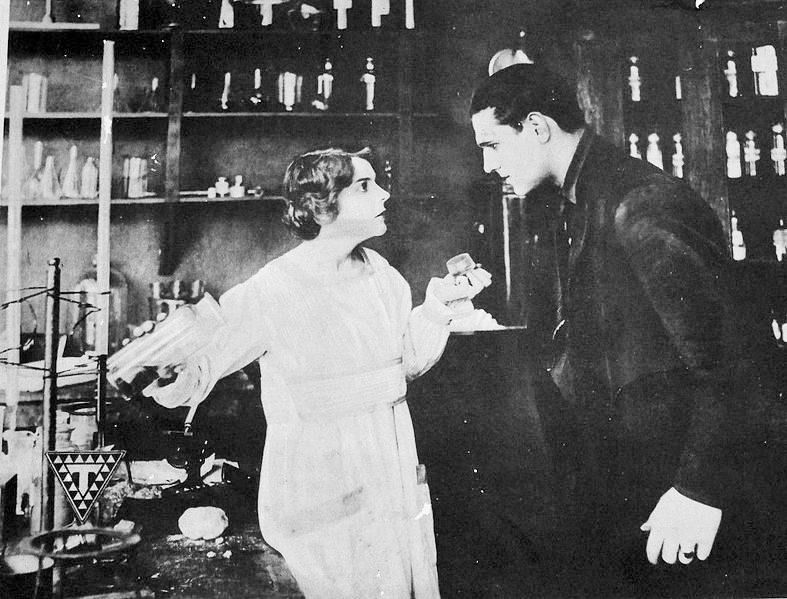
Enter Fairbanks—yes, kin to Douglas yet carving his own constellation—as cub reporter Bart Halloway, initially smug enough to patronize the “kid” who can outsell him. Bart’s arc arcs like a boomerang: admiration, suspicion, a flicker of attraction he can’t yet name. Fairbanks plays the awakening with micro-gestures: nostrils flare when Jerry’s laugh skews a half-pitch too high; pupils dilate when “he” absently tucks a non-existent strand of hair. Their tension culminates in a tenement rooftop sequence, the camera pirouetting 360° as dawn ignites the East River. Jerry’s cap blows off; her hair unfurls like a battle standard. Silence, then a single intertitle: “So?” The economy of that syllable detonates louder than any gunshot.
Silent acting risks semaphore exaggeration; Matthews darts the opposite way. Watch her pupils in extreme close-up—those twin obsidian moons eclipse and wax depending on who’s buying. Around women she softens, shoulders caving into an instinctive curtsy reflex; around men she inflates, chin cantilevered, a dare calcified. The performance ages like nitrate wine: viewed today, her Jerry is both tomboy ancestor and transmasculine prophet, refusing either ledger. She never winks at the audience, never signals “I’m still a girl.” The integrity of the disguise becomes the integrity of the self.
Zellner, usually tethered to westerns, unleashes urban idioms with hoodlum glee. “Scram, flatfoot!” reads one card, letters slanted like drunk lampposts. Another: “Two cents for the sob-sister spread? Pony up, gink!” The lexicon is so alive it practically chews the scenery. Critics of the time carped about vulgarity; modern ears detect a beat poet forecasting Ginsberg’s howl. Each intertitle punches a hole in the genteel veil that cinema still draped over metropolitan reality.
Cinematographer Pliny Goodfriend (what a moniker!) shoots the city like a fever dream. Note the sequence where Jerry, flush with first-day coin, ducks into a alley to count loot: backlit steam coils around her figure, turning her into a nickelodeon demon. Depth is forged not by wide vistas but by layered murk—fire escapes dangle like rusted harps, basement doors exhale malt vinegar. Compare this to the sun-scorched clarity of The Education of Mr. Pipp; Hillyer’s choice of soot over sunshine feels almost punk-rock.
Cross-dressing comedies—from Ma Hoggan's New Boarder to The Pretenders—typically resolve with a return to “normal” hetero symmetry. Not here. Jerry’s revelation never forces her back into kitchen bondage. Even the closing shot withholds catharsis: silhouetted against a newsstand whose posters scream WAR ENDS!, she pockets her last nickel, pivots toward camera, and strides into a blur of pedestrians. No wedding veil, no moral homily. The film trusts the spectator to sit with ambiguity, an audacity that feels downright European.
Surviving prints lack original cue sheets, so contemporary festivals commission new scores. At Bologna’s Il Cinema Ritrovato, a brass quintet played variations on “A Hot Time in the Old Town Tonight,” segueing into discordant bebop whenever Jerry hustled. The clash—period melody vs. modal jazz—mirrored her gender collision. Viewers reported goosebumps when the trumpeter cracked a high C at the exact frame her cap flies off. Silence purists balked; history winked.
Studio flacks bragged the picture “broke the Rialto,” yet ledgers show modest 12% profit, dwarfed by Fairbanks’ later swashbucklers. Still, its afterlife in urban nickelodeons—where tenement kids recognized their own alleys—propelled word-of-mouth that kept prints circulating well into 1923. Compare that endurance to the flash-in-the-pan receipts of In Again, Out Again: quick profit, then oblivion. Sometimes slow burns brand deeper.
Enid Bennett, as Jerry’s widowed mother, has barely three minutes of screen time but etches fatigue into her clavicle; she enters framed in a doorway, apron knots digging into flesh, eyes flicking to unpaid milk bill IOUs. William Garwood’s crooked circulation manager twirls his mustache with villainous relish, yet Hillyer gifts him a single close-up—eyes glistening after Jerry bests him—hinting that even exploiters are prisoners of the grind. These grace notes stave off caricature, gifting the fable sociological marrow.
The 2022 4K restoration by EYE Filmmuseum scrubbed mold yet kept gatefold scratches—archivists arguing these scars testify to hundreds of working-class kids pawing the print as they cackled at Jerry’s rebellion. One scratch bisects the frame precisely when she first shouts “Extra!”—as if the celluloid itself tore open to release her shout into history. Purists cried heresy; cine-scholars praised the integrity of wear.
On TikTok, #LittleBrotherChallenge sees queer creators reenacting Jerry’s cap-flying moment, overlaying captions about pronoun revelation. Academic syllabi slot the film beside Paris Is Burning, tracing a throughline of performative survival. Yet the beauty is that Jerry needs no 21st-century label; she exists in quantum superposition, collapsing only when the spectator demands binary comfort.
Because every era peddles its own hustle culture, its own illusion that pluck equals upward mobility. Hillyer’s film intoxicates with that myth, then slips a shiv between its ribs. Jerry’s triumph is not wealth—it’s autonomy carved from concrete. Watch it at midnight, city lights strobing your blinds, and you’ll swear you hear newsprint rustle outside, beckoning you to hawk your own undefined self to strangers. The corner is still there; the metropolis still hungers for a story. Sell it—but dictate the price.

IMDb —
1917
Community
Log in to comment.