DbcultAccessing Vault...
7.3/10
Senior Film Conservator
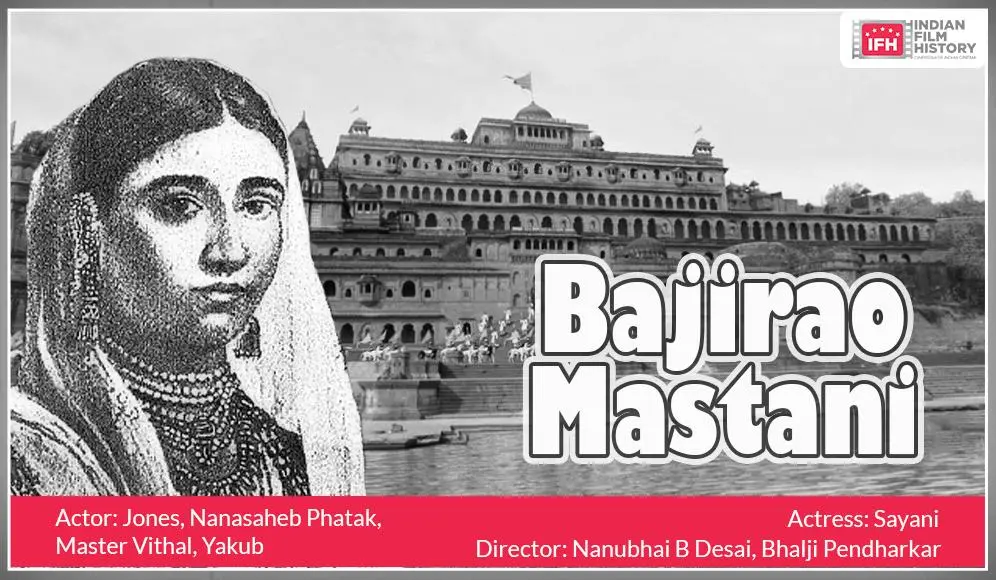
A definitive 7.3/10 rating for a film that redefined the boundaries of cult cinema. Bajirao Mastani remains a cornerstone of transgressive art.
In the realm of historical cinema, few films have managed to capture the essence of an era as vividly as Bajirao Mastani. This 18th-century epic, set against the backdrop of the Maratha Peshwai, is a compelling narrative of power, romance, and the unyielding spirit of its characters.
The film's protagonist, Bajirao I, played by Master Vithal, is portrayed with a depth that is both captivating and nuanced. His journey from a skilled warrior to the Peshwa of the Maratha Empire is fraught with challenges, both on and off the battlefield. The arrival of Mastani, a courtesan of unparalleled beauty and grace, marks a pivotal moment in Bajirao's life, leading to a romance that would test the boundaries of societal norms and personal loyalty.
Mastani, portrayed by Sayani Atish, brings a fiery spirit and intelligence to her role, challenging the traditional portrayals of women in historical cinema. Her character serves as a catalyst for the exploration of themes such as love, identity, and the constraints imposed by society. The chemistry between Bajirao and Mastani is undeniable, forming the emotional core of the film.
Nanasaheb Phatak's portrayal of Nanasaheb Phatak adds another layer of complexity to the narrative, highlighting the political intrigue and familial dynamics of the era. The supporting cast, including Miss Jones and Lala Yaqoob, contribute to a rich tapestry of characters that bring the historical setting to life.
Directed by Bhalji Pendharkar, Bajirao Mastani stands out for its meticulous attention to detail, from the opulent sets to the authentic costumes that transport viewers to the 18th century. The film's cinematography is breathtaking, capturing the grandeur of the Maratha Empire and the intimate moments of its characters with equal finesse.
Comparing Bajirao Mastani to other historical dramas, such as Aura o las violetas and Der König ihres Herzens, it becomes clear that the film's strength lies in its ability to balance epic storytelling with personal narratives. This balance is reminiscent of The Song of Songs, where the exploration of love and duty forms the crux of the narrative.
However, Bajirao Mastani distinguishes itself through its cultural specificity and historical accuracy, offering a glimpse into a period that is both fascinating and underrepresented in mainstream cinema. The film's exploration of themes such as love, power, and identity resonates deeply, making it a timeless classic.
In conclusion, Bajirao Mastani is a masterful work of historical cinema that deserves recognition for its narrative depth, cinematographic excellence, and performative brilliance. It is a testament to the power of cinema to educate, entertain, and inspire, offering a viewing experience that is as enriching as it is engaging.
For those interested in the interplay of history, romance, and drama, Bajirao Mastani is an unmissable film. Its enduring legacy is a tribute to the filmmakers and actors who brought this vision to life, offering a cinematic experience that will leave audiences spellbound.

IMDb 6.2
1916
Community
Log in to comment.