DbcultAccessing Vault...
4.3/10
Senior Film Conservator
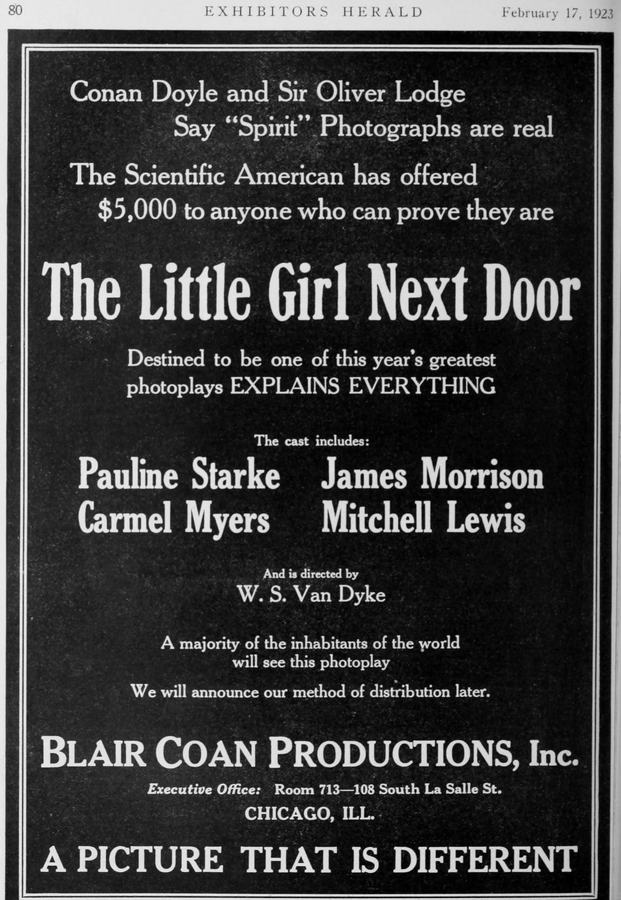
A definitive 4.3/10 rating for a film that redefined the boundaries of cult cinema. The Little Girl Next Door remains a cornerstone of transgressive art.
The Little Girl Next Door, a silent film released in 1923, is a masterful tale of love, crime, and redemption, set against the vibrant backdrop of Chicago. James Morrison brings to life the character of James Manning, a young man with a thirst for adventure and a desire to make his fortune in the city. As he becomes embroiled with a group of opium smugglers, led by the ruthless Tug Wilson, played by Mitchell Lewis, Manning finds himself torn between his loyalty to his sweetheart, Mary Slocum, and his growing attraction to the enigmatic Milly Amory, a ruse for the crooks.
As the story unfolds, Manning becomes increasingly entangled in the web of deceit and danger that surrounds him, forcing him to confront the harsh realities of the city and the true nature of the people he has come to trust. Pauline Starke, as Milly Amory, brings a sense of depth and complexity to her character, as she navigates the treacherous world of the opium smugglers and grapples with her own feelings for Manning.
The film's use of light and shadow adds to the overall sense of tension and foreboding, as the characters move through the dark and crowded streets of Chicago. The cinematography is equally impressive, capturing the gritty realism of the city and the desperation of its inhabitants. In comparison to other films of the era, such as The Kalda Ruby and The Honor of Mary Blake, The Little Girl Next Door stands out for its nuanced portrayal of the human condition and its unflinching look at the darker aspects of urban life.
One of the most striking aspects of the film is its portrayal of the female characters, who are given a level of agency and complexity that is rare in films of this era. Milly Amory is a particularly interesting example of this, as she navigates the treacherous world of the opium smugglers and grapples with her own feelings for Manning. Her character serves as a foil to that of Mary Slocum, who represents a more traditional and innocent form of femininity.
The film's climax is both thrilling and emotionally resonant, as Manning confronts the opium smugglers and fights to escape their clutches. The final scenes, in which he returns to his hometown of Harmony, Illinois with Mary, are a poignant reminder of the power of love and redemption to overcome even the darkest of circumstances. In comparison to other films that deal with similar themes, such as Le baron mystère and Den sorte Kugle, The Little Girl Next Door stands out for its nuanced portrayal of the human condition and its unflinching look at the darker aspects of urban life.
Overall, The Little Girl Next Door is a masterful film that showcases the talents of its cast and crew. With its gripping storyline, memorable characters, and impressive cinematography, it is a must-see for fans of silent cinema and anyone interested in exploring the golden age of Hollywood. Whether you're a fan of Die goldene Krone or The Secret of the Moor, this film is sure to captivate and inspire, offering a unique glimpse into the lives of those who lived and loved in the early 20th century.
The film's influence can be seen in many other movies that followed, including The Heart of Humanity and The Right to Be Happy. Its themes of love, crime, and redemption continue to resonate with audiences today, making it a timeless classic that will be enjoyed for generations to come. With its richly detailed sets, memorable characters, and gripping storyline, The Little Girl Next Door is a film that will leave you on the edge of your seat, eager to see what happens next.
In addition to its technical achievements and engaging storyline, The Little Girl Next Door also offers a fascinating glimpse into the social and cultural context of the time. The film's portrayal of opium addiction and the criminal underworld is both shocking and thought-provoking, highlighting the darker aspects of urban life and the dangers that lurked in every shadow. The film's use of symbolism and metaphor adds to its depth and complexity, inviting the viewer to interpret the events of the story in a more nuanced and layered way.
The Little Girl Next Door is a film that will appeal to a wide range of audiences, from fans of God's Country and the Law to those who enjoy the works of La reina joven. Its unique blend of action, romance, and drama makes it a must-see for anyone interested in the art of filmmaking and the power of cinema to captivate and inspire. Whether you're a film buff or just looking for a compelling story, The Little Girl Next Door is a movie that is sure to leave a lasting impression.
In conclusion, The Little Girl Next Door is a silent film masterpiece that deserves to be seen and appreciated by audiences around the world. With its gripping storyline, memorable characters, and impressive cinematography, it is a film that will continue to captivate and inspire viewers for generations to come. So why not take a journey back in time and experience the magic of The Little Girl Next Door for yourself? You can also explore other classic films like The Stage Hand, Die Würghand, A Game Lady, Suzanna, and Brass Buttons to discover more about the golden age of cinema and the art of filmmaking.
IMDb —
1923
Community
Log in to comment.