DbcultAccessing Vault...
5.3/10
Senior Film Conservator
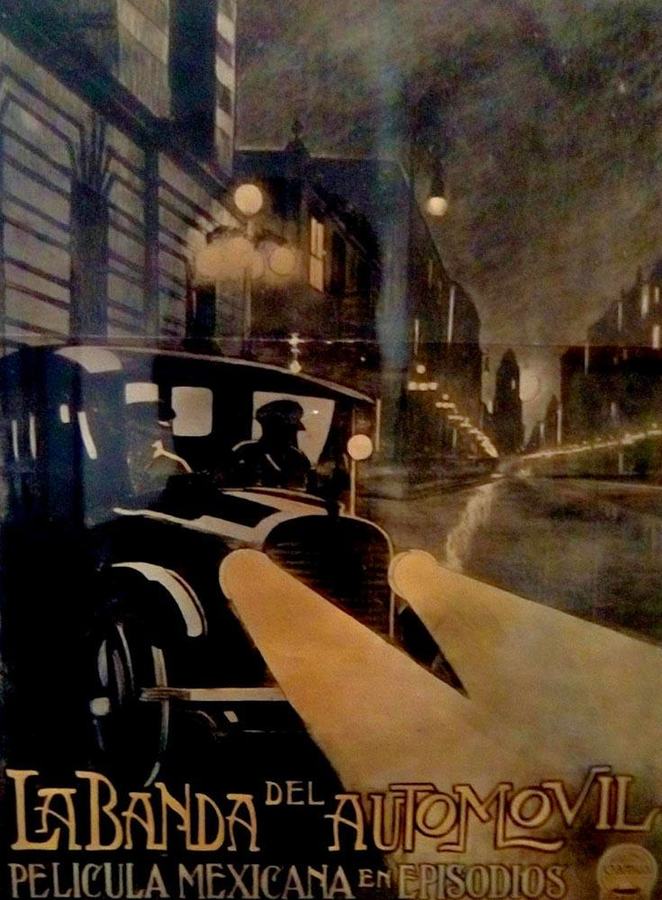
A definitive 5.3/10 rating for a film that redefined the boundaries of cult cinema. La banda del automóvil o la dama enlutada remains a cornerstone of transgressive art.
Ah, the silent era! A time of grand gestures, melodramatic flourishes, and the nascent language of cinema finding its voice without uttering a single word. Among the treasures unearthed from this foundational period, 'La Banda del Automóvil o la dama enlutada' stands as a compelling testament to the ingenuity and imaginative storytelling of early filmmaking. This isn't just a film; it's a historical artifact, a vibrant window into the anxieties and excitements of a bygone era, particularly the burgeoning fascination with automotive power and the enduring allure of a good mystery. From its evocative title alone – 'The Car Gang or The Lady in Mourning' – one is immediately drawn into a world promising both thrilling action and poignant human drama.
The film plunges us headfirst into the bustling, transforming landscape of early 20th-century Mexico City. It’s a metropolis on the cusp, embracing industrialization and the roar of the internal combustion engine, yet still clinging to its traditional shadows and secrets. Into this dynamic setting bursts 'La Banda del Automóvil,' a gang whose very name is a declaration of modernity. Their modus operandi is audacious: swift, precise robberies followed by exhilarating escapes in their powerful motorcar, a symbol of their untouchable status and the era's technological marvels. This choice of transport isn't merely practical; it's a thematic statement, cementing their identity as harbingers of a new kind of crime, one that moves with the speed of progress itself. The very concept of a 'car gang' would have been both thrilling and terrifying to contemporary audiences, representing a new frontier in both lawlessness and law enforcement. The film masterfully exploits this nascent fear, creating a sense of urgency and danger that feels remarkably fresh even today.
But the automotive thrills are only one facet of this multi-layered narrative. What truly elevates 'La Banda del Automóvil o la dama enlutada' beyond a mere crime caper is the enigmatic figure of 'La Dama Enlutada,' the Lady in Mourning. Her appearances are spectral, a recurring motif that adds a profound layer of mystery and pathos to the unfolding events. She is not directly involved in the heists, yet her presence, her silent vigil, suggests a deeper connection, a melancholic thread weaving through the tapestry of crime. Is she a victim? A witness? Or something far more complex, perhaps even a mastermind operating from the shadows? This duality – the overt, kinetic energy of the car gang juxtaposed with the quiet, sorrowful enigma of the Dama – provides a rich narrative tension that keeps the audience utterly captivated. It's a brilliant stroke of storytelling, demonstrating a sophisticated understanding of suspense and character development even in the nascent days of cinema.
At the heart of the investigation stands Detective Inspector Ricardo Morales, portrayed with a compelling blend of shrewdness and weary determination by the formidable Roberto Soto. Soto, a name synonymous with early Mexican cinema, imbues Morales with a timeless quality, a detective archetype that resonates across generations. He is the quintessential man of reason against a backdrop of chaos, relying on observation, deduction, and an unwavering commitment to justice. Soto’s performance is a masterclass in silent acting; his expressions, his posture, the subtle shifts in his gaze convey volumes without the need for intertitles. He is a grounded presence, a foil to the more theatrical elements of the gang and the Dama. His relentless pursuit of truth forms the backbone of the narrative, guiding us through the city's underbelly and its glittering facades. In an era when detective films were gaining immense popularity, Monsieur Lecoq being a prime example, Soto's Morales carves out his own distinct, memorable niche.
The supporting cast breathes life into this vibrant world. Matilde Cires Sánchez, as Elena de la Vega, delivers a performance of striking complexity. Her character, initially appearing as a society belle, gradually reveals layers of vulnerability, strength, and hidden knowledge. Cires Sánchez’s ability to convey such intricate emotional states through pantomime and subtle gestures is truly remarkable, making Elena a character who is both alluring and deeply sympathetic. The eventual revelation of her connection to the Dama Enlutada is handled with a deftness that speaks to the film's thoughtful direction. The ensemble, including José Escanero, Concepcion Cansino, Matilde del Pozo, Antonio Galé, Joaquín Coss, María Luisa Serrano, and Dora Vila, collectively contributes to a rich tapestry of characters, each playing their part in the intricate dance of crime and consequence. Whether they are members of the daring automotive gang, bewildered victims, or suspicious socialites, their collective performances create a believable and engaging world, enhancing the film's immersive quality. The interplay between these characters, often conveyed through exaggerated yet effective silent film acting, adds depth to the central mystery.
Stylistically, the film is a triumph of early cinematic technique. The direction, while perhaps uncredited in the surviving records, demonstrates an acute understanding of visual storytelling. The use of deep focus and dynamic camera angles, particularly during the thrilling car chase sequences, would have been groundbreaking for its time. These scenes are not merely spectacle; they are integral to the plot, building suspense and showcasing the raw power of the automobiles. The cinematography expertly employs light and shadow, creating a stark contrast between the opulent, brightly lit ballrooms and the murky, shadowed alleys where the gang operates. This chiaroscuro effect not only enhances the mood but also serves to symbolize the moral ambiguities at play. For instance, the veiled figure of the Dama Enlutada is often framed in soft, melancholic light, contrasting sharply with the harsh, almost aggressive lighting used for the gang members, underscoring their thematic differences. This visual sophistication places it in conversation with other visually striking films of the era, such as The Shielding Shadow, which also explored the power of mysterious, often veiled, female figures.
Thematic depth abounds in 'La Banda del Automóvil o la dama enlutada.' It's a film that grapples with the tension between modernity and tradition, the allure of progress versus the lingering shadows of the past. The car, a symbol of speed and efficiency, is simultaneously an instrument of crime, highlighting the dual nature of technological advancement. Furthermore, the film delves into profound questions of justice and revenge. The Dama Enlutada's motivations, once revealed, are not merely criminal but deeply personal, born from a profound sense of injustice. This moral ambiguity—where the line between victim and perpetrator blurs—adds a compelling layer of psychological complexity. It forces the audience to confront the difficult truth that 'justice' can often be a deeply subjective and emotionally charged concept. This exploration of the personal cost of crime and the pursuit of retribution echoes themes found in other silent dramas like The Testing of Mildred Vane, where characters are pushed to their moral limits.
The film also offers a fascinating glimpse into the nascent role of women in early 20th-century society. The Dama Enlutada, far from being a passive damsel in distress, is a figure of agency, power, and intricate emotional depth. Her intelligence and resolve drive a significant portion of the plot, challenging traditional gender roles and presenting a complex female character who is both vulnerable and formidable. This portrayal is particularly noteworthy for its time, predating many of the more overt feminist narratives yet subtly paving the way for stronger female representation in cinema. It’s a compelling counterpoint to the more conventional portrayals of women often seen in films of the period, offering a glimpse into evolving societal perceptions. One could draw parallels to the complex female protagonists in films like The Beloved Impostor, where deception and identity play crucial roles in defining female characters.
The historical context of 'La Banda del Automóvil o la dama enlutada' is equally significant. Produced during a pivotal moment for global cinema, it reflects the burgeoning international trends while maintaining a distinctly Mexican flavor. The film’s blend of thrilling action, psychological drama, and social commentary places it squarely within the traditions of early cinematic storytelling, yet it also pushes boundaries. Its focus on a contemporary urban crime gang, utilizing modern technology, was a direct reflection of real-world anxieties and excitements. This film would have contributed significantly to the development of genre cinema in Mexico, demonstrating that local filmmakers were capable of producing high-quality, engaging thrillers that could stand alongside international productions. Its innovative use of chase sequences and its exploration of complex moral dilemmas make it a valuable piece of cinematic heritage, influencing subsequent generations of filmmakers. In a world where films like The Fugitive were defining the chase genre, 'La Banda del Automóvil' added its own unique regional flavor.
The climax of the film is a masterclass in silent suspense. The thrilling chase across the city, a symphony of screeching tires (imagined, of course, through the magic of sound design in the viewer’s mind) and frantic pursuit, builds to an electrifying crescendo. The unmasking of the gang members and, more importantly, the revelation of the Dama Enlutada's true identity and profound motivations, is handled with a dramatic flair that ensures maximum emotional impact. It's a sequence that ties together all the disparate narrative threads, offering both catharsis and a lingering sense of melancholy. The resolution is not merely a simple triumph of good over evil; it's a nuanced conclusion that acknowledges the complexities of human motivations and the often-tragic circumstances that drive individuals to desperate acts. This sophisticated storytelling, avoiding simplistic morality, is a hallmark of truly great cinema, regardless of its era.
In conclusion, 'La Banda del Automóvil o la dama enlutada' is far more than a historical curiosity. It is a vibrant, compelling, and emotionally resonant piece of filmmaking that continues to captivate audiences with its potent blend of action, mystery, and human drama. Its innovative storytelling, strong performances, and sophisticated visual language cement its place as a significant contribution to early global cinema. The film serves as a powerful reminder of the enduring appeal of a well-crafted narrative, proving that the language of cinema, even without spoken words, can communicate profound truths and evoke deep emotions. It's a film that deserves to be rediscovered, studied, and celebrated, offering timeless insights into crime, justice, and the human heart. Its narrative complexity and character depth would have rivaled any contemporary thriller, including those like Wolves of Kultur, which also explored the darker undercurrents of society. This silent masterpiece remains a testament to the universal power of storytelling, transcending time and technological advancements to deliver an unforgettable cinematic experience.
Community
Log in to comment.