Summary
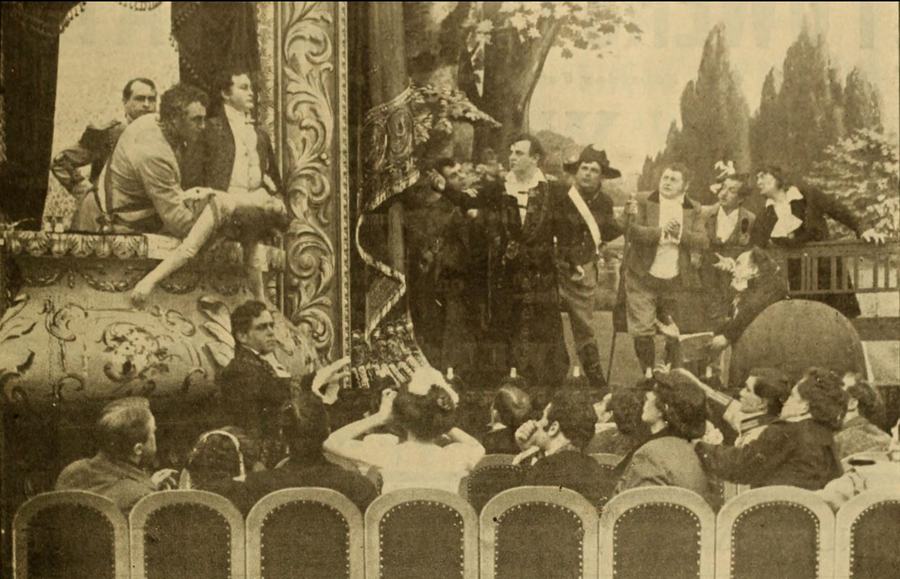
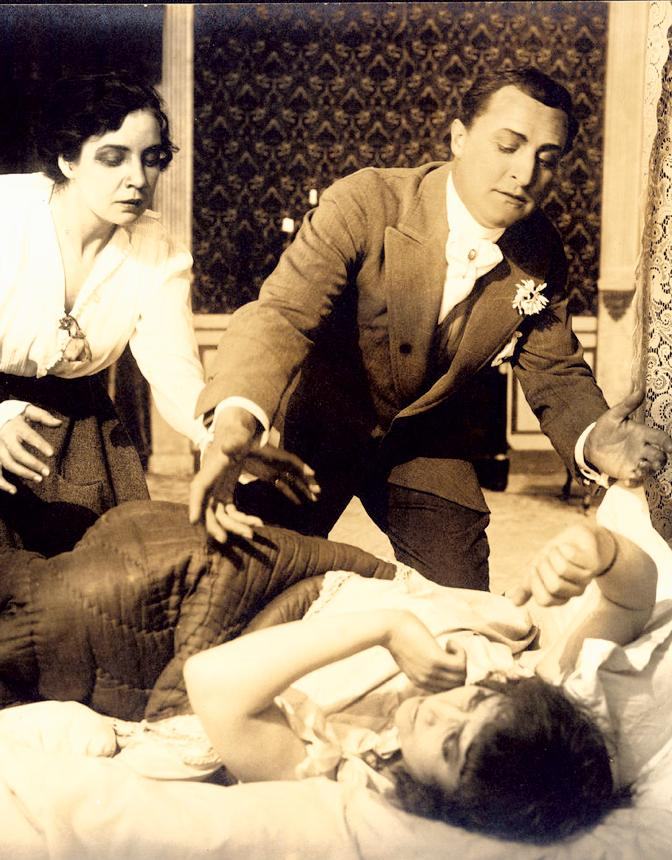
A soot-choked Copenhagen winter, 1915: sootflakes drift like carcinogenic snow across gaslit alleys where Anton de Verdier’s astronomer—eyes bruised by starlight and laudanum—unearths a fist-sized sphere of basaltic glass that refuses to reflect any face twice. The city’s boulevards convulse with war-bread queues yet inside the observatory’s iron dome time folds; the globe drinks photons, exhales sepia memories of dockworkers who will not be born for another century. Zanny Petersen’s kleptomaniac archivist, pockets rattling with stolen observatory keys, believes the orb is a hole punched through the sky’s parchment; she trades kisses for transit passes, smuggles the object inside a hollowed-out hymnbook to a clandestine séance in Nyhavn’s plague-tattooed attic. Ingeborg Spangsfeldt’s penniless countess, corset laced with nerves and nitrate film, photographs the relic’s non-shadow while her consumptive husband (Tronier Funder) coughs arsenic sonnets into lace handkerchiefs, each syllable a pawn-ticket for morphine. Johannes Ring’s lapsed pastor, collar stitched with doubt, baptises the sphere in absinthe, hoping to exorcise its appetite for coincidence; instead it regurgitates mirror-images of his parishioners committing sins they have not yet invented. Carl Lauritzen’s police inspector, moustache waxed to sabre-points, pursues the artefact through plague wards and anarchist printshops, convinced it is a Prussian booby-trap timed to detonate on the king’s birthday. The narrative fractures like a dropped plate: scenes loop, stutter, reverse—characters age a decade between blinks, speak subtitles aloud, walk into their own childhoods. When the final reel ignites, the globe rolls into the harbour, sinks past rusted torpedoes, and the water’s skin seals without scar; above, the city’s electric lamps flicker once, twice, then burn with the calm of stars that have already died elsewhere.
Review Excerpt
"
The first time I watched Den sorte Kugle I emerged feeling as though I’d swallowed a meteor shard: a cold, ancient weight lodged somewhere between sternum and spine, radiating the faint hum of nebulae no human catalogue has numbered. Few films traffic in such proprietary dread; fewer still achieve it without a single intertitle that explains anything. Anders J. Eriksholm’s screenplay—really a lattice of ink-blotted marginalia later deciphered by archivists—assumes the viewer is complicit in Co..."