DbcultAccessing Vault...
5.2/10
Senior Film Conservator
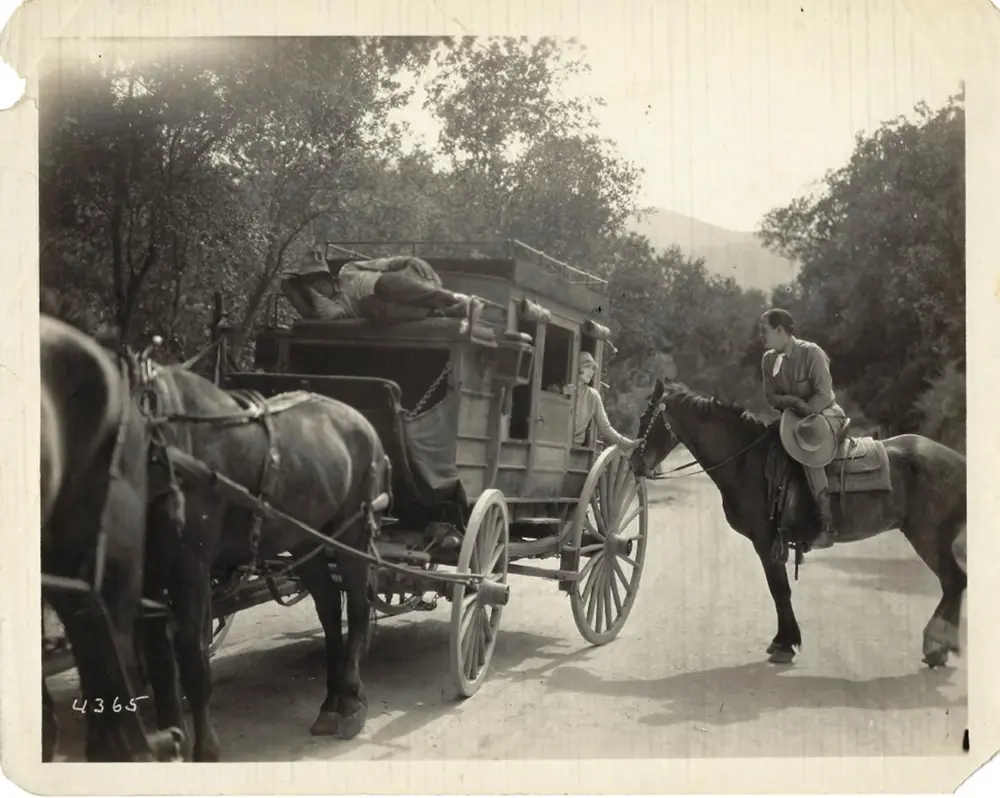
A definitive 5.2/10 rating for a film that redefined the boundaries of cult cinema. The Pinnacle Rider remains a cornerstone of transgressive art.
Is The Pinnacle Rider worth watching today? Short answer: only if you have a deep-seated affection for the 'city-slicker vs. rugged-westerner' trope that defined 1920s cinema. It is a film that functions as a curious artifact rather than a timeless narrative, offering a glimpse into the early career of Jack Mower and the slapstick sensibilities of the era.
This film is for silent film historians and those who enjoy lighthearted Western farces where the stakes never feel truly dangerous. It is absolutely NOT for viewers who require modern pacing, complex character motivations, or high-definition visual storytelling.
1) This film works because it leans into the absurdity of its premise, specifically the 'faked death' sequence which allows for some genuine physical comedy.
2) This film fails because the transition from light comedy to a serious outlaw rescue in the final act feels unearned and tonally jarring.
3) You should watch it if you want to see how early Westerns used the 'walled city' as a metaphor for societal decay versus the freedom of the ranch.
The opening of The Pinnacle Rider establishes a fascinating dichotomy. Jack isn't just a rancher; he is a refugee from the 'walled cities.' This phrasing is key. It suggests that the urban environment was viewed by director William Berke as a prison of manners and relatives. When the aunt and Cyril arrive, they represent the very bureaucracy Jack fled. They don't just want his company; they want his land.
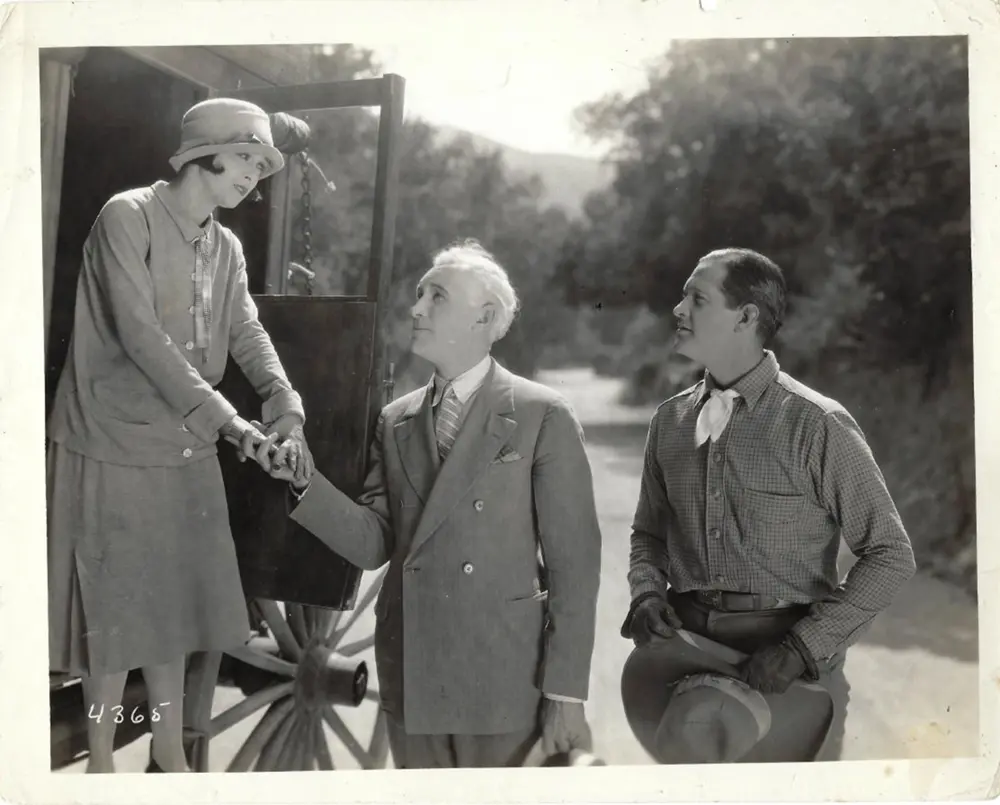
Compare this to Tennessee's Pardner, which also deals with the sanctity of Western territory. In The Pinnacle Rider, the threat isn't a rival gunman initially, but a legalistic aunt. The horror of being 'civilized' by force is played for laughs, but there is a biting undercurrent of truth to Jack's desperation. He would literally rather be dead to the world than have to host a dinner party for Cyril.
The scene where Jack hides behind the furniture while his cook, played with a delightful weariness by Billy Engle, explains the 'tragedy' is a masterclass in silent timing. Engle's performance is the secret weapon here. While Mower is the leading man, Engle provides the grounded skepticism that makes the farce palatable. He is the audience's surrogate, looking at Jack’s plan with the 'are you serious?' expression that we all feel.
Once the faked death fails to clear the house, the movie takes an interesting, if problematic, turn. Jack decides that if he can't be dead, he will be dangerous. He tells the heroine that he is the 'notorious bad man' of the district. This is a trope we see mirrored in films like The Border Legion, where the line between hero and outlaw is often blurred by necessity or romance.
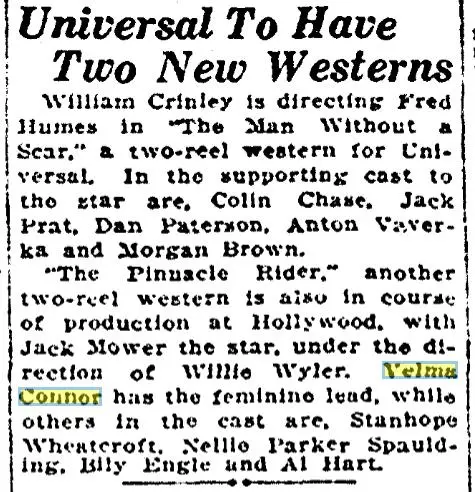
The problem is Jack’s motivation. He isn't protecting anyone; he’s trying to be cool. It’s a very modern 'fake it till you make it' energy that feels surprisingly relatable. However, the film doesn't interrogate the toxicity of this lie. The heroine falls for the 'bad boy' persona, a cliché that was as tired in 1920 as it is today. When Jack rescues her from the buckboard runaway, the cinematography captures the speed with a raw, shaky intensity that highlights the lack of safety standards in early filmmaking. It’s thrilling, but for the wrong reasons.
The moment Jack puts on his 'outlaw face'—squinting eyes and a stiffened jaw—is hilariously over-the-top. It’s a performance within a performance. Mower is playing a man who is a bad actor. That’s a difficult needle to thread, and for the most part, he succeeds. He looks like a guy who read a dime novel about bandits and is trying his best to mimic the cover art.
If you are looking for a deep emotional resonance, then no. The Pinnacle Rider is a popcorn flick from a time before popcorn was a cinema staple. It is worth watching for the physical stunts and the historical context of the Western genre's evolution. It serves as a bridge between the pure action of the early silents and the more character-driven comedies of the late 20s.
The film offers a direct answer to the question of inheritance: it portrays the city-dwelling heirs as incompetent fools. This was a popular sentiment at the time—the idea that only those who work the land deserve to own it. If you enjoy seeing 'sophisticated' city folk forced to perform menial tasks on a ranch, the second act will be immensely satisfying for you.
William Berke’s direction is functional. He doesn't take many risks with the camera, preferring wide shots that capture the scale of the ranch. This is a contrast to the more experimental framing found in Black Friday. The pacing, however, is where the film stumbles. The middle section, where the relatives are working on the ranch, feels like a series of disconnected sketches. It’s funny, but it halts the narrative momentum.
The lighting is naturally harsh, as was common for location-heavy Westerns. There is no attempt to soften the sun of the American West. This gives the film a gritty look that clashes with its comedic tone. It’s a strange mix. One moment you are watching a man fall into a water trough, and the next, the shadows on the mesas look like something out of a German Expressionist film.
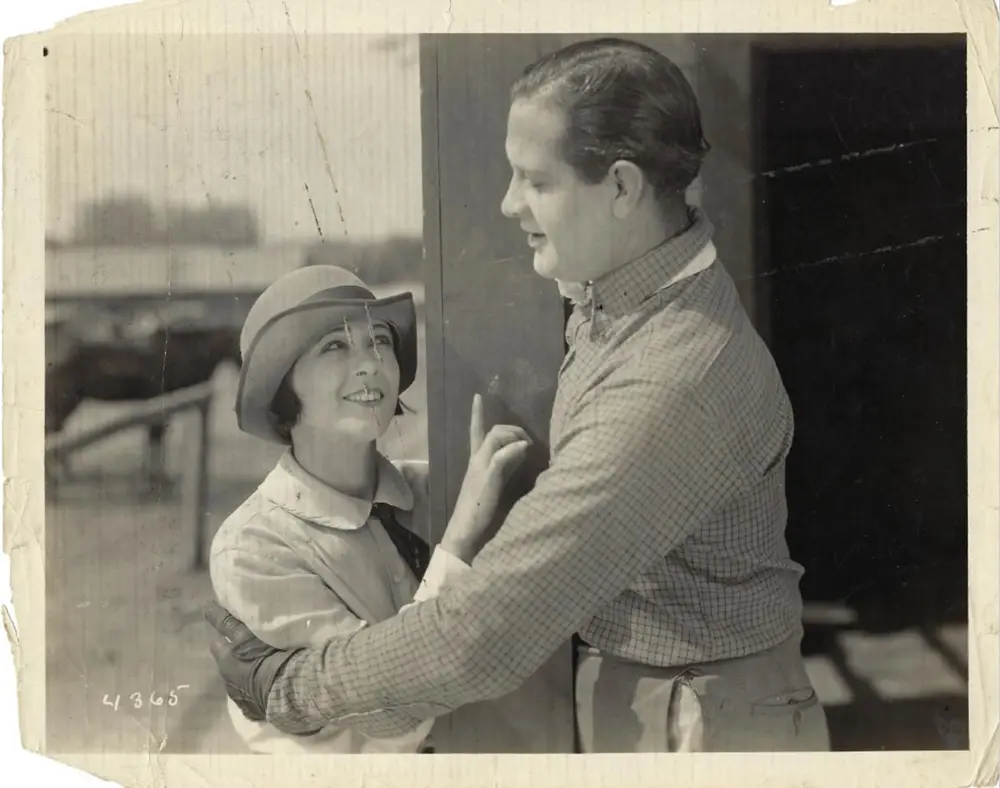
Pros:
The location shooting is authentic and provides a sense of place that studio sets can't match. Jack Mower has a natural charisma that carries the weaker parts of the script. The 'faked death' premise is genuinely creative for its time, even if it’s resolved too quickly.
Cons:
The supporting characters, particularly Cyril and the Aunt, are one-dimensional caricatures. The film relies heavily on title cards to explain Jack's internal motivations, which slows down the visual storytelling. The resolution feels like a 'deus ex machina' where the real bad men show up just to give Jack a chance to be a hero.
The Pinnacle Rider is a charming, if disposable, piece of silent cinema. It doesn't have the weight of Lily of the Dust or the sheer technical ambition of other contemporaries, but it has heart. It’s a movie about a man who just wants to be left alone, a sentiment that is perhaps more relevant now than it was in 1920.
The film's biggest strength is its refusal to take itself seriously. It knows it's a farce. It knows the 'bad man' routine is ridiculous. By leaning into that self-awareness, it avoids being a boring relic. It works. But it’s flawed. It’s a dusty, sun-baked comedy that reminds us that even a hundred years ago, people were looking for ways to dodge their annoying relatives.
Final thought: If you see it on a double bill with something like A Milk Fed Hero, you'll have a perfect afternoon of vintage escapism. Just don't expect it to change your life. It’s a ride, not a journey.
IMDb 6.4
1922
Community
Log in to comment.