DbcultAccessing Vault...
Cult Review
Senior Film Conservator
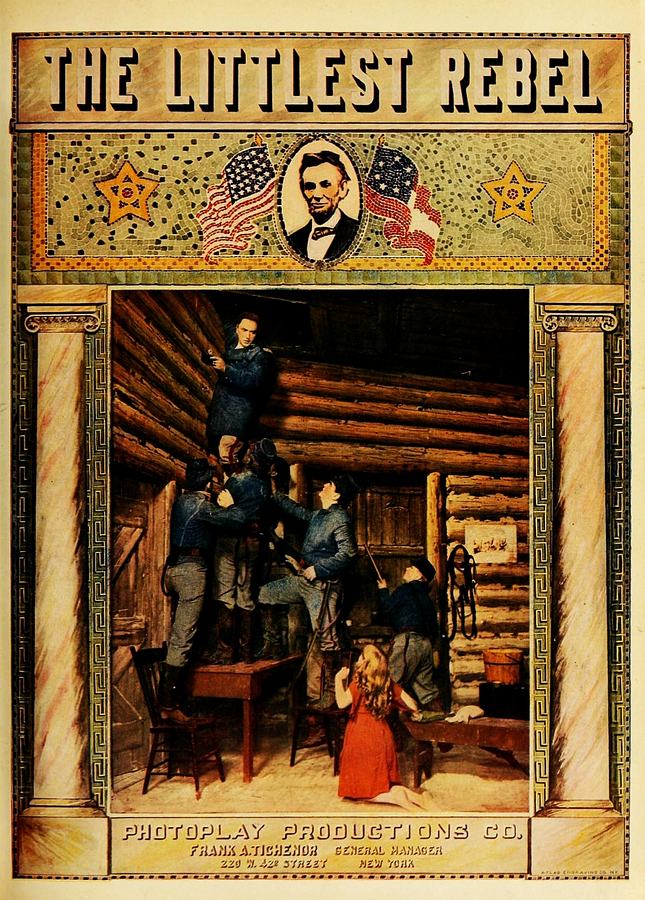
The camera’s iris glides across sun-bleaked tobacco rows toward a portico where whitewashed columns preen like powdered dowagers—then the Civil War barges in, ripping genteel seams with bayonet indifference. Thus The Littlest Rebel announces itself: a 1935 Fox confection draped in the bunting of Lost Cause mythology, yet pulsing with the manic energy of a studio system that could sell segregation with a wink and a song.
Director David Butler and cinematographer John Seitz render Dixie as a fever-dream of amber wheat, indigo twilight, and flame-gold cavalry braids. Every frame is soaked in the honeyed chiaroscuro typical of early-three-strip Technicolor tests, though here the palette leans deliberately monochrome, allowing crimson sashes or Union navy coats to erupt like blood on parchment. Note the tableau when young Virgie twirls her father’s regimental flag: stars sear against grey sky, a foreshadow of the climactic flag-blending coda.
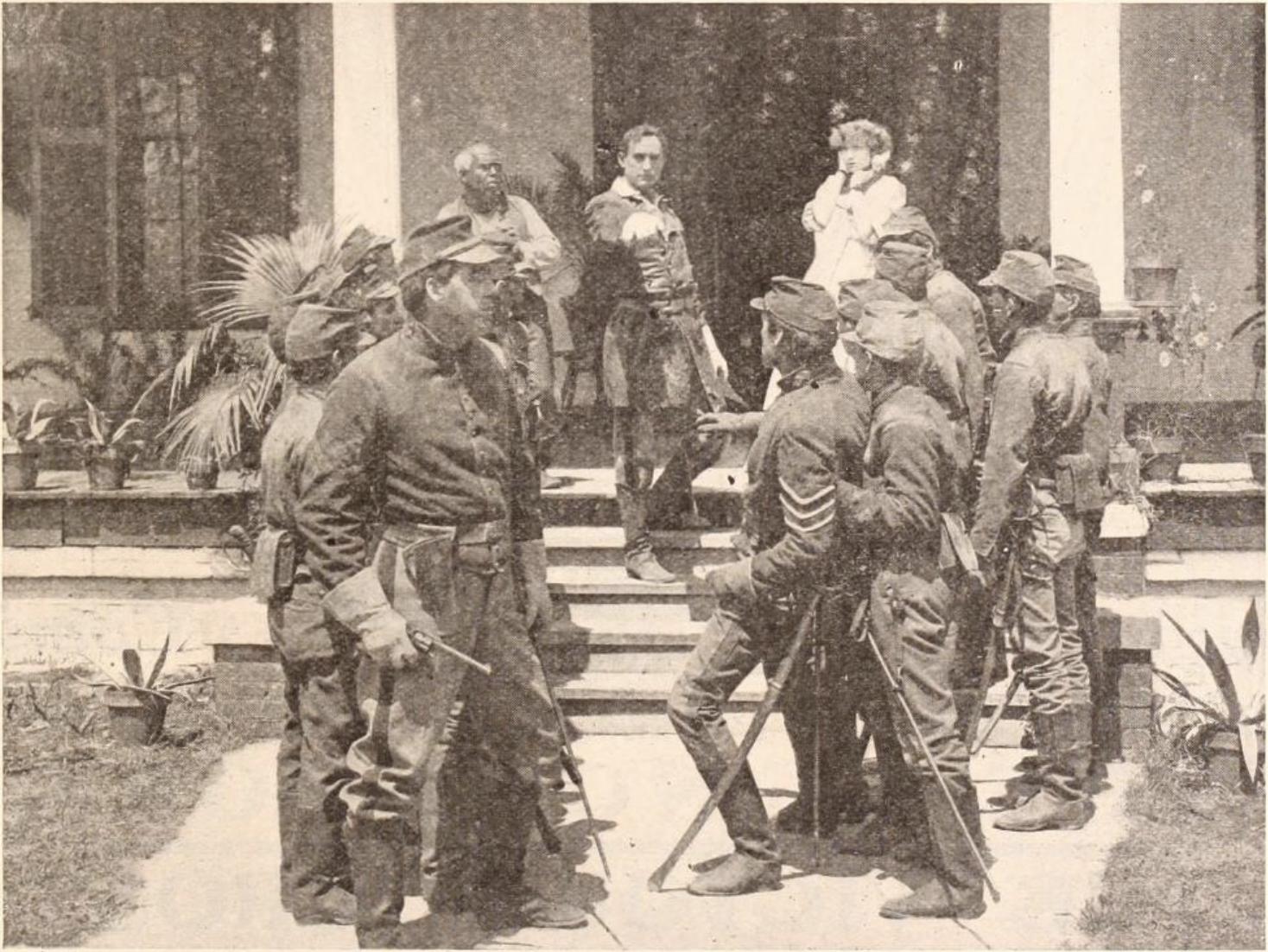
Shirley Temple’s dimpled diplomacy weaponizes cuteness; she sashays through shot-up manor houses with tap-shoe insouciance, turning atrocity into bedtime story. Opposite her, John Boles plays Herbert Carey with the stiff nobility of a marble bust granted vocal cords—his baritone reverberates with paternal authority yet never quite shakes the glaze of entitlement. The real revelation is Jack Holt’s Colonel Morrison: eyes perpetually narrowed in self-interrogation, voice a velvet rasp that suggests Nathan Bedford Forrest reimagined by a philosopher-king. When he guns down Jim Dudley, the moral shockwave ripples beyond the script’s tidy binaries.
Edward Peple’s source play creaks like a famine-era galleon, but screenwriter William Conselman injects screwball zingers and child-star shtick to quicken the pulse. Still, the story cannot escape its foundational calculus: Black subservience equals narrative furniture. Uncle Billy (played by the criminally under-used Bill Robinson) tap-dances brilliance yet must efface intellect so Temple’s luminescence burns brighter. The result: a buddy-duo chemistry that transcends the page, even as the page shackles it.
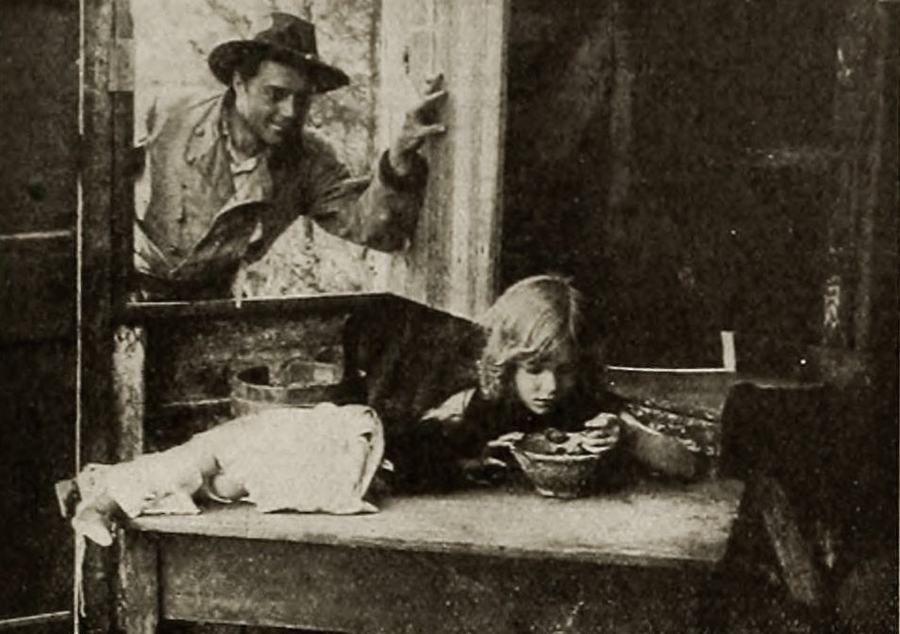
When Temple belts “Polly Wolly Doodle” astride a wagon of wounded Confederates, the tune functions as both morale booster and absolution hymn. The lyrics’ nonsense syllables sand the edge off slavery’s context, converting plantation space into playground. Contrast this with Robinson’s stair-tap sequence: wooden planks become percussion, the audible manifestation of subaltern creativity thriving under duress. Yet the camera’s upward tilt stops at Temple’s beaming countenance, appropriating his artistry for her halo.
Virgie’s femininity is weaponized—tears melt Union iron more effectively than ordinance. She navigates front lines with proto-feminine wile, anticipating Scarlett O’Hara’s survivalism by three years. Yet the film refuses full empowerment; her victory culminates in restored patriarchy: father alive, suitor Morrison redeemed, marriage bells implicit. The camera lingers on a final tableau: two flags, silk fingers interlaced, suggesting national coitus rather than critique.
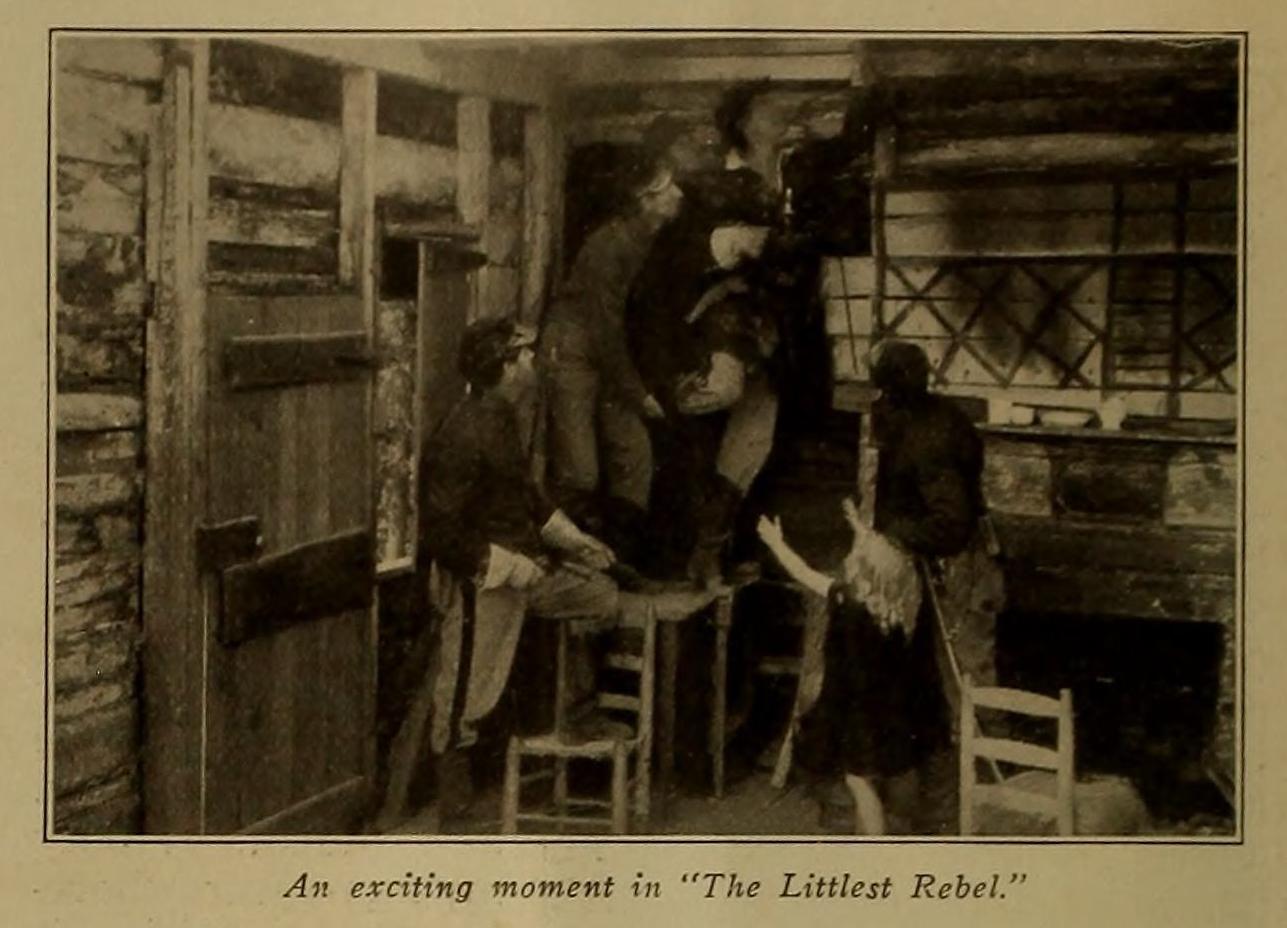
Academics will froth at anachronisms: Grant never personally reviewed prisoner passes, Lee did not scribble safe-conducts like hall monitors. Yet realism is not the currency here—mythopoesis is. The film’s Richmond resembles a back-lot Bavarian village more than 1860s urban sprawl; battlefields are sound-stages dotted with papier-mâché boulders. What matters is emotional cartography: audiences needed 1935 balm for Depression wounds, and the narrative offers reconciliation without restitution.
Modern viewers will squirm at “happy darky” tropes: Robinson’s grin wider than the Mason-Dixon line, peripheral Black characters coded as loyal livestock. Still, within the Hays Code straitjacket, Robinson smuggles subversion—every syncopated shuffle whispers autonomy. Critics like Mute Witnesses (1912) offered more nuanced racial commentary, but Fox banked on Temple’s box-office pixie dust to glaze the poison.
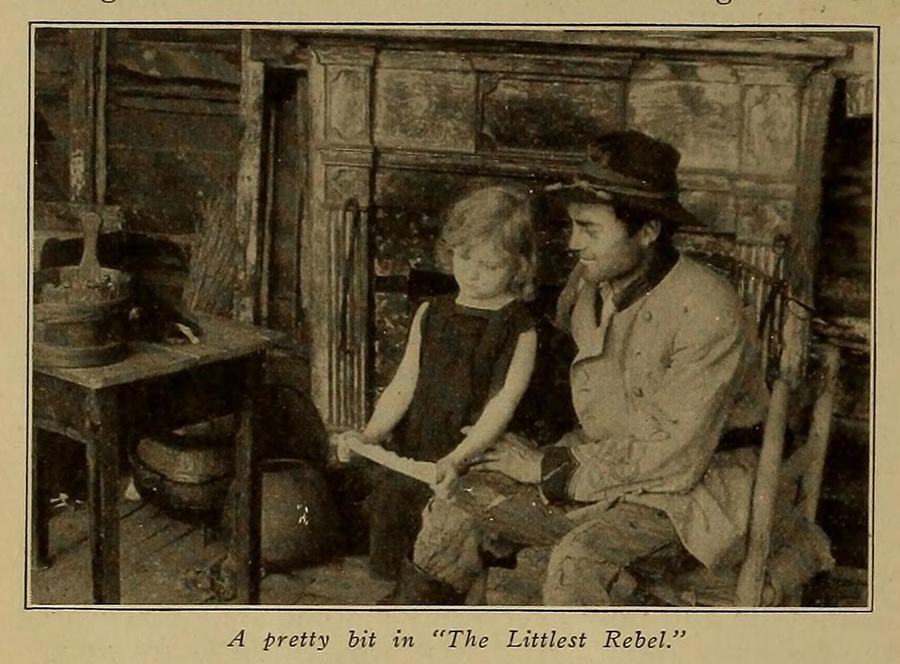
Stack The Littlest Rebel beside The Luck of Roaring Camp and you detect shared DNA: both mythologize antebellum virtue, both deploy children as moral detergent. Against foreign entries like Den sorte Varieté the film’s racial myopia looks even starker, though Danish cinema had its own colonial blinders. Meanwhile Captain Starlight offers bushranging anti-heroism next to Temple’s saccharine militarism—choose your poison.
The mono track crackles like dry hickory; muffled hoofbeats synchronize with orchestral swells courtesy of uncredited maestro Samuel Kaylin. Listen for whip-pan transitions: creaking doors become sonic metaphors for sectional rupture. When cannons thunder, the reverb feels canned—yet that artifice amplifies the dream-theatre aura.
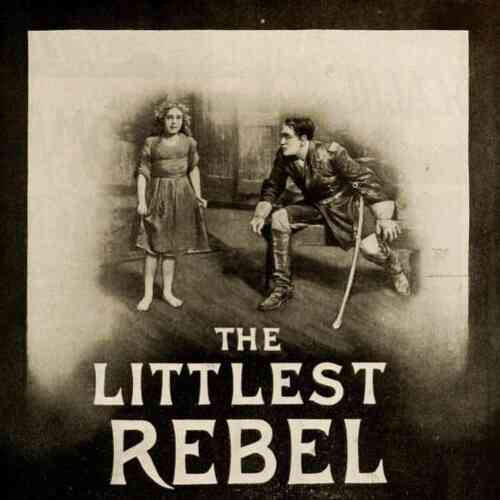
Disney+ currently shelves the picture behind content warnings—a testament to shifting moral tectonics. Film scholars duel over whether to consign it to the memory hole or curate with context. My take: let it breathe, blemishes exposed, so tomorrow’s children can learn how easily atrocity dons angel wings.
For cinephiles tracking Hollywood’s complicity in Confederate nostalgia, The Littlest Rebel is indispensable—equal parts artifact and confession. For casual viewers seeking Temple’s trademark sparkle minus moral mess, stream The Beloved Adventurer instead. Me? I rewatch it through splayed fingers, appalled, mesmerized, reminded that cinema’s most potent magic lies in making us cheer for the very ghosts we should exorcise.
Rating: 7/10 for technical bravura, historical import, and Robinson’s sublimated virtuosity; minus three for racial erasure and Dixie sentimentality.
IMDb 5.8
1933
Community
Log in to comment.